Your cookie preferences
We use cookies to remember your preferences and understand how shoppers use our site, helping us improve your shopping experience.
Read our privacy policy
Browse our product categories below to find exactly what you're looking for, and stay informed about the latest refrigerant changes and updates in our Frequently Asked Questions section.
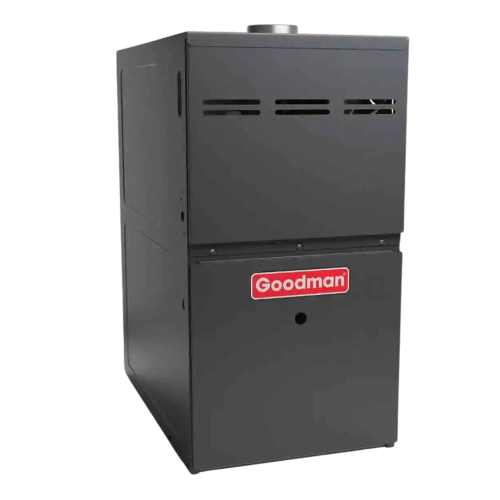
Shop By: Systems
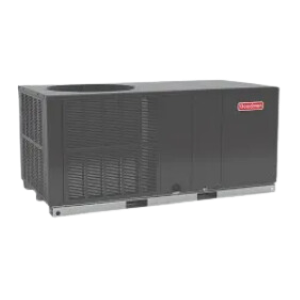
Shop By: Units
In 2025, new regulations will mandate the use of more environmentally friendly refrigerants with lower global warming potential (GWP) in HVAC systems. These regulations aim to reduce the environmental impact of HVAC systems by phasing out high-GWP refrigerants.
The Environmental Protection Agency (EPA) in the United States is the primary governing body enforcing manufacturers to switch to new refrigerants. Under the Clean Air Act, the EPA's regulations aim to phase out high global warming potential (GWP) refrigerants and promote the use of more environmentally friendly alternatives. Additionally, international agreements like the Kigali Amendment to the Montreal Protocol also contribute to the global transition to these new refrigerants.
The new refrigerant requirements are being implemented to address climate change and environmental concerns. High-GWP refrigerants contribute significantly to global warming, and the new regulations aim to minimize this impact by promoting the use of refrigerants that are less harmful to the environment.
The 2025 regulations favor refrigerants with lower GWP, such as R-32, R-454B, and R-1234yf. These refrigerants are designed to provide efficient cooling while significantly reducing their environmental footprint compared to older refrigerants like R-410A.
Existing HVAC systems do not need to be retrofitted or replaced to comply with the new mandates. The regulations only apply to new HVAC equipment manufactured after January 1, 2025.
Residential and light commercial air conditioners and heat pumps manufactured after Jan. 1, 2025 must use the new refrigerant. The equipment manufactured prior to this date has a one-year grace period to be installed, giving them a Jan. 1, 2026 installation deadline.
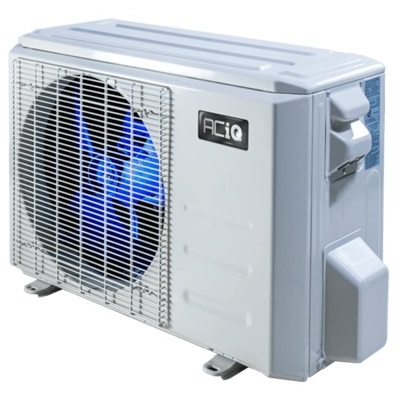
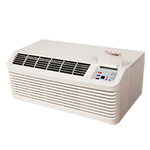
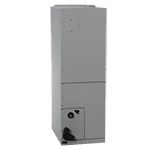
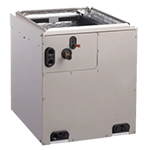
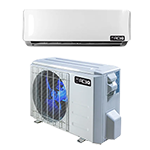
The mandates specifically target equipment that utilizes refrigerants for cooling and heating purposes. This includes split systems, packaged units, heat pumps, and mini-split systems. Both residential and commercial HVAC systems are subject to the new regulations.
The initial cost of HVAC systems using compliant refrigerants might be higher due to newer technology and increased demand. However, these systems are often more energy-efficient, leading to lower operating costs over time, which can offset the initial investment.
Many governments and utility companies offer incentives, rebates, or tax credits for upgrading to energy-efficient HVAC systems that use compliant refrigerants. Check with local authorities or utility providers to see what programs are available in your area.
Here are what some of the top manufacturers in the HVAC industry are changing to:
The new refrigerants, such as R-32 and R-454B, are designed to have a lower global warming potential (GWP), which often comes with a mild degree of flammability. This trade-off is necessary to achieve better environmental performance while still providing efficient cooling.
HVAC systems using mildly flammable refrigerants are designed with enhanced safety features, such as improved leak detection, robust containment measures, and specific installation guidelines. Technicians also receive specialized training to manage these refrigerants safely.
Our dedicated staff works hard to ensure that all orders are handled quickly and efficiently to ensure that you get what you ordered as quickly as possible.
We provide a secure online shopping experience to protect your information. We also provide the option to checkout with PayPal to allow you to use a checkout service you are familiar with.
We provide you great prices so you can save your money for the more important things in your life.