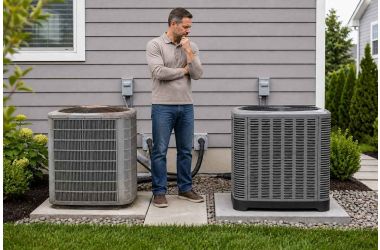
0% Financing for 12 Months* or up to 48 Months* Terms Available - Buy Now and Pay later!

Mobile Home Heat Pump & Evaporator Coil Systems

Items 1-24 of 34

Set Descending Direction
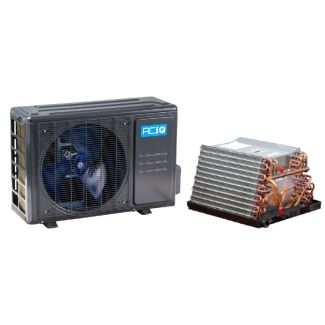
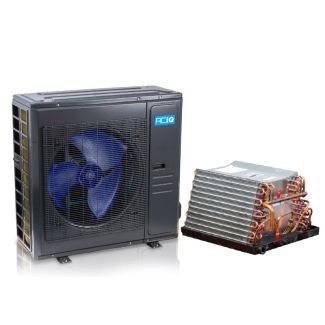
  1. 2 Ton 14.3 SEER2 Heat Pump with Mobile Home Coil - R32 - GLZS4BA2410-A / ACiQ-MH24BU2VYEC
    2 Ton 14.3 SEER2 Heat Pump with Uncased Mobile Home Coil - R32
    Model: AQ-GLZS4BA2410-MH / ACIQ-MH24BU2VYEC
    Was $3,001.00
    Special Price $2,545.00
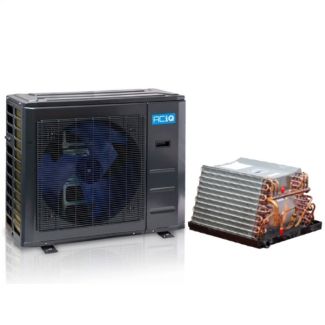
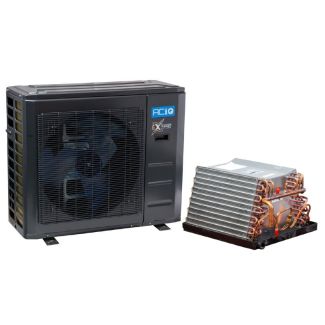
  2. 2.5 Ton 14.3 SEER2 Heat Pump with Mobile Home Coil with TXV - R32 - GLZS4BA3010-A / ACiQ-MH36EU3VYED
    2.5 Ton 14.3 SEER2 Heat Pump with Uncased Mobile Home Coil - R32
    Model: AQ-GLZS4BA3010-MH / ACIQ-MH36EU3VYED
    Was $3,449.00
    Special Price $2,921.00
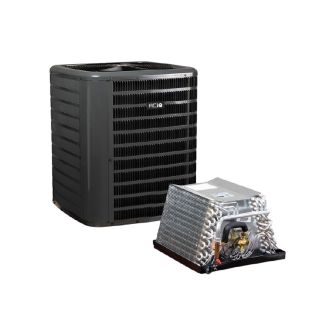
  3. Goodman 2 Ton 14.3 SEER2 Heat Pump with Mobile Home Coil - GLZS4BA2410 / ACiQ-MH24BU2VYEC
    Goodman 2 Ton 14.3 SEER2 Heat Pump with Mobile Home Coil - R32
    Model: GLZS4BA2410-MH / ACiQ-MH24BU2VYEC
    Rating:
    99%
    Was $3,541.00
    Special Price $3,022.00
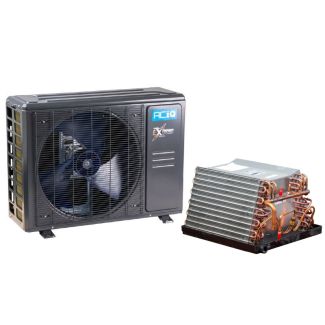
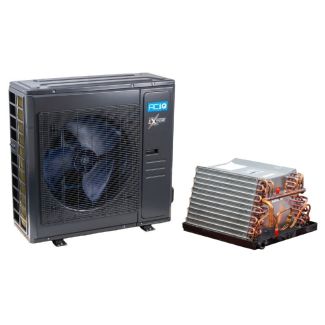
  4. ACiQ 2 Ton 14.3 SEER2 Heat Pump with Mobile Home Coil - R4H5S24AKAAA / ACiQ-2413UDPBCA
    SAVE $791.00
    ACIQ 2 Ton 14.3 SEER2 Heat Pump with Mobile Home Coil| R454B
    Model: R5H5S24AKAAA-MH / ACIQ-MH24AU3VWEC
    Rating:
    99%
    Was $3,814.00
    Special Price $3,023.00
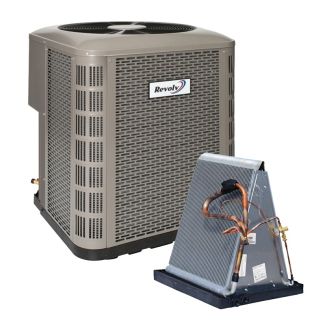
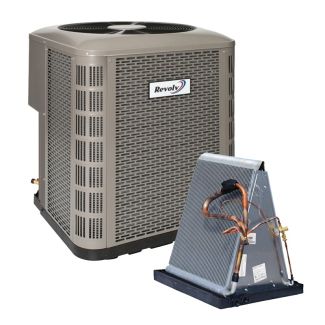
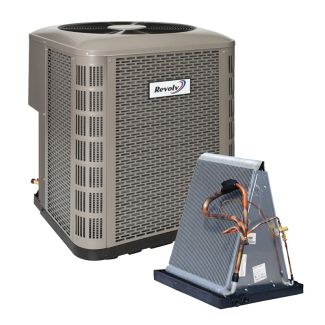
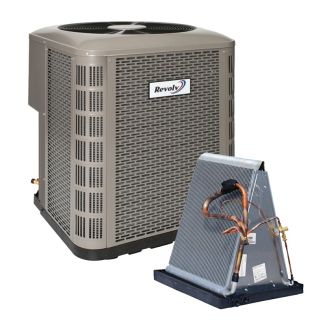
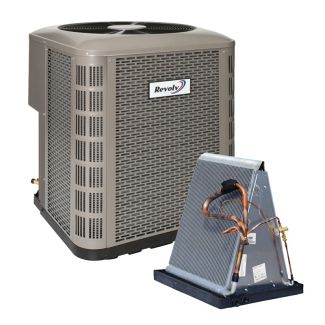
  5. Style Crest-Revolv 3 Ton 14.3 SEER2 Mobile Home Heat Pump Sweat-Fit Condenser & Coil - R454B - HSH4ME5M1SP36K / C85DAMX3036U-B
    Style Crest-Revolv 3 Ton 14.3 SEER2 Mobile Home Heat Pump Sweat-Fit Condenser & Coil - R454B
    Model: HSH4ME5M1SP36K / C85DAMX3036U-B
    Rating:
    87%
    Special Price $3,318.00
  6. ACiQ 2.5 Ton 14.3 SEER2 Heat Pump with Mobile Home Coil with TXV - R4H5S30AKAAA / ACiQ-3619UDXBCB
    SAVE $926.00
    ACIQ 2.5 Ton 14.3 SEER2 Heat Pump with Mobile Home Coil| R454B
    Model: R5H5S30AKAAA-MH / ACIQ-MH30BU3VWEC
    Rating:
    99%
    Was $4,320.00
    Special Price $3,394.00
  7. Goodman 2.5 Ton 14.3 SEER2 Heat Pump with Mobile Home Coil with TXV - GLZS4BA3010 / ACiQ-MH36EU3VYED
    Goodman 2.5 Ton 14.3 SEER2 Heat Pump with Mobile Home Coil with TXV - R32
    Model: GLZS4BA3010-MH / ACiQ-MH36EU3VYED
    Rating:
    99%
    Was $4,113.00
    Special Price $3,481.00
  8. 4 Ton 14.3 SEER2 Heat Pump with Mobile Home Coil with TXV - R32 - GLZS4BA4810-A / ACiQ-MH48BU4VYEC
    4 Ton 14.3 SEER2 Heat Pump with Uncased Mobile Home Coil - R32
    Model: AQ-GLZS4BA4810-MH / ACIQ-MH48BU4VYEC
    Was $4,448.00
    Special Price $3,764.00
  9. Goodman 3 Ton 14.3 SEER2 Heat Pump with Mobile Home Coil with TXV - R32 - GLZS4BA3610 / ACiQ-MH36BU2VYEC
    Goodman 3 Ton 14.3 SEER2 Heat Pump with Mobile Home Coil with TXV - R32
    Model: GLZS4BA3610-MH / ACiQ-MH36BU2VYEC
    Rating:
    99%
    Was $4,602.00
    Special Price $3,872.00
  10. ACiQ 3.5 Ton 14.3 SEER2 Heat Pump with Mobile Home Coil with TXV - R4H5S42AKAAA / ACiQ-4821UDXBCA
    SAVE $1,094.00
    ACIQ 3 Ton 14.3 SEER2 Heat Pump with Mobile Home Coil| R454B
    Model: R5H5S36AKAAA-MH / ACIQ-MH42AU3VWEC
    Rating:
    99%
    Was $4,976.00
    Special Price $3,882.00
  11. Goodman 3.5 Ton 14.3 SEER2 Heat Pump with Mobile Home Coil with TXV - GLZS4BA4210 / ACiQ-MH42AU2VYEC
    Goodman 3.5 Ton 14.3 SEER2 Heat Pump with Mobile Home Coil with TXV - R32
    Model: GLZS4BA4210-MH / ACiQ-MH42AU2VYEC
    Rating:
    99%
    Was $4,857.00
    Special Price $4,075.00
Page
per page

What is a mobile home heat pump & evaporator coil system?

A mobile home heat pump and evaporator coil system is a split heating and cooling system specifically designed to work with manufactured-home ductwork and furnace configurations. Instead of replacing the entire HVAC system, homeowners can install a new outdoor heat pump and matching indoor evaporator coil while continuing to use a compatible gas or electric furnace that is still in good condition.

During the cooling season, the heat pump removes heat from inside the home and transfers it outdoors. During the heating season, the process reverses, allowing the heat pump to extract heat from outdoor air and move it indoors, providing efficient year-round comfort while the existing furnace can serve as backup heat when needed.
A mobile home heat pump and evaporator coil system is a split heating and cooling system specifically designed to work with manufactured-home ductwork and furnace configurations. Instead of replacing the entire HVAC system, homeowners can install a new outdoor heat pump and matching indoor evaporator coil while continuing to use a compatible gas or electric furnace that is still in good condition.

During the cooling season, the heat pump removes heat from inside the home and transfers it outdoors. During the heating season, the process reverses, allowing the heat pump to extract heat from outdoor air and move it indoors, providing efficient year-round comfort while the existing furnace can serve as backup heat when needed.

What are the main benefits of using mobile home heat pump & evaporator coil systems?

Many homeowners need a new heating and cooling system but do not want to replace a furnace that still has years of life remaining, and mobile home heat pump and evaporator coil systems solve this problem by allowing targeted equipment replacement while delivering modern comfort and energy-saving features.

  • Keep Your Existing Furnace: Upgrade the heat pump and evaporator coil without the added expense of replacing a furnace that's still in good working condition. If your current gas or electric furnace continues to operate reliably, replacing only the heat pump and evaporator coil can significantly reduce upfront costs. This approach maximizes the value of your existing furnace investment while still providing modern HVAC performance.
  • Upgrade Heating and Cooling Performance: Replace aging outdoor equipment with a new heat pump that provides both cooling and efficient heating throughout the year. Older systems often lose efficiency and performance as they age. A new heat pump can improve temperature control, reduce breakdowns, and provide dependable heating and cooling throughout changing seasons.
  • Improve Energy Efficiency: Newer heat pump technology, including available inverter-driven systems, can reduce energy use while providing more consistent comfort. Many current systems sold through HVACDirect.com offer efficiencies ranging from 14.3 SEER2 to over 18 SEER2, depending on the model selected. Higher-efficiency equipment can lower utility costs while maintaining excellent indoor comfort.
  • Better Indoor Comfort:  Available inverter-driven systems can adjust output as conditions change, helping provide steadier temperatures, quieter operation, and improved humidity control.

Unlike traditional single-stage equipment that cycles fully on and off, systems that use inverter technology can continuously adjust capacity. This helps minimize temperature swings while controlling humidity more effectively during the summer. Choosing the right heat pump and coil system can deliver both immediate and long-term benefits. However, proper sizing, installation quality, and compatibility with your existing furnace remain critical to achieving the best possible results.


Which mobile homes can benefit from a heat pump & evaporator coil system?

Mobile home heat pump and coil systems are available in multiple sizes and configurations, making them suitable for a wide variety of homes and replacement projects, including replacing compatible existing systems, and single-, double- and triple-wide mobile homes.

●     Homes with a Compatible Existing Furnace: These systems work especially well when the current furnace remains structurally sound and operational. Rather than replacing the entire HVAC system, homeowners can focus their budget on upgrading the outdoor heat pump and indoor coil.

●     Single-Wide Mobile Homes: Many single-wide homes utilize 2 to 2.5 ton systems that provide efficient heating and cooling for smaller living spaces. Proper sizing helps maintain comfort while controlling operating costs throughout the year.

●     Double-Wide Mobile Homes: Double-wide homes often benefit from 3 to 4 ton systems depending on insulation levels, climate conditions, and square footage. A correctly matched system can maintain balanced temperatures across larger floor plans.

●     Triple-Wide and Multi-Section Homes: Larger manufactured homes may require 4 to 5 ton heat pump systems to handle increased heating and cooling demands. Higher-capacity equipment helps maintain comfort during both summer heat waves and winter cold snaps.

●     Older Manufactured Homes: Homes with aging AC condensers or older heat pumps can gain substantial performance improvements from modern replacement equipment. Keeping a compatible furnace while replacing outdated components frequently delivers excellent value.

The best candidates for these systems are mobile homeowners seeking improved efficiency, better comfort, and lower replacement costs. Regardless of home size, airflow, insulation, and local climate conditions should always be evaluated before selecting equipment.


What type of mobile home heat pump & evaporator coil system do you need?

Several system configurations are available, including furnace-compatible, single-stage heat pump, inverter heat pump, and cold-climate heat pump systems. Each serves different performance goals and budgets. Understanding the differences can help homeowners select equipment that matches both comfort expectations and long-term operating costs.

  • Furnace-Compatible Heat Pump and Coil System: The evaporator coil must physically fit and operate correctly with the existing furnace. Dimensions, airflow requirements, and installation orientation should all be verified before purchase.
  • Single-Stage Heat Pump System: Single-stage heat pumps operate at full output whenever heating or cooling is required. These systems remain popular because they offer dependable performance, straightforward operation, and lower initial equipment costs.
  • Inverter Heat Pump System: Inverter-driven systems continuously adjust capacity based on current conditions. HVACDirect.com's ACiQ Standard and ACiQ Extreme Series inverter systems provide enhanced efficiency, quieter operation, and improved comfort compared to many traditional systems.
  • Cold-Climate Heat Pump System: Some advanced heat pumps are engineered to maintain effective heating performance at lower outdoor temperatures. These systems are particularly attractive for homeowners in regions with extended winter seasons.
  • Properly Sized Heat Pump and Coil System: Correct tonnage selection remains one of the most important purchasing decisions. An appropriately sized system supports efficient operation, better humidity control, and consistent comfort throughout the home.

Each configuration serves a different need. Budget-focused homeowners may prefer single-stage equipment, while those prioritizing efficiency and comfort often gravitate toward modern inverter heat pumps.


What tonnage do you need for a mobile home heat pump & evaporator coil system?

The tonnage you need depends on your space and environmental factors of your mobile home. HVACDirect.com currently offers mobile home heat pump and coil systems ranging from 2 to 5 tons.

  • 2 to 2.5 Tons: Systems in this range are common for smaller manufactured homes approximately 1,000 to 1,500 square feet. They often provide sufficient capacity for homes with average insulation levels located in moderate climates.
  • 3 to 3.5 Tons: Mid-sized mobile homes around 1,500 to 2,200 square feet frequently utilize capacities in this range. These systems balance performance and efficiency while serving many common double-wide floor plans.
  • 3.5 to 4 Tons: Larger manufactured homes and homes located in more demanding climates often require systems of this size. Additional capacity can help maintain comfort during periods of extreme weather.
  • 4 to 5 Tons: These larger systems are typically selected for very large manufactured homes, poor insulation conditions, or regions with extreme heating and cooling demands. Professional sizing is especially important at these capacities to avoid oversizing.

Square-foot estimates provide helpful planning guidance, but they should never replace a professional inspection. Oversized systems may short-cycle and reduce humidity control, while undersized systems can struggle during peak weather conditions.


What features matter most when buying mobile home heat pump & evaporator coil systems?

Modern heat pump systems include a variety of features that affect efficiency, reliability, installation requirements, and long-term ownership costs. Understanding these features helps buyers compare systems more effectively.

  • Match Your Existing System Size: The tonnage of your current equipment provides an excellent starting point when selecting a replacement. However, significant changes to insulation, windows, or home additions may justify a professional load calculation.
  • Existing Furnace Compatibility: The evaporator coil must match the airflow characteristics and physical dimensions of the furnace being retained. Compatibility issues can negatively affect efficiency, performance, and equipment longevity.
  • Correct Tonnage and Coil Capacity: The condenser and evaporator coil should always be properly matched. A correctly matched system helps maintain AHRI-certified performance and ensures optimal heating and cooling efficiency.
  • Mobile Home-Rated Evaporator Coil: Manufactured-home duct systems frequently operate at different static pressures than conventional homes. Mobile home-specific coils are designed to accommodate these conditions while supporting reliable performance.
  • Physical Fit and Installation Configuration: Cabinet dimensions, refrigerant line routing, condensate drainage, and duct connections all affect installation complexity. Verifying fitment before purchase can prevent delays and additional installation expenses.

Features should always be evaluated alongside compatibility and sizing considerations. Even the highest-efficiency system will underperform if it is improperly matched to the home or installation environment.


Additional factors to consider when buying mobile home heat pump & evaporator coil systems

Beyond efficiency and capacity, several additional factors influence long-term satisfaction and ownership costs. These considerations often become especially important when comparing multiple system options.

  • Heat Pump and Coil Compatibility: Purchasing a pre-matched heat pump and evaporator coil system helps ensure compatible performance characteristics. It also simplifies product selection and reduces installation uncertainties.
  • Single-Stage vs. Inverter Technology: Single-stage systems prioritize affordability and simplicity, while inverter systems prioritize comfort and operational efficiency. Homeowners should compare initial costs against expected long-term savings.
  • Energy Efficiency: Current HVACDirect mobile home heat pump and coil systems range from approximately 14.3 SEER2 entry-level offerings to inverter models reaching roughly 18.3 SEER2. Higher ratings generally indicate reduced electricity consumption.
  • Cold-Weather Performance: Heat pumps vary significantly in their ability to maintain heating capacity as outdoor temperatures fall. Homeowners in colder climates should carefully review low-temperature performance specifications.
  • Warranty Coverage: Warranty protection can vary by manufacturer and product line. Buyers should review registration requirements and understand what components are covered before making a final decision.

Careful planning can help avoid unexpected costs later. Evaluating compatibility, climate performance, and warranty terms before purchase usually results in a better ownership experience.


Which brands make the best mobile home heat pump & evaporator coil systems?

HVACDirect.com offers several respected brands serving different budgets and performance goals, including ACiQ, Goodman, and Style Crest-Revolv. Each manufacturer brings unique strengths to the manufactured-home HVAC market.

  • ACiQ: ACiQ offers one of the broadest selections in the category, with equipment ranging from 14.3 SEER2 single-stage systems to inverter-driven Standard Series and Extreme Series models reaching approximately 18.3 SEER2. Available capacities range from 2 to 5 tons, making ACiQ suitable for nearly any mobile home application.
  • Goodman: Goodman remains one of the most recognized names in residential HVAC and offers dependable 14.3 SEER2 mobile home heat pump and coil systems. These products appeal to homeowners seeking proven performance, broad service availability, and straightforward replacement solutions.
  • Style Crest-Revolv: Style Crest-Revolv specializes in manufactured-home HVAC equipment and designs many of its products specifically for mobile home applications. Its 14.3 SEER2 heat pump and coil combinations offer purpose-built solutions for homeowners replacing older manufactured-home systems.

No single brand is best for every homeowner. The ideal choice depends on budget, efficiency goals, climate conditions, comfort expectations, and compatibility with the existing HVAC system.


How much do mobile home heat pump & evaporator coil systems cost?

Equipment costs vary according to brand, tonnage, efficiency level, inverter technology, and included accessories. Current HVACDirect.com listings have equipment-only prices generally ranging from roughly $2,900 to over $4,000 for many packaged heat pump and mobile home coil combinations, with higher-efficiency inverter systems commanding premium pricing.

  • Equipment Price: Entry-level 14.3 SEER2 systems typically represent the lowest equipment cost. Premium inverter-driven systems with SEER2 ratings in the 16 to 18+ range generally carry higher purchase prices but may reduce long-term operating expenses.
  • Installation Costs: Professional installation commonly adds substantial cost beyond equipment pricing. Final installation expenses depend on labor rates, refrigerant line modifications, electrical requirements, permits, ductwork changes, and system accessibility.
  • Operation and Maintenance Costs: Electricity usage is influenced by system efficiency, climate, thermostat settings, and home insulation quality. Routine maintenance such as filter replacement and annual inspections also contributes to ownership costs but helps maximize performance and reliability.
  • Repair and Replacement Costs: Components such as capacitors, fan motors, controls, and sensors may eventually require service or replacement. While maintenance costs are generally manageable, homeowners should budget for occasional repairs throughout the system's lifespan.
  • Accessories and Installation Materials: Additional items may include thermostats, line sets, drain components, disconnects, electrical upgrades, pads, and refrigerant detection equipment where required. These costs are often overlooked during initial budgeting.

When comparing prices, consider total ownership costs rather than equipment price alone. Higher-efficiency systems frequently provide benefits through energy savings, improved comfort, and potentially lower operating expenses.


Why buy your mobile home heat pump & evaporator coil system from HVACDirect.com?

HVACDirect.com provides numerous advantages that help homeowners make informed purchasing decisions, including wide brand offerings, expert support teams, competitive pricing, financing options, and warehouses across the country for fast shipping.

  • Wide Selection of Trusted Brands: HVACDirect.com offers mobile home heat pump and coil systems from trusted manufacturers including ACiQ, Goodman, and Style Crest-Revolv. Shoppers can compare entry-level and premium systems side-by-side to identify the best value for their needs.
  • Expert Product Guidance: Choosing the correct heat pump involves more than selecting a brand name. Detailed specifications, sizing information, buying resources, and customer support help homeowners navigate technical decisions with greater confidence.
  • Competitive Pricing and Financing: Wholesale-oriented pricing helps many buyers reduce upfront equipment costs. Financing options may also help spread project expenses over time, making HVAC upgrades more accessible.
  • Fast, Nationwide Shipping: Timely equipment delivery helps minimize installation delays. Nationwide shipping capabilities make it easier for homeowners and contractors across the country to obtain the equipment they need.
  • Everything You Need for Installation: Beyond heat pumps and coils, HVACDirect.com offers thermostats, accessories, line sets, furnaces, air handlers, and other installation components. This simplifies the purchasing process by allowing buyers to source most HVAC requirements from a single supplier.

HVACDirect.com combines product selection, technical information, competitive pricing, and installation accessories in one convenient platform. This helps homeowners compare options thoroughly before making an important HVAC investment.
Recent Posts

Why Inverter AC Condensers Are the Best Option for Lower Electric Bills
Homeowners cannot control the price charged for each kilowatt-hour, but they can control how much electricity their cooling system needs. That is becoming more important as residential electric rates continue to climb. The U.S. Energy Information Administration forecasts an average residential...
Read more
How Much Does It Cost to Replace an HVAC System in 2026?
How the equipment is purchased can also make a meaningful difference. For a common full-system project—such as replacing a central air conditioner and gas furnace while keeping usable ductwork—a turnkey contractor-supplied project may cost **about $11,000 to $17,000**. Purchasing a matched system...
Read more
How Can an A2L Mitigation Board Help You Replace Only Your AC Condenser?
When an older R-410A outdoor condenser fails, replacing the entire HVAC system is not always the only option. If the indoor evaporator coil or air handler is still in usable condition, an A2L refrigerant detection and mitigation kit may allow that indoor equipment to remain in place while the...
Read more
Can I Replace Just My Outdoor AC Unit?
When the outdoor portion of a central air conditioner fails, replacing only that unit can sound like the simplest and least expensive solution. Sometimes it is. However, a central split system is not a collection of interchangeable parts. The outdoor condenser and the indoor evaporator coil work...
Read more

Call Now and Get a Free Quote Today! 1-800-397-1392


Meet the ACiQ Variable Speed Heat Pump

This heat pump system is designed to deliver efficient, quiet heating and cooling across a wide range of conditions while giving homeowners and HVAC contractors greater installation flexibility.

In this video, Chas from ACiQ answers some of the most common questions about the system, from gas furnace compatibility and extreme-temperature performance to thermostat options, intelligent operation, and variable speed technology.

Frequently Asked Questions

Most mobile home heat pump and evaporator coil systems last approximately 10 to 15 years, although lifespan varies based on climate, maintenance, installation quality, and usage patterns. Routine maintenance, clean filters, and proper refrigerant charge can significantly improve longevity. Systems operating in harsh coastal or extreme-weather environments may experience additional wear.

Modern systems are considerably more efficient than many older heat pumps and air conditioners. Current offerings commonly range from 14.3 SEER2 to approximately 18.3 SEER2, with inverter-driven models delivering some of the highest efficiency levels available in this category.

Not always, but many of these systems are designed to work alongside an existing furnace. The furnace can provide backup or supplemental heat during very cold weather. Retaining an existing furnace often reduces replacement costs while maintaining dependable heating performance.

Yes, especially modern inverter and cold-climate heat pump models. Advanced systems maintain stronger heating performance at lower outdoor temperatures than many older designs. In regions with severe winters, a supplemental furnace or auxiliary heat source may still be beneficial.

The correct tonnage depends on square footage, insulation quality, air leakage, ceiling height, and local climate conditions. Many manufactured homes use systems ranging from 2 to 5 tons. A professional inspection that includes a specialized Manual J load calculation provides the most accurate sizing recommendation.

Most homeowners should consider at least the current 14.3 SEER2 baseline systems available today. Higher-efficiency options in the 16 to 18+ SEER2 range may lower electricity consumption and provide enhanced comfort features. The ideal choice depends on climate, energy costs, and budget.

Current systems may use either R-32 or R-454B refrigerant depending on the manufacturer and model. These refrigerants are widely used in modern HVAC equipment as the industry transitions away from older refrigerant technologies. Buyers should always verify refrigerant specifications before installation.

Yes, a heat pump performs all the cooling functions of a traditional central air conditioner while also providing heating capability. Replacing an aging air conditioner with a heat pump often gives homeowners year-round climate control from a single outdoor unit.

Professional installation is highly recommended. Proper refrigerant handling, airflow setup, electrical work, condensate drainage, and system commissioning all require specialized expertise. Incorrect installation can reduce efficiency, affect reliability, and potentially void warranty coverage.

Most manufacturers recommend annual professional service, ideally before peak heating and cooling seasons. Homeowners should also replace air filters regularly and keep the outdoor unit clear of debris. Consistent maintenance helps maximize performance, efficiency, and equipment life.

Some high-efficiency heat pumps may qualify for local utility rebates, state incentives, or federal energy-efficiency programs. Eligibility depends on the equipment's efficiency ratings, installation location, and current incentive rules. Homeowners should verify requirements with local utility providers and tax professionals before purchase.

blockboard tech