Your cookie preferences
We use cookies to remember your preferences and understand how shoppers use our site, helping us improve your shopping experience.
Read our privacy policy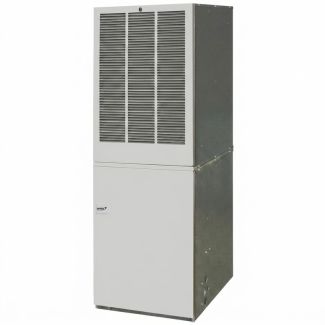
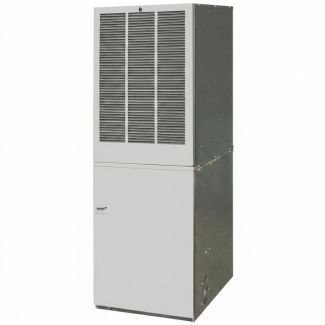
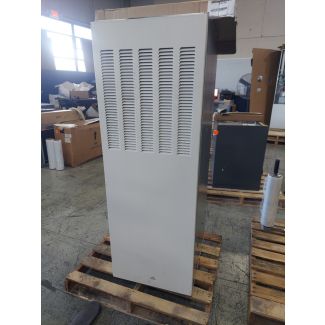

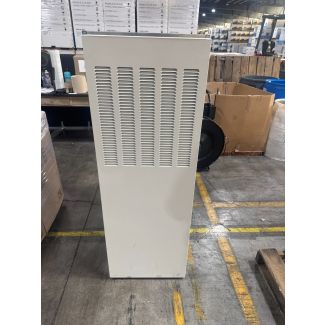
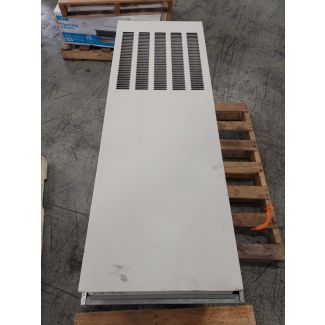
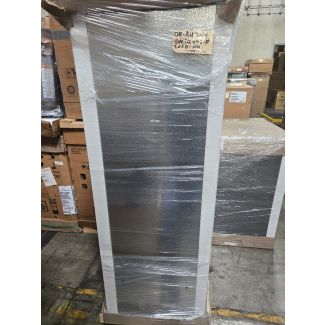
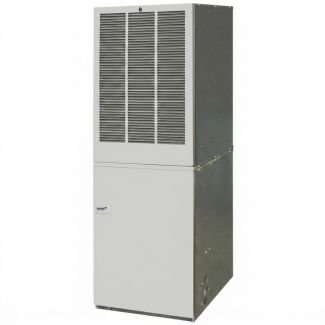
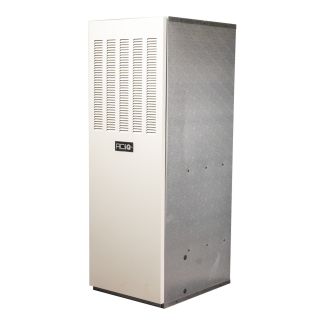
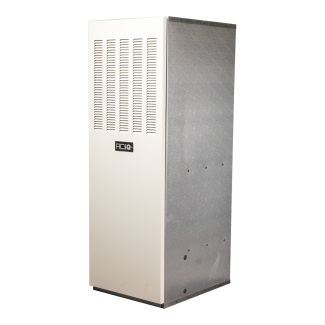
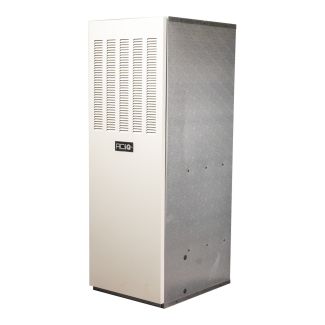
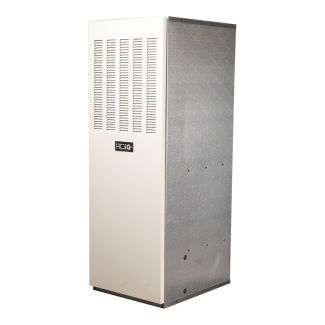
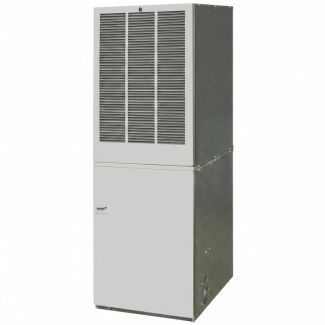
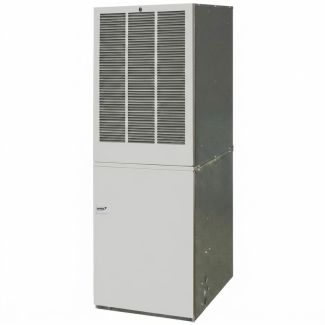
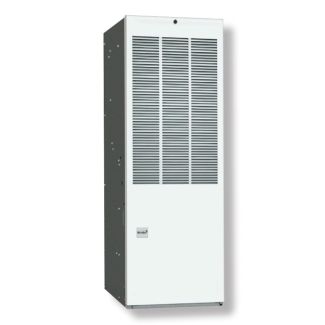
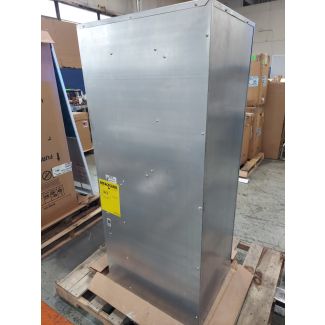
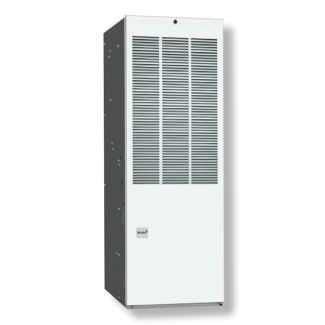


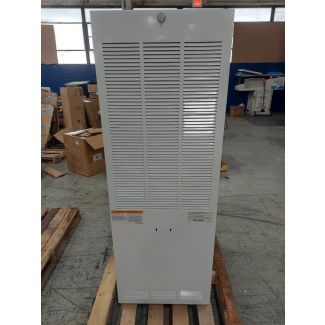
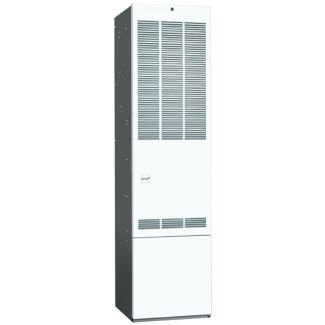
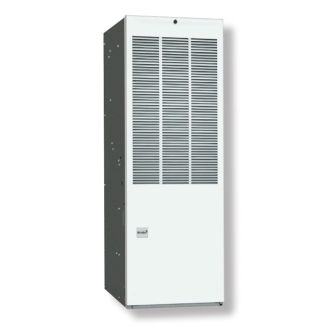
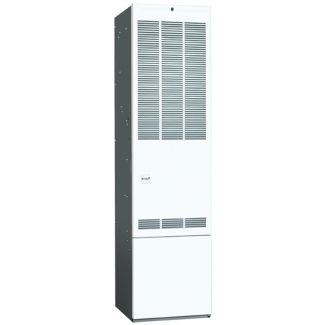
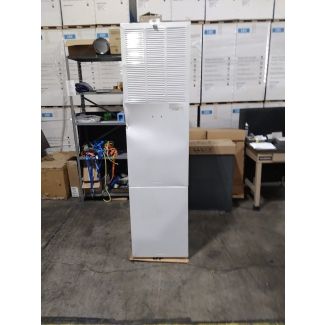
A mobile home furnace is a heating system specifically designed and certified for use in manufactured and mobile homes. Unlike standard residential furnaces, mobile home furnaces are engineered to fit smaller furnace closets, accommodate unique airflow requirements, and comply with HUD regulations that govern manufactured housing.
Mobile home furnaces work by heating air and distributing it through the home's ductwork using a blower motor. Depending on the model, the heat source may be natural gas, propane, electricity, or heating oil. The warmed air travels through supply ducts beneath the home and into living spaces, while cooler air returns to the furnace through return-air openings to be reheated and recirculated.
A mobile home furnace is a heating system specifically designed and certified for use in manufactured and mobile homes. Unlike standard residential furnaces, mobile home furnaces are engineered to fit smaller furnace closets, accommodate unique airflow requirements, and comply with HUD regulations that govern manufactured housing.
Mobile home furnaces work by heating air and distributing it through the home's ductwork using a blower motor. Depending on the model, the heat source may be natural gas, propane, electricity, or heating oil. The warmed air travels through supply ducts beneath the home and into living spaces, while cooler air returns to the furnace through return-air openings to be reheated and recirculated.

Mobile home furnaces remain one of the most common heating solutions for manufactured housing because they are specifically designed around the unique heating, airflow, and space requirements of these homes. From reliable heating performance to flexible fuel options, these systems offer several advantages for homeowners looking to maintain year-round comfort.
While mobile home furnaces offer numerous advantages, selecting the correct fuel type, heating capacity, and furnace configuration remains essential for maximizing comfort and efficiency. A properly sized furnace can improve comfort while helping manage long-term operating costs.
Mobile home furnaces are available in multiple capacities and configurations to accommodate a wide range of manufactured housing layouts, including single-, double-, and triple-wide homes. Whether you're replacing an older heating system or installing equipment in a newer manufactured home, mobile home furnaces can provide dependable central heating.
Although mobile home furnaces can work in a wide variety of manufactured housing applications, performance depends on factors such as insulation quality, duct leakage, climate, and equipment sizing. A professional heat-loss calculation remains the most accurate way to determine heating requirements.
Popular BTU sizes range from approximately 30,000 BTU to 90,000 BTU, including electric, gas, and oil-fired options. Below are the common BTU sizes and the proper sizes they heat:
An oversized furnace may short-cycle and reduce efficiency, while an undersized furnace can struggle to maintain comfortable temperatures during colder weather. Make sure to properly size your unit before purchase.
Choosing the correct furnace type is just as important as selecting the proper heating capacity, and the type you need depends on your fuel options and space. Mobile home furnaces are available in several fuel configurations designed to work with different utility services and installation requirements.
The best furnace type depends on available utilities, existing equipment, climate, and long-term operating costs. Matching the replacement furnace to the home's current fuel source is often the simplest and most cost-effective approach.
When comparing mobile home furnaces, several key features like your existing fuel type, heat capacity needs, and furnace configuration directly impact comfort, installation compatibility, and long-term satisfaction. Paying attention to these specifications can help avoid costly installation problems later.
Before purchasing, also verify electrical requirements, thermostat compatibility, available heating capacity, and overall cabinet dimensions. These considerations often determine whether the installation proceeds smoothly.
Beyond basic sizing and configuration, several additional considerations, such as energy efficiency and warranty availability, can influence furnace performance, operating costs, and installation success. Reviewing these factors in advance can help homeowners make a more informed decision.
Of these factors, system compatibility and installation requirements should carry the most weight because they directly determine whether the furnace can be installed and operate correctly. Efficiency can significantly affect long-term operating costs, while warranty coverage is an important but more secondary consideration when comparing otherwise suitable models.
HVACDirect.com offers mobile home furnaces from several respected manufacturers known for dependable performance and designs tailored to manufactured housing applications, including ACiQ, Style Crest-Revolv, and Thermo Pride.
The best furnace brand depends on your fuel type, budget, efficiency goals, and installation requirements. ACiQ excels in electric heating, Style Crest-Revolv offers the broadest mobile-home-specific lineup, and Thermo Pride remains a trusted choice for oil-fired heating applications.
Mobile home furnace pricing varies based on fuel type, heating capacity, efficiency level, and installation complexity. Buyers should consider both the equipment cost and the long-term expenses associated with ownership.
While equipment price is important, total ownership cost also includes efficiency, maintenance, operating expenses, and expected lifespan. A slightly higher upfront investment may reduce long-term heating costs over the life of the system. Also consider the cost of the necessary permits for a mobile home furnace replacement, which typically cost between $50 and $300+.
HVACDirect.com combines specialized mobile home HVAC expertise, recognized brands, competitive pricing, and nationwide product availability. These advantages help homeowners confidently purchase the correct furnace for their manufactured home.
HVACDirect.com combines product selection, educational resources, competitive pricing, and expert support to help mobile homeowners find dependable heating solutions that fit their budgets and comfort needs.
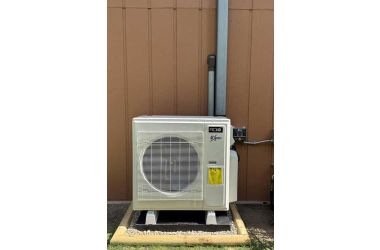

Most mobile home furnaces last approximately 15 to 20 years when properly maintained. Electric furnaces may sometimes operate for 20 to 30 years because they contain fewer moving parts and no combustion system. Factors such as maintenance, installation quality, usage patterns, and climate all influence lifespan. Annual service and regular filter replacements can help maximize equipment longevity.
Frequent breakdowns, rising energy bills, uneven heating, and expensive repair estimates are common signs that replacement may be necessary. Furnaces approaching 15 to 20 years of age are often less efficient and more prone to major failures. Cracked heat exchangers, corrosion, and obsolete components may also justify replacement. A qualified HVAC technician can evaluate whether repair or replacement is the better long-term investment.
While some experienced homeowners may have mechanical skills, professional installation is strongly recommended. Mobile home furnaces involve electrical connections, fuel lines, venting systems, airflow requirements, and safety considerations. Improper installation can reduce efficiency, create safety hazards, and potentially void warranty coverage. Local codes may also require licensed installation.
Most manufacturers recommend professional service at least once per year before the heating season begins. Annual maintenance typically includes inspecting burners, checking electrical components, verifying airflow, cleaning critical parts, and testing safety controls. Regular service helps maintain efficiency and reliability. It can also identify minor issues before they become major repairs.
Most furnace filters should be inspected monthly and replaced every 30 to 90 days, depending on filter type and operating conditions. Homes with pets, high dust levels, or allergy concerns may require more frequent replacement. Dirty filters restrict airflow and can negatively affect efficiency. Keeping filters clean is one of the simplest ways to protect furnace performance.
Filter size varies by manufacturer and model. Common mobile home furnace filter sizes include 16×20 inches, 16×25 inches, and other dimensions depending on cabinet design. Always verify the exact filter size specified by the manufacturer or printed on the existing filter. Using the correct filter size helps maintain proper airflow and system performance.
In most cases, no. Mobile home furnaces are specifically designed and certified for manufactured housing applications. Standard residential furnaces generally do not meet HUD requirements or accommodate the airflow characteristics of mobile home duct systems. Always use equipment approved for manufactured-home installation.
Permit requirements vary by state, county, and municipality, but often range between $50 to $300+. Many jurisdictions require permits for furnace replacement projects involving fuel lines, venting systems, electrical work, or major equipment changes. Permits help ensure installations meet local building and safety codes. Your HVAC contractor can usually determine applicable requirements.
Several issues may cause a furnace to blow cold air, including thermostat problems, dirty filters, ignition failures, tripped safety switches, or blower malfunctions. Heat pumps paired with electric furnaces may also occasionally deliver cooler air during certain operating modes. Some causes are minor, while others require professional diagnosis. Annual maintenance can often prevent many of these issues.
The furnace's data plate usually contains a serial number and manufacturing date. In many cases, the serial number allows the manufacturer or HVAC professional to determine the production year. Age information may also appear on installation paperwork or warranty documentation. Knowing the furnace's age helps evaluate replacement timing, parts availability, and overall system condition.



