Your cookie preferences
We use cookies to remember your preferences and understand how shoppers use our site, helping us improve your shopping experience.
Read our privacy policyFind high efficiency Wood Stoves & Inserts, Pellet Stoves, Gas Stoves, Wood Cook Stoves, from industry leading brads like Osburn, Drolet, Buck Stove, Empire & more at the lowest prices online - guaranteed!
Shop Heating Stoves
Shop Heating Stoves
Shop Top Brands
A heating stove is a freestanding appliance designed to generate and radiate heat throughout a room or living space. Unlike central heating systems that distribute warm air through ductwork, heating stoves produce heat directly where they are installed and rely on radiant heat, convection, or a combination of both to warm surrounding areas.
Heating stoves work by burning a fuel source such as wood, pellets, natural gas, or propane inside a sealed combustion chamber. The heat generated by the combustion process is transferred through the stove body and released into the room, while exhaust gases are vented through a chimney or approved venting system. Many modern heating stoves also include blower fans, advanced combustion systems, and air controls that improve heat output, efficiency, and fuel consumption.
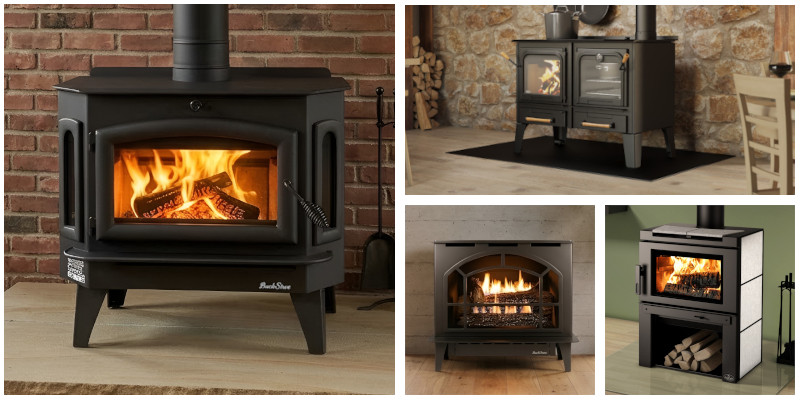



A heating stove is a freestanding appliance designed to generate and radiate heat throughout a room or living space. Unlike central heating systems that distribute warm air through ductwork, heating stoves produce heat directly where they are installed and rely on radiant heat, convection, or a combination of both to warm surrounding areas.
Heating stoves work by burning a fuel source such as wood, pellets, natural gas, or propane inside a sealed combustion chamber. The heat generated by the combustion process is transferred through the stove body and released into the room, while exhaust gases are vented through a chimney or approved venting system. Many modern heating stoves also include blower fans, advanced combustion systems, and air controls that improve heat output, efficiency, and fuel consumption.
Heating stoves have remained popular for generations because they combine dependable performance with cost-effective operation. In many homes, they provide efficient zone heating while reducing dependence on central heating systems. Here are some of the biggest advantages homeowners enjoy when using a heating stove.
Energy Efficiency: Ventless gas heating stoves achieve a 99.9% efficiency rating, whereas direct vent gas stoves range from 55% to 75% AFUE, and modern EPA-certified wood burning stoves generally operate between 60% and 90% efficiency. Advanced combustion technologies help reduce wasted energy while improving overall heating performance. Whether you choose a wood, pellet, or gas stove, higher efficiency ratings can translate into less fuel consumption and lower operating costs throughout the heating season.
Primary and Supplemental Heating: Many heating stoves are powerful enough to serve as a home's primary heat source, particularly in well-insulated homes, cabins, and smaller residences, with BTUs ranging from 10,000 to 110,000. Larger models can heat several rooms or even entire homes when properly sized. Heating stoves are also commonly used as supplemental heating systems. By heating occupied areas directly, homeowners can reduce reliance on their central HVAC equipment.
Lower Heating Costs: Wood-burning and pellet stoves often provide a lower-cost heating alternative compared to electric resistance heating and some fossil fuel systems. Using locally available fuel sources can further reduce seasonal heating expenses. Many homeowners find that strategic use of a heating stove helps decrease monthly utility bills while maintaining comfortable indoor temperatures.
Zoned Heating: A heating stove allows you to focus warmth where it's needed most. Instead of heating an entire house through central ductwork, a stove can concentrate heat in frequently occupied spaces such as living rooms, family rooms, or great rooms. This targeted heating approach can improve comfort while reducing unnecessary energy consumption in unused areas of the home.
Backup Heat During Power Outages: Certain wood and gas stoves can continue producing heat when electrical service is interrupted. This makes them valuable emergency heating appliances during winter storms and extended power outages. Having a dependable backup heat source provides peace of mind in areas prone to severe weather or unreliable utility service.
Proper sizing, fuel selection, and installation are essential for maximizing these benefits. A heating stove that matches your home's heating requirements will provide better comfort, improved efficiency, and lower long-term operating costs.
While most people think of them primarily as room heaters, many models offer additional functionality, such as cooking and creating a cozy atmosphere, beyond simply warming a space. Heating stoves are incredibly versatile appliances that serve a variety of residential and recreational heating needs.
Cooking: Wood cook stoves feature integrated cooktops and, in some cases, built-in ovens that allow food preparation without electricity. These models are especially popular in rural and off-grid settings where cooking and heating can be accomplished using a single appliance. Even standard wood stoves often provide enough surface heat to warm water, cook simple meals, or keep food warm during power outages.
Home and Room Heating: One of the most common uses for a heating stove is maintaining comfortable temperatures throughout living spaces. Properly sized models can heat everything from a single room to an entire home. Their direct heat delivery often creates a warm, comfortable environment that many homeowners prefer over forced-air heating.
Emergency Heating: Heating stoves provide dependable backup heat during electrical outages, winter storms, and heating system failures. Wood-burning stoves in particular can often operate independently of electrical power. This emergency capability can help prevent frozen pipes and maintain safe indoor temperatures during prolonged outages.
Zone Heating: Many homeowners install heating stoves specifically to heat high-use areas without running the entire central heating system. Family rooms, great rooms, and basements are common zone-heating locations. By concentrating heat where people spend the most time, a stove can improve comfort while reducing overall energy consumption.
Off-Grid Heating: Heating stoves are a popular choice for cabins, hunting lodges, tiny homes, and remote properties where utility access may be limited. Wood and pellet stoves provide reliable heating using readily available fuel sources. This independence makes them ideal for homeowners seeking energy resilience and self-sufficiency.
Ambiance and Atmosphere: Beyond their heating capabilities, heating stoves create a cozy atmosphere with visible flames and radiant warmth. Many homeowners value the aesthetic appeal as much as the heat output. The comfort and visual appeal of a stove can transform a room into a welcoming gathering space during colder months.
Understanding how you plan to use your heating stove can help narrow your selection, ensuring you choose an appliance that not only fits your lifestyle but also maximizes your home's resale value and long-term heating ROI.
Heating stoves can be installed in a wide variety of residential and recreational spaces. Choosing the right installation location helps maximize heat distribution, comfort, and overall stove performance.
Garages: Heating stoves can provide supplemental heat for workspaces, hobby areas, and detached garages. This makes it easier to work comfortably during cold weather while protecting tools and equipment from freezing temperatures. Proper clearances and local code compliance are especially important when installing heating appliances in garages.
Living Rooms: Living rooms are among the most popular locations for heating stoves because they are often the most frequently occupied spaces in a home. The stove can serve as both a heat source and architectural focal point. Radiant heat helps create a warm, inviting environment where families gather throughout the winter.
Small Homes: Many heating stoves can serve as a primary heat source for smaller homes and compact floorplans. Open layouts often allow heat to circulate effectively throughout the structure. A properly sized stove may reduce or eliminate the need for supplemental heating during much of the heating season.
Basements: Installing a heating stove in a basement can help combat naturally cooler temperatures and improve comfort throughout the home. Warm air generated in the basement often rises into upper living areas. Basement installations can also free up valuable floor space in primary living rooms.
Cabins: Cabins are ideal candidates for heating stoves due to their compact layouts and rural locations. Wood and pellet stoves are particularly common in seasonal and vacation properties where electricity might not be available. Their ability to produce substantial heat quickly makes them well-suited for intermittent occupancy.
Farmhouses: Large farmhouses often benefit from the supplemental or primary heating capabilities of a stove since some cabins and farmhouses do not have a central HVAC system. Rural properties may also have easier access to wood fuel supplies. Many homeowners appreciate the traditional appearance and dependable performance heating stoves provide.
Space size, insulation quality, ceiling height, and floorplan layout all affect stove performance. Always verify the stove's heating capacity and installation requirements before selecting a model for a specific space.
The type of heating stove you need depends on your choice of fuel, whether automated pellets, traditional wood, or convenient gas, and whether your space is best suited for a freestanding layout, a cast iron heat-retaining frame, or a dual-purpose wood cook stove. Understanding the strengths of each option can help you choose a model that best matches your comfort goals, fuel availability, and lifestyle preferences.
Pellet Stoves: Pellet stoves burn compressed wood pellets and typically offer automated fuel feeding systems for convenient operation. Many models feature programmable controls and consistent heat output. They combine renewable fuel usage with improved convenience compared to traditional wood-burning appliances. An example is the Maverick Pellet Stove from Breckwell.
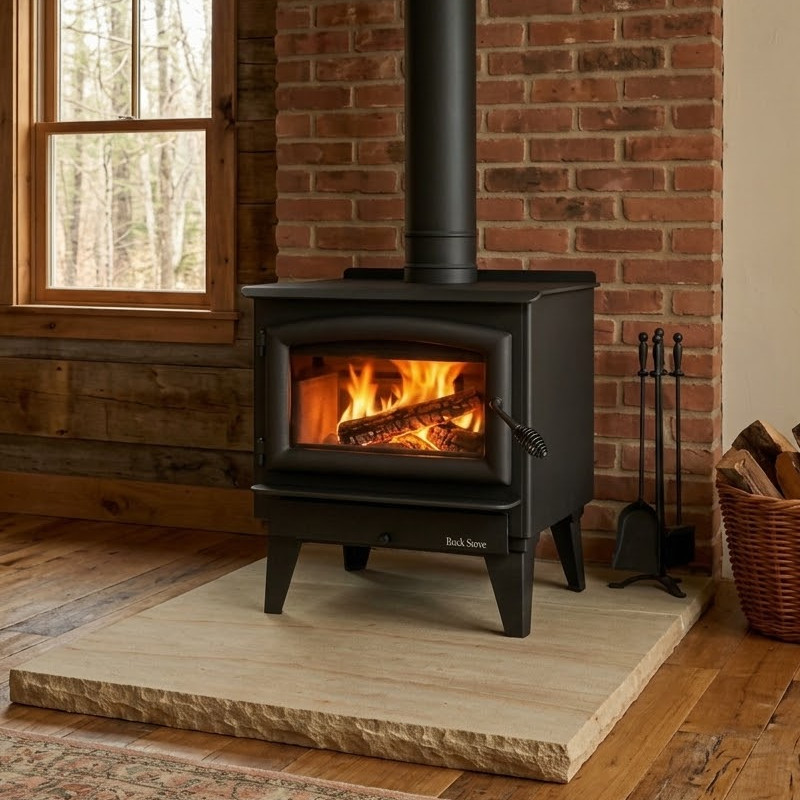
Wood Stoves: Wood stoves remain one of the most popular heating stove options available today. They provide powerful heat output and can continue operating during power outages. Homeowners with access to affordable firewood often appreciate the long-term fuel savings wood stoves can provide. A bestseller includes the SW2.0 Pedestal Stove from Breckwell.
Cast Iron Stoves: Cast iron stoves are known for exceptional durability and superior heat retention. Once heated, the cast iron structure continues releasing warmth even after the fire begins to die down. Many homeowners also prefer their classic appearance and timeless styling. A popular example is the Empire DVP30CC.
Freestanding Stoves: Freestanding stoves can be installed in a variety of locations and often serve as the centerpiece of a room. Their exposed design maximizes radiant heat transfer while allowing flexible placement options. These stoves are available in wood, pellet, gas, and multi-fuel configurations. The Breckwell SW1.2 is a popular model.
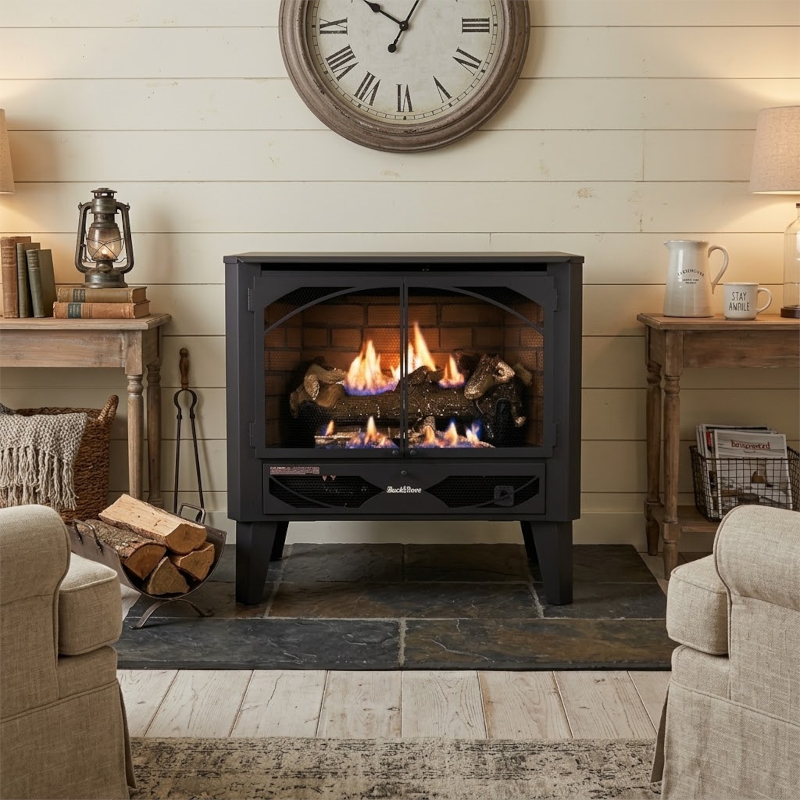
Gas Stoves: Gas heating stoves offer convenient operation with instant ignition and adjustable heat output. Natural gas and propane models provide consistent warmth without storing or handling solid fuels. Many models also feature realistic flame presentations that enhance room ambiance. An example is the Breckwell BH32VF.
Wood Cook Stoves: Wood cook stoves combine space heating and food preparation in a single appliance. Integrated cooktops and baking compartments make them popular for off-grid living and emergency preparedness. These versatile units provide practical heating while offering unique cooking capabilities. A popular model is the Buck Stove Homesteader.
Your ideal stove depends on fuel availability, heating needs, maintenance preferences, and installation requirements. Comparing fuel costs, venting requirements, and heat output capacities will help you decide between available systems.
Modern heating stoves incorporate numerous features that affect comfort, efficiency, convenience, and maintenance requirements. Understanding these options can help you identify the most important capabilities for your application.
Blower Fan: A blower fan helps distribute heated air farther throughout the room and can improve overall heat circulation. This often results in more even temperatures and faster room heating. Blowers are especially beneficial in larger spaces where natural convection alone may not provide sufficient airflow. If the fan has variable speed technology, it can help balance room temperatures and improve overall heating efficiency by pushing heat off the stove surfaces faster than natural convection.
Close Clearances: Certain stove models are designed with reduced clearance requirements, allowing installation closer to walls and surrounding materials. This can simplify placement in smaller rooms or tighter floorplans. Always follow manufacturer clearance specifications and local building codes.
Air Wash System: Air wash systems direct controlled airflow across viewing glass surfaces to reduce soot and residue buildup. This helps maintain a clearer view of the fire while reducing cleaning frequency. The result is improved aesthetics and easier routine maintenance.
Adjustable Air Control: Adjustable air controls allow users to regulate combustion intensity and heat output. Increasing or reducing airflow affects burn rate, efficiency, and fuel consumption. This flexibility makes it easier to balance comfort and operating costs.
Catalytic or Non-Catalytic Combustion: Advanced combustion systems improve efficiency while reducing emissions. Catalytic stoves utilize catalysts to burn additional smoke particles, while non-catalytic systems rely on engineered airflow designs. Both technologies can significantly improve performance compared to older stove designs.
Removable Ash Pan: A removable ash pan simplifies routine cleaning and maintenance tasks. Instead of manually scooping ash from the firebox, users can safely remove accumulated ash more efficiently.
This convenience can help encourage regular maintenance and improve user experience. While feature selection is important, buyers should also consider maintenance requirements, fuel availability, venting compatibility, and long-term ownership costs before making a purchase.
Beyond stove type and features, several practical considerations can influence performance, installation complexity, and comfort. Evaluating these factors before purchase can help avoid costly mistakes.
Heating Capacity: Heating capacity determines how much square footage a stove can comfortably heat, typically ranging from 10,000 to 110,000 BTU. Choosing an appropriately sized model helps ensure adequate comfort during the coldest winter conditions. Oversized and undersized stoves can both create performance challenges and inefficiencies.
Chimney and Venting Requirements: Different heating stove types require specific venting systems to operate safely and efficiently. Wood stoves generally require chimney systems, while gas and pellet models may use specialized venting options. Always verify venting requirements before selecting a stove model.
Stove Dimensions: Physical dimensions affect where a stove can be installed and how much floor space it occupies. Room layout, clearances, and traffic flow should all be considered during planning. Carefully review installation specifications before purchasing.
Fuel Type: Wood, pellets, natural gas, and propane each offer unique benefits and operational considerations. Fuel availability, storage requirements, and long-term costs can vary significantly. Choosing the right fuel source can greatly impact ownership satisfaction and annual heating expenses.
Considering these factors ensures your new stove meets your daily expectations. If you prioritize convenience, look into modern automated models. Many newer gas and pellet stoves sync directly with smart home thermostats. This allows you to control your zone heating completely from your phone.
Several respected manufacturers, such as Buck Stove and Osborn, produce high-quality heating stoves designed for a variety of applications. Each brand offers unique strengths ranging from traditional wood-burning craftsmanship to advanced pellet and gas technologies. Here are a few of the top ones in the industry to consider:
Buck Stove: Buck Stove is known for its long-standing reputation in wood-burning and gas heating products. The company offers a broad selection of heating solutions designed for both supplemental and primary heating applications, including the Buck Stove Homesteader.
Osburn: Osburn specializes in efficient wood stoves engineered for high-performance residential heating. Many homeowners appreciate the brand's focus on EPA-compliant combustion technology and modern styling, including the popular Osburn 1700.
Empire: Empire manufactures gas heating stoves that combine dependable performance with attractive flame presentations. Their products are popular among homeowners seeking convenience and supplemental heat, especially their Gateway and Archway series.
Drolet: Drolet has earned a strong reputation for producing affordable, high-efficiency wood stoves. The brand offers a wide range of heating capacities suitable for various home sizes and climates.
Breckwell: Breckwell is recognized for pellet heating products that emphasize efficiency, ease of use, and reliable performance. Their stoves often appeal to homeowners seeking automated fuel delivery and consistent heat output, including the SW2.0 model.
Vermont Stove: Vermont Stove products are valued for traditional aesthetics and durable construction. These stoves provide classic appearance while delivering the dependable performance homeowners expect from modern heating equipment, especially the Vermont Castings series.
No single brand is right for every home. The best choice depends on your fuel preference, heating requirements, budget, efficiency goals, and installation constraints.
These systems currently cost between $960 and $6,000+ for equipment, with installation expenses, fuel consumption, and ongoing maintenance requirements also contributing to overall cost. HVACDirect.com prices are subject to change.
Stove Cost: $960 to $6,000+, depending on fuel type, heating capacity, and construction materials. Advanced combustion systems, decorative finishes, and larger heating capacities generally increase purchase prices.
Installation Costs: $300 to $2,500, depending on venting requirements, chimney construction, hearth protection, and local labor rates. New installations typically cost more than replacements using existing infrastructure.
Fuel Costs: $100 to $300, depending on fuel type, local pricing, climate conditions, and heating demand. Wood, pellets, propane, and natural gas each present different operating cost profiles. Comparing long-term fuel availability can help homeowners make a more informed decision.
Operation and Maintenance Costs: $50 to $300 for routine maintenance, which may include chimney cleaning, ash removal, gasket replacement, catalyst servicing, and periodic inspections. These costs are generally modest but should be considered when evaluating lifetime ownership expenses. Proper maintenance helps preserve efficiency, safety, and equipment longevity.
In addition to equipment and fuel costs, homeowners should also budget between $50 and $500 for the permits necessary for installation.
HVACDirect.com provides numerous advantages that help homeowners make informed purchasing decisions, including a wide selection of brands, expert support teams, competitive pricing, financing options, and warehouses across the country for fast shipping.
Technical Support: HVACDirect.com provides knowledgeable support to help customers navigate product selection, sizing considerations, and installation requirements. Access to technical expertise can simplify the buying process.
Excellent Customer Service: Responsive customer service helps ensure a smoother purchasing experience from product selection through delivery. Assistance is available to answer questions and resolve concerns quickly.
Fast Lead Times: Many products are shipped quickly to help homeowners complete projects without unnecessary delays due to warehouses located across the U.S. Fast fulfillment is particularly important during the heating season and shipping is offered nationwide, except Alaska and Hawaii.
Free Shipping: Free shipping on qualifying products can lower overall project costs. This added value helps homeowners maximize their investment.
110% Price Guarantee: A 110% Lowest Price Guarantee is competitive pricing that beats an authorized competitor's total price on an identical, in-stock item by 10% of the price difference. The total price comparison includes item cost, shipping, and sales tax. Price protection programs further reinforce purchasing confidence.
Contractor Focused: HVACDirect.com serves both homeowners and professional contractors, offering products and information that support successful installations. This expertise helps customers make well-informed purchasing decisions.
Whether you're replacing an existing stove or planning a new installation, HVACDirect.com provides product selection, technical resources, competitive pricing, and customer support to help simplify the process.

Pellet stoves and advanced EPA-certified wood stoves are typically among the most efficient heating stove options available, with efficiency ratings from between 70% and 90%. Modern catalytic and non-catalytic combustion systems significantly improve fuel utilization compared to older designs. Efficiency varies by model, fuel quality, installation quality, and operating practices.
Yes, many heating stoves can heat an entire house when properly sized for the home's square footage and insulation levels. Larger wood, pellet, and gas models are often capable of serving as primary heating systems. Open floorplans generally experience better heat distribution than compartmentalized layouts.
Heating stoves can be purchased from specialized heating appliance retailers, fireplace dealers, and online stores such as HVACDirect.com. Online retailers often provide access to a wider product selection and detailed product specifications. Always verify compatibility, installation requirements, and warranty coverage before purchasing.
Heat-powered fans use the stove's surface temperature to generate electricity through thermoelectric technology. As the stove heats up, the fan automatically begins circulating warm air throughout the room. No batteries or external power source are typically required.
Yes, heating stoves are specifically designed for indoor use when installed according to manufacturer requirements and local building codes. Proper venting, clearances, and combustion air provisions are critical for safe operation. Always follow installation instructions carefully.
Certain heating stoves, particularly wood cook stoves, are specifically designed for cooking applications. Even standard wood stoves can sometimes be used for warming food or boiling water. Only use cooking surfaces according to manufacturer recommendations.
Many wood-burning heating stoves require a properly sized chimney system to safely vent combustion gases. Pellet and gas stoves may use specialized venting systems instead of traditional masonry chimneys. Venting requirements vary by stove type and fuel source.
Most heating stoves require some form of venting to safely remove combustion byproducts. Venting may occur through a chimney, direct vent system, pellet vent, or other approved configuration. Always consult local codes and manufacturer specifications.
Some heating stoves are specifically approved for mobile home installations. These models typically require additional safety features, anchoring methods, and outside combustion air connections. Always confirm mobile home approval before purchasing. Popular models include the Buck Stove FS21 and Breckwell SW500 Wood Burning Stove.
The appropriate stove size depends on square footage, insulation quality, ceiling height, climate, and floorplan layout. A well-insulated 1,000-square-foot home may require significantly less heating capacity than a poorly insulated 2,000-square-foot home. Manufacturer heating-capacity ratings should always be used as the primary sizing reference.
Yes, wood cook stoves commonly feature integrated cooktops and may include full baking ovens. These multi-purpose appliances are popular in homesteads, cabins, and off-grid applications. They combine heating and cooking capabilities in a single unit.
Blower fans can improve heat distribution by moving warm air farther throughout a room or home. This often results in more even temperatures and faster heating performance. While not always necessary, many homeowners find blower-equipped stoves more effective in larger spaces.
Neither material is universally better, as each offers advantages. Cast iron retains heat longer and provides classic styling, while steel typically heats up faster and may cost less. The best choice depends on your heating preferences and budget.
Yes, freestanding heating stoves are standalone appliances installed on a hearth or approved floor protection system. Fireplace inserts are designed to fit inside an existing masonry or factory-built fireplace opening. Both provide efficient heat, but installation requirements differ significantly.



