Your cookie preferences
We use cookies to remember your preferences and understand how shoppers use our site, helping us improve your shopping experience.
Read our privacy policy
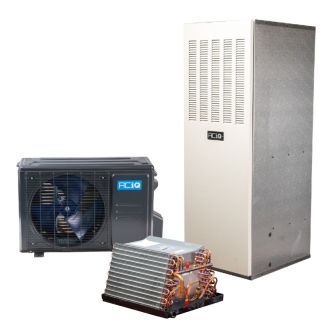


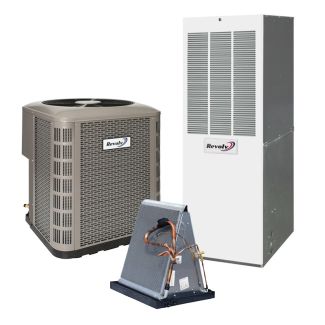

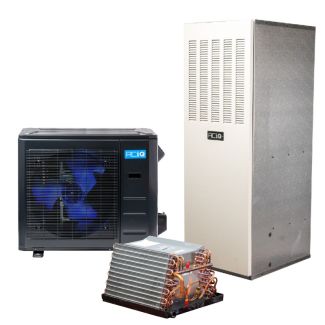
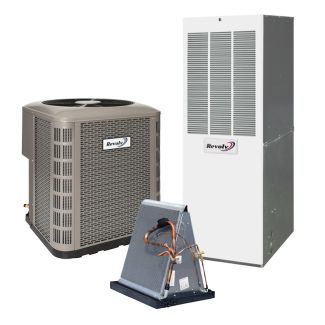

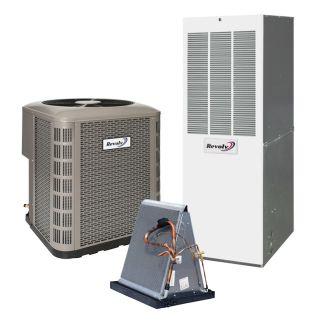
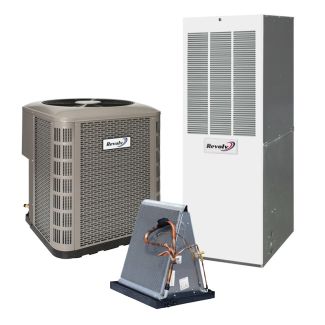


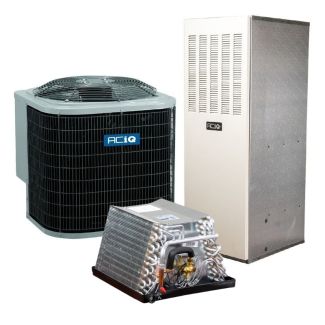
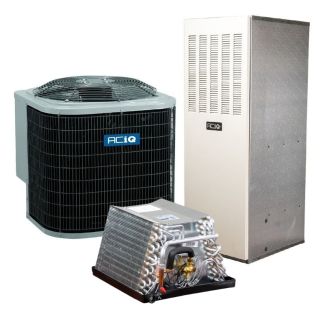
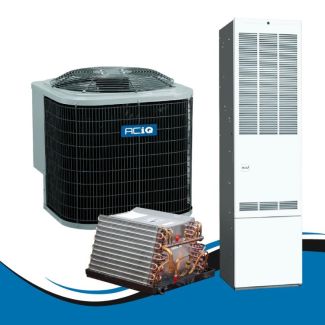

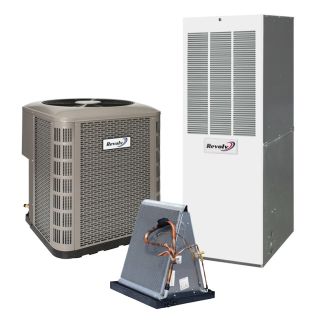
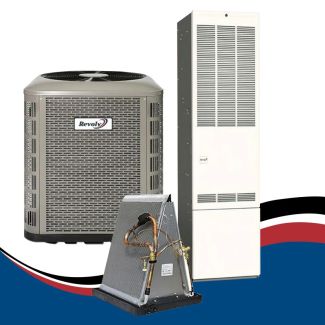
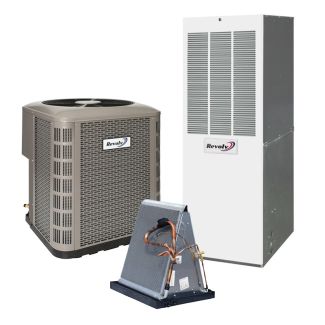
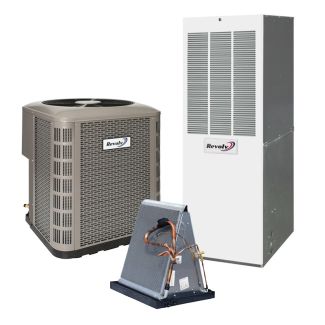


A mobile home heat pump system is a compact, HUD-compliant HVAC unit that heats and cools by transferring heat rather than generating it. This kind of heat pump system is typically paired with a backup furnace for extremely cold temperatures or climates.
Specially engineered for compact spaces, these systems move heat from indoors to outdoors in summer and reverse the process in winter, pulling warmth from outdoor air into the home. The heat pump itself operates on electricity, but mobile home systems can be configured as all-electric systems with electric backup heat or as dual-fuel systems that pair the electric heat pump with a gas or propane furnace.
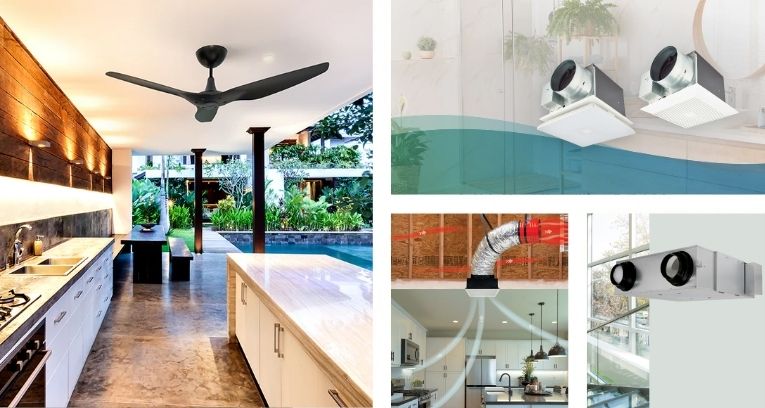
A mobile home heat pump system is a compact, HUD-compliant HVAC unit that heats and cools by transferring heat rather than generating it. This kind of heat pump system is typically paired with a backup furnace for extremely cold temperatures or climates.
Specially engineered for compact spaces, these systems move heat from indoors to outdoors in summer and reverse the process in winter, pulling warmth from outdoor air into the home. The heat pump itself operates on electricity, but mobile home systems can be configured as all-electric systems with electric backup heat or as dual-fuel systems that pair the electric heat pump with a gas or propane furnace.

A heat pump is the right choice for most mobile homes in moderate climates (above 30°F winter lows) that need both heating and cooling from a single, energy-efficient unit. Here are the top motivations for choosing a heat pump system:
A standard heat pump system may not be suitable for your manufactured home if you live in a region with extremely cold, prolonged winter weather. However, you can purchase a cold-weather heat pump, such as ACiQ’s Extreme series, designed to deliver heat in temperatures as low as -22°F.
Every mobile home type benefits from a heat pump system, from 2-ton units in single-wides to 5-ton systems in multi-section homes.
Another reason that a mobile home heat pump system is a suitable choice for manufactured or modular homes in particular is that they are specifically designed to comply with the U.S. Department of Housing and Urban Development (HUD) regulations, which mandate certain constraints and safeguards due to high static pressure and other characteristics unique to mobile homes.
The types of heat pump systems vary by energy source, efficiency, cost of operation, and technology. The right type depends primarily on your climate: mild regions can rely on a standard heat pump, while regions below 30°F need a gas-furnace or cold-climate system.
The geographic region you live in will likely affect your choice of heat pump system as well. Because standard heat pumps can only deliver reliable heat down to 30°F, mobile homeowners living in northern regions of the United States, where harsh winters are a norm, would likely require either a gas furnace and heat pump system or a cold-climate heat pump system.
Among the most important features in these systems are system tonnage (2–5 tons), fuel-type compatibility, and mobile-home-rated equipment:
Although it’s most common to simply match the tonnage and BTU capacity, energy source, and setup of your new system to match whatever your current system has, there are certain situations in which you may need a professional opinion from an HVAC expert. You can consult a licensed HVAC contractor or simply contact HVACDirect.com’s knowledgeable customer service team for reliable assistance.
In addition to determining the proper capacity, fuel source, and suitability for mobile home use, you should also compare and contrast features of secondary importance, such as inverter technology and warranty coverage, between different heat pump systems:
While there is no right or wrong when it comes to most of these preferences, your budget will certainly play a role in making your decision. If your budget is tight, prioritize AHRI-matched components and warranty length over inverter technology, since those affect reliability more directly.
Only a handful of HVAC brands manufacture mobile-home-rated heat pumps. ACiQ, Goodman, and Style Crest Revolv are three top options at HVACDirect.com.
Each of these brands makes mobile home heat pumps for different setups, so be sure to choose the combination that best matches your existing capacity, fuel source, and ductwork.
Installing a full heat pump system for a mobile home usually costs between $4,800 and $11,000, including equipment and professional installation. It’s important to note that these are price estimates and can often fluctuate. Here is a breakdown of what to expect:
Another factor to keep in mind is that you may be able to take advantage of state or local rebates for installing a heat pump system in your mobile home, depending on your state of residence. Check your state energy office's website or ENERGY STAR's rebate finder to see if you qualify, as incentives can offset several hundred dollars of the upfront cost.
With a 4.8/5 customer satisfaction rating, HVACDirect.com is a one-stop shop for mobile home HVAC applications that saves customers time, money, and frustration throughout the process.
If you’re considering purchasing from an online retailer, it’s important to choose one that specializes in HVAC equipment specifically, as buying from a generic retailer can cause problems like mismatched or improperly sized equipment. With decades of experience in the HVAC industry, HVACDirect.com’s customer support team can help you select and confirm compatible equipment before you buy.
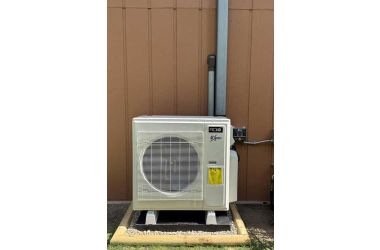
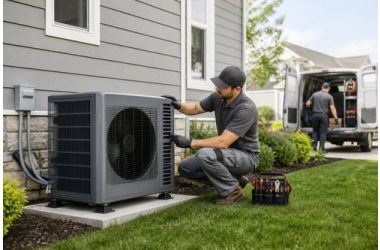
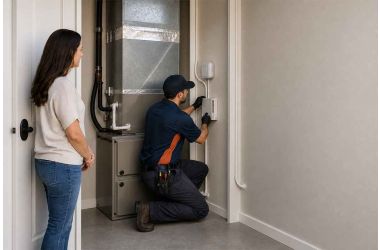
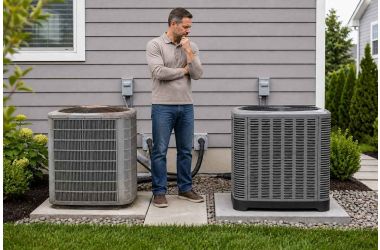

Standard mobile home heat pump systems generally last for 15 to 20 years, as long as they receive regular maintenance. Constant operation throughout the year and exposure to harsh outdoor elements, like rain, snow, extreme heat, and freezing temperatures, wears the heat pump condenser down over time. In most cases, it’s best to start thinking about replacing your system once it’s more than 10 years old and isn’t performing well or is breaking down often.
Yes, these systems must be installed by certified professional HVAC technicians due to legal regulations on handling refrigerants. In addition, mobile home HVAC applications pose unique challenges such as high static pressure and compact spaces, so allowing experienced professionals to handle your system’s setup is much preferred.
Yes, installing a heat pump designed for a manufactured or modular home typically requires mechanical and electrical permits. Additionally, the equipment itself must be explicitly labeled as approved for manufactured housing to abide by HUD codes.
Yes, a mobile home heat pump can be compatible with your current gas or electric furnace, depending on your HVAC system’s setup and climate. If you have a compatible gas furnace in your mobile home, you can pair it with what’s called an add-on heat pump to make it a dual fuel or hybrid HVAC system. With this configuration, the heat pump delivers heat in mildly cold weather and the furnace takes over automatically to provide auxiliary backup heat when temperatures are below freezing. If you have an electric resistance furnace in your mobile home, you can add a matched indoor evaporator coil or alternately use a compatible air handler with integrated electric heat strips. Before considering either of these options, it’s essential to keep in mind the age of your current furnace. A retrofit of your current furnace is only recommended if your existing furnace is less than 10 years old and in proper working condition. Your furnace and selected heat pump must also be AHRI-rated to work together properly.
It’s recommended to have your heat pump system professionally serviced at least once a year. This involves inspecting refrigerant levels, clearing debris from the outdoor unit, and checking electrical connections.
You should clean or replace your system’s filter once a month to maintain airflow and effective operation.
Although the Energy Efficient Home Improvement federal tax credit ended in 2025, there are still several state and local incentives for installing an efficient heat pump system in your manufactured home. You can use HVACDirect.com’s rebate finder to find some in your area.
No, a heat pump alone cannot reliably heat below 30°F, which is why nearly all systems pair it with a backup gas or electric furnace if in a colder climate.
Most heat pumps require a dedicated 208V/240V double-pole circuit, and older manufactured homes with limited electrical capacity may need to have one added. In addition, they also must utilize the proper gauge wiring and a weatherproof disconnect box.
Yes, mobile home heat pumps are built to handle higher static pressure and fit into tighter spaces than standard residential units, as well as direct airflow downward through narrow mobile home ductwork. In addition, mobile home heat pump systems must be explicitly approved by the manufacturer for use in manufactured housing. This certification confirms that the system complies with safety codes, cabinet clearances, and venting requirements as mandated by HUD.
Typically, manufacturer warranties on these systems cover parts, including major components, for 5 to 10 years if you register online within 60 days of installation. You can check the manufacturer’s website to view their specific warranty stipulations. If you purchase from HVACDirect.com and need to file a warranty claim, you can reach out to our customer support team for direct assistance.
Heat pumps over 10 to 15 years old should be evaluated for replacement, since components degrade with age. Aside from that, if your heat pump is frequently breaking down or you notice a significant spike in your utility bills or poor performance, it may be time to replace it. In general if the repair cost is at least 50% of the replacement cost and the unit is older, it is better to replace the system.



