0% Financing for 12 Months* or up to 48 Months* Terms Available - Buy Now and Pay later!

High Speed Fiber Laser Cutting Machines

High-Speed Fiber Laser Cutting Machines

High-Speed Fiber Laser Cutting Machines

High-speed fiber laser cutting machines are advanced industrial fabrication tools that use high-intensity fiber laser beams to precisely cut a wide range of metals and alloys. Unlike traditional mechanical cutting methods, fiber laser systems deliver extremely high cutting speeds, superior edge quality, and reduced thermal distortion, making them ideal for precision manufacturing, industrial fabrication, and high-volume production environments.

Primary Use Cases

These machines are widely used across industries for applications such as:

  • Cutting sheet metal and plate materials (steel, stainless steel, aluminum, copper)
  • Fabricating complex parts for automotive, aerospace, and machinery manufacturing
  • Precision cutting for architectural metalwork and signage
  • Prototyping and short-run production requiring tight tolerances
  • Basic Buying Guidance

    When selecting a high-speed fiber laser cutting machine, consider the following factors:

  • Cutting Capacity: Choose a model that supports the material thickness and size range you typically work with.
  • Laser Power: Higher wattage units deliver faster cutting speeds and handle thicker materials.
  • Software and Control Features: Advanced CNC controls and nesting software can improve accuracy and material utilization.
  • Service and Support: Reliable technical support and maintenance plans are important for minimizing downtime.
  • Footprint and Workspace Integration: Ensure machine size and safety features fit your production environment.
  • Key Benefits of High-speed fiber laser cutting machines

  • Precision and Accuracy: The fine, focused laser beam allows for exceptionally accurate cuts with minimal kerf width.
  • Speed and Efficiency: High cutting speeds improve throughput, reducing cycle times and boosting productivity.
  • Material Versatility: Capable of cutting a broad spectrum of metals, including reflective and high-strength alloys.
  • Lower Operating Costs: Fiber lasers have high electrical efficiency and minimal consumable requirements compared with other laser sources.
  • Cleaner Cuts with Minimal Post-Processing: Smooth edges and reduced slag decrease the need for secondary finishing.
  • Recent Information Articles

    Can You Upgrade to a High-Efficiency Furnace? Venting, Drainage, and Installation
    Learn what changes when upgrading to a condensing furnace: venting, condensate, natural gas or propane, ductwork, controls, and installation cost.
    Read more
    October 19, 2026
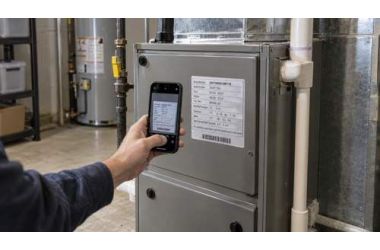
    Furnace equipment label being photographed for model identification
    How to Read a Furnace Model Number Before Replacement
    Find and record your furnace model number, distinguish model and serial information, and confirm fuel, capacity, ductwork and fit before replacement.
    Read more
    October 16, 2026
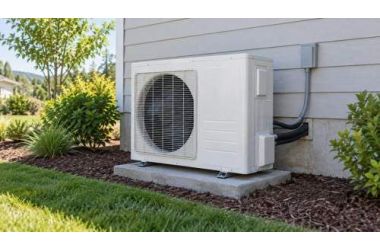
    Outdoor heat pump beside a home
    What Is a Thermal Balance Point in a Heat-Pump System?
    Learn how a heat pump thermal balance point affects cold-weather capacity, supplemental heat, dual-fuel controls, and equipment selection.
    Read more
    October 13, 2026
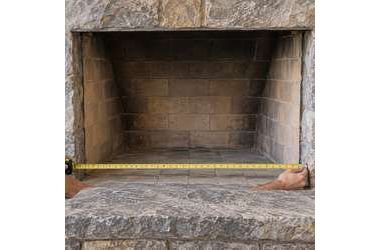
    Fireplace insert measurements buying guide
    Fireplace Insert Measurements: What to Measure Before Buying
    Measure fireplace opening width, height, depth, hearth, lintel, and mantel before choosing a gas, wood, pellet, or electric insert.
    Read more
    October 5, 2026

    Call Now and Get a Free Quote Today! 1-800-397-1392

    Frequently Asked Questions(FAQs)

    These machines can process a wide range of metals, including mild steel, stainless steel, aluminum, brass, and copper. Some materials may require specific laser power levels for optimal results.

    Fiber lasers use a solid-state laser source with higher electrical efficiency and better cutting performance on reflective metals than CO₂ systems. Fiber lasers generally require less maintenance and deliver faster cutting speeds.

    WYes — because of their precision and ease of programming, fiber laser cutters are well-suited for both high-volume manufacturing and shorter production runs.

    Proper ventilation, laser enclosures, safety interlocks, and operator training are essential to protect personnel from laser exposure and to control dust and fumes.

    Higher laser power typically enables faster cutting speeds and the ability to cut thicker materials. Matching power to your typical application ensures both efficiency and quality.

    blockboard tech