0% Financing for 12 Months* or up to 48 Months* Terms Available - Buy Now and Pay later!

Heat Pump Systems

Items 1-23 of 206

Set Descending Direction
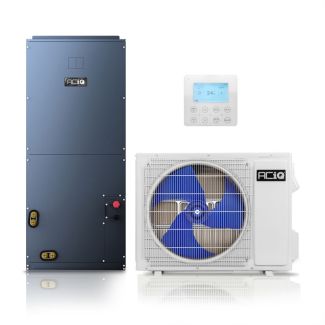
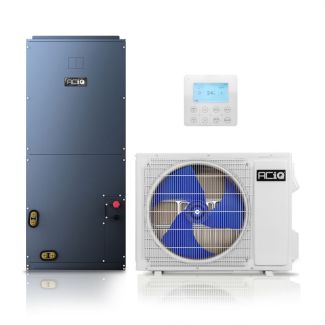
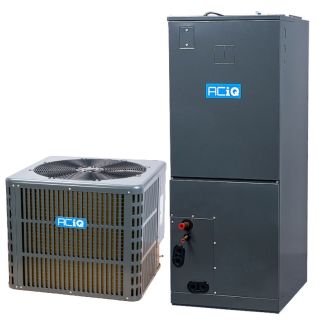
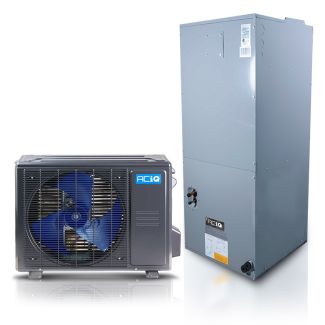
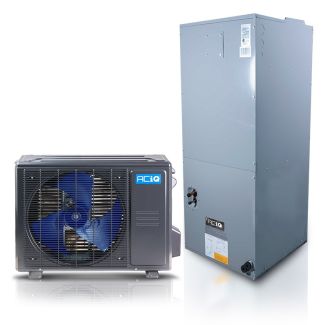
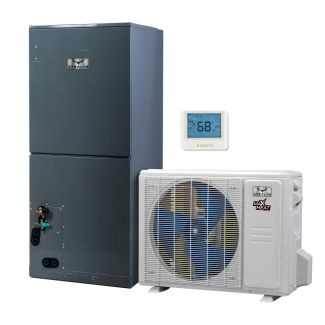
  1. ACiQ 1.5 Ton 14.3 SEER2 Heat Pump Split System - R32 Multi-Positional - AC-I-18HP14 / AC-I-18AH14
    SAVE $600.01
    ACiQ 1.5 Ton 14.3 SEER2 Heat Pump Split System - R32 Multi-Positional
    Model: AC-I-18HP14 / AC-I-18AH14
    Was $3,000.00
    Special Price $2,399.99
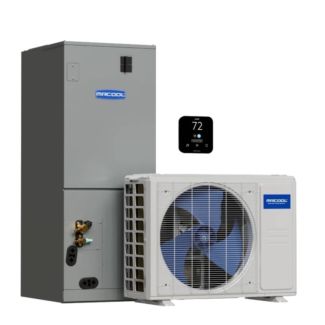
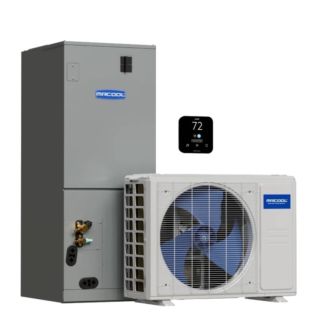
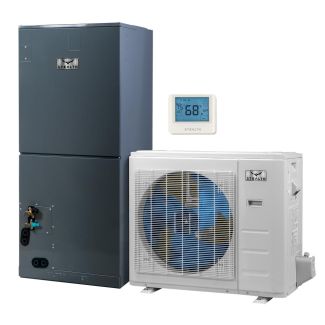
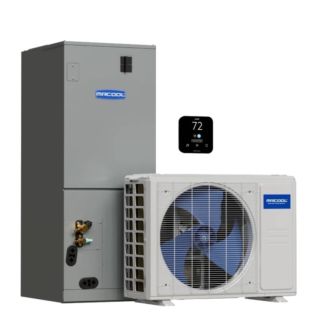
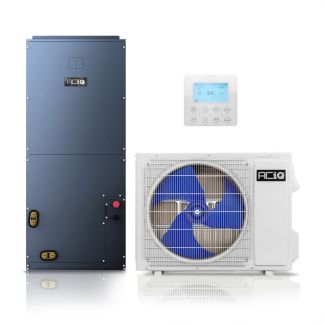
  2. MRCOOL VersaPro 2nd Gen 1.5 Ton 18.8 SEER2 Central Ducted Heat Pump Split System - R454B - MVP-18-HP-C-230A00-O / MVP-18-HP-MUAH-230A00-O
    SAVE $499.60
    MRCOOL DIY VersaPro 2nd Gen 1.5 Ton 18.8 SEER2 Central Ducted Heat Pump Split System - R454B Inverter - Multi-Positional
    Model: MVP-18-HP-C-230A00-O / MVP-18-HP-MUAH-230A00-O
    Rating:
    87%
    Was $2,997.60
    Special Price $2,498.00
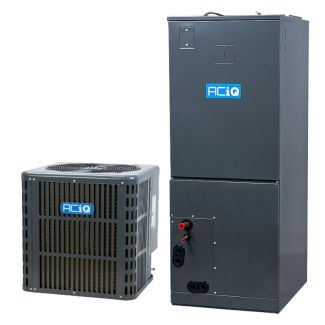
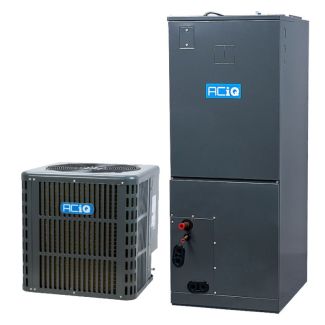
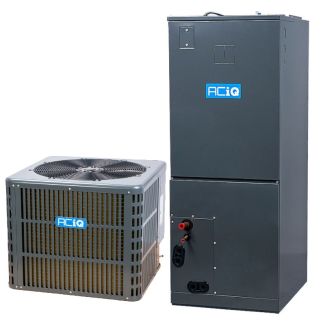
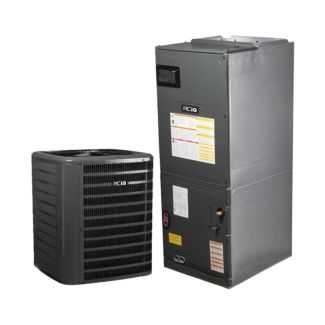
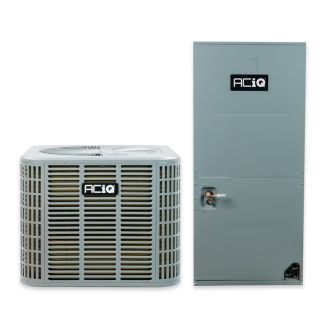
  3. ACiQ 2 Ton 14.3 SEER2 Heat Pump Split System - R32 Multi-Positional
    SAVE $638.01
    ACiQ 2 Ton 14.3 SEER2 Heat Pump Split System - R32 Multi-Positional
    Model: AC-I-24HP14 / AC-I-24AH14
    Was $3,188.00
    Special Price $2,549.99
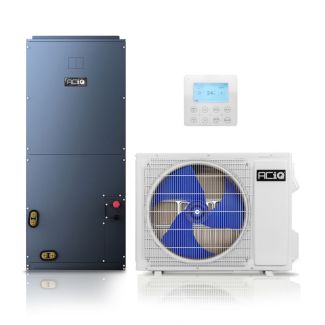
  4. MRCOOL VersaPro 2nd Gen 2 Ton 18.1 SEER2 Central Ducted Heat Pump Split System - R454B - MVP-24-HP-C-230A00-O / MVP-24-HP-MUAH-230A00-O
    SAVE $537.00
    MRCOOL DIY VersaPro 2nd Gen 2 Ton 18.1 SEER2 Central Ducted Heat Pump Split System - R454B Inverter - Multi-Positional
    Model: MVP-24-HP-C-230A00-O / MVP-24-HP-MUAH-230A00-O
    Rating:
    87%
    Was $3,222.00
    Special Price $2,685.00
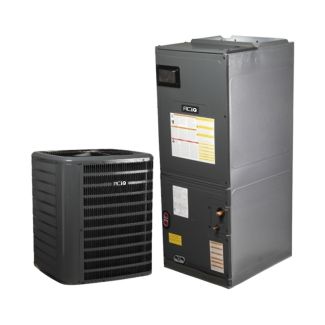
  5. ACiQ 2.5 Ton 14.3 SEER2 Heat Pump Split System - R32 Multi-Positional
    SAVE $675.01
    ACiQ 2.5 Ton 14.3 SEER2 Heat Pump Split System - R32 Multi-Positional
    Model: AC-I-30HP14 / AC-I-30AH14
    Was $3,375.00
    Special Price $2,699.99
  6. ACiQ 3 Ton 14.3 SEER2 Heat Pump Split System - R32 Multi-Positional
    SAVE $713.01
    ACiQ 3 Ton 14.3 SEER2 Heat Pump Split System - R32 Multi-Positional
    Model: AC-I-36HP14 / AC-I-36AH14
    Was $3,563.00
    Special Price $2,849.99
  7. MRCOOL VersaPro 2nd Gen 2.5 Ton 17 SEER2 Central Ducted Heat Pump Split System - R454B - MVP-30-HP-C-230A00-O / MVP-30-HP-MUAH-230A00-O
    SAVE $577.80
    MRCOOL DIY VersaPro 2nd Gen 2.5 Ton 17 SEER2 Central Ducted Heat Pump Split System - R454B Inverter - Multi-Positional
    Model: MVP-30-HP-C-230A00-O / MVP-30-HP-MUAH-230A00-O
    Rating:
    90%
    Was $3,466.80
    Special Price $2,889.00
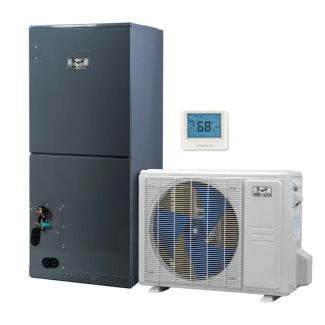
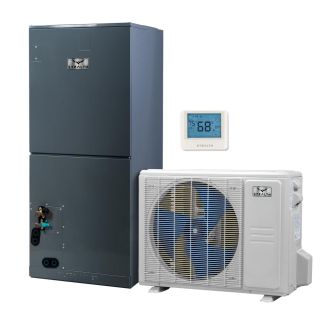
  8. 1.5 Ton 15.2 SEER2 R32 Heat Pump Split System - Multi-Positional - GLZS4BA1810-A / AMST24BU1300-A
    1.5 Ton 15.2 SEER2 Heat Pump Split System - R32 Single Stage - Multi-Positional
    Model: AQ-GLZS4BA1810 / AQ-AMST24BU1300
    Rating:
    99%
    Was $3,525.00
    Special Price $2,996.00
  9. 2 Ton 15.2 SEER R32 Heat Pump Split System - Multi-Positional - GLZS4BA2410-A / AMST24BU1300-A
    2 Ton 15.2 SEER2 Heat Pump Split System - R32 Single Stage - Multi-Positional
    Model: AQ-GLZS4BA2410 / AQ-AMST24BU1300
    Rating:
    99%
    Was $3,614.00
    Special Price $3,071.00
Page
per page
Lowest Price GuaranteeLowest Price Guarantee

What is a heat pump system?

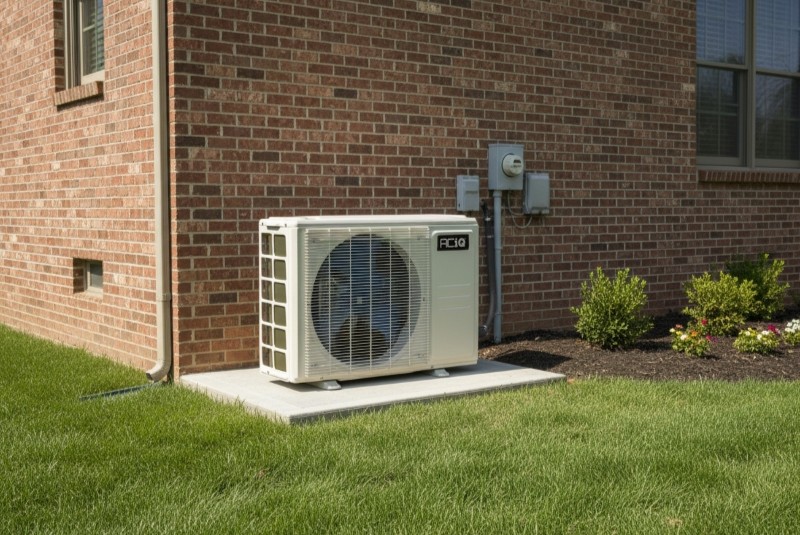
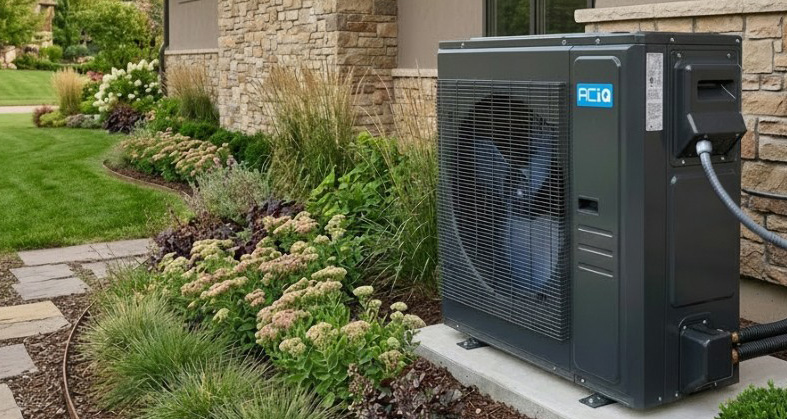
A heat pump system is a central HVAC system that provides both heating and cooling by transferring heat rather than generating it. Unlike traditional furnaces that create heat through combustion or electric resistance, heat pumps move existing heat from one location to another.

In cooling mode, a heat pump operates similarly to a central air conditioner by removing heat from inside your home and releasing it outdoors. During colder months, the process reverses, allowing the system to extract heat from outdoor air and transfer it indoors. Because heat pumps move heat instead of creating it, they can provide exceptional energy efficiency while maintaining comfortable indoor temperatures throughout the year.
A heat pump system is a central HVAC system that provides both heating and cooling by transferring heat rather than generating it. Unlike traditional furnaces that create heat through combustion or electric resistance, heat pumps move existing heat from one location to another.

In cooling mode, a heat pump operates similarly to a central air conditioner by removing heat from inside your home and releasing it outdoors. During colder months, the process reverses, allowing the system to extract heat from outdoor air and transfer it indoors. Because heat pumps move heat instead of creating it, they can provide exceptional energy efficiency while maintaining comfortable indoor temperatures throughout the year.

What can I use heat pump systems for?

Heat pump systems are incredibly versatile and can serve multiple residential comfort needs. Because they provide both heating and cooling from a single system, homeowners often choose them for a variety of applications beyond simply replacing an air conditioner or furnace.

  • Whole-Home Heating: Heat pump systems provide efficient, reliable heating by transferring heat from the outdoor air into your home. They serve as a primary heating source in many regions with mild winters and hot, humid summers and can maintain comfortable indoor temperatures throughout the winter. Modern models deliver strong heating performance while consuming less energy than many conventional heating systems. According to the U.S. Department of Energy, electric heat pumps can reduce electricity use for heating by roughly 50% compared to standard electric resistance heaters or baseboards.
  • Whole-Home Cooling: During warmer months, heat pumps function just like central air conditioning systems. They remove heat and humidity from indoor spaces to create comfortable living conditions. Many high-efficiency models maintain steady temperatures while using less energy than older cooling equipment. This makes heat pumps an effective cooling solution for long summer seasons.
  • Year-Round Home Comfort: One of the biggest advantages of a heat pump is its ability to provide heating and cooling from a single outdoor unit. Homeowners enjoy simplified system management and consistent comfort throughout every season. Rather than maintaining separate heating and cooling systems, one integrated solution handles both tasks.
  • Replacing an Existing HVAC System: Replace an older heat pump system or upgrade from traditional central air conditioning to gain efficient heating and cooling from one system. Modern heat pumps offer improved efficiency, quieter operation, and more consistent comfort, with inverter and variable-speed options providing even greater control over system output.
  • Electrifying Your Home: Many homeowners are transitioning toward all-electric home systems, and heat pumps play a central role in that shift. They eliminate the need for natural gas, propane, or oil heating equipment in many applications. This helps simplify home energy usage while supporting electrification goals. Modern inverter-driven systems have made all-electric comfort more practical than ever.
  •  Improving Energy Efficiency: High-efficiency heat pumps can significantly lower energy consumption compared to aging HVAC equipment. Advanced compressors and inverter technology help systems operate more efficiently while maintaining consistent comfort levels. Improved efficiency may result in lower utility bills, depending on local power availability and rates, and reduced environmental impact. Many homeowners upgrade specifically to take advantage of these benefits.

While heat pumps perform exceptionally well in many environments, system performance depends on selecting the right model for your climate. Extremely cold regions may require a cold-climate heat pump or a dual fuel configuration for maximum winter performance.


Which spaces are ideal for heat pump systems?

Heat pump systems are designed to serve a wide variety of residential or commercial property types. From traditional homes to modern multi-family residences, these systems provide efficient heating and cooling wherever central HVAC systems are needed.

  • Single-Family Homes: Heat pump systems are an excellent choice for single-family homes of virtually every size. They provide central heating and cooling through existing ductwork and deliver consistent comfort throughout the home. Modern equipment offers improved efficiency and quieter operation than many older systems. Homeowners also benefit from year-round comfort using a single HVAC solution.
  • Townhomes and Condominiums: Many townhomes and condominiums utilize central heat pump systems because of their efficiency and compact design. These systems can provide dependable heating and cooling without requiring separate equipment for each function. The all-in-one approach helps maximize available installation space. Energy-efficient operation is particularly valuable in shared-wall residential buildings.
  • Multi-Family Residences, Duplexes, and Apartments: Heat pumps are frequently installed in apartments, duplexes, and other multi-family housing units. Individual systems allow occupants to independently control their heating and cooling preferences. The all-electric design can simplify utility management while maintaining comfort. Dedicated systems also help improve efficiency for individual living spaces.
  • Homes Without Natural Gas Service: Homes that lack access to natural gas often find heat pumps especially beneficial. These systems provide efficient heating and cooling while avoiding the need for propane, fuel oil, or electric resistance heating equipment. One system can satisfy multiple comfort needs. This versatility makes heat pumps one of the most practical HVAC options for many rural properties.
  • Homes in Mild or Mixed Climates: Heat pumps excel in regions with moderate winters and warm summers. Their efficiency remains high when outdoor temperatures stay within typical operating ranges. Homeowners in mixed climates often enjoy excellent year-round performance and lower operating costs. Modern cold-climate models have further expanded the regions where heat pumps can thrive.

Although heat pumps work in most residential environments, certain extreme cold-weather applications may require supplemental heating or specialized cold-climate equipment to maintain peak comfort, which can easily be supported with heat kits.


What type of heat pump system do you need?

Understanding the differences between available configurations can help you choose the solution best suited to your home's comfort needs and climate.

  • Standard Heat Pump Systems: Standard heat pumps provide dependable heating and cooling for homes in mild and moderate climates. They offer an excellent balance of affordability, performance, and energy efficiency for typical residential applications.
  • Cold Climate Heat Pump Systems: Cold-climate heat pumps are specifically engineered to deliver strong heating performance in freezing temperatures. They are ideal for northern homeowners seeking maximum heating output while minimizing reliance on supplemental heat.
  • Single-Stage Heat Pump Systems: Single-stage models operate at one cooling and heating capacity. They are cost-effective, reliable, and commonly selected for straightforward residential replacement projects.
  • Inverter Heat Pump Systems: Inverter-driven heat pumps automatically adjust compressor speed based on demand. This improves efficiency, temperature consistency, humidity control, and operating sound levels compared to traditional single-stage equipment.
  • Dual Fuel Heat Pump Systems: Dual fuel systems combine an electric heat pump with a gas furnace. The heat pump handles milder conditions efficiently, while the furnace provides dependable supplemental heating during extremely cold weather.

When comparing system types, homeowners should also evaluate efficiency ratings, climate compatibility, warranty coverage, and installation requirements before making a final decision.


What size heat pump system do you need?

Heat pump systems are commonly sized by tonnage, with residential systems generally ranging from 1.5 to 5 tons, though the size you need depends on your space, climate, insulation, windows, ceiling height, home construction, and other factors.

  • 1 Ton Heat Pump Systems (12,000 BTU): Typically a good fit for very small homes, condos, studio apartments, or individual zones ranging from approximately 400 to 600 square feet. These systems provide efficient heating and cooling for compact spaces without the higher energy consumption that comes with oversized equipment. They are often used in well-insulated homes or as part of a ductless mini-split system.
  • 1.5 Ton Heat Pump Systems (18,000 BTU): Commonly installed in smaller homes and living spaces between 600 and 900 square feet. This size offers a balance of comfort and efficiency for one-bedroom homes, apartments, and smaller floor plans. It can also be a suitable option for areas with moderate climate conditions and good insulation.
  • 2 Ton Heat Pump Systems (24,000 BTU): Often recommended for smaller homes ranging from roughly 800 to 1,200 square feet. It provides enough capacity to maintain comfortable indoor temperatures throughout the year while operating efficiently. Homes with higher ceilings, larger windows, or less insulation may require additional sizing considerations.
  • 2.5 Ton Heat Pump Systems (30,000 BTU): A popular choice for small to midsize homes between 1,000 and 1,500 square feet. This capacity can effectively handle the heating and cooling demands of many average-sized households. However, factors such as local climate, sun exposure, and insulation quality can influence the ideal system size.
  • 3 Ton Heat Pump Systems (36,000 BTU): Frequently used in midsize homes measuring approximately 1,200 to 1,800 square feet. It provides enough output to maintain consistent temperatures across multiple rooms and larger living areas. This size is one of the most common choices for typical single-family homes in many regions.
  • 3.5 Ton Heat Pump Systems (42,000 BTU): Often selected for midsize to larger homes with floor areas of about 1,400 to 2,100 square feet. It offers increased heating and cooling capacity for homes with open floor plans, multiple occupants, or greater exposure to outdoor temperatures. Proper sizing remains important to ensure optimal comfort and energy efficiency.
  • 4 Ton Heat Pump Systems (48,000 BTU): Commonly installed in larger homes ranging from approximately 1,600 to 2,400 square feet. These systems are designed to handle higher heating and cooling loads while maintaining efficient operation. They are especially beneficial in homes with multiple stories, extensive living space, or demanding climate conditions.
  • 5 Ton Heat Pump Systems (60,000 BTU): Typically used in larger homes measuring 2,000 to 3,000+ square feet. This size provides substantial heating and cooling capacity for expansive floor plans, larger families, and homes with significant comfort demands. For best results, a professional load calculation should be performed to confirm that a 5-ton system is the right fit and not oversized for the home.

Square footage alone should not be used to size a heat pump. These ranges are intended only as general shopping references. For replacement systems, existing equipment capacity can provide a useful starting point. Professional load calculations are the most accurate sizing method.


Are heat pump systems energy efficient?

Heat pumps are widely recognized as one of the most energy-efficient HVAC technologies available today. When evaluating efficiency, homeowners should pay attention to both SEER2 and HSPF2 ratings. In general, a heat pump with a SEER2 rating of 15 to 18+ is considered highly efficient, while premium inverter systems may exceed 20 SEER2. HVACDirect.com offers systems ranging from approximately 14.3 SEER2 to over 21 SEER2.


What features matter most when buying heat pump systems?

Several important features directly affect comfort, efficiency, and long-term satisfaction. Understanding these features can help homeowners make a more informed purchasing decision.

  • Compressor Technology: Heat pumps are available with single-stage, two-stage, and inverter-driven compressors. More advanced compressor technology can adjust or stage output to provide more consistent temperatures, quieter operation, and improved efficiency.
  • Variable-Speed Airflow: Select systems use variable-speed indoor blower motors that adjust airflow to help improve temperature consistency, humidity control, and overall comfort.
  • Cold-Climate Heating Technology: Some heat pumps are engineered to maintain greater heating capacity as outdoor temperatures fall, providing stronger performance in colder climates.
  • Smart Controls and Connectivity: Compatible thermostats and controls can offer features such as remote temperature adjustment, scheduling, system monitoring, and other advanced comfort settings for these systems.
  • Enhanced Dehumidification: Certain heat pump systems can better manage airflow and system operation during cooling to remove more indoor humidity and improve summertime comfort.

Homeowners focused on energy savings should prioritize inverter technology and high-efficiency ratings, while homeowners in colder climates should emphasize cold-weather performance and dual fuel compatibility.


Additional factors to consider when buying heat pump systems

Beyond sizing and efficiency, several additional considerations, such as installation requirements, cost savings, and comfort upgrades, can affect system performance and installation success.

  • Proper System Sizing: Choose a heat pump with the appropriate tonnage for your home's heating and cooling load. Matching existing capacity is often a good starting point for replacements, while new construction, major renovations, and system conversions should use a professional load calculation.
  • Energy Efficiency: Compare SEER2 and HSPF2 ratings when evaluating systems. Higher-efficiency equipment can reduce energy consumption, although upfront equipment cost should also be considered.
  • Climate and Heating Requirements: Consider winter temperatures and how much heating capacity the system maintains as temperatures fall. Colder climates may benefit from equipment specifically designed for low-temperature operation.
  • Ductwork and Installation Requirements: Existing ductwork, available installation space, electrical requirements, and equipment compatibility should all be evaluated before selecting a system.
  • Sound Levels: Compare manufacturer sound ratings, particularly when the outdoor unit will be located near bedrooms, patios, property lines, or other noise-sensitive areas.
  • Warranty Coverage: Compare manufacturer parts and compressor warranties and determine whether registration is required to receive the full available coverage.
  • Rebates and Incentives: Eligible high-efficiency heat pumps may qualify for manufacturer, utility, state, or other available incentive programs that can reduce the overall cost of upgrading.

Electrical compatibility, climate considerations, maintenance practices, and accessory choices can all influence the long-term efficiency and performance of your heat pump system. Add-ons can include smart thermostats for precise temperature control, heat pump risers or mounting pads to lift the outdoor unit above snow and water, electric heat strips for backup freezing weather warmth, and condensate pumps to safely remove moisture.


Which brands make the best heat pump systems?

HVACDirect.com carries a wide selection of trusted heat pump manufacturers that serve a range of budgets and performance needs.

  • ACiQ: ACiQ combines advanced inverter technology, strong efficiency ratings, and modern comfort features at a highly competitive price point. It's a popular choice for homeowners seeking premium performance without premium-brand pricing. Their popular lines are the affordable but high quality Standard and Extreme models.
  • Goodman: Goodman is known for dependable operation, competitive pricing, and strong warranty coverage. It remains one of the most widely selected brands for residential HVAC replacement projects. Popular units include entry-level single-stage systems.
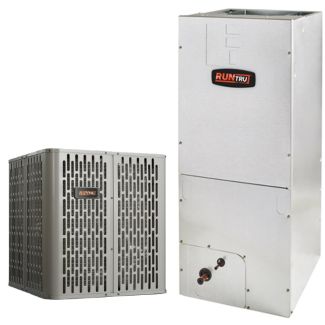
  • RunTru by Trane: RunTru systems leverage engineering expertise from Trane while maintaining strong value. These systems offer reliable comfort and dependable performance for everyday residential applications. Their best-sellers include the single-stage A5HP4, the high-efficiency 16 SEER2 Inverter Split System, and the A5PH package unit
  • MRCOOL and Stealth: MRCOOL and Stealth focus heavily on inverter-driven comfort solutions. Their systems deliver quiet operation, strong efficiency, and all-electric heating and cooling performance. These brands are known for producing systems you can install yourself.
  • Bosch, LG, Gree, and Mitsubishi: These manufacturers are recognized for innovative technology, exceptional efficiency, and advanced inverter-driven designs. Many models excel in cold-climate performance, low sound levels, and premium comfort control, including LGRed, Bosch IDS Ultra, Gree MultiPro, and Mitsubishi’s Hyper-Heating INVERTER technology models.

Each brand brings unique strengths, whether it's value-driven performance, advanced inverter technology, cold-climate capability, or premium efficiency.


How much do heat pump systems cost?

Heat pump equipment purchased online typically ranges from approximately $2,100 to $5,500, while high-efficiency systems commonly range from $2,500 to $7,500, depending on size, efficiency, and technology.

  • Equipment Price: Usually ranges from $2,100 to $7,500+. Standard single-stage systems typically occupy the lower end of the price range, while advanced inverter and cold-climate systems command higher prices. Brand reputation and efficiency ratings can also influence overall equipment cost.
  • Installation Labor: Usually ranges from $3,000 to $6,000+, with installation expenses varying depending on ductwork condition, electrical upgrades, refrigerant line compatibility, and overall project complexity. Conversions from other HVAC system types generally cost more than direct replacements. DIY installation will have no labor costs.
  • Operating Costs: $50 to $300+ monthly depending on usage. Monthly energy costs vary based on efficiency ratings, climate, utility rates, and household demand. High-efficiency inverter systems typically provide lower operating costs than older HVAC equipment.
  • Available Rebates and Tax Incentives: $300 to $2,000+ potential savings available. Many qualifying high-efficiency systems may be eligible for local utility incentives and government programs. These savings can significantly reduce net ownership costs.
  • Total Cost of Ownership: $5,000 to $15,000+ over system life. Purchase price represents only one portion of long-term costs. Energy consumption, repairs, maintenance, warranty coverage, and lifespan all contribute to total ownership expense.

Homeowners should also budget approximately $100 to $2,500+ for potential permit fees, thermostat upgrades, electrical work, air quality accessories, line set replacements, or supplemental heating components.


Why buy heat pump systems from HVACDirect.com?

HVACDirect.com is a trusted destination for homeowners, contractors, and property managers seeking quality HVAC equipment at competitive, wholesale prices. The company specializes in direct-to-consumer HVAC sales while providing resources that simplify the purchasing process.

  • Wide Selection of Trusted Brands: HVACDirect.com offers heat pump systems from leading manufacturers including ACiQ, Goodman, RunTru by Trane, MRCOOL, Stealth, Bosch, LG, Gree, Mitsubishi, and more. Homeowners can compare equipment across multiple performance and pricing tiers from a single retailer. This broad selection simplifies the buying process while increasing purchasing confidence.
  • Expert Product Guidance: Detailed product information, sizing tools, buying resources, and knowledgeable support help customers select appropriate equipment. Homeowners can evaluate options with greater confidence even when replacing complex HVAC systems with the help from our team of experienced HVAC technicians. Educational resources also make the buying experience easier and more transparent.
  • Competitive Pricing and Financing: HVACDirect.com emphasizes wholesale-style pricing and financing options, like Bread Pay, that help make system upgrades more affordable. Customers can compare products across a range of budgets while maintaining access to quality equipment.
  • Fast, Nationwide Shipping: Large inventory availability and nationwide shipping from warehouses located across the U.S. support faster order fulfillment. This helps keep replacement and installation timelines on schedule when comfort matters most. HVACDirect.com reports maintaining substantial inventory across distribution facilities.
  • Everything You Need for Installation: In addition to heat pump condensers, customers can purchase matching air handlers, thermostats, accessories, and installation supplies. Purchasing compatible components from a single source helps simplify project planning and ordering.

Compared to many retailers that offer limited inventory or brand choices, HVACDirect.com combines broad product selection, educational resources, competitive pricing, and nationwide availability in one convenient platform.


H3: Heading Goes here

Lorem ipsum dolor sit amet, consectetur adipiscing elit. Integer vitae justo sed lorem tincidunt facilisis. Sed elementum, neque non malesuada tempor, risus erat fermentum nulla, vitae por:

  • Bullet point 1: Description goes here
  • Bullet point 2: Description goes here

Lorem ipsum dolor sit amet, consectetur adipiscing elit. Integer vitae justo sed lorem tincidunt facilisis. Sed elementum, neque non malesuada tempor, risus erat fermentum nulla, vitae por.
Recent Posts

Why Inverter AC Condensers Are the Best Option for Lower Electric Bills
Homeowners cannot control the price charged for each kilowatt-hour, but they can control how much electricity their cooling system needs. That is becoming more important as residential electric rates continue to climb. The U.S. Energy Information Administration forecasts an average residential...
Read more
How Much Does It Cost to Replace an HVAC System in 2026?
How the equipment is purchased can also make a meaningful difference. For a common full-system project—such as replacing a central air conditioner and gas furnace while keeping usable ductwork—a turnkey contractor-supplied project may cost **about $11,000 to $17,000**. Purchasing a matched system...
Read more
How Can an A2L Mitigation Board Help You Replace Only Your AC Condenser?
When an older R-410A outdoor condenser fails, replacing the entire HVAC system is not always the only option. If the indoor evaporator coil or air handler is still in usable condition, an A2L refrigerant detection and mitigation kit may allow that indoor equipment to remain in place while the...
Read more
Can I Replace Just My Outdoor AC Unit?
When the outdoor portion of a central air conditioner fails, replacing only that unit can sound like the simplest and least expensive solution. Sometimes it is. However, a central split system is not a collection of interchangeable parts. The outdoor condenser and the indoor evaporator coil work...
Read more

Call Now and Get a Free Quote Today! 1-800-397-1392


Meet the ACiQ Variable Speed Heat Pump

This heat pump system is designed to deliver efficient, quiet heating and cooling across a wide range of conditions while giving homeowners and HVAC contractors greater installation flexibility.

In this video, Chas from ACiQ answers some of the most common questions about the system, from gas furnace compatibility and extreme-temperature performance to thermostat options, intelligent operation, and variable speed technology.

FAQs about heat pump systems

Most heat pump systems last between 10 and 20 years when properly maintained. Equipment quality, installation quality, climate conditions, and maintenance frequency all influence lifespan. Routine maintenance such as filter changes every 30 to 90 days and annual inspections can help maximize service life. Higher-quality systems often exceed average longevity expectations.

Modern heat pumps continue operating during freezing weather, and many cold-climate models are specifically designed for outdoor temperatures as low as -5 °F to -15 °F. While efficiency declines as temperatures drop, advanced inverter technology helps maintain heating performance. Proper equipment selection is important for cold-weather success.

Yes. A central heat pump can replace a traditional air conditioner while using the same ducted HVAC design. Unlike an air conditioner, which provides cooling only, a heat pump provides both cooling and efficient electric heating. If your home also has a gas furnace, consider a dual fuel heat pump and furnace system rather than replacing the furnace with an all-electric heat pump system.

For most replacement projects, start by checking the data sticker on your existing outdoor unit. The model number or equipment information can be used to identify its BTU capacity or tonnage, making it easy to shop for a replacement with the same capacity. If you're unsure of the existing size, building a new home, or believe your current system was incorrectly sized, an HVAC technician can perform a Manual J load calculation to determine the appropriate system size.

Federal heat pump tax credits under Section 25C expired on December 31, 2025 and are no longer available in 2026. Many qualifying high-efficiency heat pump systems may still be eligible for state tax incentives and local rebate programs. Program availability and requirements can change over time. Homeowners should verify current eligibility requirements before purchasing. You can use HVACDirect.com’s Rebate Center to find local energy savings.

Most heat pump systems require professional installation because connecting and commissioning the refrigerant system requires specialized tools and training. However, select MRCOOL and Stealth systems feature pre-charged quick-connect technology, allowing the refrigerant lines to be connected without traditional HVAC refrigerant tools. Electrical connections should still be completed by a qualified professional in accordance with local codes and installation requirements.

Yes, many modern heat pumps are compatible with smart thermostats that provide enhanced scheduling, energy monitoring, and remote control functionality. For example, the ACiQ Smart Thermostat is compatible with most 24V heat pump systems from brands like ACiQ, Goodman, RunTru by Trane, and IDS systems. Some communicating systems may require manufacturer-specific thermostat solutions. Compatibility should be verified before purchase.

Most modern heat pumps are significantly quieter than older HVAC equipment, typically generating 40 to 60 dB compared to older equipment at 70 to 80 dB. Inverter-driven systems are often especially quiet because they run at varying speeds rather than continuously cycling on and off. Manufacturer sound ratings provide useful comparison data between models.

It is normal for heat pumps to run for longer periods during colder weather. Longer run cycles help maintain consistent comfort while maximizing efficiency. Continuous operation does not necessarily indicate a problem if indoor temperatures are being maintained properly. Additionally, heat pumps with modern inverter technology use variable-speed controls to continuously adjust output instead of cycling fully on and off. This technology matches the exact heating or cooling load needed, saving energy and stabilizing room temperatures.

Yes, most manufacturers provide warranty coverage on major system components. Warranty terms vary by brand and product line, but many offer 10- to 12-year compressor coverage with online registration within 30 to 90 days of installation. Reviewing warranty details before purchase is always recommended.

Why Choose HVACDirect.com?

At HVACDirect.com, we combine unbeatable prices with expert support to give you the best online shopping experience for heating and cooling equipment. Whether you're a homeowner, contractor, or business owner, you'll find a massive selection of top brands—like Goodman, MRCOOL, Mitsubishi, and more—all backed by fast shipping, factory warranties, and U.S.-based technical support. As a trusted HVAC supplier for over 20 years, we make it easy to find the right system at the right price—no middleman, no markup, just direct value.

blockboard tech