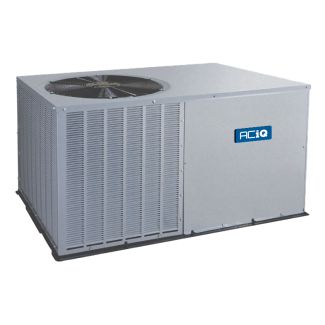
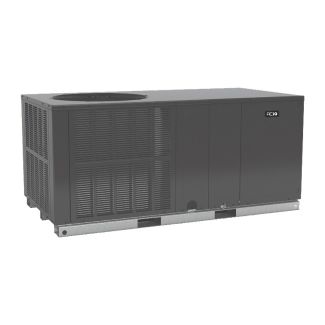
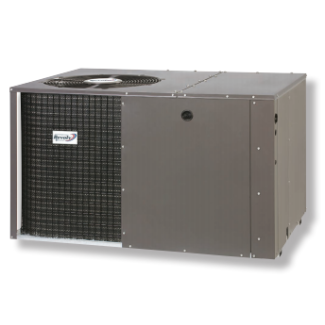
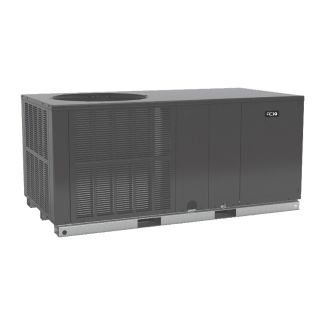
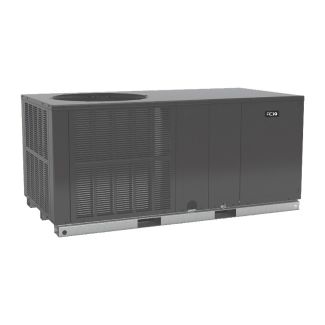
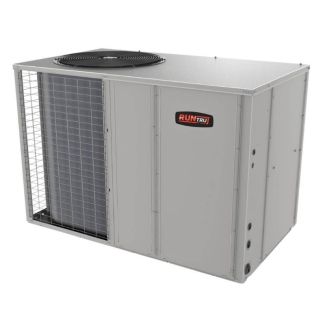
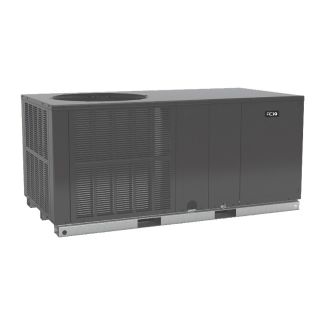
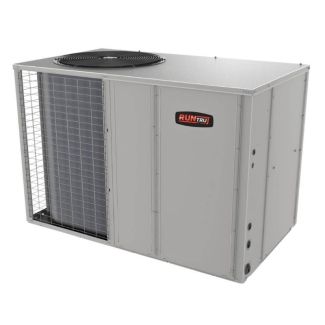
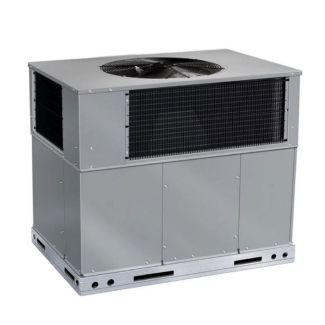
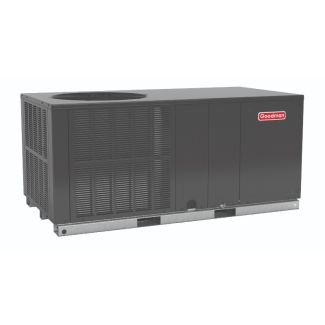
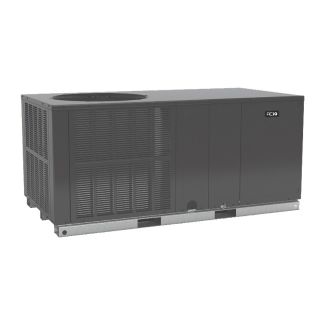
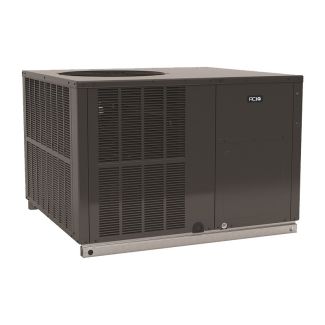
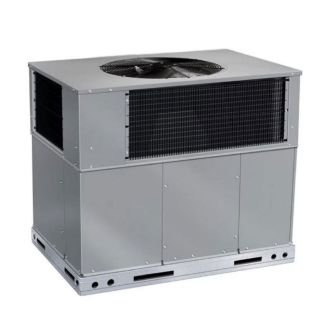
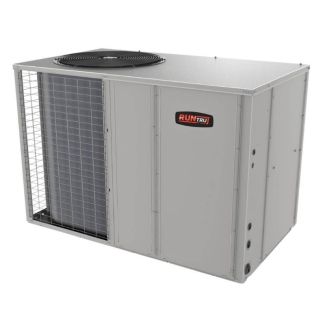
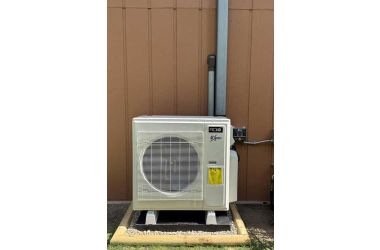
Mobile home AC and heating packaged units are self-contained heating and cooling systems specifically designed to provide whole-home heating and cooling for manufactured and mobile homes from a single outdoor cabinet. Unlike traditional split systems that use separate indoor and outdoor equipment, packaged units combine the major cooling and heating components into one factory-assembled unit.
These systems work by pulling air from the mobile home's return ductwork, conditioning that air through either an air conditioner, heat pump, or gas heating section, and then delivering the treated air back into the home through the supply ductwork. Most mobile home packaged systems use horizontal airflow and are installed at ground level beside the home, although some may be installed on rooftops or elevated platforms depending on site conditions.
What are the main benefits of using mobile home AC & heating
packaged units?
The main benefits of mobile home packaged HVAC units include simplified installation, reduced indoor equipment requirements, and centralized heating and cooling from a single system. Because the major HVAC components are integrated into one outdoor cabinet, these systems can save valuable indoor space while providing reliable year-round comfort.
- All-In-One HVAC Design: Packaged units house the primary heating and cooling components inside a single outdoor cabinet, including the compressor, blower, coils, and heating components. This design eliminates the need for separate indoor air handlers, evaporator coils, or furnaces, helping simplify overall system design and installation. Because equipment is factory-assembled and engineered to operate together, installation requirements are often more straightforward than some split-system alternatives.
- More Usable Indoor Space: Manufactured and mobile homes often have limited mechanical room availability compared to site-built homes. By locating most HVAC equipment outside the structure, packaged units help preserve closet space, utility rooms, storage areas, and other usable interior square footage. This can be especially beneficial in single-wide homes where every square foot matters. Keeping the system outdoors helps maximize living space without sacrificing whole-house comfort.
- Convenient Outdoor Service Access: Routine maintenance and many repair procedures can often be performed from outside the home because the major HVAC components are accessible in one cabinet. Technicians can inspect, clean, and service equipment without needing extensive access inside the living area. This can reduce disruption to occupants during maintenance visits while allowing easier access to important system components.
- Year-Round Home Comfort: Packaged heat pumps and gas/electric packaged systems provide both heating and cooling from one centralized system. This allows mobile homeowners to maintain consistent comfort throughout all seasons without needing separate heating and cooling equipment. Many packaged systems available through HVACDirect.com include capacities ranging from 2 to 5 tons and various heating configurations capable of handling a wide variety of climate conditions.
- Simplified HVAC Replacement: Homes already equipped with packaged HVAC systems are often excellent candidates for packaged-unit replacement. In many cases, existing ductwork, equipment pads, gas lines, electrical service, and airflow configurations can be reused or adapted with minimal modifications. This can help reduce installation complexity while allowing homeowners to upgrade both heating and cooling performance simultaneously.
Mobile home packaged units continue to be a preferred HVAC solution because they combine convenience, efficiency, and space-saving design into a single piece of equipment. When properly sized and installed, they can provide dependable comfort for many years.
Which mobile homes are ideal for AC & heating packaged units?
These units can work in many manufactured home applications, but some installation scenarios are particularly well-suited for these all-in-one HVAC systems, including homes replacing an existing packaged unit, homes with limited indoor HVAC space, and single-, double- and triple-wide mobile homes.
- Homes Replacing an Existing Packaged Unit: The easiest installations are often homes that already have a packaged HVAC system installed. Existing duct connections, airflow arrangements, utility connections, and equipment locations may already be configured for a packaged replacement. Replacing a compatible packaged unit can often reduce installation complexity and help minimize modifications to the home's HVAC infrastructure.
- Homes with Limited Indoor HVAC Space: Many manufactured homes simply do not have sufficient room for indoor furnaces or air handlers. A packaged system places the major HVAC equipment outdoors, making it a practical option when interior mechanical space is limited. This configuration helps preserve interior storage while still providing centralized heating and cooling.
- Single-Wide Mobile Homes: Single-wide homes typically range from approximately 600 to 1,500 square feet and often work well with packaged units sized between 2 and 3 tons. The outdoor design allows homeowners to maximize interior living space while benefiting from whole-house HVAC performance. Proper airflow design and duct condition remain important for achieving efficient operation.
- Double-Wide Mobile Homes: Double-wide manufactured homes frequently range between 1,200 and 2,400 square feet and commonly use systems between 3 and 4 tons. Packaged units provide centralized comfort for these larger floor plans while maintaining efficient heating and cooling performance. When replacing existing equipment, matching airflow requirements and ductwork design is especially important.
- Triple-Wide & Multi-Section Homes: Larger manufactured homes can exceed 2,500 square feet and may require 4- or 5-ton packaged systems depending on climate and insulation levels. Higher-capacity packaged units can provide the airflow and heating output necessary for these larger living areas.
Proper equipment selection becomes increasingly important as home size grows and efficiency ultimately depends on factors such as insulation quality, duct leakage, climate zone, window performance, sun exposure, and proper HVAC sizing. A load calculation remains the best way to determine actual system requirements for your space.
What tonnage AC & heating packaged unit do you need for your mobile
home?
Your space and needs determine what tonnage you will need and common mobile home packaged systems sizes are 2 ton, 2.5 ton, 3 ton, 3.5 ton, 4 ton, and 5 ton capacities. Selecting the correct tonnage is important because an oversized or undersized unit can negatively affect comfort, humidity control, efficiency, and equipment longevity.
- 2 to 2.5 Tons (1,000 to 1,500 sq. ft.): A 2-ton system provides approximately 24,000 BTU/hr of cooling capacity, while a 2.5-ton unit delivers about 30,000 BTU/hr. These systems are commonly used in smaller mobile homes ranging from roughly 1,000 to 1,500 square feet in moderate climates. Homes with efficient insulation and newer windows may require less capacity than older structures of similar size.
- 3 to 3.5 Tons (2,000 sq. ft.): Three-ton systems provide approximately 36,000 BTU/hr of cooling capacity, while 3.5-ton models deliver around 42,000 BTU/hr. These are often selected for mid-sized double-wide homes around 1,700 to 2,200 square feet. This size range is one of the most common choices for manufactured homes with average insulation levels.
- 3.5 to 4 Tons (2,500 sq. ft.): A 4-ton packaged unit provides approximately 48,000 BTU/hr of cooling capacity. Homes approaching 2,500 square feet, properties in more demanding climates, or homes with higher occupancy levels often benefit from capacities in this range. Proper duct sizing becomes increasingly important as system capacity increases.
- 5 + Tons (3,000+ sq. ft.): Five-ton systems provide approximately 60,000 BTU/hr of cooling output and represent the largest mobile home packaged units commonly offered. These systems are generally reserved for large multi-section manufactured homes, poorly insulated homes, or installations located in demanding climate zones. Larger equipment requires sufficient airflow and duct capacity to achieve its rated performance.
Selecting the correct tonnage is one of the most important HVAC buying decisions. A professional inspection remains the most accurate method for determining the proper system size for any mobile home.
What type of mobile home AC & heating packaged unit do you need?
Choosing the proper packaged-unit configuration is just as important as choosing the correct capacity, with systems designed to accommodate different fuel sources, comfort preferences, and installation requirements.
- Gas/Electric Packaged Units: Gas/electric packaged systems combine central air conditioning with a gas furnace inside a single outdoor cabinet. These units are often preferred where natural gas availability exists and homeowners want strong heating performance during colder winter weather. Many models are available with heating capacities ranging from 40,000 BTU to well over 100,000 BTU.
- Packaged Heat Pump Units: Heat pump packaged systems provide both heating and cooling using electricity. During mild and moderate weather, they can offer excellent efficiency because they transfer heat rather than generate it directly. Many mobile home heat pumps sold by HVACDirect.com feature approximately 13.4 SEER2 efficiency ratings and support optional electric heat kits for supplemental heat.
- Packaged Air Conditioners: Cooling-only packaged units may be appropriate when a separate heating source already exists. These systems focus exclusively on air conditioning while utilizing existing heating equipment within the home. They are often chosen in climates where heating needs are relatively limited.
- Horizontal Packaged Units: Most manufactured-home packaged systems utilize horizontal airflow configurations that connect directly to mobile-home ductwork. The horizontal design simplifies installation and helps accommodate common manufactured-home HVAC layouts.
Always verify airflow direction and duct connection compatibility before purchasing. Understanding fuel availability, climate conditions, and existing HVAC infrastructure will help determine which packaged system type offers the best long-term solution.
What features matter most when buying mobile home AC & heating
packaged units?
Features such as the compressor type, blower motor technology, heating capability, and cold weather performance matter most when buying these units.
- Compressor Technology: The compressor is the heart of the cooling system. Compressor design influences efficiency, reliability, sound levels, temperature consistency, and overall system performance. Many modern packaged HVAC units use scroll compressors, which are known for reliable operation, relatively low sound levels, and fewer moving parts than traditional reciprocating designs. Modern compressors are also engineered for improved durability while meeting current SEER2 efficiency requirements.
- Blower Motor Technology: Blower motors play a critical role in distributing conditioned air throughout the home. Advanced motor designs can improve airflow consistency, reduce energy consumption, and lower operating noise. Many modern systems incorporate ECM-style blower technologies designed to improve efficiency and comfort.
- Supplemental Electric Heat Capability: Many packaged heat pumps support electric heat-strip accessories ranging from roughly 5 kW to 20 kW. These supplemental heat kits provide additional heating capacity during very cold outdoor temperatures. This feature is especially valuable in colder climate zones.
- Cold Weather Heating Performance: Some mobile home packaged unit heat pumps maintain heating capacity better than others as temperatures decrease. Homeowners in northern regions should carefully compare low-temperature heating capabilities when evaluating equipment. Cold-climate heat pump technology continues to improve, making heat pumps viable in more regions.
- Built-In Diagnostics and System Protection: Many modern packaged systems include diagnostic controls and protection features that help safeguard compressors, motors, and electrical components. These systems can assist technicians in troubleshooting problems quickly and accurately. Advanced protections may also help extend equipment life.
When comparing products, focus on the features that align with your climate, comfort expectations, and long-term energy goals.
Additional factors to consider when buying mobile home AC & heating
packaged units
Several important considerations extend beyond simple capacity and product type, including your existing system type, heating capacity, mobile home compatibility, and efficiency. Consider the following:
- Existing System Type: Like-for-like replacement remains one of the simplest approaches for replacing these systems. Existing gas, electrical, and ductwork infrastructure may already support a similar replacement system.
- Tonnage and Heating Capacity: Cooling tonnage and heating output must both be matched carefully when buying a mobile home packaged unit. Verify cooling requirements alongside furnace BTUs or heat pump heating capacity.
- Physical Size and Duct Connections: Compare cabinet width, depth, height, and duct opening dimensions with existing equipment. This can reduce installation modifications and improve project efficiency. Roof adapters are also available to bridge the gap between an existing roof curb and a new replacement unit without requiring structural roof or ductwork modification on your mobile home.
- Mobile Home Compatibility: Always confirm the unit is designed for manufactured-home applications. Mobile-home-approved equipment is engineered around unique airflow and installation requirements.
- Energy Efficiency: Compare SEER2 ratings, HSPF2 ratings for heat pumps, and applicable AFUE ratings for gas-heating models for these units. Higher efficiency equipment may reduce long-term operating costs.
- Climate and Heating Needs: Heating requirements vary significantly by where your mobile home is located. Cold climates may benefit from larger heat kits, dual-fuel solutions, or gas/electric packaged units.
- Installation Requirements: Evaluate electrical service, gas availability, equipment clearances, slab conditions, condensate drainage requirements, and duct compatibility before installing these units. Also confirm they are compatible with mobile homes.
- Warranty Coverage: Most leading manufacturers offer extensive parts warranties for these units when products are properly installed and registered. Always review registration requirements and warranty limitations before purchase.
Taking time to evaluate these buying factors can help prevent costly installation issues and improve overall satisfaction with your new system.
Which brands make the best mobile home AC & heating packaged units?
HVACDirect.com carries several trusted brands that manufacture mobile home packaged HVAC systems. Each offers unique advantages depending on budget, efficiency goals, and application requirements.
- ACiQ: ACiQ offers modern packaged HVAC solutions designed to balance affordability, efficiency, and reliability. Their product lineup includes packaged air conditioners and heat pumps designed specifically for manufactured-home applications. Many ACiQ models feature 13.4 SEER2 efficiency and are available in capacities from 2 to 5 tons.
- Goodman: Goodman is one of the most recognized HVAC brands in North America and is known for dependable performance and strong value. Their mobile home package units are offered in cooling-only, heat pump, and gas/electric configurations. Goodman products frequently include attractive warranty coverage and widespread service support.
- Style Crest-Revolv: Style Crest-Revolv specializes in HVAC equipment engineered specifically for manufactured housing applications. Their horizontal packaged systems are popular for homeowners replacing existing mobile-home package units. Current offerings include 2 to 5 ton packaged air conditioners and heat pumps with approximately 13.4 SEER2 efficiency ratings.
- RunTru by Trane: RunTru by Trane provides affordable equipment backed by the engineering heritage of Trane. These systems offer dependable performance and are available in several packaged heat pump configurations suitable for mobile homes. They represent an attractive option for homeowners seeking a balance of quality and value.
Whether your priority is affordability, replacement compatibility, or brand reputation, these manufacturers offer proven options for manufactured-home HVAC applications.
How much do mobile home AC & heating packaged units cost?
The total cost of a mobile home packaged HVAC system includes more than just the equipment itself. Buyers should consider equipment pricing, installation expenses, operating costs, and long-term maintenance requirements.
- Equipment Price: $2,800 to over $6,000, depending on capacity, efficiency level, brand, and system type. Entry-level 2 ton packaged heat pumps can start in the lower range, while larger 5 ton units and specialty configurations can exceed $6,000. Gas/electric packaged units and premium-brand systems may carry different pricing structures based on heating capacity and included features.
- Installation Costs: $2,000 to $6,000, depending on local labor rates and project complexity. Costs increase when ductwork modifications, electrical upgrades, gas connections, or equipment relocation are required. Replacement installations utilizing existing infrastructure are often less expensive than entirely new installations.
- Operation and Maintenance Expenses: $50 to $150 per month for cooling during the summer and from $80 to over $400 per month for heating during the winter. Annual operating costs depend on utility rates, climate, system efficiency, insulation quality, and thermostat settings. Higher-efficiency systems may lower monthly utility bills compared to older equipment. Routine maintenance typically includes filter replacement, coil cleaning, electrical inspections, refrigerant checks, and seasonal system tune-ups, costing around $150 to $300 annually.
- Optional Accessories and Upgrades: $600+ since many homeowners add electric heat kits, programmable thermostats, condensate accessories, equipment pads, surge protection, or upgraded filtration systems. These options can improve comfort and performance while increasing upfront project costs.
- Long-Term Ownership Costs: $8,800 to $17,000+ total over its lifespan, with warranty coverage, repair frequency, maintenance requirements, and energy consumption all influencing total ownership cost. Investing in a properly sized, high-quality packaged unit can often reduce long-term HVAC expenses.
The required permits for a mobile home packaged AC and heating unit installation typically cost between $75 and $300+, so be prepared for that additional spend when determining your total budget.
Why buy your mobile home AC & heating packaged units from
HVACDirect.com?
HVACDirect.com has become a trusted online destination for packaged HVAC systems because it combines competitive pricing, product selection, and technical resources in one location. The following advantages make us a popular choice for mobile-home HVAC purchases.
- Shop Trusted Brands at Competitive Prices: HVACDirect.com offers products from respected manufacturers including Goodman, ACiQ, Style Crest-Revolv, and RunTru by Trane. Mobile homeowners can compare multiple brands, tonnages, and system configurations from one source while shopping competitive, direct-to-consumer pricing.
- Complete Product Information: Detailed product pages include equipment specifications, dimensional data, installation information, warranty details, efficiency ratings, and compatibility guidance. This helps buyers make informed purchasing decisions before placing an order.
- Competitive Pricing and Financing: HVACDirect.com frequently offers value-oriented pricing and financing solutions designed to make HVAC upgrades more accessible. Financing options can help spread project costs across manageable payment schedules.
- Expert Customer Support: Knowledgeable HVAC specialists are available to assist with product selection and application questions. Their expertise can help buyers compare system types, capacities, and installation requirements.
- Fast Nationwide Shipping: HVACDirect.com provides nationwide shipping on a wide selection of HVAC products. Quick access to inventory helps homeowners and contractors receive replacement equipment when they need it most.
For buyers seeking trusted brands, competitive pricing, and extensive HVAC expertise, HVACDirect.com offers a convenient one-stop source for mobile home packaged systems.