We use cookies to make your experience better. To comply with the new e-Privacy directive, we need to ask for your consent to set the cookies. Learn more.

1-800-397-1392
Today's Hours 10am - 6pm estGet flexible, on-demand power wherever you need it. Battery power stations provide quiet, indoor-safe backup for electronics and small appliances, while portable generators deliver higher output for refrigerators, sump pumps, tools, and outdoor projects. Ideal for home backup, work sites, camping, and emergencies, these solutions offer reliable power without permanent installation.
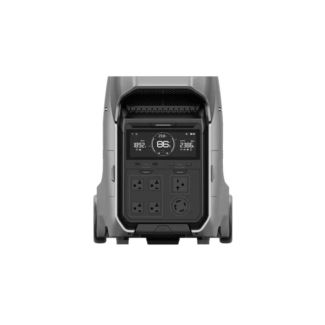
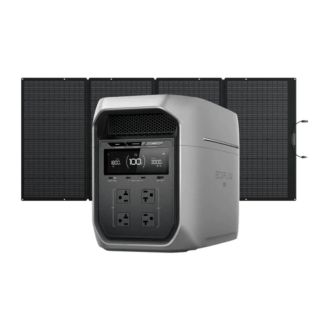
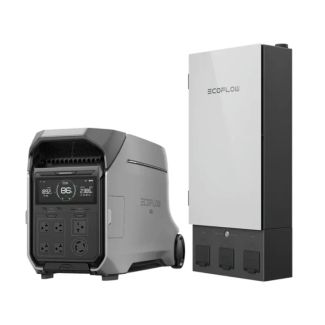
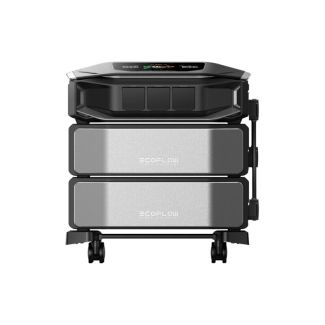
Battery power stations store electricity and then provide clean, quiet power without fuel or emissions—great for electronics, phones, lights, and small appliances. Portable generators burn fuel to create power and typically deliver higher output for larger appliances or tools.
Portable generators can run essential home items like refrigerators, freezers, sump pumps, lights, and small window AC units. Higher-wattage models can also power power tools and jobsite equipment. Always check the generator’s running and starting wattage to match your needs.
Start by adding up the running watts of the items you want to power, then account for higher starting watts required by appliances with motors (like refrigerators or pumps). Choosing a generator with a little extra capacity ensures reliable performance during peak demand.
No. Gas- or propane-powered portable generators must always be used outdoors, far from doors, windows, and vents to prevent carbon monoxide buildup. Battery power stations are safe for indoor use because they produce no emissions.
Portable generators require periodic maintenance, including oil changes, air filter checks, and proper fuel storage. Running the generator periodically—even when not in use for an outage—helps keep it ready for emergencies.