We use cookies to make your experience better. To comply with the new e-Privacy directive, we need to ask for your consent to set the cookies. Learn more.

1-800-397-1392
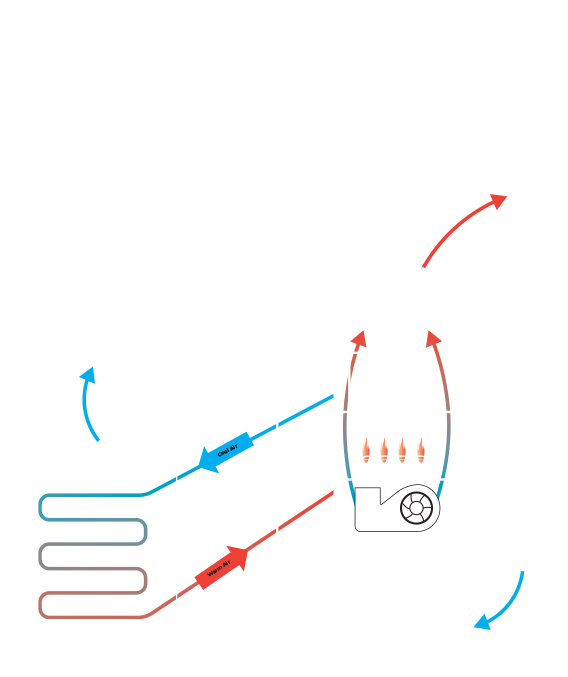
Today's Hours 8am - 11pm estHeat pumps offer an energy-efficient alternative to furnaces and air conditioners for all climates. During the heating season, heat pumps move heat from the cool outdoors into your warm house. During the cooling season, heat pumps move heat from your house into the outdoors. Because they transfer heat rather than generate heat, heat pumps can efficiently provide comfortable temperatures for your home.
Click to see heating or cooling cycle


A heat pump should be sized appropriately for both heating and cooling. Use our sizing calculator for your heating and cooling needs.
Be careful not to make the mistake of getting one that is too large. If the system you install is too large for the space, it will short cycle. In other words, the compressor will not run long enough to dehumidify the space and will limit your comfort. In addition, it will cycle on and off more frequently, increasing operating costs and reducing the system life. Proper sizing is critical to optimize performance.
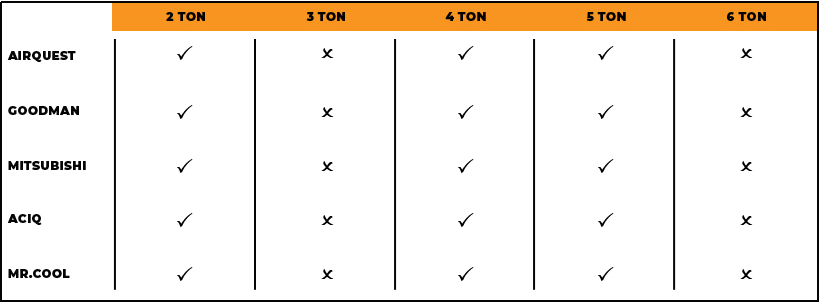

Heat pumps can only produce the rated number of BTUs in the nominal rating. So a 3 ton heat pump can give 36,000 btus of heat per hour of heat or cooling.

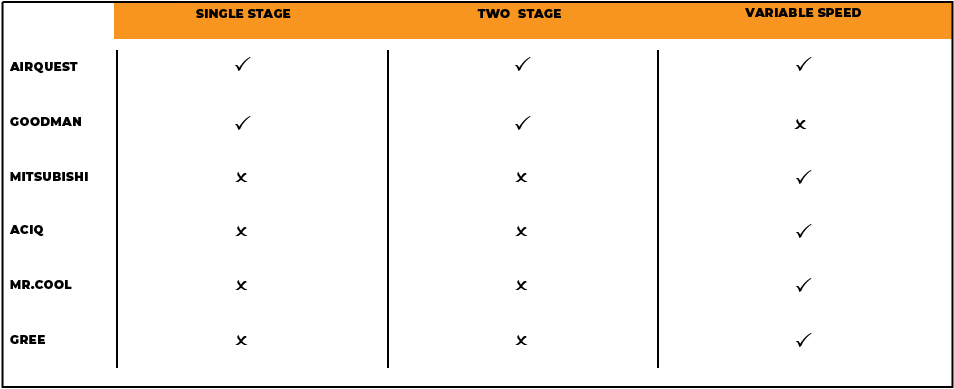
Have a high stage and a low stage, usually .5 ton (6,000 BTU) apart. So, a 2 stage 3 ton heat pump can provide either 30,000 btu or 36,000 btu per hour, depending on the need.

Rather than 1 or 2 fixed stages, a variable, inverter condenser can run at values across a wide range of BTUs. Better still, they are capable of running intelligently, modulating power based on differing outdoor temperatures and input settings

Investing now in higher efficiency means you save on energy costs over the long run.
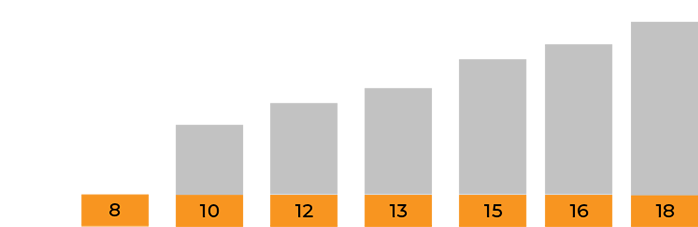
Select different tonnage above.


*Ratings differ by model and tonnage
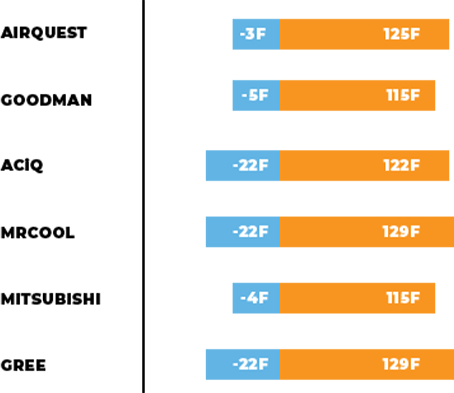
This chart represents the highest and lowest temperature that each system can operate in.
Seer is changing to SEER2 starting January 1, 2023. Along with SEER2 come new SEER regulations, HSPF and EER regulations, and plenty of new guidelines that will vary between each region of the USA.
See new regions for your new requirement
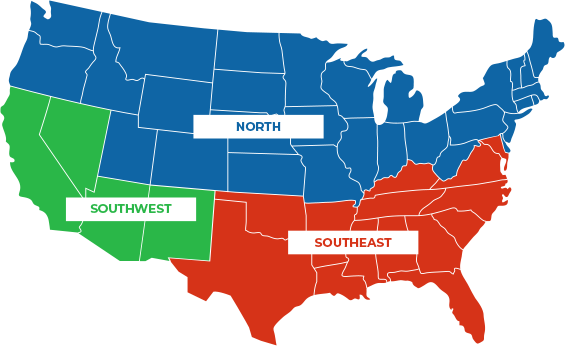


Colorado - Connecticut - Idaho - Illinois - Indiana - Iowa - Kansas - Maine - Massachusetts - Michigan - Minnesota - Missouri - Montana - Nebraska - New Hampshire - New Jersey - New York - North Dakota - Ohio - Oregon - Pennsylvania - Rhode Island - South Dakota - Utah - Vermont - Washington - West Virginia - Wisconsin - Wyoming


Alabama - Arkansas - Delaware - Florida - Georgia - Hawaii - Kentucky - Louisiana - Maryland - Mississippi - North Carolina - Oklahoma - South Carolina - Tennessee - Texas - Washington DC


Arizona - California - Nevada - New Mexico
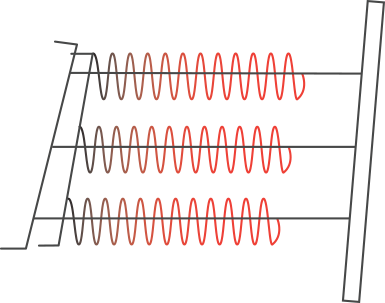
During periods of extreme cold, a backup system takes over - usually in the form of electric resistance heat coils. This secondary system is referred to as 'Aux Heat' or 'Emergency Heat' and uses the same technology found in toasters or hair dryers to generate heat. Though it is a solution to help you heat your home properly. It can get expensive running Aux Heat for long period of time.
VS
Next Gen heat pumps has newer technology like the Variable Inverter inside. These flexible, state-of-the-art machines have a number of advantages over a single or two stage heat pumps. They can self-adjust to only meet demand with maximum efficiency, and some models have extended heat capability, enabling you to continue using the heat pump at sub-zero temperatures.
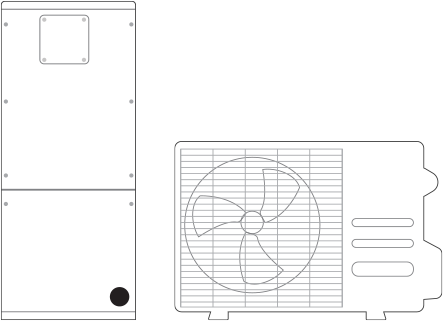
It is possible to configure a heat pump with a natural gas or propane furnace as backup. For colder climates, this may be a better solution, as electric resistance heat is expensive. Dual Fuel systems require multi-stage thermostats to control the various operating modes. Dual fuel systems give you the benefit of an efficient heat pump for moderate winter days, plus furnace heating power to overcome weather extremes.