Mobile Home Air Conditioning Units
Mobile homes, also known as manufactured homes, have unique cooling needs compared to traditional houses. Proper air conditioning is crucial for maintaining comfort in these homes, especially during hot weather. This guide provides an in-depth look at mobile home air conditioning units, covering types, installation, maintenance, energy efficiency tips, and essential information about their function.
What is a Mobile Home Air Conditioning Unit?
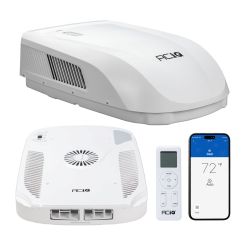
A mobile home air conditioning unit is specifically designed to meet the unique cooling needs of mobile or manufactured homes. These units vary in type and installation method, tailored to fit the structural and spatial constraints of mobile homes. They provide efficient and effective cooling to maintain a comfortable indoor environment.
How Does a Mobile Home Air Conditioning Unit Work?
Mobile home air conditioning units operate similarly to standard residential air conditioners but are often adapted to fit the smaller and more flexible nature of mobile homes.
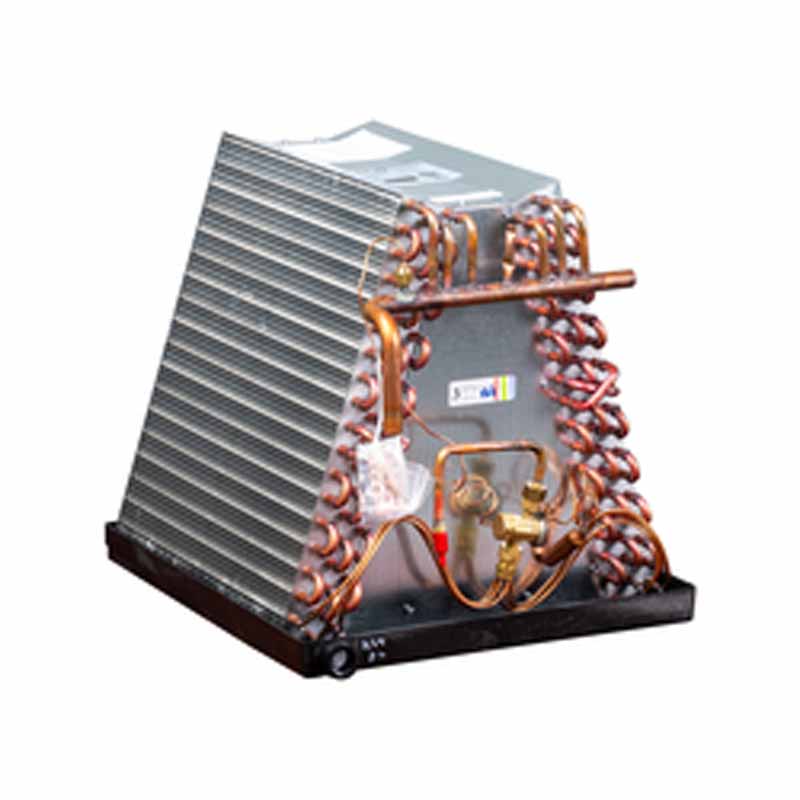
Mobile home air conditioning units operate by using a thermostat to detect when the indoor temperature exceeds a set point, prompting the air conditioner to start. The system employs a refrigerant to absorb indoor heat, which then circulates between the indoor evaporator coil and the outdoor condenser coil. Warm air from inside the home passes over the evaporator coil, where the refrigerant absorbs the heat, cooling the air.
The heated refrigerant then moves to the outdoor condenser coil, where it releases the absorbed heat outside. The cooled air is then distributed back into the home, either through ductwork or directly from the unit, depending on the type. This cycle continues until the indoor temperature matches the thermostat setting, ensuring consistent and comfortable cooling.
Types of Air Conditioning Units for Mobile Homes
1. Central Air Conditioning Systems
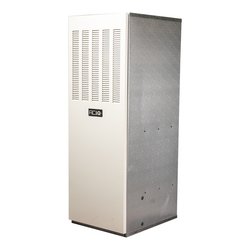
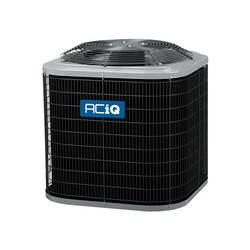
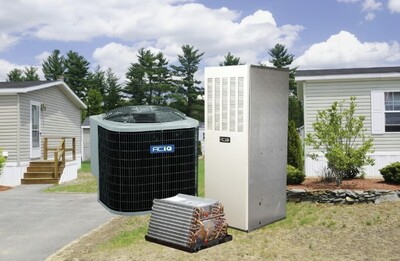
Central Air Conditioning Systems are ideal for mobile homes with existing ductwork. These systems offer efficient cooling throughout the home, providing consistent and even temperatures.
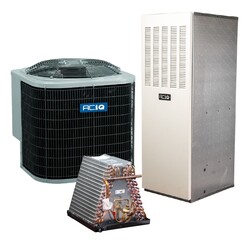
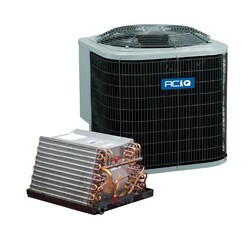
- Components: Includes an outdoor condenser unit, an indoor evaporator coil, and ductwork.
- Pros: Efficient cooling, improves indoor air quality, can be combined with heating systems.
- Cons: Higher upfront cost, requires professional installation.
2. Ductless Mini Split Systems
Ductless Mini Split Systems are perfect for mobile homes without ductwork. These systems consist of an outdoor unit and one or more indoor air handlers.
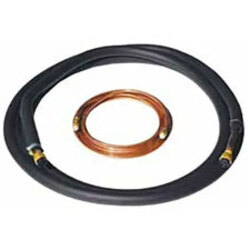
- Components: Outdoor compressor unit, indoor air handlers, refrigerant lines.
- Pros: Flexible installation, energy-efficient, zoned cooling.
- Cons: Higher initial cost, requires professional installation.
3. Window Air Conditioners
Window air conditioners are a popular choice for mobile homes due to their affordability and ease of installation.
- Components: Single unit installed in a window or a hole in an exterior wall.
- Pros: Cost-effective, easy to install, portable.
- Cons: Limited cooling capacity, may obstruct windows, less energy-efficient.
4. Portable Air Conditioners
Portable air conditioners offer a flexible cooling solution for mobile homes. These units can be moved from room to room as needed.
- Components: Single unit with exhaust hose to vent through a window or wall.
- Pros: Easy to install, portable, no permanent installation required.
- Cons: Less efficient, requires regular maintenance, limited cooling capacity.
Conclusion
Choosing the right air conditioning unit for your mobile home involves considering factors such as size, energy efficiency, installation requirements, and cost. Whether you opt for a central air system, ductless mini split, window unit, or portable air conditioner, proper installation and maintenance are key to maximizing performance and efficiency. Implementing energy-saving practices further reduces cooling costs while maintaining comfort. Explore our wide range of mobile home air conditioning units to find the perfect solution for your needs and budget.