Key Takeaways
- Keep Eligible Indoor Equipment: An A2L mitigation kit can make it possible to retain an eligible existing evaporator coil or air handler while installing a new R-32 or R-454B condenser.
- Automatic Leak Response: If the sensor detects refrigerant, the mitigation board stops the outdoor unit and runs the indoor blower to reduce the refrigerant concentration.
- A Lower-Cost Transition Option: Replacing only the condenser can cost less than replacing the complete system, although retaining older indoor equipment may limit maximum efficiency.
When an older R-410A outdoor condenser fails, replacing the entire HVAC system is not always the only option. If the indoor evaporator coil or air handler is still in usable condition, an A2L refrigerant detection and mitigation kit may allow that indoor equipment to remain in place while the outdoor unit is replaced with a new R-32 or R-454B condenser.
The ACiQ A2LZS Standard Mitigation Refrigerant Detection System Kit is designed for this type of field-installed replacement application. The kit is works with R-32 and R-454B, and is compatible with most coils. It adds the detection and automatic system response required when an A2L refrigerant is used with eligible existing indoor equipment.
This approach can reduce the upfront cost of the project because the homeowner purchases a condenser, the required refrigerant-side components, and the mitigation kit instead of automatically replacing the indoor coil, furnace, or air handler.
How Does an A2L Mitigation Board Work?
R-32 and R-454B are classified as A2L refrigerants. They have lower flammability than refrigerants in more flammable classifications, but a residential installation still needs a way to detect and respond to a possible indoor refrigerant leak.
The A2L refrigerant detection sensor is installed at the evaporator coil, where an indoor leak would be most likely to collect. The sensor continually communicates with the mitigation control board.
If the board detects a refrigerant condition or loses communication with the sensor, it:
- Stops the outdoor condenser so additional refrigerant is not pumped into the indoor space.
- Turns on the indoor blower to move air through the duct system.
- Continues mitigation operation for the period programmed into the control.
Moving air dilutes the refrigerant concentration and keeps it below the applicable flammability limit. The standard A2LZS kit provides condenser shutdown and blower operation. A separate version with an accessory relay can also control connected equipment such as electric heat, gas heat, air cleaners, or zoning accessories.
How Does the Mitigation Kit Allow a Condenser-Only Replacement?
Older R-410A installations did not require an A2L refrigerant detection system because R-410A is classified as an A1 refrigerant. A new R-32 or R-454B condenser introduces an A2L refrigerant into the circuit, so the indoor side needs the appropriate detection, labeling, metering, and mitigation provisions.
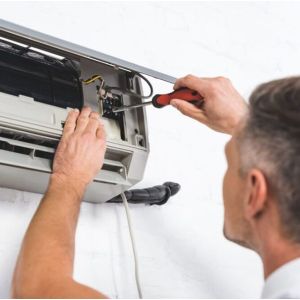
The field-installed A2LZS kit adds the missing detection and control functions to an eligible indoor coil or air handler. Rather than replacing a sound indoor coil solely because it did not leave the factory with an A2L sensor, an A2L-trained contractor can install the sensor and mitigation board at the existing equipment.
The coil must also use the correct metering device for the new refrigerant. Depending on the application, that may mean installing an R-32 or R-454B piston or TXV. The contractor then connects the mitigation control to the thermostat, indoor blower, and outdoor condenser wiring so the system can respond automatically.
Once installed and successfully tested, the new condenser and retained indoor equipment operate as an A2L system with active refrigerant detection and mitigation.
What Does the ACiQ A2LZS Mitigation Kit Include?
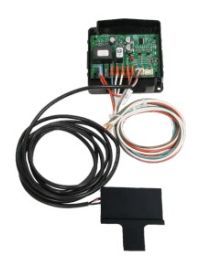
The standard kit includes the components needed to add A2L refrigerant detection and mitigation:
- Dual-Refrigerant Sensor: Calibrated for both R-32 and R-454B.
- Sensor Bracket: Positions the sensor at the evaporator coil drain pan.
- Eight-Foot Sensor Cable: Connects the sensor to the mitigation control.
- Mitigation Control Board and Enclosure: Processes the sensor signal and controls the safety response.
- Power and Low-Voltage Wiring: Connects the board to the existing HVAC controls.
- Required Labels and Markings: Identify the system as containing an A2L refrigerant for future service.
- Installation Instructions and Wiring Diagram: Guide the trained contractor through installation and testing.
The sensor is designed for a service life of more than 15 years without field calibration. The system is tested to the UL 60335-2-40 fourth-edition safety standard.
Condenser-Only A2L Swap: What Happens During the Project?
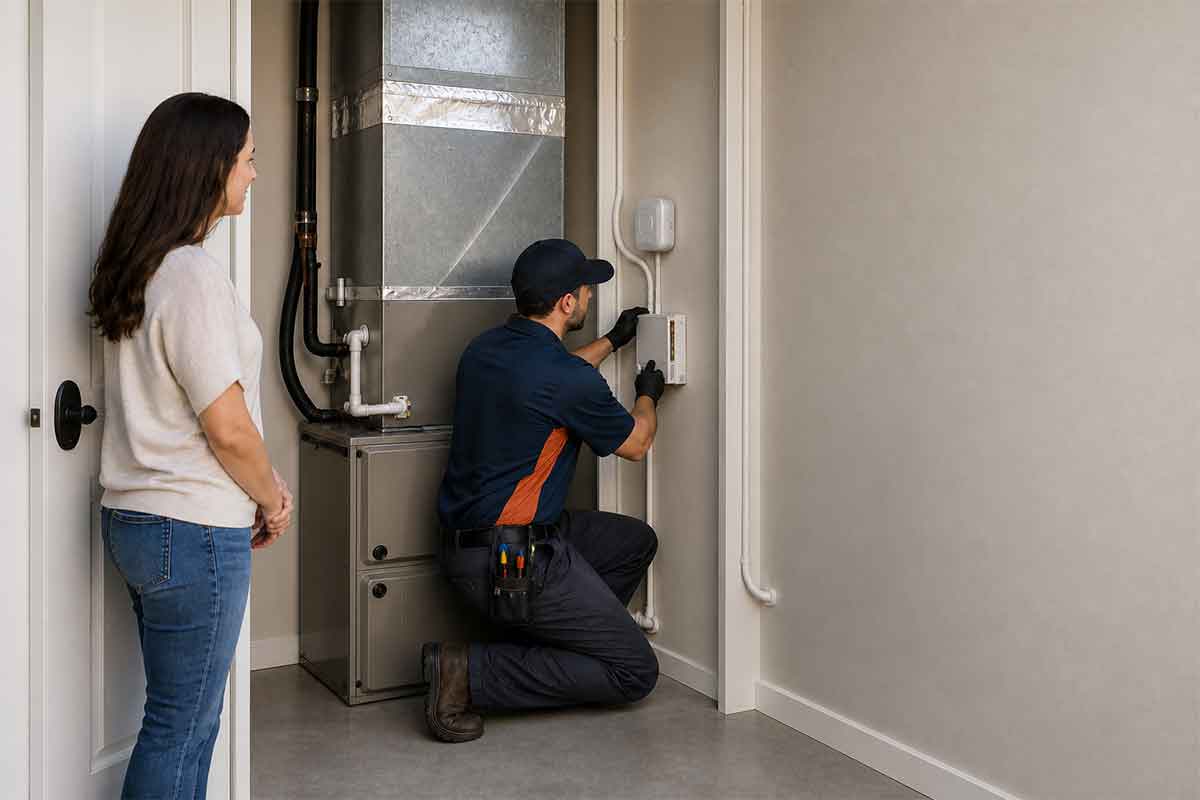
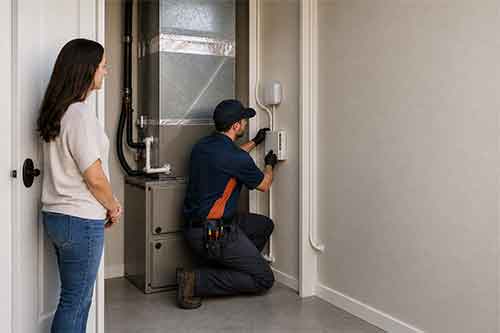
This is a professional refrigerant and electrical-control project, not a homeowner DIY installation. At a high level, an A2L-trained HVAC contractor will:
- Evaluate the existing indoor equipment and confirm that the coil, drain pan, cabinet, blower, and refrigerant piping are suitable for continued service.
- Remove the failed outdoor condenser and properly recover the existing R-410A refrigerant.
- Install the new A2L condenser and prepare the refrigerant circuit for the specified R-32 or R-454B charge.
- Install the correct metering device for the new refrigerant and equipment capacity.
- Mount the refrigerant sensor at the evaporator coil in the location required by the kit instructions.
- Install and wire the mitigation board to the thermostat, indoor blower, and outdoor-unit controls.
- Apply the required A2L labels so future technicians know which refrigerant and safety system are present.
- Start and commission the system by checking airflow, refrigerant charge, drainage, controls, and normal operation.
- Perform the mandatory mitigation test in each required operating mode before completing the installation.
During the mitigation test, the contractor verifies that a sensor fault or simulated detection event stops the condenser and starts the indoor blower. The system should not be placed into service until this safety sequence operates correctly.
When Is a Condenser-Only A2L Swap a Good Option?
This approach may offer good value when:
- The outdoor condenser has failed but the existing coil or air handler remains in good condition.
- The indoor coil is leak-free and does not show serious corrosion or drain-pan damage.
- The furnace, blower, and duct system still operate reliably.
- The homeowner wants to reduce the immediate cost of transitioning to new-refrigerant equipment.
- The correct A2L metering device and mitigation kit are available for the project.
- An A2L-trained contractor can install, label, test, and commission the system.
Keeping usable indoor equipment can also reduce installation disruption. The contractor does not have to remove and replace the furnace or air handler simply because the outdoor condenser reached the end of its life.
Will the System Be as Efficient as a Complete Replacement?
Not necessarily. A new condenser can only perform as well as the indoor coil, blower, airflow, ductwork, and controls allow. Retaining older indoor equipment may mean the system does not achieve the same efficiency, humidity control, or advanced features as a complete new matched system.
That does not automatically make a condenser-only swap a poor decision. The homeowner is trading some potential efficiency and feature improvements for a lower upfront cost and continued use of indoor equipment that may still have years of service remaining.
If the indoor coil is old, corroded, leaking, or near the end of its useful life, replacing both sides may provide better long-term value. If it is relatively recent and in good condition, adding the mitigation system can be a practical way to complete the refrigerant transition without replacing more equipment than necessary.
Shop the ACiQ A2LZS Mitigation Kit
The ACiQ Standard A2LZS Mitigation Refrigerant Detection System Kit supports both R-32 and R-454B applications. It includes the sensor, mitigation control, wiring, mounting hardware, labels, and instructions needed for a standard field-mounted installation.
HVACDirect can also help identify the condenser, metering device, and installation accessories needed for your project.
A2L Mitigation Board Frequently Asked Questions
Can an A2L mitigation board let me replace only my outdoor condenser?
For eligible existing indoor equipment, an approved A2L refrigerant detection and mitigation kit can provide the safety controls needed to pair the indoor coil with a new R-32 or R-454B condenser. The installation must also use the correct refrigerant metering device and be completed and tested by an A2L-trained HVAC contractor.
What does an A2L mitigation board do?
The board monitors a refrigerant detection sensor. If refrigerant is detected or sensor communication is lost, the system stops the outdoor condenser and runs the indoor blower to dilute the refrigerant concentration.
Does the indoor coil need a new TXV or piston?
It may. The indoor coil should use a metering device selected for the new refrigerant and condenser.
Will a condenser-only replacement be as efficient as a complete new system?
Not always. Retaining an older indoor coil or blower may limit the efficiency and performance available from the new condenser. The tradeoff is a lower immediate replacement cost because usable indoor equipment remains in service.
Can a homeowner install an A2L mitigation kit?
No. The manufacturer's instructions require field installation by an A2L-trained HVAC contractor, followed by mandatory testing before the system is commissioned.
The Bottom Line
A failed R-410A condenser does not always mean every part of the HVAC system must be replaced. When eligible existing indoor equipment is still in good condition, the ACiQ A2LZS mitigation kit can add the detection and automatic safety response needed for a new R-32 or R-454B condenser.
The sensor watches for refrigerant, the board stops the condenser, and the indoor blower dilutes the concentration if mitigation is needed. With the correct metering device, professional installation, required labeling, and a successful system test, this approach can provide a practical and more affordable path to a condenser-only replacement.