
Key Takeaways
- Equipment is one part of the quote: installation labor, venting, ducts, permits, and testing can change the total.
- Size for the home: a heating-load calculation is a better basis than copying the old BTU label.
- Compare complete scopes: ask what is included for fuel conversion, condensate, airflow, and cooling compatibility.
A furnace replacement quote is more than the price of a furnace. The equipment you choose matters, but so do the home's heating load, existing ductwork, fuel and venting setup, access to the installation space, and the work required to make the system safe and properly matched. This guide explains the line items to compare so you can understand why two bids for the same home may look very different.
What is included in a complete furnace replacement?
A complete quote may cover the furnace cabinet, removal and disposal of the old unit, connection to supply and return ducts, gas or propane piping, venting, condensate drainage for a condensing furnace, electrical and thermostat connections, permits, and startup testing. Some bids include duct repairs, a new filter cabinet, or changes to an existing air-conditioning coil; others price those separately. Ask for an itemized scope before comparing totals.
Seven factors that change furnace replacement cost
1. Correct heating capacity
Furnace size should be selected from the home's heating load, not simply copied from the old nameplate or estimated from square footage. Insulation, windows, air leakage, climate, and the duct system affect the result. An oversized unit can cycle frequently and feel less comfortable. Ask your contractor what load calculation supports the proposed capacity.
2. Efficiency and comfort features
AFUE (annual fuel utilization efficiency) describes how much fuel energy a furnace converts into useful space heat under a standardized test. A higher-AFUE furnace can cost more as equipment, while heating stages and blower design can change comfort and noise. Single-stage models have one heating output; two-stage and modulating models can run at lower output during lighter loads. A variable-speed blower is a separate feature worth comparing, especially if the blower also serves your cooling system. Learn more in our guide to furnace stages.
3. Natural gas versus liquid propane
The fuel available at your home narrows the equipment and installation choices. Many gas furnace models can be configured for liquid propane only with a manufacturer-approved conversion kit and setup; do not assume every model is LP-ready out of the box. Ask whether the kit, fuel-pressure setup, and any piping changes are included in the bid. Fuel prices also affect long-term operating cost, so compare local natural-gas and propane rates separately from the installation price.
4. Venting and condensate work
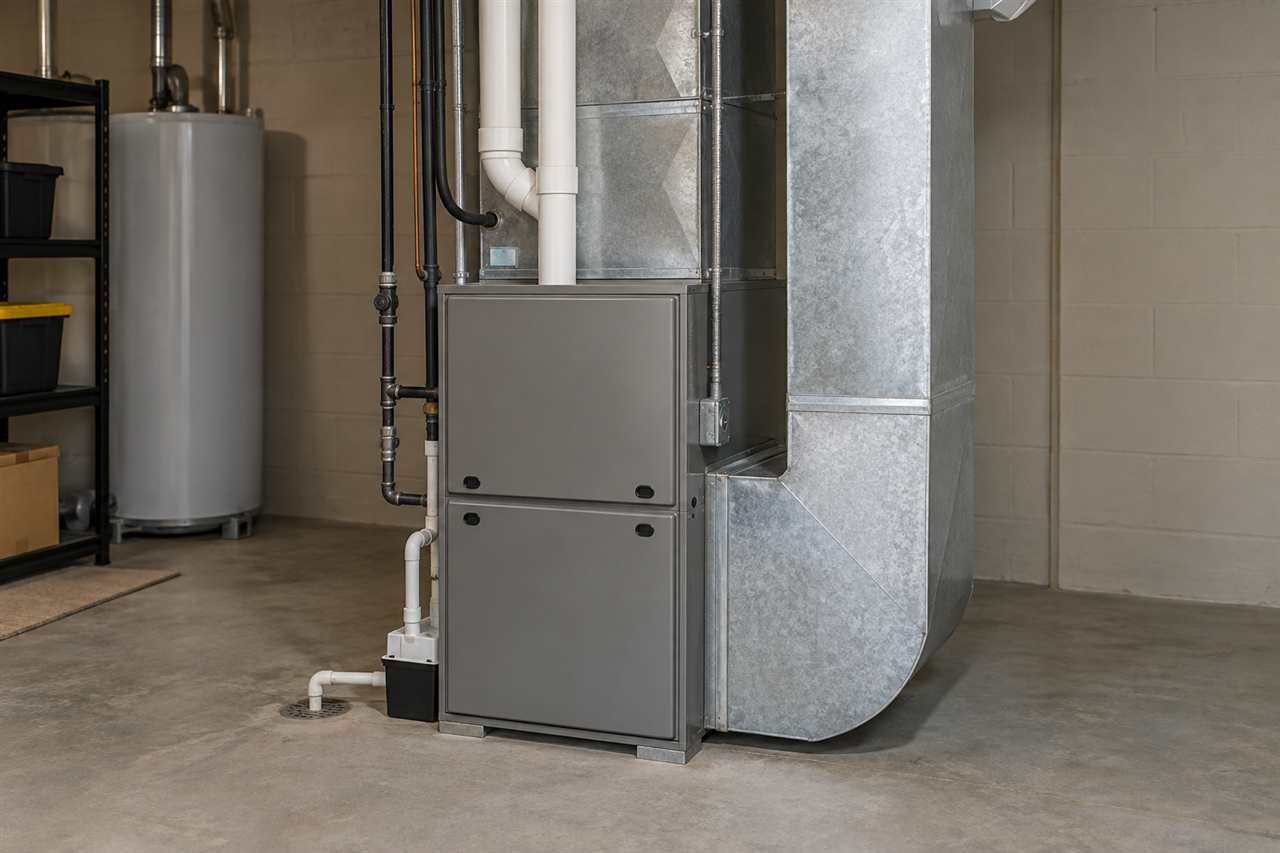
Replacing a non-condensing furnace with a high-efficiency condensing model can require a different approved vent path and a condensate drain or pump. The installer also needs to evaluate any other appliance that shared the old vent. These are meaningful scope differences—not accessories to omit from a comparison. Vent and drain details must follow the selected furnace's installation instructions and local requirements.
5. Ductwork and airflow
A new furnace cannot overcome severely undersized or leaky ducts. Supply and return transitions may need to be rebuilt when cabinet dimensions change, and a contractor may recommend sealing, return-air improvements, or a different filter arrangement. Ask whether the quote includes duct inspection and airflow verification.
6. Installation access, permits, and labor
An open basement mechanical room is different from a tight attic or crawlspace. Removal route, working clearance, required electrical or gas changes, local permit fees, and labor rates all affect the installed price. A low equipment-only online price is therefore not an installed-cost estimate.
7. Cooling-system compatibility
If the furnace blower supports an existing air conditioner, the new furnace must work with the indoor coil, required airflow, controls, and duct configuration. Replacing only the furnace can be sensible, but the contractor should explain whether the existing cooling components remain compatible and whether any coil or transition work is needed.
How to compare two furnace replacement quotes
Request written, itemized proposals and compare the model number, heating input and AFUE, stages, blower type, warranty terms, fuel configuration, vent and drain scope, duct changes, permit responsibility, removal, and commissioning. Check which work is included versus an allowance or optional add-on. A contractor should explain the sizing method and confirm that the completed system will be tested for safe operation and airflow.
Is a higher-efficiency furnace worth the difference?
That depends on your climate, fuel price, how long you expect to use the system, and the cost of the needed venting and drain changes. Compare annual operating-cost estimates using your actual fuel rate and the proposed models' AFUE values; do not treat AFUE alone as a promise of a particular bill reduction. Comfort features may also matter even when payback is modest.
Frequently asked questions
Why does the furnace price online differ from an installed quote?
An online furnace listing is an equipment price. An installed quote also covers labor, materials, removal, venting, connections, testing, and any site-specific work.
Can I replace my furnace with the same BTU size?
Possibly, but the old unit may have been oversized or the home may have changed. A fresh heating-load calculation is a better basis for selecting the replacement.
Will a 90%-plus AFUE furnace fit where an 80% AFUE furnace was?
Physical fit is only one question. A condensing replacement may need a new approved vent route and condensate drainage, and any shared vent must be evaluated.
Can a natural-gas furnace be used with propane?
Only if the manufacturer permits conversion for that exact model and the approved kit and setup are used by a qualified installer.
Shop with the complete system in mind
Explore gas furnaces and matched HVAC options at HVACDirect, then work with a qualified local installer to confirm sizing, compatibility, fuel configuration, and an itemized installation scope before ordering.

