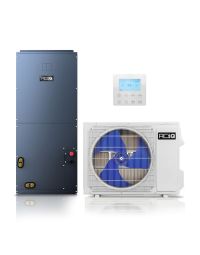
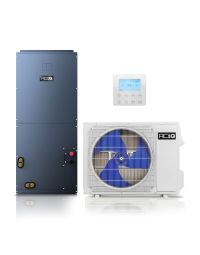
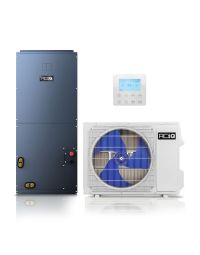
What is a Heat Pump?

One great way of getting more efficient cooling and heating in your home is with a heat pump. Like a refrigerator, this unit utilizes electricity to shift heat from cool to warm spaces, making the warm space warmer and the cool one cooler. Throughout the hot season, they move heat from outdoors into your warm home and throughout the cooling season, they move heat from indoors to outdoors. However, heat pumps aren't merely for heating. Many can combine air conditioning and heating. Actually, numerous ductless mini-split AC units also function as heat pumps. If you're thinking of investing in this equipment, Goodman heat pump is the ideal option for your needs. Here's what you need to know about this equipment.

Types of Heat Pumps

The three types of heat pumps are:
  • Air-to-Air

Variable Blower MotorsThe common heat pump transfers heat between your home and the external air. Today's heat pumps have the ability to decrease your electricity use for heating by about 50% in comparison to electric resistance heating, for instance, baseboard heaters and furnaces.

Moreover, high-efficiency pumps dehumidify better compared to ordinary central air conditioners, leading to less energy consumption and more cooling comfort during summer. For numerous years, air-source pumps have functioned in almost every part of the U.S. and haven't been functional in areas with prolonged periods of subfreezing temperatures until recently. In recent years, the technology associated with air-source heat pumps has undergone advancement, enabling it to provide a lawful space-heating substitute in colder regions. If your home lacks ducts, these heat pumps are also accessible in a ductless version termed a mini-split heat pump. Additionally, a unique kind of heat pump - a reverse cycle chiller, produces cold and hot water instead of air, enabling it to function with radiant floor heating systems.
  • Geothermal
These pumps attain higher efficiencies through heat transference between your home and the ground or a water source nearby. Although they're more costly in terms of installation, they have low operating expenses since they maximize comparatively constant water or ground temperatures. These pumps have major benefits. For instance, they can decrease energy consumption by 30-60%, regulate humidity, are reliable and sturdy, and fit in a wide range of homes. Whether this type is suitable for you will be dependent on your lot's size, the landscape, and subsoil. Consequently, it's important you consult our experts before making any purchasing decision.
  • Water source
These pumps dissipate heat through water rather than air. They need a lake, well, or access to other water sources and aren't as common.

Benefits of Heat Pumps

  • They offer cooling and heating
Heat pumps can offer space cooling and heating at the touch of a button using a remote, wall monitor, or a phone app. These units can also provide cooling or heating very fast because of the nature of their design. When you install them to the appropriate specifications and in the right manner, you'll discover they offer effective room temperature control and maintain the preferred temperature.
  • High-energy efficiency ratings

ElectricHeaterThese units are presently the most cost-efficient in terms of heating through electricity, attaining an average COP (Coefficient of Performance) of 2.5 or more. In comparison, the COP of a traditional heating system, for instance, a gas boiler or electric fire, is less than one, so it takes more than a kilowatt of power to produce a kilowatt of heat power; this makes heat pumps affordable to operate.

  • Reduction of Carbon footprint
Since these units don't use combustion directly to produce heat, carbon emissions don't exist other than those produced at the point of generating electricity and only a small amount of electricity is necessary to operate the compressor, making heat pumps very eco-friendly. Moreover, they're more environmentally friendly because they currently use R410A refrigerant, which doesn't harm the ozone layer if discharged.
  • Condensation Prevention
If you buy heat pump Goodman and use it for cooling during summer, your room will be dehumidified automatically as a function of the equipment. During winter, the warm air that circulates around your property will also work to decrease condensation.
  • Air Quality Improvement in the Home
Since these units don't burn fuel to generate heat, there's no need to worry about atmospheric fumes. As the unit circulates your room's air, the filters purify and clean the air, eliminating dust, odors, mold spores, and other particles, making them great for people with allergies and asthma. If you're seeking a system that will save you money and energy, it's time you invested in Goodman heat pumps for residential use.  
June 25, 2018
blockboard tech