When you’re shopping for a mini split system, one of the most important but often overlooked factors is the type of refrigerant it needs. Refrigerants are key to your system’s heating and cooling performance. They affect energy efficiency, environmental sustainability, and overall performance. As the HVAC industry moves toward eco-friendly options and new refrigerant changes roll out, it’s key to stay informed. This way, you can choose the best system for your home.
As 2025 continues, R-32 and similar refrigerants are gaining popularity for their ability to optimize efficiency and reliability in ductless systems. This article explains the refrigerant changes, how they impact mini split air conditioner shopping, and what you need to know to choose the best option for your home.
Understanding Refrigerants in Mini Split Systems
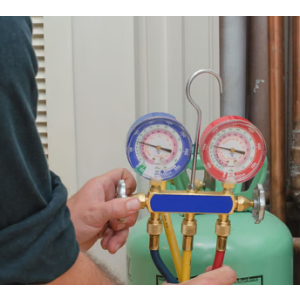
Refrigerants are the substances that absorb and release heat, allowing your mini split system to cool or warm your home. They cycle between gas and liquid states, moving heat from inside your home to the outdoors.
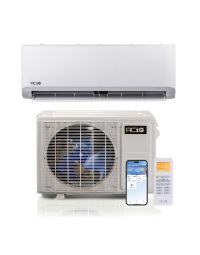
Mini split systems, unlike traditional HVAC systems, are ductless and consist of an outdoor condenser unit and one or more indoor air handlers. The refrigerant plays a vital role in transferring heat between these components. While older systems used refrigerants like R-22 and R-410A, newer models are transitioning to more eco-friendly options.
Why Refrigerants Are Changing
Older refrigerants like R-22 and R-410A have high global warming potential (GWP), contributing to environmental damage. To address this, governments and organizations are phasing out these refrigerants in favor of alternatives with lower GWP and better energy efficiency.
The Kigali Amendment to the Montreal Protocol and EPA regulations are urging the HVAC industry to use greener refrigerants. Manufacturers are now focusing on options like R-32, which offers better performance and sustainability.
The Shift from R-22 to R-410A
R-22 was once the standard refrigerant for HVAC systems, including mini splits. However, it’s harmful to the ozone layer. R-410A, introduced as a replacement for R-22, quickly became the industry standard for both residential and commercial systems.
R-410A is a more efficient refrigerant that helps improve performance. Its higher pressure and capacity allow systems to run cooler and more efficiently, making it a popular choice for mini split systems. However, R-410A also has a higher GWP (Global Warming Potential) and has led to the development of even better alternatives, like R-32.
What Is the New Refrigerant for Mini Splits?
The latest refrigerant making waves in mini split systems is R-32. This newer refrigerant is replacing R-410A in many systems due to its better performance and lower environmental impact.
R-32 is designed specifically for ductless systems. It , offersing improvedboth energy efficiency and reduced GWP. R-32 operates at a higher pressure than R-410A, meaning it can provide better cooling with less refrigerant lead to energy savings and lower operating costs. The refrigerant’s lower GWP makes it an eco-friendlier option compared to R-410A, aligning with global efforts to combat climate change.
What Refrigerant Will Replace R-410A in 2025?
For whole-home systems, several manufacturers, including Lennox, are adopting R-454B as the next refrigerant. This alternative refrigerant works great in ducted systems. It has zero ozone depletion potential, so it’s an excellent choice for heating and cooling your home.
However, for mini split systems, R-32 is still the preferred choice. R-32 aims to boost efficiency and reliability in ductless systems. It is expected to become the refrigerant for mini splits in the coming years. Its improved energy efficiency, cost-effectiveness, and lower environmental impact make it a great choice for homeowners looking to upgrade or install a new system.
Which Refrigerant Is Better, R-32 or R-410A?
R-32 generally comes out ahead of R-410A in both performance and cost-effectiveness.
R-32 has a higher-pressure ratio than R-410A, which means it can cool more effectively with less refrigerant. This results in reduced electricity consumption, which lowers your monthly energy bills. Additionally, R-32 has a significantly lower global warming potential compared to R-410A, making it a more environmentally friendly choice.
While R-410A has been the standard for many years, its higher GWP and higher refrigerant charges can make it less cost-effective over time, especially as energy efficiency becomes more of a priority for homeowners.
Ultimately, R-32 is better for mini split systems, ensuring lower operating costs and a smaller environmental footprint.
What Does This Mean for Consumers?
The transition to new refrigerants like R-32 in mini splits brings both advantages and disadvantages for consumers:
Advantages:
-
Cost and Energy Savings: With refrigerants like R-32, mini split systems are more energy-efficient, which can lead to significant cost savings on energy bills. These savings add up over time, making the higher upfront cost of a system with R-32 refrigerant worth the investment.
-
Better Environmental Impact: If sustainability is important to you, the use of refrigerants like R-32, with a lower GWP, contributes to a healthier planet. By opting for systems that use newer refrigerants, you are actively reducing your carbon footprint.
Disadvantages:
-
Compatibility and Serviceability: Older systems with R-22 or R-410A may require additional maintenance or need replacement. Since R-32 is more efficient and compatible with newer systems, upgrading to a system using R-32 may offer long-term benefits in terms of both energy savings and reliability.
-
Installation and Maintenance: While professional installation is recommended for any mini split system, the new refrigerants used in these systems may require technicians with specific expertise.
Takeaway
When shopping for a mini split system, understanding refrigerant changes can help you make a more informed decision. As the HVAC industry continues to phase out older refrigerants like R-22 and R-410A, choosing systems with the latest refrigerants ensures that you're getting the most modern and sustainable solution for your home’s heating and cooling needs.
Whether you're replacing an old system or upgrading to a more energy-efficient model, consider the long-term advantages of systems using refrigerants like R-32. You'll enjoy enhanced comfort, lower energy bills, and contribute to a more sustainable future.
Ready to make the switch to a more efficient and eco-friendly mini split system? Explore the latest models available at HVACDirect.com and take advantage of the energy-saving benefits today!