0% Financing for 12 Months* or up to 48 Months* Terms Available - Buy Now and Pay later!

Packaged Heat Pump Units

Need Help?

See our Rooftop & Packaged Unit Buying Guide to make for an easy and informed purchase.
Subcategories

Items 1-24 of 86

Set Descending Direction
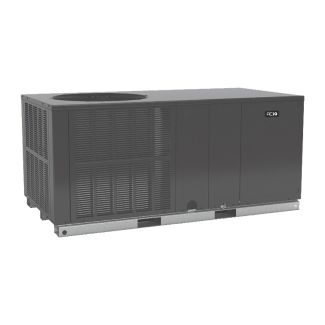
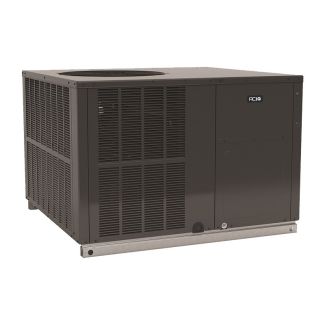
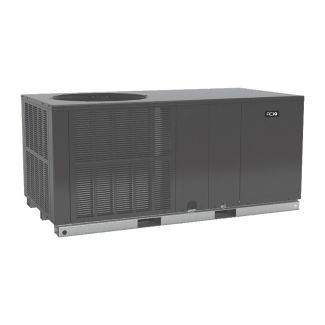
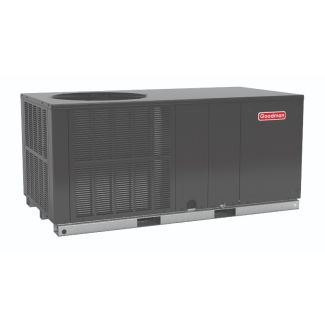
  1. 2 Ton 13.4 SEER2 Dedicated Horizontal Packaged Heat Pump System - R32 - AQ-GPHH32431
    SAVE $498.00
    2 Ton 13.4 SEER2 Package Heat Pump Unit - R32 Horizontal
    Model: AQ-GPHH32431
    Rating:
    100%
    Was $3,318.00 Your Low Price Special Price $2,820.00
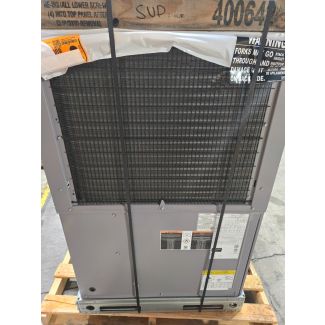
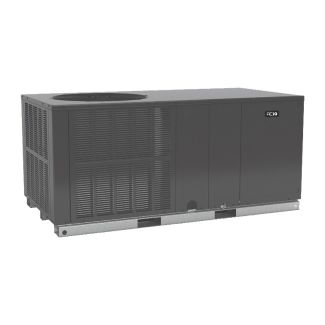
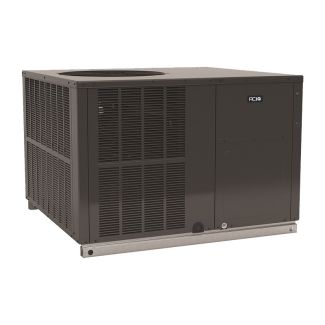
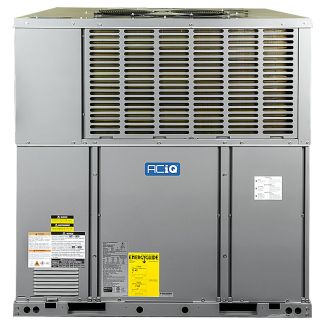
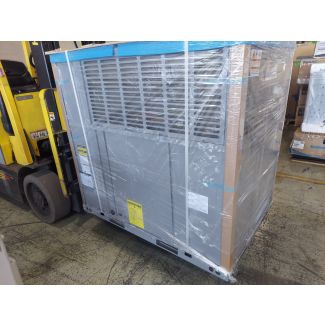
  2. ACIQ 2 Ton 13.4 SEER2 Package Heat Pump Unit – Scratch & Dent – Minimal Damage - PHB424000K000B-PU00097
    ACIQ 2 Ton 13.4 SEER2 Package Heat Pump Unit – Scratch & Dent – Minimal Damage
    SAVE $2,304.00
    ACIQ 2 Ton 13.4 SEER2 Package Heat Pump Unit – Scratch & Dent – Minimal Damage
    Model: PHB424000K000B-PU00097
    Rating:
    98%
    Was $5,407.00 Your Low Price Special Price $3,103.00
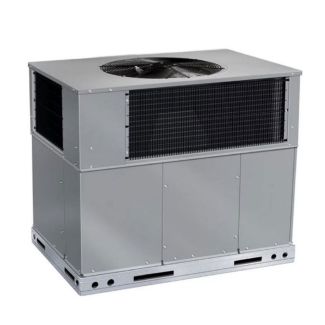
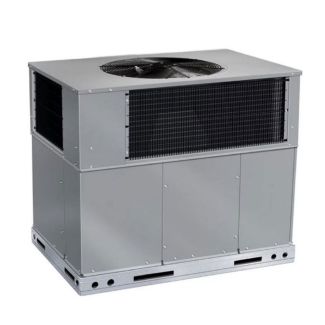
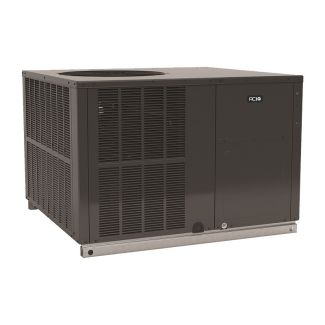
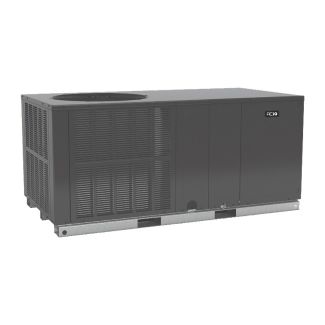
  3. 2 Ton 13.4 SEER2 Multi-Position Packaged Heat Pump Unit - R32 - AQ-GPHM32431
    SAVE $554.00
    2 Ton 13.4 SEER2 Package Heat Pump Unit - R32 Downflow/Horizontal
    Model: AQ-GPHM32431
    Rating:
    80%
    Was $3,692.00 Your Low Price Special Price $3,138.00
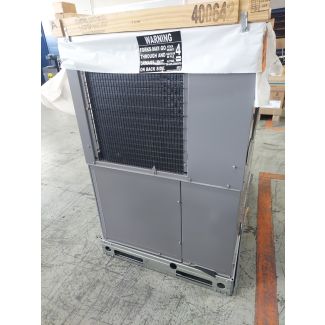
  4. Scratch & Dent ACiQ 3 Ton 13.4 SEER2 Packaged Heat Pump Unit - R454B - PHB436000-PU00114
    ACIQ 3 Ton 13.4 SEER2 Package Heat Pump Unit - Scratch & Dent – Minimal Damage
    SAVE $1,864.40
    ACIQ 3 Ton 13.4 SEER2 Package Heat Pump Unit - Scratch & Dent – Minimal Damage
    Model: PHB436000-PU00114
    Rating:
    98%
    Was $5,027.00 Your Low Price Special Price $3,162.60
  5. 2.5 Ton 13.4 SEER Horizontal Packaged Heat Pump Unit - R32 - AQ-GPHH33031
    SAVE $560.00
    2.5 Ton 13.4 SEER Package Heat Pump Unit - R32 Horizontal
    Model: AQ-GPHH33031
    Rating:
    100%
    Was $3,730.00 Your Low Price Special Price $3,170.00
  6. 2 Ton 13.4 SEER2 ACiQ Heat Pump Packaged Unit - PHD424000K000K
    SAVE $2,140.00
    ACIQ 2 Ton 13.4 SEER2 Package Heat Pump Unit - R454B Downflow/Horizontal
    Model: PHB424000K000B
    Rating:
    98%
    Was $5,407.00 Your Low Price Special Price $3,267.00
  7. 3 Ton 13.4 SEER2 Dedicated Horizontal Packaged Heat Pump Unit - R32 - AQ-GPHH33631
    SAVE $579.00
    3 Ton 13.4 SEER2 Package Heat Pump Unit - R32 Horizontal
    Model: AQ-GPHH33631
    Was $3,859.00 Your Low Price Special Price $3,280.00
  8. 2.5 Ton 13.4 SEER2 Multi-Position Packaged Heat Pump System - R32 - AQ-GPHM33031
    SAVE $588.00
    2.5 Ton 13.4 SEER2 Package Heat Pump Unit - R32 Downflow/Horizontal
    Model: AQ-GPHM33031
    Rating:
    100%
    Was $3,918.00 Your Low Price Special Price $3,330.00
  9. 3.5 Ton 13.4 SEER2 Dedicated Horizontal Packaged Heat Pump Unit - R32 - AQ-GPHH34231
    SAVE $597.00
    3.5 Ton 13.4 SEER2 Package Heat Pump Unit - R32 Horizontal
    Model: AQ-GPHH34231
    Rating:
    100%
    Was $3,977.00 Your Low Price Special Price $3,380.00
  10. 2.5 Ton 14 SEER AirQuest Heat Pump Packaged Unit - PHD430000K000F
    SAVE $1,858.00
    ACIQ 2.5 Ton 13.4 SEER Package Heat Pump Unit - R454B Downflow/Horizontal
    Model: PHB430000K000B
    Rating:
    98%
    Was $5,308.00 Your Low Price Special Price $3,450.00
  11. 4 Ton 13.4 SEER2 Dedicated Horizontal Packaged Heat Pump Unit - R32 - AQ-GPHH34831
    SAVE $617.00
    4 Ton 13.4 SEER2 Package Heat Pump Unit - R32 Horizontal
    Model: AQ-GPHH34831
    Rating:
    100%
    Was $4,112.00 Your Low Price Special Price $3,495.00
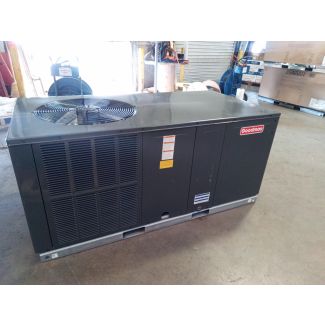
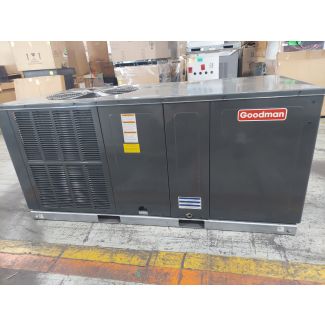
  12. Goodman 3 Ton 16 SEER Packaged Heat Pump System
    SAVE $621.00
    3 Ton 13.4 SEER2 Package Heat Pump Unit - R32 Downflow/Horizontal
    Model: AQ-GPHM33631
    Rating:
    100%
    Was $4,135.00 Your Low Price Special Price $3,514.00
  13. 3 Ton 14 SEER AirQuest Heat PumpPackaged Unit - PHD436000K000F
    SAVE $1,513.00
    ACIQ 3 Ton 13.4 SEER2 Package Heat Pump Unit - R454B Downflow/Horizontal
    Model: PHB436000K000B
    Rating:
    98%
    Was $5,027.00 Your Low Price Special Price $3,514.00
  14. 2 Ton 13.4 SEER2 ACiQ Heat Pump Packaged Unit - PHD424000K000K
    ACiQ 2 Ton 19 SEER2 Inverter Package Heat Pump Unit - R32 - Scratch & Dent – Minimal Damage
    SAVE $1,400.01
    ACiQ 2 Ton 19 SEER2 Inverter Package Heat Pump Unit - R32 - Scratch & Dent – Minimal Damage
    Model: AC-I-24-INV-HP-PKG-PU00116
    Was $5,000.00 Your Low Price Special Price $3,599.99
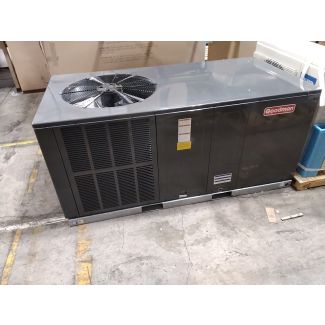
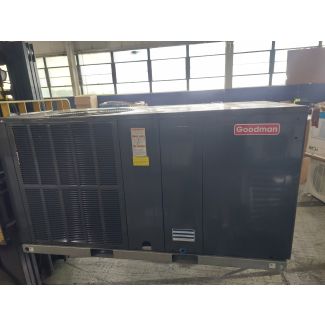
  15. Goodman 2 Ton Package Heat Pump Unit – Scratch & Dent – Minimal Damage
    Goodman 2 Ton Package Heat Pump Unit – Scratch & Dent – Minimal Damage
    SAVE $1,407.00
    Goodman 2 Ton Package Heat Pump Unit – Scratch & Dent – Minimal Damage
    Model: GPHH32431-PS-PU00009
    Rating:
    95%
    Was $5,023.00 Your Low Price Special Price $3,616.00
  16. 3.5 Ton 13.4 SEER2 Multi-Position Packaged Heat Pump System - R32 - AQ-GPHM34231
    SAVE $645.00
    3.5 Ton 13.4 SEER2 Package Heat Pump Unit - R32 Downflow/Horizontal
    Model: AQ-GPHM34231
    Was $4,295.00 Your Low Price Special Price $3,650.00
  17. 4 Ton 13.4 SEER2 Multi-Position Packaged Heat Pump Unit - R32 - AQ-GPHM34831
    SAVE $662.00
    4 Ton 13.4 SEER2 Package Heat Pump Unit - R32 Downflow/Horizontal
    Model: AQ-GPHM34831
    Rating:
    100%
    Was $4,411.00 Your Low Price Special Price $3,749.00
  18. 5 Ton 13.4 SEER2 Dedicated Horizontal Packaged Heat Pump System - R32 - AQ-GPHH36031
    SAVE $673.00
    5 Ton 13.4 SEER2 Package Heat Pump Unit - R32 Horizontal
    Model: AQ-GPHH36031
    Was $4,483.00 Your Low Price Special Price $3,810.00
  19. 2 Ton 13.4 SEER2 ACiQ Heat Pump Packaged Unit - PHD424000K000K
    ACiQ 3 Ton 18.5 SEER2 Inverter Package Heat Pump Unit - Scratch & Dent – Minimal Damage
    SAVE $1,505.01
    ACiQ 3 Ton 18.5 SEER2 Inverter Package Heat Pump Unit - Scratch & Dent – Minimal Damage
    Model: AC-I-36-INV-HP-PKG-PU00117
    Was $5,375.00 Your Low Price Special Price $3,869.99
Page
per page
Lowest Price GuaranteeLowest Price Guarantee

What is a packaged heat pump unit?

A packaged heat pump unit is an all-in-one system that combines the major heating and cooling components into a single outdoor cabinet. Unlike a traditional split system that separates equipment between an indoor air handler and an outdoor condenser, packaged heat pump units house the compressor, evaporator coil, condenser coil, and air handler together in one self-contained unit. 

Packaged heat pump units work by transferring heat rather than generating it. During summer, the system removes heat from inside the home and moves it outdoors to provide air conditioning. During winter, the refrigeration cycle reverses, extracting available heat from outdoor air and transferring it indoors for efficient heating.
A packaged heat pump unit is an all-in-one system that combines the major heating and cooling components into a single outdoor cabinet. Unlike a traditional split system that separates equipment between an indoor air handler and an outdoor condenser, packaged heat pump units house the compressor, evaporator coil, condenser coil, and air handler together in one self-contained unit. 

Packaged heat pump units work by transferring heat rather than generating it. During summer, the system removes heat from inside the home and moves it outdoors to provide air conditioning. During winter, the refrigeration cycle reverses, extracting available heat from outdoor air and transferring it indoors for efficient heating.

What are the main benefits of packaged heat pump units?

Packaged heat pump units offer several advantages for homeowners seeking an efficient, space-saving HVAC solution, including year-round heating and cooling from a single installed unit. Several other key benefits include improved indoor space utilization, convenient service access, enhanced energy efficiency, and flexibility for homes with limited mechanical space.

  • Heating and Cooling in One Complete System: Packaged heat pump units combine the compressor, evaporator coil, air handler, and heating components into a single outdoor cabinet. This all-in-one design delivers dependable heating and cooling from one integrated system, eliminating the need for separate indoor HVAC equipment. Homeowners benefit from simplified system management and consistent year-round comfort.
  •  Maximizes Indoor Living Space: Because all major HVAC components are located outdoors, these units free up valuable indoor square footage. There is no need for a dedicated furnace room, air handler closet, or attic installation. This makes them particularly attractive for smaller homes where every square foot matters.
  •  Easier Maintenance and Service Access: With all major components contained in a single cabinet, technicians can often perform inspections, maintenance, and repairs without entering the home. This streamlines service appointments and allows easier access to critical components. Routine maintenance can often be completed more efficiently than with split systems.
  • Simplified Installation: Packaged heat pump units arrive factory-assembled and ready for installation. Because the components are already integrated, installation complexity is often reduced compared to systems requiring separate indoor and outdoor equipment. They are especially convenient when replacing an existing packaged unit.
  •  Energy-Efficient Year-Round Comfort: Modern packaged heat pumps provide efficient heating and cooling from a single system. Many newer models offer significantly better efficiency ratings than aging HVAC equipment, with baseline minimums starting at 13.4 to 14.3 SEER2, helping homeowners reduce energy consumption while maintaining comfortable indoor temperatures throughout the year.
  • Ideal for Homes Without a Basement or Utility Space: These units house the heating, cooling, and air-handling components together in a single outdoor cabinet, typically installed on a rooftop or ground-level pad. Unlike a traditional split system, they do not require a separate indoor air handler or furnace, making them a practical option for homes with limited or without any attic, crawl space, basement, or mechanical-room space.

While these units offer many advantages, they may not be ideal for every application. Extremely cold climates may require supplemental electric heat, and outdoor installation can expose equipment to harsher environmental conditions than indoor HVAC components.


Which spaces are ideal for packaged heat pump units?

These units work especially well in homes with limited indoor HVAC space, existing package unit installations, rooftop applications, ground-level equipment pads, and regions with moderate heating and cooling demands.

  • Homes with Limited Indoor Space: Homes without a basement, attic, or dedicated utility room for installing an indoor air handler or furnace are excellent candidates for packaged heat pumps. Since all major equipment remains outdoors, homeowners gain valuable indoor storage and living space. This design is one of the primary reasons packaged systems remain popular.
  • Homes Replacing an Existing Package Unit: If your current HVAC system is already a packaged unit, replacing it with a new packaged heat pump is often the simplest upgrade path. The addition of a heat pump allows your system to both heat and cool. Existing ductwork and utility connections may require fewer modifications, helping reduce installation complexity and cost.
  • Homes with Rooftop Installations: Many packaged heat pump units support rooftop installation. This makes them ideal for homes where ground space is limited or where rooftop HVAC equipment is already present. Rooftop placement can also keep equipment out of sight while preserving yard space.
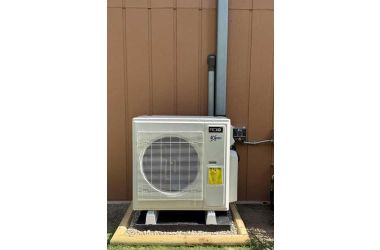
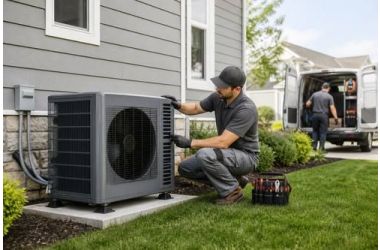
  • Homes with Ground-Level Package Unit Installations: Ground-mounted units installed on outdoor equipment pads remain one of the most common installation methods. This arrangement provides convenient service access while keeping all mechanical components outside the living area.
  • Homes in Mild and Mixed Climates: Heat pumps perform exceptionally well in regions with moderate winters and extended cooling seasons. Because they transfer heat instead of generating it, they can provide highly efficient year-round comfort in these climates.

Environmental conditions such as extreme cold, high humidity, coastal salt exposure, and excessive debris can influence packaged heat pump performance and long-term efficiency. Proper sizing, choosing a unit made for low temperatures, and maintenance help minimize these impacts.


What type of packaged heat pump unit do you need?

The most popular packaged heat pump configurations include horizontal units, horizontal/downflow units, standard-efficiency models, and high-efficiency inverter-driven systems. The right choice depends on your home's duct design, installation location, efficiency goals, and budget.

  • Horizontal Package Heat Pump Units: Horizontal packaged heat pump units are designed for homes using horizontal duct connections. They are commonly installed on pads or rooftops and simplify replacement projects when existing ductwork is already configured horizontally.
  • Horizontal/Downflow Package Heat Pump Units: These units support both horizontal and downflow airflow configurations. Their flexibility makes them ideal for rooftop installations and homes with unique duct layouts. Homeowners benefit from greater installation versatility without changing equipment categories.
  • Standard-Efficiency Package Heat Pump Units: Standard-efficiency models provide dependable heating and cooling at an affordable purchase price. They represent a practical solution for homeowners replacing older HVAC systems while balancing performance and budget.
  • High-Efficiency Package Heat Pump Units: High-efficiency packaged heat pumps with SEER2 ratings of 16 or higher feature improved performance ratings and lower operating costs. Many include advanced compressor technologies that help reduce energy consumption while improving comfort and temperature consistency.

Packaged heat pumps are ideal for buildings and properties with limited indoor utility space because all heating and cooling components are housed in a single outdoor cabinet. Homeowners can choose the type that best meets their needs. Spaces with abundant indoor mechanical room capacity or homes planning extensive indoor HVAC customization may benefit more from traditional split systems than packaged equipment.


What features matter most when buying packaged heat pump units?

When comparing packaged heat pumps, focus on capacity, efficiency ratings, compressor technology, cold-weather performance, and thermostat compatibility. These features have the greatest impact on comfort, operating costs, and long-term satisfaction.

  • Proper System Capacity (Tonnage): Selecting the correct tonnage, typically ranging from 2 to 5 tons depending on your space, is critical for system performance. In most replacement applications, matching the existing unit's capacity helps maintain proper airflow, comfort, and efficiency unless a professional load calculation indicates otherwise.
  • Energy Efficiency: Compare SEER2 and HSPF2 ratings when evaluating packaged heat pumps. Packaged units must meet 13.4 SEER2, 10.6 EER2, and 6.7 HSPF2 ratings. Higher-efficiency systems generally consume less electricity and can reduce annual heating and cooling expenses while improving overall performance.
  • Variable-Speed Inverter Technology: Variable-speed inverter systems automatically adjust output to match heating and cooling demand. Compared to single-stage equipment, they provide quieter operation, improved humidity control, more consistent temperatures, and enhanced efficiency.
  • Cold-Climate (Hyper Heat) Performance: Cold-climate heat pumps are engineered to maintain heating performance at lower outdoor temperatures. Homeowners in colder regions can reduce reliance on supplemental electric heat and enjoy improved winter comfort. Examples include MRCOOL’s Hyper Heat Central Ducted System and ACiQ’s Extreme series.
  • Smart Thermostat Compatibility: Smart thermostat integration allows remote temperature control, scheduling, and energy monitoring. These features can improve convenience while helping homeowners optimize system efficiency and reduce utility costs.

Before purchasing, also consider installation requirements, warranty coverage, available accessories, and compatibility with existing ductwork and electrical systems.


What size packaged heat pump unit do you need?

Residential packaged heat pumps commonly range from 2 tons to 5 tons, with HVACDirect.com offering multiple capacity options across this range.

  • 2 Ton (1,000 to 1,500 sq. ft.): A 2 ton system provides enough heating and cooling capacity for compact living spaces without excessive energy consumption, including small single-family homes, condominiums and townhomes, and small vacation cabins.
  • 2.5 Ton (1,250 to 1,750 sq. ft.): This size offers a balance between efficiency and comfort, making it one of the most popular choices for homeowners who need more capacity than a 2 ton unit but do not require the output of a larger system. They are ideal for medium-sized ranch houses, townhomes with multiple levels, and smaller suburban homes with open floor plans.
  • 3 Ton (1,500 to 2,000 sq. ft.): A 3 ton heat pump represents the "sweet spot" between performance and operating costs for many average homes, split-level homes, new construction homes, and larger townhouses.
  • 3.5 Ton (1,800 to 2,400 sq. ft.): A 3.5 ton system is often chosen when a home's layout, sun exposure, or occupancy creates greater heating and cooling demands than a standard 3 ton unit can efficiently handle, like in two-story homes, homes with vaulted ceilings, or homes with larger window areas.
  • 4 Ton (2,000 to 2,700 sq. ft.): Homeowners often select a 4 ton system when conditioning a larger living area or when additional cooling capacity is required due to climate, occupancy, or architectural design features including larger two-story homes, homes with finished basements, and properties featuring expansive open-concept floor plans.
  • 5 Ton (3,000+ sq. ft.): A 5 ton heat pump delivers substantial heating and cooling capacity for larger structures but should only be installed when load calculations support it, including spaces such as homes with extensive glass exposure, larger custom-built homes, or small commercial spaces, offices, and retail buildings.

An oversized system may short cycle and reduce humidity control, while an undersized system may struggle to maintain comfortable temperatures and increase energy consumption.


 Are packaged heat pump units energy efficient?

Modern packaged heat pump units are available in standard and high-efficiency configurations, with many residential systems offering SEER2 ratings beginning around 13.4 and increasing into higher-efficiency ranges depending on model and technology. Higher SEER2 and HSPF2 ratings generally translate to lower annual heating and cooling costs, although they often require a larger upfront investment. Variable-speed inverter models can further improve efficiency by adjusting output to match demand instead of operating at full capacity all the time. Over the life of the equipment, the energy savings from higher-efficiency models may help offset the initial purchase price. 


Additional factors to consider when buying packaged heat pump units

Beyond sizing and efficiency, several installation and compatibility considerations can influence your purchasing decision, including:

  • Installation Location: Verify whether your new unit will be installed on a rooftop or ground-level equipment pad. Choosing a configuration that matches the existing application can simplify installation and reduce costs.
  • Unit Dimensions and Roof Curb Compatibility: Roof-mounted replacements should be evaluated for cabinet dimensions and curb compatibility. Matching these specifications can minimize structural modifications and labor expenses.
  • Electrical Requirements: Confirm voltage, breaker sizing, and electrical service compatibility before purchasing. These units usually require a dedicated 208/240V double-pole circuit. Addressing electrical requirements upfront helps avoid installation delays.
  • Ductwork Compatibility: Many packaged units use square duct connections. Homes with round ductwork may require transition adapters or additional modifications during installation.
  • Auxiliary Electric Heat Compatibility: Most packaged heat pumps require a separately purchased electric heat kit if supplemental heating is desired. This accessory provides backup heating capacity during extremely cold weather.
  • Warranty Coverage: Warranty terms vary by manufacturer and product line. Compare compressor and parts coverage as well as registration requirements when evaluating different systems. 

Considering these details in advance can streamline installation and help ensure your new packaged heat pump operates as expected without costly delays or incorrect equipment purchases.


Which brands make the best packaged heat pump units?

HVACDirect.com offers packaged heat pump units from trusted manufacturers, including Goodman, ACiQ, RunTru by Trane, and MRCOOL.

  • Goodman: Goodman is well known for dependable performance and affordability. Its broad product lineup and strong parts availability make it a popular choice for residential replacements.
  • ACiQ: ACiQ offers both standard and advanced inverter-powered packaged heat pumps. Homeowners benefit from strong efficiency ratings, modern technology, and excellent overall value.
  • RunTru by Trane: Backed by Trane engineering, RunTru systems balance quality construction, dependable performance, and competitive pricing. They appeal to homeowners seeking proven HVAC heritage.
  • MRCOOL: MRCOOL delivers superior efficiency, all-electric comfort, quieter operation, and a wide operating temperature range. These systems are ideal for homeowners prioritizing comfort and long-term energy savings.

The best packaged heat pump brand depends on your needs and budget. Goodman is known for value, ACiQ for innovation and performance, RunTru for trusted engineering, and MRCOOL for efficiency.


How much do packaged heat pump units cost?

These units cost from $2,800 to $8,200+ for equipment, with installation, operating expenses, maintenance, and potential incentives also impacting total cost.

  • Equipment Price: $2,800 to $8,200+, with system capacity, efficiency level, brand, and features all influencing the purchase price. High-efficiency inverter systems generally cost more upfront than entry-level models.
  • Installation Costs: $1,500 to $4,000, with rooftop installations, electrical upgrades, duct modifications, and equipment accessibility all affecting labor costs. Replacement projects often cost less than entirely new installations.
  • Operating Expenses: $50 to $150 per month, though energy costs depend on local utility rates, climate conditions, thermostat settings, and system efficiency. Higher-efficiency models generally reduce annual operating expenses.
  • Maintenance and Long-Term Ownership Costs: $450 to $600 a year for regular inspections, filter changes, and seasonal cleaning to help maintain performance and extend equipment life. Preventive maintenance may also reduce costly repairs over time.
  • Rebates, Tax Credits, and Financing: Certain high-efficiency packaged heat pumps may qualify for rebates, tax incentives, manufacturer promotions, or financing programs that reduce overall ownership costs.

Additional expenses may include electric heat kits, thermostats, duct modifications, adapters, electrical upgrades, permits, and professional installation services, which could add another $500+ to your price.


Why buy packaged heat pump units from HVACDirect.com?

HVACDirect.com combines brand selection, competitive pricing, technical resources, and expert support to help homeowners confidently purchase packaged heat pump systems.

  • Wide Selection of Trusted Brands: HVACDirect.com offers packaged heat pumps from Goodman, ACiQ, RunTru by Trane, and premium inverter-driven manufacturers. Customers can compare multiple brands, efficiency levels, and capacities in one place.
  • Complete Product Information: Detailed specifications, warranty details, installation resources, and compatibility information are available on product pages. This helps simplify research and system selection.
  • Competitive Pricing and Financing: HVACDirect.com offers competitive online pricing and financing options. Flexible payment solutions can make HVAC upgrades more manageable for homeowners.
  • Expert Customer Support: Knowledgeable HVAC specialists can help answer technical questions, compare products, and guide customers toward the right system for their application.
  • Fast Nationwide Shipping: Nationwide shipping and extensive inventory availability help customers receive equipment quickly. This can be especially valuable when replacing a failed HVAC system.

HVACDirect.com provides the combination of product selection, value, educational resources, and customer support that homeowners and contractors need to shop with confidence.
Recent Posts

Why Inverter AC Condensers Are the Best Option for Lower Electric Bills
Homeowners cannot control the price charged for each kilowatt-hour, but they can control how much electricity their cooling system needs. That is becoming more important as residential electric rates continue to climb. The U.S. Energy Information Administration forecasts an average residential...
Read more
How Much Does It Cost to Replace an HVAC System in 2026?
How the equipment is purchased can also make a meaningful difference. For a common full-system project—such as replacing a central air conditioner and gas furnace while keeping usable ductwork—a turnkey contractor-supplied project may cost **about $11,000 to $17,000**. Purchasing a matched system...
Read more
How Can an A2L Mitigation Board Help You Replace Only Your AC Condenser?
When an older R-410A outdoor condenser fails, replacing the entire HVAC system is not always the only option. If the indoor evaporator coil or air handler is still in usable condition, an A2L refrigerant detection and mitigation kit may allow that indoor equipment to remain in place while the...
Read more
Can I Replace Just My Outdoor AC Unit?
When the outdoor portion of a central air conditioner fails, replacing only that unit can sound like the simplest and least expensive solution. Sometimes it is. However, a central split system is not a collection of interchangeable parts. The outdoor condenser and the indoor evaporator coil work...
Read more

Call Now and Get a Free Quote Today! 1-800-397-1392

FAQs about packaged heat pump units

Most packaged heat pump units last approximately 10 to 15 years, although well-maintained systems may operate longer. Climate, maintenance frequency, installation quality, and usage patterns all influence equipment lifespan. Regular filter changes and professional tune-ups can help maximize longevity and performance.

The most accurate sizing method is a Manual J load calculation, which is performed by an HVAC professional. This evaluation considers square footage, insulation, windows, occupancy, orientation, and local climate. For replacement projects, matching the existing tonnage is often a useful starting point unless the home has undergone significant changes.

Standard heat pumps can continue operating in freezing weather, although efficiency decreases as temperatures drop. Many systems use supplemental electric heat for backup during extremely cold conditions. Advanced cold-climate models, often called Hyper Heat, can maintain effective heating capacity at much lower outdoor temperatures.

Yes, most residential packaged heat pump units are designed to connect to ductwork. The system distributes heated or cooled air throughout the home using supply and return ducts. Homes without ducts may require duct installation or another HVAC solution such as ductless mini splits.

Most modern packaged heat pumps begin around 13.4 SEER2, while premium models offer higher efficiency ratings. Higher SEER2, over 16, and HSPF2, 8.1 or above, values generally reduce energy usage and lower utility bills. The ideal efficiency level depends on your climate, budget, and long-term ownership plans.

Many high-efficiency packaged heat pumps may qualify for local utility incentives, manufacturer promotions, or federal energy-efficiency programs. Eligibility varies by location and model. Always verify qualification requirements before purchasing. You can also use the HVACDirect.com Rebate Center, an online tool that helps homeowners find local utility rebates, manufacturer savings, and energy incentives available for upgrading their heating and cooling systems.

Routine maintenance includes replacing filters, cleaning coils, inspecting electrical connections, checking refrigerant performance, and clearing debris around the outdoor cabinet. Most manufacturers recommend professional service at least once per year. Regular maintenance helps preserve efficiency and reduce repair costs.

Yes, packaged heat pumps can replace certain gas furnace systems when the home's HVAC design and electrical infrastructure are suitable. Heat pumps provide both heating and cooling from one system. Homeowners in colder climates may also choose auxiliary electric heat for additional winter performance because these units typically do not provide heat as powerful as gas furnaces

Packaged heat pumps are installed entirely outdoors. Common installation locations include ground-level equipment pads beside the home and rooftop applications. The unit connects directly to the home's ductwork to distribute conditioned air indoors.

Many packaged heat pump units are specifically designed for rooftop installation and support downflow airflow configurations. Rooftop placement can save yard space and simplify replacement when existing rooftop equipment is already present. Proper structural support and roof curb compatibility should always be verified before installation.

blockboard tech