Your cookie preferences
We use cookies to remember your preferences and understand how shoppers use our site, helping us improve your shopping experience.
Read our privacy policy
Want a quality stove?
Find long lasting stoves made in America at HVACDirect.com. The hearth industry is in need of quality options, those options are made right here in America. Get the back-up you need when buying stoves by American local bussinesses, while helping support American economy. Help build a better American Future. Buy American Made.
Save up to 20% on Stoves!
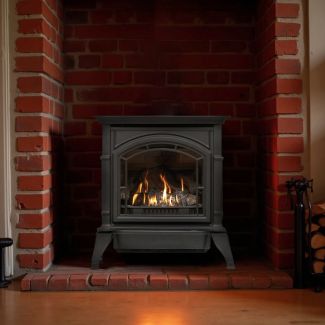
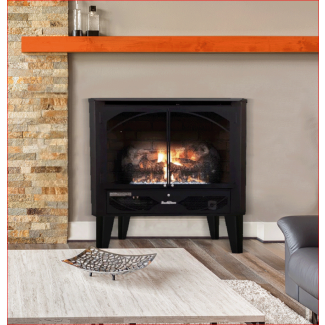

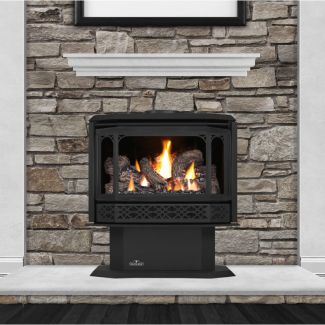
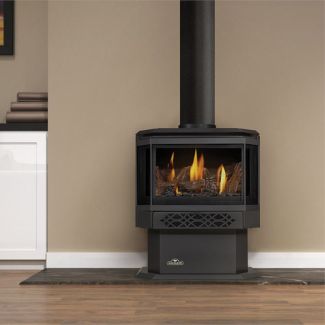
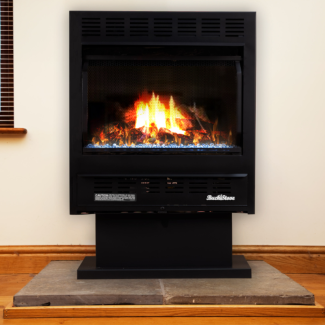
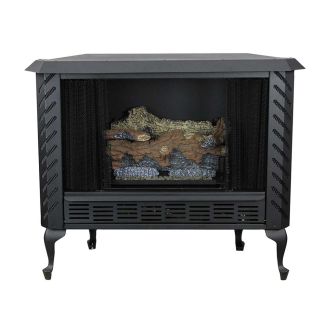

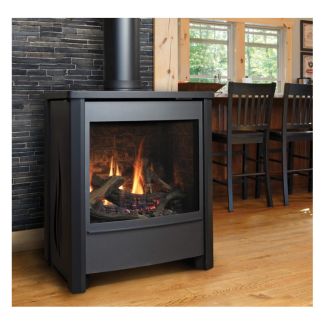
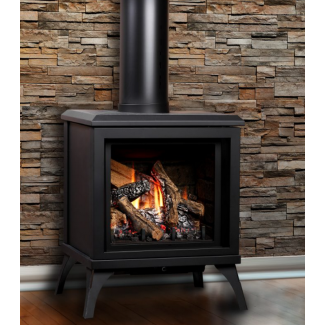
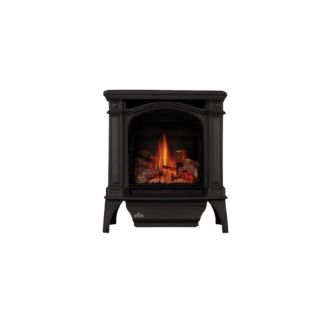
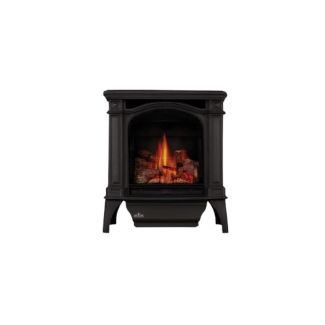
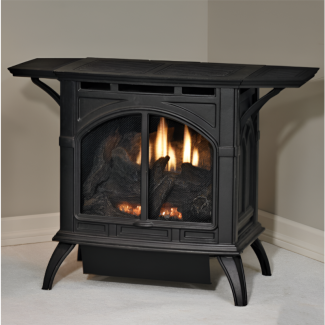
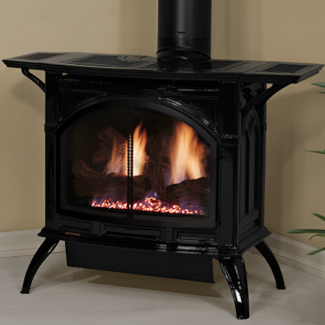
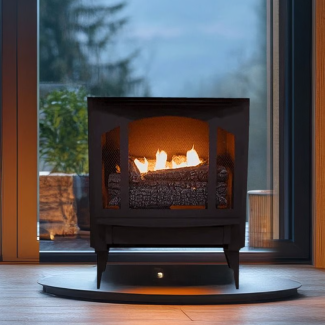
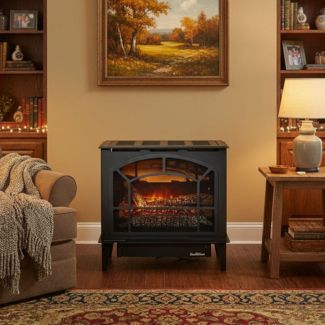
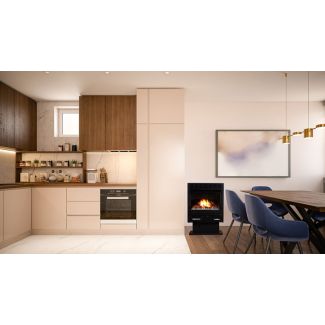
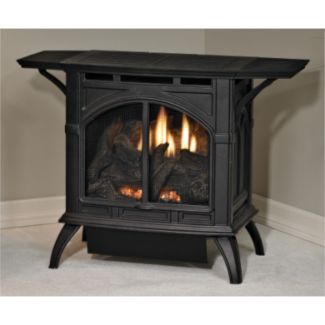
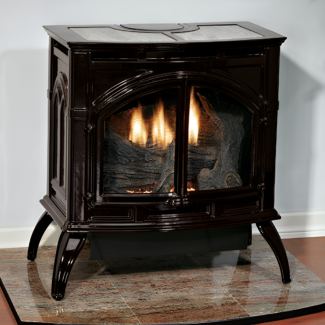
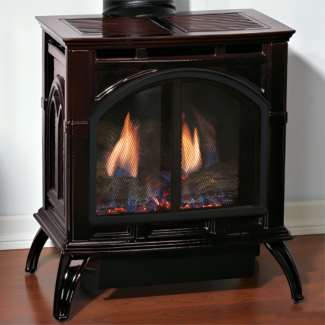
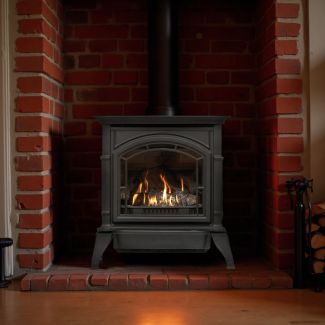
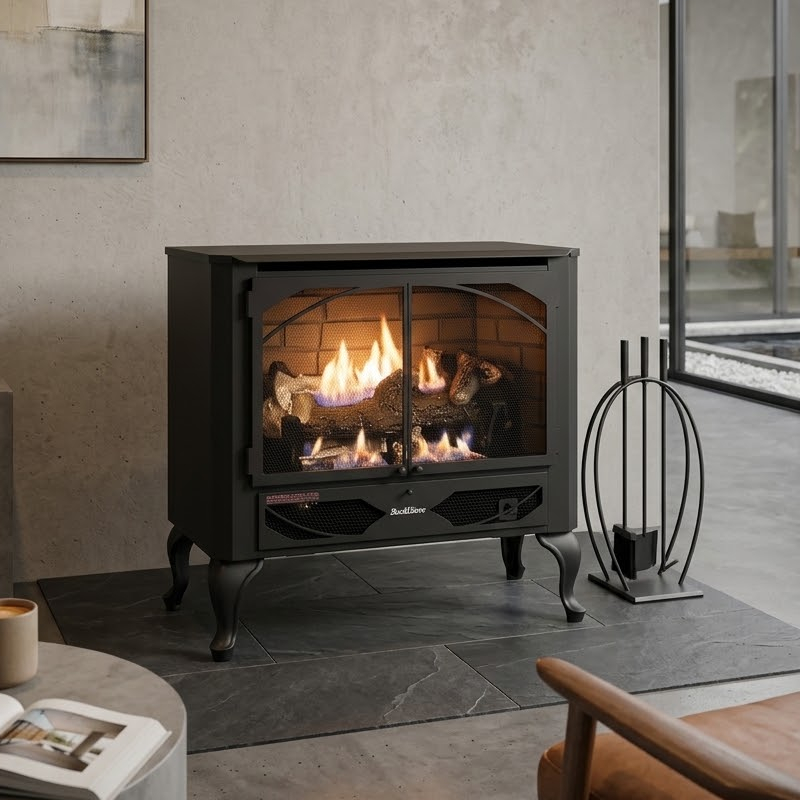
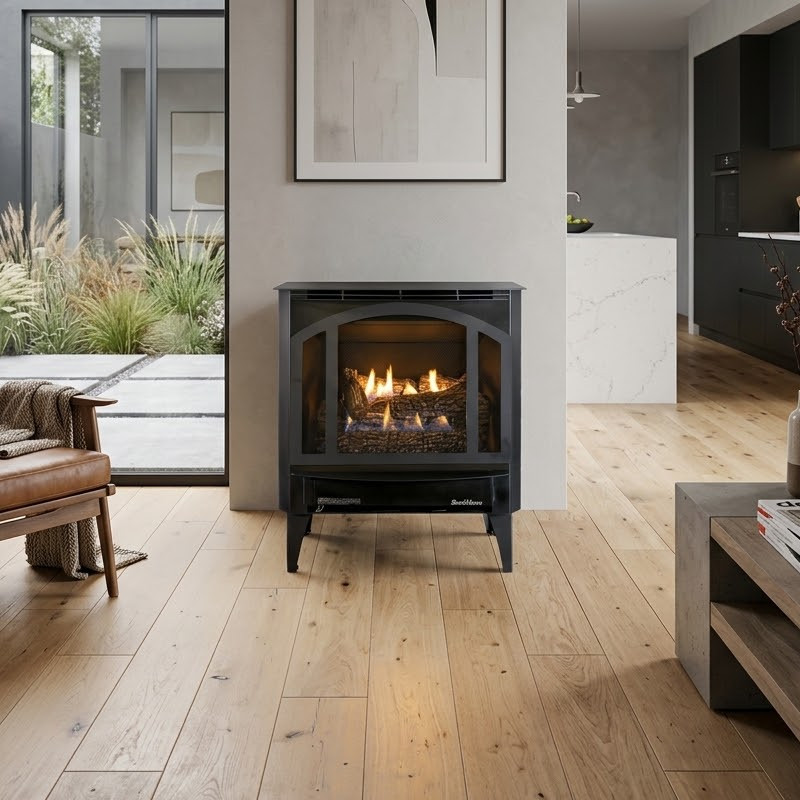
A gas heating stove is a freestanding heating appliance that burns natural gas or propane to provide heat for a room or a defined area of a home. Gas heating stoves intentionally resemble wood burning stoves for decor and are available in ventless and direct vent designs. Many models are built with realistic flame displays and decorative log sets to combine heating performance with the appearance of a traditional stove. They are commonly used for supplemental heating and, in some cases, as a primary heat source for specific living spaces.
This kind of stove works by supplying natural gas or propane to a burner assembly, where the fuel is ignited to produce heat. The heat generated by combustion warms the surrounding air, and many models use built-in blowers to circulate that heated air throughout the room more efficiently. Direct vent models draw combustion air from outdoors and vent exhaust gases outside, while ventless models release heat directly into the living space and operate without a venting system.
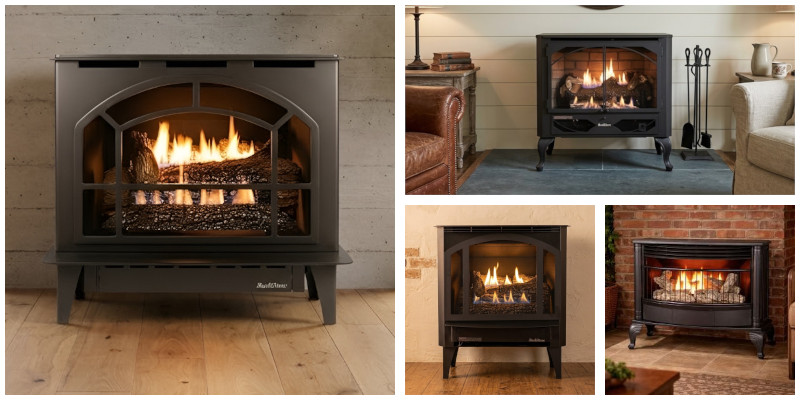




A gas heating stove is a freestanding heating appliance that burns natural gas or propane to provide heat for a room or a defined area of a home. Gas heating stoves intentionally resemble wood burning stoves for decor and are available in ventless and direct vent designs. Many models are built with realistic flame displays and decorative log sets to combine heating performance with the appearance of a traditional stove. They are commonly used for supplemental heating and, in some cases, as a primary heat source for specific living spaces.
This kind of stove works by supplying natural gas or propane to a burner assembly, where the fuel is ignited to produce heat. The heat generated by combustion warms the surrounding air, and many models use built-in blowers to circulate that heated air throughout the room more efficiently. Direct vent models draw combustion air from outdoors and vent exhaust gases outside, while ventless models release heat directly into the living space and operate without a venting system.
Gas heating stoves are worth considering for homeowners who want efficient, targeted heat without relying solely on a central heating system. They offer several practical benefits, including fast warmth, fuel options, and dependable performance during cold weather. The right model depends on your heating needs, home layout, and available fuel source.
Direct Heating: Gas heating stoves provide instant heat directly to the space where they are installed. They warm occupied areas without waiting for a central system to heat the entire home.
Fuel Flexibility: Many gas heating stoves can operate on either natural gas or propane. This gives homeowners more options based on local utility availability and installation requirements.
Zone Heating: Gas heating stoves allow you to heat specific rooms instead of the whole house. This targeted approach can improve comfort in frequently used spaces.
Cold-Weather Heating: Gas heating stoves deliver consistent heat output even during very cold temperatures. Many models can serve as a dependable supplemental or primary heat source for designated areas.
Backup Heating: Many gas heating stoves continue to operate during power outages when equipped with pilot light systems. This provides an additional layer of heating security during winter weather events.
Decorative Appeal: Gas heating stoves combine heating performance with the appearance of a traditional fireplace. Realistic flames, decorative logs, and cast-iron designs can enhance a room's visual appeal.
Convenient to Use (vs. Wood or Pellet): Gas heating stoves eliminate the need to store fuel, start fires manually, or remove ash. Many models offer simple operation through switches, remote controls, or thermostats for easy temperature management.
Gas heating stoves are most beneficial when homeowners need supplemental heat, backup heating capability, or greater control over comfort in specific rooms. Installation requirements, fuel availability, and local building codes should be reviewed before purchase. Direct vent and ventless models each offer different advantages depending on the application.
These stoves are well suited for spaces that benefit from targeted, room-by-room heating. They can provide supplemental or primary heat depending on the stove size, fuel type, and installation. The following spaces are among the most common applications for gas heating stoves:
Living Rooms: Living rooms are one of the most popular locations for gas heating stoves. They provide comfortable heat where families spend the most time while adding a fireplace-style focal point.
Family Rooms: Gas heating stoves work well in family rooms that require consistent warmth during daily activities. Their direct heat output helps maintain comfort without heating unused areas of the home.
Open Spaces: Open floor plans can benefit from the strong heat output of appropriately sized gas stoves. Many models are designed to provide supplemental heating in larger gathering areas.
Cabins: Gas heating stoves are commonly used in cabins because they provide reliable heat and can operate independently from central HVAC systems. Many models are available in both propane and natural gas configurations.
Workshops: Workshops often require dedicated heating separate from the main living area. Gas heating stoves can help maintain comfortable working conditions during colder months.
Basements: Basements are frequently cooler than upper floors and can benefit from supplemental heating. Gas heating stoves help turn finished basements into more comfortable living or recreation spaces.
Gas heating stove sizing should match the square footage and heating load of the space. Venting requirements, fuel availability, and local building codes should always be reviewed before installation.
Selecting the right gas heating stove requires matching your home to direct vent, ventless, or freestanding configurations. Different stove types are designed to fit different spaces, from open living rooms to homes without access to natural gas service.
Freestanding Stoves: They are often selected when homeowners want a prominent heating appliance that also serves as a focal point. Freestanding gas heating stoves are designed to sit directly on the floor and can be installed in living rooms, family rooms, cabins, and other open spaces.
Vent-Free Stoves: These stoves are commonly used in finished basements, dens, additions, and other areas that need supplemental heating. Vent-free gas heating stoves are well suited for spaces where installing a vent pipe is difficult or impractical.
Direct-Vent Stoves: The direct-vent variety is frequently installed in primary living areas, great rooms, and bedrooms where local codes permit. Direct-vent gas heating stoves are ideal for living spaces where homeowners want sealed combustion and outdoor venting.
Cast Iron Gas Stoves: Their durable construction and classic appearance make them a popular option for cabins, cottages, and homes with vintage décor. Cast iron gas stoves are often chosen for traditional, rustic, or historic-style spaces.
Natural Gas Heating Stoves: These kinds of heating stoves provide a continuous fuel supply and are commonly installed in main living areas that require regular heating throughout the winter. Natural gas heating stoves are best for homes connected to a natural gas utility line.
Propane Gas Heating Stoves: They are frequently used in rural homes, vacation properties, workshops, and cabins that rely on propane storage tanks. Propane gas heating stoves are designed for homes without access to natural gas service.
The best gas heating stove depends on the space being heated, available venting options, and fuel availability. Matching the stove type to the installation environment helps maximize comfort, efficiency, and long-term performance.
The right stove size depends on more than square footage alone. Heating capacity, room characteristics, and installation requirements all affect the size and configuration needed for reliable performance.
Heating Area: Start by determining the total area the stove needs to heat. Larger spaces generally require higher-capacity models, while smaller rooms can often be heated effectively with lower-output units.
BTU Output: Gas heating stoves are rated by BTU output, which measures the amount of heat they can produce. Choosing a stove with an appropriate BTU rating helps ensure the space is heated efficiently without excessive energy use.
Room Dimensions: Room length and width play a major role in selecting the correct stove size. Open-concept layouts may require more heating capacity than enclosed rooms with similar square footage.
Ceiling Height: Rooms with high, vaulted, or cathedral ceilings contain a greater volume of air to heat. These spaces often benefit from gas heating stoves with higher BTU outputs than rooms with standard 8-foot ceilings.
Insulation Levels: Well-insulated homes typically retain heat more effectively and may require less heating capacity. Poorly insulated spaces can increase heat loss and may need a larger stove to maintain comfort.
Climate Zone: Colder climates usually demand higher heating capacity than milder regions. Selecting a stove that matches local winter conditions helps maintain consistent indoor temperatures during extended cold weather.
Required Clearances: Installation clearances affect which stove sizes and configurations can be used in a space. Always verify wall, furniture, and combustible-material clearance requirements before selecting a model.
Proper sizing helps maximize comfort, efficiency, and long-term performance. Reviewing heating area requirements, BTU ratings, and installation limitations before purchase can help ensure the gas heating stove is matched to the space it will serve.
The best features for gas heating stoves are those that improve comfort, convenience, and heating performance, like adjustable heat outputs, automatic ignition systems, and integrated blower fans. Prioritizing the right options can help you select a stove that better matches your heating needs and personal preferences.
Adjustable Heat: This feature helps improve temperature control while reducing unnecessary fuel consumption. Adjustable heat settings allow you to increase or decrease heat output based on changing comfort needs.
Automatic Ignition: Quick startup from auto ignition can make everyday operation more convenient. Automatic ignition systems eliminate the need for manual lighting.
Flame Adjustment: Many models allow homeowners to balance visual ambiance with heating performance. Flame adjustment controls let you customize the appearance and intensity of the fire.
Thermostat or Remote Control: Built-in thermostats and remote controls simplify temperature management. These features help maintain consistent comfort without requiring frequent manual adjustments.
Style (Modern or Traditional): Gas heating stoves are available in a wide range of designs to complement different home aesthetics. Choosing a style that matches the room can enhance both comfort and visual appeal.
Finish/Color: Manufacturers offer various finishes and colors, including matte black, metallic, and enamel options. The right finish can help the stove blend seamlessly with surrounding décor.
Blower Fan: This feature can improve heat circulation and increase overall heating effectiveness. A blower fan helps distribute warm air more evenly throughout the room.
The most important features depend on how the stove will be used and where it will be installed. Homeowners often prioritize a combination of comfort controls, appearance, and heat distribution features to achieve the best overall experience.
Leading manufacturers like Buck Stove, Empire, Napoleon, and Kingsman offer top tier gas heating stoves with different design styles, heating capacities, and installation options. Comparing leading brands can help narrow your choices based on performance, appearance, and available features.
Buck Stove: The brand offers models designed for both efficiency and long-term durability in residential applications. Buck Stove is known for producing gas heating stoves that combine traditional styling with dependable supplemental heating performance.
Empire: This company’s product lineup includes vent-free and direct-vent models with a variety of heat outputs, finishes, and control options. Empire is one of the most recognized gas heating stove manufacturers available through HVACDirect.com.
Napoleon: Many models from Napoleon feature realistic flame presentations, premium finishes, and modern convenience features such as remote controls and blower options. Napoleon offers gas heating stoves that emphasize both heating performance and visual appeal.
Kingsman: This brand is known for offering customizable styling options and direct-vent stove configurations for a variety of living spaces. Kingsman manufactures high-quality gas heating stoves designed for efficient home heating and attractive aesthetics.
The best gas heating stove brand depends on your heating requirements, preferred appearance, and installation needs. Comparing fuel type, venting options, heat output, and available features can help identify the right model for your home.
The variable annual total cost of a gas heating stove (approximately $1,400 to $7,400+) includes the equipment itself, installation expenses, ongoing fuel usage, and long-term maintenance. Understanding each cost category can help you budget more accurately before making a purchase. Prices concerning gas heating stoves and the following are planning estimates that are subject to change and are not guaranteed costs.
Gas heating stove equipment prices reflect current HVACDirect.com listings, where pricing can fluctuate frequently. Buying direct through HVACDirect.com may save up to 70% on HVAC equipment versus local company pricing. Installation, labor, energy, maintenance, and service costs vary by system size, efficiency, installation complexity, local contractor and utility rates, climate, and location. For an accurate project estimate, it is advised to consult a qualified local HVAC professional or an HVACDirect.com specialist to point you in the right direction.
Equipment Cost: With an estimated range of $750 to $4,400, basic models typically cost less than premium units with advanced controls, decorative finishes, and higher heat outputs. Equipment costs vary based on brand, heating capacity, venting type, construction materials, and included features, but highlight models from Buck Stove, Empire, and Napoleon in the budget, mid-tier, and high-end classes provide an assortment of options.
Installation Cost: A probable range of $500 to $2,300 is estimated for installation and permits concerning these stoves, especially for installs that require additional venting and gas line layouts. Direct-vent installations are often more expensive than vent-free installations because of the additional venting components required. Installation costs depend on factors such as gas line access, venting requirements, electrical connections, and labor rates. It is not uncommon to be charged $100 to $200 per hour for labor, which may be tacked onto or in place of the cost for installation.
Operation Cost: The monthly cost to operate a gas heating stove can vary from $30 to $100. Operating costs are primarily determined by fuel type, local utility rates, climate conditions, and how frequently the stove is used. Higher-efficiency models may help reduce fuel consumption over time.
Maintenance Cost: Gas heating stoves generally require periodic inspections, cleaning, and servicing to maintain safe and efficient operation, and a $100 to $200 service visit is standard. Cost for a maintenance visit may increase by $100 to $400 if replacement accessories are necessary. Maintenance costs can vary based on the model, usage levels, and whether professional service is required. The HVACDirect.com Repair vs. Replace Cost Calculator can help you find the cost benefits of keeping what you have with comparison to financing a new replacement.
The overall ownership cost of a gas heating stove extends beyond the initial purchase price. Comparing equipment, installation, operating, and maintenance expenses can help identify the best value for your heating needs and budget.
HVACDirect.com offers a combination of value, product selection, and purchasing support for homeowners shopping for a gas heating stove. Buying from a specialized HVAC retailer can simplify the process of finding the right model for your heating needs.
Competitive Pricing: This helps homeowners compare models and features while staying within budget. HVACDirect.com offers competitive pricing across a wide range of gas heating stoves.
Wide Selection: This online retailer carries a broad selection of gas heating stoves in multiple sizes, styles, and venting configurations. Shoppers can compare products from several leading manufacturers in one place.
Trusted Brands: The following brands, Empire, Napoleon, Kingsman, and Buck Stove, are often recognized for producing reliable residential heating products. This company offers their products and others from established stove manufacturers.
Free Shipping: Many gas heating stoves sold through HVACDirect.com qualify for free shipping. This can help reduce the overall cost of purchasing a new heating appliance.
Wholesale Pricing: HVACDirect.com focuses on delivering wholesale-style pricing directly to consumers. This approach can provide significant value compared to traditional retail purchasing channels.
Expert Support: Guidance from experts can make selecting the right stove easier and more efficient. This business provides access to knowledgeable product specialists who can help answer questions about sizing, fuel types, venting requirements, and installation considerations.
Purchasing from HVACDirect.com gives homeowners access to a large inventory of gas heating stoves, competitive pricing, and experienced customer support. These advantages can help streamline the buying process and improve confidence when selecting a new heating appliance.

Gas heating stoves are safe when they are properly installed, operated according to manufacturer instructions, and maintained on a regular schedule. Direct-vent models use sealed combustion systems that draw air from outdoors and vent exhaust outside, making them one of the safest options for residential heating. Vent-free models are also designed with built-in safety features, including oxygen depletion sensors, but they must be installed in accordance with local building codes and manufacturer requirements. Regular inspections, proper clearances, and correct fuel connections help ensure safe and reliable operation over the life of the appliance.
Many gas heating stoves can operate without household electricity because they use standing pilot lights or millivolt ignition systems to ignite the burner and produce heat. These models can continue providing heat during a power outage, making them a useful backup heating option. However, optional features such as blower fans, remote controls, electronic ignition systems, and thermostats may require electrical power to function. Always review the manufacturer's specifications to determine which functions will operate with or without electricity.
Gas heating stoves typically use either natural gas or propane. Most models are manufactured for one specific fuel type or include conversion options that allow them to operate with either fuel when approved by the manufacturer. Natural gas stoves are commonly installed in homes connected to a utility gas line, while propane stoves are popular in rural locations, cabins, and properties without natural gas service. Before purchasing a gas heating stove, it is important to verify that the appliance matches the available fuel source and installation requirements.
No, most of these stoves do not require a traditional masonry chimney because they are designed as either direct-vent or vent-free appliances. Direct-vent models use a dedicated vent pipe that brings in combustion air and exhausts gases outside through a wall or roof. Vent-free models do not require external venting where permitted by local building codes. Always follow the manufacturer's venting requirements and local regulations when selecting and installing a gas heating stove.
Sometimes a gas heating stove can heat an entire house if the home is relatively small, has an open floor plan, and the stove's BTU output is properly matched to the heating load. However, vent-free stoves are not recommended to be the primary heat source for any home. In most homes, gas heating stoves are used as supplemental or zone-heating appliances that provide heat to specific rooms or areas rather than every room in the house. For whole-home heating, a central furnace or another dedicated heating system is typically a more effective solution, especially in larger homes with multiple enclosed spaces.
These stoves typically last 15 to 25 years when they are properly installed, regularly maintained, and operated according to the manufacturer's guidelines. The lifespan can vary based on the quality of the stove, frequency of use, fuel type, and environmental conditions. Routine inspections, burner cleaning, and prompt replacement of worn components can help extend the unit's service life. Purchasing a well-built model from a reputable manufacturer and following recommended maintenance schedules can maximize long-term performance and reliability.
All gas heating stoves can be used during a power outage. Millivolt ignition requires no electricity, while electronic ignition systems have a battery backup. These models are often used as emergency or backup heat sources because they can operate when the electrical grid is unavailable. However, optional features such as blower fans, remote controls, and electronic thermostats may not function until power is restored. Always review the manufacturer's specifications to confirm which stove functions remain operational during an outage.
Ventilation needs of a gas heating stove depend on its type. Direct-vent gas heating stoves require a venting system that brings in combustion air and exhausts combustion gases outside the home. Vent-free gas heating stoves are designed to operate without external venting, although they must comply with local building codes and manufacturer requirements. Always verify the venting requirements for the specific stove model before installation to ensure safe and code-compliant operation.
Professional installation is recommended. Gas heating stoves require proper gas connections, adherence to clearance requirements, and compliance with local building codes, all of which are critical for safe operation. This gas appliance requires a trained technician to install. Improperly connecting gas lines or improperly connecting a gas flue or venting may result in death. By purchasing this item, you are agreeing that you are using a trained technician to install this gas appliance. We will not be responsible for any injury or property damage arising from improper service or service procedures. Whoever installs or services this unit assumes responsibility for any personal injury or property damage which may result. Many jurisdictions require a license to install this equipment.
Gas heating stove fuel consumption varies based on the stove's BTU output and the amount of time it operates. Higher-capacity models generally use more natural gas or propane per hour than lower-capacity units because they produce more heat. Most residential gas heating stoves range from about 10,000 to 40,000 BTUs, with actual fuel usage increasing or decreasing as the heat setting is adjusted. Factors such as outdoor temperatures, home insulation, thermostat settings, and heating demand also affect overall gas consumption throughout the heating season.
Yes, gas heating stoves are commonly used as supplemental heating appliances that add warmth to specific rooms or areas of a home. They provide direct heat where it is needed most, which can help improve comfort in frequently occupied spaces without relying entirely on a central heating system. Many homeowners install gas heating stoves in living rooms, family rooms, basements, cabins, and additions to support their primary heating equipment. The effectiveness of supplemental heating depends on the stove's BTU rating, the size of the space, and the home's insulation levels.