We use cookies to make your experience better. To comply with the new e-Privacy directive, we need to ask for your consent to set the cookies. Learn more.

1-800-397-1392
Today's Hours 8am - 11pm estCool large spaces naturally with portable evaporative coolers. Using water evaporation, these eco-friendly units lower air temperatures efficiently while providing consistent airflow. Ideal for warehouses, patios, greenhouses, and workshops, portable evaporative coolers are cost-effective solutions for sustainable comfort.
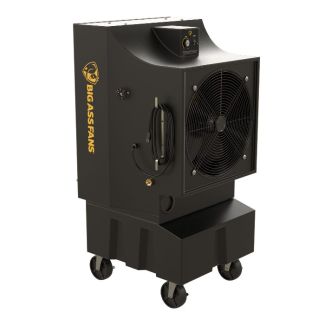

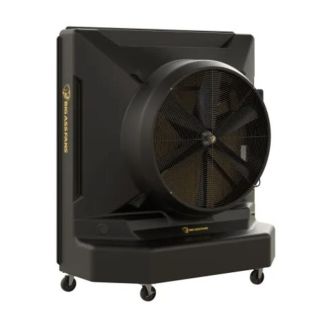
An evaporative cooler is a cooling system that lowers the temperature of outdoor air through water evaporation. Unlike traditional air conditioners, these units do not use refrigerant or a compressor to change temperatures. They are highly efficient and also add moisture to the air, making them most effective in hot, dry climates with relatively low humidity
Evaporative cooling works by utilizing an internal pump to saturate thick media pads with water while a heavy duty fan draws hot air through the wet material. As the warm air passes through the wet pads, the moisture evaporates and naturally strips heat from the air to reduce the temperature by up to 20ºF. The fan then continuously pushes this newly chilled and refreshing breeze directly into your indoor environment.
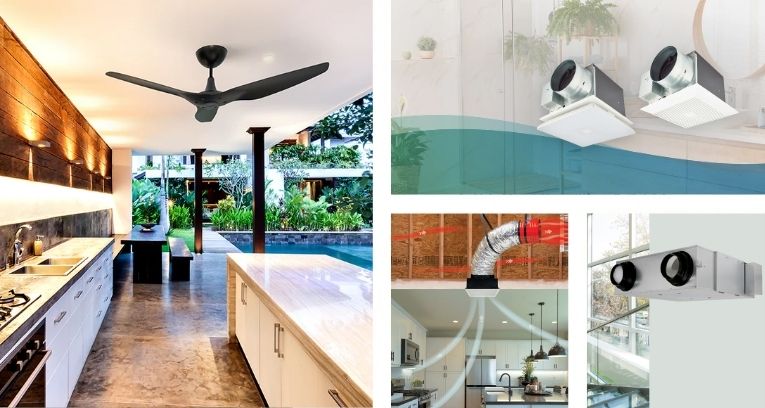

Portable evaporative coolers are often worth the investment because they can lower air temperatures in open spaces without the high operating costs of traditional air conditioning. Their biggest advantage is mobility. Built-in wheels allow the cooler to be moved between work areas, patios, event spaces, warehouses, and other locations where cooling needs may change throughout the day. Most portable models require only a compatible electrical outlet and water supplied through an onboard reservoir or hose connection. Their mobile design usually requires only a compatible electrical outlet and a freshwater source, allowing the units to deliver thousands of cubic feet per minute of cooled airflow wherever it is needed.
Evaporative coolers provide energy-efficient cooling for both indoor and outdoor spaces, such as garages, greenhouses, homes, patios, data centers, and more. These versatile systems deliver targeted climate control to spaces ranging from hot industrial warehouses to residential patios. Because they use a fan and water pump rather than an energy-intensive compressor, portable evaporative coolers typically consume less electricity than traditional air-conditioning systems. They also require little or no permanent installation, making them ideal for open spaces where traditional AC is ineffective or too expensive.
Portable evaporative coolers provide targeted cooling for warehouses, manufacturing plants, loading areas, and other large facilities that can be difficult or expensive to air condition due to constant airflow changes caused by entrances and exits. Large industrial facilities utilize these powerful units to keep workers comfortable and reduce heat stress on the factory floor. They are especially useful in hot, dry facilities with high ceilings, open doors, or heat-producing equipment. By lowering the temperature of the air around occupied work areas and increasing air movement, they can help improve worker comfort and support a broader workplace heat-safety plan.
A portable cooler turns a hot workshop or automotive garage into a usable workspace during the peak of summer heat. These units work perfectly in spaces with open bay doors because they rely on continuous airflow to lower temperatures. Open airflow helps remove exhaust fumes while cooling the workspace. However, actual temperature reduction depends on outdoor heat and humidity, and the cooler should not be used as a replacement for required exhaust or ventilation systems.
Homeowners in dry climates can use these systems as an eco-friendly alternative to central air conditioners to lower utility bills. By using a water pump and fan instead of a refrigerant compressor, these systems add moisture to dry indoor air while filtering dust and pollen through wet cooling media. This creates a fresh indoor breeze that keeps living spaces comfortable for a fraction of the operating cost. For effective indoor operation, a nearby window or door should be partially opened so warm air can escape and fresh cooled air can continue moving through the space.
Evaporative coolers can help greenhouse operators lower air temperatures during hot, dry weather while adding moisture to the incoming air. Evaporative systems provide the perfect dual benefit of cooling the air while increasing humidity to prevent delicate crops from drying out. When paired with properly sized fans and ventilation openings, they can move cooled air through growing areas and help protect plants from excessive heat. This affordable climate control helps growers maximize their yields throughout the warmest months of the year.
Portable evaporative coolers are well suited for patios, outdoor dining areas, event spaces, and other open-air environments. Because they do not need to recirculate enclosed indoor air, they can deliver a noticeable cooling breeze in locations where conventional air conditioning would be ineffective. Outdoor entertaining spaces benefit greatly from the targeted breeze of a mobile cooling unit. Traditional air conditioners cannot cool an open backyard or deck, but these systems thrive in open-air environments. They allow restaurant guests and homeowners to enjoy outdoor seating areas comfortably even on hot summer afternoons.
Before using one in an RV, check the cooler’s voltage, amperage, physical dimensions, and water requirements. These efficient units often operate within a 110V-to-240V range or use standard low-voltage setups because they require electricity only to run a small water pump and circulation fan. They offer an ideal cooling solution for dry off-grid camping locations where traditional rooftop air conditioning units would require a loud and heavy generator. Because the unit requires fresh airflow, a window, roof vent, or door must remain partially open while it operates.
Server rooms and technology centers generate extreme heat that can damage sensitive computer electronics. Specialized cooling units provide a low-cost way to remove this thermal load and maintain stable operating temperatures. This prevents equipment failure and ensures steady performance without the massive power drain of heavy refrigeration systems.
You will need a specific type of evaporative cooler based on the size of your space, which can include portable, commercial, industrial, compact, and high capacity types. They all typically range from small 15 gallon portable units to massive 80 gallon industrial systems. The right choice depends on your daily water capacity requirements and the total square footage you need to cool. Selecting the correct model ensures optimal airflow and maximum temperature drops in dry climates.
Choosing a model with a larger tank or a cooler that connects with the use of a hose reduces how often you must refill the unit during hot days. However, larger industrial systems require more floor space and draw more power than smaller mobile units. Balancing your physical space constraints with your cooling demands will help you select the most efficient system.
Room coverage, power supply, water access, drainage, and solar power are key factors that impact performance and installation before finalizing your equipment selection. Doing so guarantees that your system runs efficiently. Key variables like room dimensions and electrical layouts determine how well your machine performs over time. Properly matching these factors to your building layout ensures a continuous drop in temperature without overloading your utility infrastructure.
Reviewing your available utilities before purchase prevents installation delays and ensures your equipment operates at maximum capacity from day 1. While checking your room dimensions provides immediate comfort benefits, verifying your power and water configurations guarantees long term system reliability.
The top brands for this product category include top manufacturers known for high CFM output, durability, and energy efficiency for commercial, industrial, and residential spaces. These trusted companies build rugged equipment capable of dropping temperatures across large areas without drawing heavy amounts of electricity. Choosing a system from an established brand ensures reliable component construction and access to excellent product warranty support.
Reviewing the specific tank capacities and electrical specifications of these major brands will help you select the most efficient unit for your facility layout. While compact mobile designs give you maximum placement flexibility, industrial models from these top builders offer the superior CFM output needed to handle extreme heat loads.
Evaporative coolers have an average upfront cost ranging from $825 to $5,000 and can be cost-effective because their purchase prices and daily operating expenses are lower than those of standard air-conditioning systems. Total upfront and long term costs depend heavily on the physical size of the machine and how many hours it runs each day. Factoring in your utility rates and initial equipment budget ensures you find a system that keeps your facility comfortable without breaking the bank.
Reviewing these financial metrics highlights the massive budget benefits of choosing alternative climate equipment over central air systems. While commercial refrigeration setups cost thousands of dollars to operate each season, evaporative systems provide immediate relief for pennies on the dollar.
Buying your evaporative cooler from HVACDirect.com guarantees you direct wholesale pricing that saves you up to 30% compared to local retail options. Our extensive online inventory features top tier systems ranging from compact 15 gallon portable units up to massive 80 gallon industrial cooling machines. This direct access allows you to secure commercial grade ventilation hardware at the absolute lowest available market rates.
Sourcing your new system from a dedicated distributor ensures you receive proper technical guidance on airflow ratings and water capacity metrics. This careful planning prevents you from buying an undersized model that will struggle during severe heat waves. Ultimately, choosing a specialized supplier provides the long term equipment support and verified parts access that general retail stores cannot match.
An evaporative cooler uses between 0.5 gallons and 1.6 gallons of water per hour, depending on the physical size of the machine and the ambient humidity levels. Smaller portable models with a 15 gallon tank run on the lower end of this scale, while large 80 gallon industrial cooling units consume more water to refresh massive commercial spaces. This consumption rate ensures the thick internal media pads remain completely wet so the fan can continuously deliver a chilled breeze.
No, evaporative coolers do not work well in humid climates because the surrounding air is already saturated with moisture. These systems rely on the natural evaporation of water to drop air temperatures. When humidity is below 50%, water evaporates easily and cools the air significantly. However, when ambient humidity levels climb above 60% to 70%, the air cannot absorb additional water vapor, which prevents effective evaporation and leaves the space feeling damp or sticky rather than cool.
You need an evaporative cooler sized by CFM based on your room volume. A standard rule of thumb is to multiply your total square footage by your ceiling height, and then divide that number by two. You can also consider fan size and motor power for more precise sizing. If you need assistance concerning appropriate unit sizing, please call to speak to our knowledgeable HVACDirect.com sales representatives at 1-888-557-8296.
Yes, evaporative coolers are easy to clean and maintain because they feature simple mechanical layouts without complex refrigeration lines. Basic upkeep involves wiping down the exterior housing and flushing the water reservoir every few weeks to prevent mineral buildup and ensure fresh airflow. Also, you only need to slide out the cooling media pads once or twice a season to rinse them off with a standard garden hose. This simple cleaning helps to remove mold that may grow on the pads from their constant exposure to heat and moisture on the pad surface.
Yes, you can winterize an evaporative cooler by draining the system completely and disconnecting its water supply line before freezing temperatures arrive. This simple process protects the internal water pump, reservoir, and water supply valves from cracking or bursting when the temperature drops below 32°F (0°C). Safely preparing your unit for winter takes less than 30 minutes and ensures your system is clean and ready to deliver chilled air as soon as spring returns.
Evaporative coolers are completely safe for humans and animals because they do not utilize harmful chemical refrigerants or greenhouse gases to drop air temperatures. Instead, these systems rely entirely on natural water evaporation and continuous airflow to create a chilled, refreshing breeze. Because they add moisture to the environment, they may also help relieve dry skin and irritation in the nasal passages and respiratory system of people and animals.
Commercial and industrial evaporative coolers do come with standard manufacturer warranties that protect your investment against unexpected mechanical defects. For example, some coolers feature robust 12-month parts warranties covering the internal water pump, circulation fan, and outer housing components. This built-in coverage ensures you can keep your warehouse, garage, or outdoor patio reliably cool throughout the hot summer months without worrying about unexpected repair bills.
An evaporative cooler can last between 10 and 15 years when you perform basic seasonal maintenance and protect the equipment from winter freezing. The heavy-duty plastic or metal outer housing and the internal circulation fan are built to endure years of continuous operation in harsh industrial environments. To maximize this lifespan, you only need to replace the porous cooling media pads every 3 to 5 years and swap out the small internal water pump if it wears down over time.
You can purchase a high-quality evaporative cooler directly from specialized online distributors like HVACDirect.com, which offers factory-direct pricing on premium brands. Buying from an authorized commercial supplier ensures you get a fully backed manufacturer warranty, expert sizing advice, and access to a wide selection of units ranging from mobile residential models to massive industrial systems. Additionally, most major models qualify for fast freight delivery options to bring the heavy cooling equipment right to your doorstep or commercial job site.