We use cookies to make your experience better. To comply with the new e-Privacy directive, we need to ask for your consent to set the cookies. Learn more.

1-800-397-1392
Closed Until Monday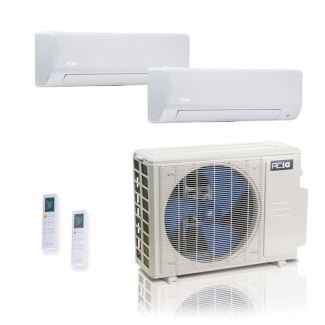


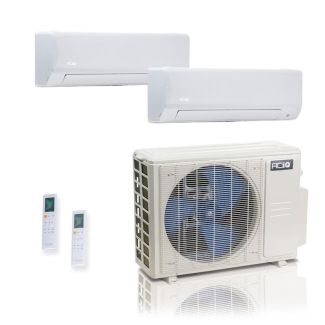
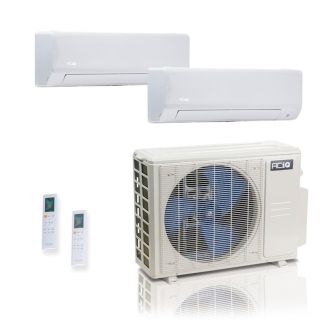
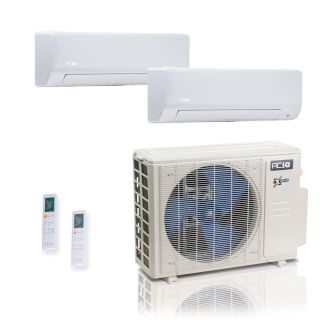
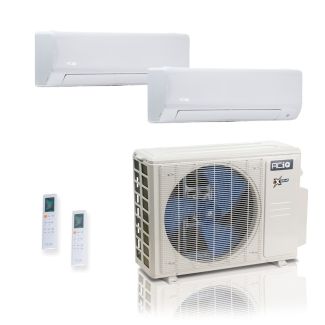


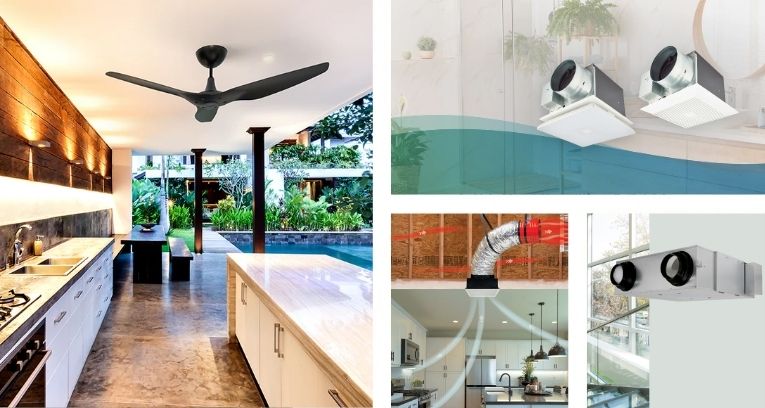

Bedroom mini split systems allow you to individually heat and cool bedrooms separately from the rest of the house. The indoor air handler(s) connect directly to the outside condenser via linesets that run on the outside of the house so there is no need for ductwork.
Mini split systems work by moving refrigerant between the outdoor compressor and the indoor air handler in each bedroom. They are available as single zone systems for one bedroom or as multi zone systems that connect multiple bedrooms to a single outdoor unit.
Mini split systems are ductless and whisper quiet for personal comfort and energy savings. They are especially popular for bedrooms because sleep experts tend to recommend cooler temperatures for a better night’s sleep, and a mini split lets you keep the bedroom cooler at night without having to cool down the whole house.
Whisper-Quiet for Less Disruption: Bedroom mini splits can run as quietly as 19 decibels (dBA), so you can sleep soundly without the noise you get from window units, portable ACs, or central systems kicking on and off outside your window.
Personalized Comfort: With mini splits, each bedroom gets its own thermostat. That means everyone can set their perfect sleeping temperature at night and keep their room just right for relaxing, reading, or working during the day.
Better Air Quality: Many bedroom mini splits come with multi-stage filters that catch dust, allergens, and other particles. Cleaner air at night means less irritation and better sleep.
Energy Savings Through Zoning: Because each bedroom runs independently, you can keep the bedrooms being used comfortable at night while turning down empty ones instead of heating or cooling the whole house for one room.
No Ductwork Required: Mini splits only need a small hole in the wall to connect to the outdoor unit. They’re perfect for upstairs bedrooms that get too hot or downstairs rooms that stay too cool when central air can’t keep up.
A mini split can make up for central air systems that often have trouble keeping bedrooms comfortable, especially upstairs, because heat rises and those rooms are often far from the main air handler or furnace and at the end of long duct runs. This distance makes it harder for conditioned air to reach them effectively for both heating and cooling.
If your bedroom is small and you can only fit the unit directly over the bed, blowing air right on you and causing dry skin or eyes, you’ll want to avoid installing a mini split there. It’s also not worth it if your room stays comfortable with your central system already, or if there’s no simple way to run the line from the bedroom to the outside.
Mini split air conditioners are great for well-insulated bedrooms of any size, since single zone systems come in various capacities to suit the room conditions. Examples include upstairs bedrooms, attic bedrooms, bonus rooms, master bedrooms and guest rooms. Here’s why they are a favorite in these spaces among homeowners:
Upstairs Bedrooms: Heat rises and upstairs bedrooms are farther from the main air handler or furnace and at the end of long duct runs, so they are often the hottest rooms in the house and the hardest for central air to keep comfortable. A mini split gives you direct heating and cooling right where you need it, so specific rooms stay cool in summer and cozy in winter.
Converted Attic Bedrooms: Attic conversions are difficult to condition due to poor insulation, heat from the roof, and challenges with running ductwork up there. A mini split is the best and easiest way to make these bedrooms more comfortable.
Bonus Rooms Used as Bedrooms: Ductless bedroom mini splits are great for bonus rooms or new additions used as bedrooms, which are often not connected to the home's main duct system. You won’t have to pay to extend your ductwork.
Master Bedrooms: Master bedrooms benefit from a dedicated mini split because they are often larger than standard bedrooms and may need more power to heat and cool them.
Guest Bedrooms: If your guest room sits empty most of the time, a mini split lets you turn off heating and cooling until you have visitors. That way, you’re not paying to keep an empty room comfortable.
Keep in mind, factors like poor insulation, big windows, high ceilings, or lots of sun can make it harder for a mini split to maintain temperatures. Be sure to consider these when picking the right size system for your bedroom.
Yes, you can install a bedroom mini split yourself or hire a professional, depending on your experience level, budget, and how hands-on you want to be with the project. Here’s what to know about both options:
DIY Bedroom Installation: Some brands, like Stealth and MRCOOL, sell DIY mini split systems with pre-charged parts that make it possible for a non-licensed person to install. This can help you save money on labor, but you still need to mount the unit, run the lines, and set up drainage correctly.
Professional Bedroom Installation: Many people choose professional installation to have the work handled for them. An installer can place the unit, complete the setup, and get the system running properly.
Local jurisdictions require both mechanical and electrical permits for these installations to ensure the system meets safety codes and structural requirements. These will vary by city and county.
Bedroom mini splits cost between $500 to $5,000+, depending on the unit capacity, brand, and installation and labor costs.
Equipment Cost: $500 to $3,000+, depending on the BTU capacity, brand, and whether the unit features high-efficiency SEER2 ratings or cold-climate technology.
Installation and Labor Cost: $500 to $2,500+, which covers the electrical circuit, mounting the indoor head, and running the refrigerant lines to the outdoor condenser. A DIY unit will have no labor costs and will be cheaper since you are installing it yourself.
Operation and Maintenance Cost: Around $30 to $50+ monthly for electricity, with costs varying by climate and local rates. Maintenance is $100 to $200 a year for filter replacements and a recommended annual professional cleaning.
Installing a mini split in a bedroom or upstairs will require electrical and mechanical permits to ensure the unit complies with local building regulations, and these permits cost $100 to $400.
A high wall mounted air handler is the best type of indoor unit for bedrooms because it offers the quietest operation, saves floor space, is easy to install, and, because it is high on an exterior wall, provides the best airflow distribution. If you’re lacking wall space or have slanted walls in an upstairs bedroom that a wall mounted unit doesn’t work well with, here is every option available:
Wall Mounted Air Handlers: These are the most popular and quietest option for bedrooms, and they’re usually the most affordable. They go high on an exterior wall, so they spread air evenly and stay out of the way of your furniture, windows, and floor space.
Ceiling Cassettes: These units are recessed into the ceiling and work best in bigger master bedrooms or bonus rooms, where their multi-directional airflow can cover more space.
Slim Ceiling Cassettes: A lower-profile version of the standard cassette, designed for bedrooms with shallow ceiling depths, offering the same clean, recessed look.
Floor Mounted Air Handlers: These go low on the wall and are good for upstairs bedrooms with big windows, sloped ceilings, or not much upper wall space. However, they tend to be the loudest out of the five types. Some specific varieties of these indoor units, often called universal floor/ceiling units can be suspended from the ceiling as well, if your bedroom lacks floor space.
Concealed Duct: Since these units are hidden above the ceiling and out of sight, they are a great choice for bedrooms, especially kids’ and teens’ rooms, which are often the most personal and individually-styled spaces in the home.
Ceiling cassettes and large floor mount units may struggle in bedrooms, especially upstairs rooms, because they may blow air too directly toward the bed, need extra already-limited ceiling or floor space, or feel too strong in smaller sleeping areas.
A bedroom mini split needs its own electrical circuit, the right-size wiring, a communication wire between the indoor and outdoor units, and a weatherproof disconnect box for safe operation. These are general guidelines to follow; refer to your model’s manual for specific requirements.
Dedicated Circuit: Your mini split needs its own 15- or 20-amp circuit, which can’t be shared with other outlets.
Power Supply: Bedroom mini split systems typically operate on either 115 to 120V or 208 to 240V power, depending on the model and your home’s electrical setup, not just the unit size. Always check the manufacturer’s specifications and have a licensed electrician confirm the correct voltage and breaker requirements for your system.
Proper Wire Gauge and Type: Use 12- or 10-gauge copper wire to handle the load safely. Between the indoor and outdoor units, you’ll usually need 14/4 or 14/3 wire.
Outdoor Disconnect Switch: A 60-amp weatherproof, non-fused disconnect switch must be installed within sight of the outdoor condenser. This is the standard, most common, and often the most economical choice for outdoor AC condensers in bedrooms.
Always check the Minimum Circuit Ampacity (MCA) and Maximum Overcurrent Protection (MOP) ratings on your unit’s label. These numbers tell your electrician how to size the breaker and wiring for your mini split, so everything runs safely.
Most bedrooms are under 500 square feet, so a 9,000 BTU mini split is the most common size. If your room has high ceilings, lots of sun, or poor insulation, go up to a 12,000 BTU unit.
6,000 BTU (up to 250 sq. ft.): Small bedrooms, guest rooms, or nurseries that are well-insulated and shaded.
9,000 BTU (250 to 400 sq. ft.): Typical primary or secondary bedroom (usually 12 ft. x 15 ft. or 15 ft. x 15 ft.) or a small upstairs bedroom.
12,000 BTU (400 to 600 sq. ft.): Large primary bedroom, master suite, or a medium bedroom with a higher than standard 8-foot ceiling, poor insulation, or a lot of sunlight.
18,000 BTU (600 to 1,000 sq. ft.): Large upstairs suite, attic bedroom conversion, or a bedroom that gets really hot.
Never install any type of air handler that is oversized or undersized, as this could lead to uneven temperatures, constant operation without achieving comfort, short cycling, and high energy bills.
Single zone mini split air conditioners are the most common type homeowners buy for bedrooms, specifically when treating a problem “hot or cold room” without affecting the rest of the house.
Single Zone Bedroom Mini Splits: These are perfect if you just want to fix one problem room, like a hot upstairs bedroom or a master suite that never feels right. You get one outdoor unit and one indoor air handler, and you don’t have to change your main central system or add any ductwork.
Multi Zone Bedroom Mini Splits: With a multi zone system, one outdoor unit runs several indoor units, so you can control 2 to 5 bedrooms separately. This is great if you want to heat or cool multiple bedrooms and give everyone their own comfort settings.
If your upstairs bedroom is always hotter than the rest of the house, a single zone unit is usually the way to go. If you have several bedrooms that need help, a multi zone system can balance comfort on both floors.



Bedroom mini splits are designed to be whisper-quiet, so they don't disturb you while you sleep. Sound levels vary by indoor air handler type but typically range from 19 to 30 decibels (dBA), which is only as loud as a light buzz.
ACiQ and Mitsubishi are highly regarded for their reliability and low noise levels, while Stealth and MRCOOL are leaders for DIY-friendly bedroom installations.
Yes, they are great for upstairs bedrooms because they help address heat rising to the second floor without requiring expensive ductwork upgrades.
Mini splits run whisper-quiet and let you set the exact temperature you want without affecting the rest of the house. They are among the most popular upgrades homeowners make to sleep more comfortably in a master bedroom.
Yes, most mini splits are heat pumps, which means they can both cool your bedroom in the summer and heat it in the winter. When properly sized for the room, they can keep a bedroom comfortable year-round while using energy efficiently. Some models are cooling-mode only, though, so check the specifications to verify if yours is a heat pump.
Yes, you can install a mini split in a bedroom yourself if you choose a DIY system from a brand like Stealth or MRCOOL. You’ll need an exterior wall for the line set connection, along with the basic knowledge and skills required to complete the installation properly.
Yes, a mini split can remove humidity from a bedroom while cooling or when set to Dry Mode. It pulls moisture from the air and sends it out through the system’s condensate drain line. This helps the room feel cooler, less sticky, and more comfortable, especially in humid climates or muggy upstairs bedrooms.
You should clean the reusable plastic filters every 2 to 4 weeks and schedule a professional deep cleaning of the coils once a year.
HVACDirect has extensive experience helping homeowners with choosing and sizing mini split systems for bedrooms of any size, from small guest rooms to larger master bedrooms. Along with wholesale pricing and free shipping on most systems, our HVAC experts, with real-world experience, can help you select the right capacity, indoor unit style, and efficiency rating for your space.