We use cookies to make your experience better. To comply with the new e-Privacy directive, we need to ask for your consent to set the cookies. Learn more.

1-800-397-1392
Closed Until Monday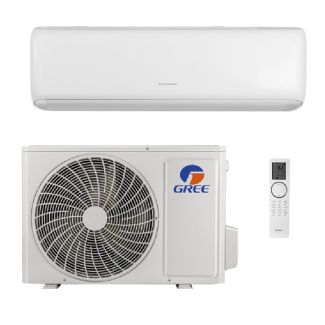

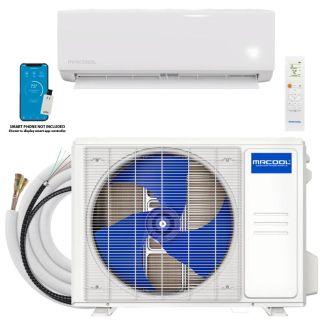
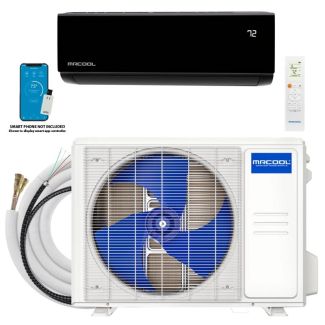
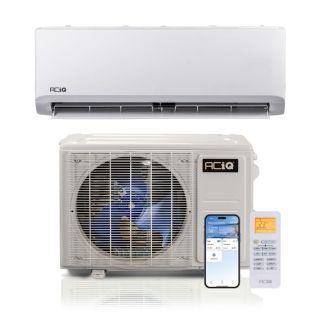

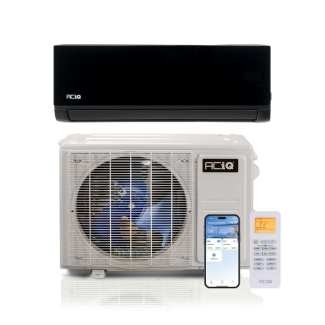
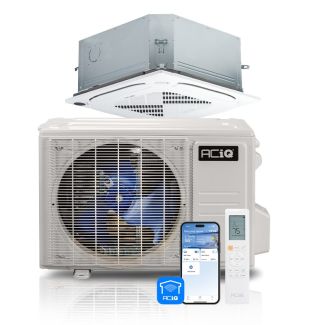
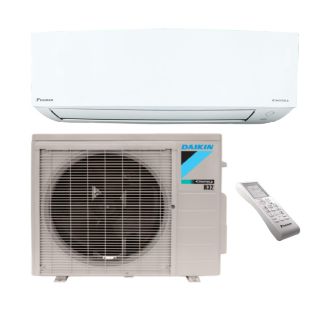
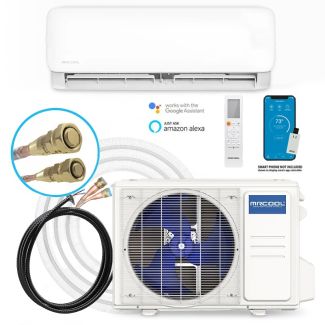


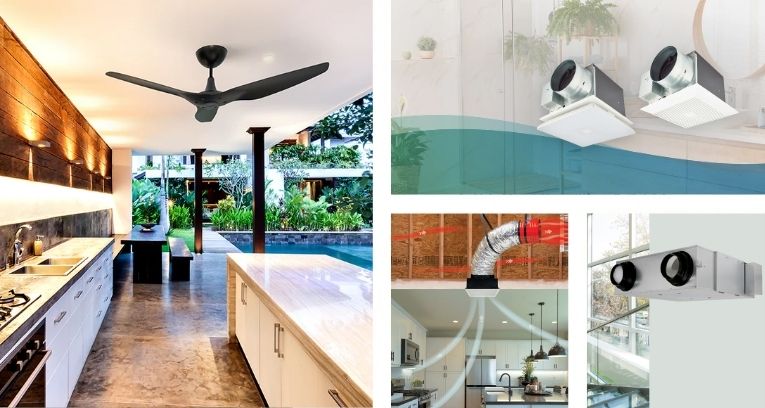

Classroom mini split systems are specialized, high-efficiency ductless heating and cooling units designed to provide localized climate control for learning spaces without requiring extensive main-building ductwork.
These systems operate by utilizing an outdoor inverter-driven condenser unit connected by refrigerant line sets to one or more independent indoor air handlers, such as wall mounted units or recessed ceiling cassettes, to directly regulate the classroom air temperature. By continuously shifting heat into or out of the room, rather than generating it via fossil fuels, these heat pumps maintain exceptionally stable room climates. They run at noise levels operating at 19 to 40 decibels (dBA), quiet enough to protect student concentration and optimize in-class instruction.
Mini split systems provide independent climate control for individual classrooms, improving teacher comfort and reducing noise distractions during instruction. Classrooms experience rapid occupancy changes (full capacity during instruction, empty during passing periods), which creates significant swings in temperature. Mini splits adapt instantly without affecting adjacent spaces.
Ductless Air Delivery: Old, early-century school classrooms and buildings were not built with ductwork or for air conditioning systems since they were often closed in the summer. Mini splits in these settings are excellent for onsite climate control without the added costs and labor associated with ducted air systems.
Whisper Quiet Operation: Standard indoor air handlers utilize direct-drive motors that operate at noise thresholds as low as 19 dB, effectively keeping ambient background sound low enough to protect student concentration and teacher vocal clarity.
Precise Zone Control: Implementing local zone thermostats allows individual educators to adjust their local temperature independently, which prevents structural heating imbalances across shaded or sun-exposed sides of the school facility.
Compact Footprint Requirements: These ductless heat pump systems utilize small refrigerant line set pipes to move thermal energy through compact wall holes, completely avoiding the large building air duct structures demanded by bulky central equipment layouts.
Hyper Efficient Inverters: Utilizing variable-speed inverter compressors, such as those found across the ACiQ Extreme Series, allows the equipment to continuously scale its BTU consumption down to match actual room occupancy rather than wasting energy on empty classrooms. The energy savings from inverter compressor-enhanced units also create cost savings for schools, which is important for institutions always in need of funding for educational programming.
Improved Indoor Air Quality: Individual classroom air handlers contain reusable multi-stage filters that capture floating dust particles locally. Since schools are a common ground for spreading germs, classroom mini splits can also assist in reducing the buildup of poor air quality in compact or closed areas.
Centralized commercial building systems and old-school rooftop packages frequently struggle in individual educational spaces because their massive, shared duct networks lack the layout flexibility to satisfy distinct, rapidly shifting classroom occupancy thermal loads simultaneously.
Mini splits work best in standalone or isolated classrooms, like portable buildings, computer labs, art studios, and basement spaces, all of which can lack connection to central building HVAC infrastructure. These specific layouts allow campus facility managers to condition distinct educational environments without running full scale central plant equipment for isolated wings.
Portable and Specialty School Buildings: Detached trailer classrooms lack existing physical connections to the core school building HVAC infrastructure, making a single zone mini split heat pump the most practical method for delivering independent climate control.
Dedicated Computer Labs: Spaces packed with rows of desktop monitors and network servers generate high levels of indoor heat that require targeted cooling entirely separate from standard classroom thermostat zones.
Isolated Art Studios: Creative learning spaces requiring dedicated ventilation for paint fumes or kiln operation benefit from independent ductless units that prevent contaminated air from recirculating into neighboring academic wings.
Basement Level Classrooms: Below-ground learning environments like basements naturally experience higher ambient humidity and lower temperatures than upper floors, which requires localized heat pump operation to stabilize moisture levels.
After-School Care Rooms: Examples include portable classrooms, biology greenhouses, science labs, workshops, and other buildings separate from the main school. Outdated school buildings are perfect matches for mini splits, as many early-20th century structures lacked any form of ducted air ventilation.
Buyers must carefully evaluate environmental factors like poor wall insulation, oversized exterior single pane windows, and high structural sun exposure, which can significantly diminish the heating and cooling effectiveness of mini split equipment. Extreme winter ambient temperatures or high local humidity levels in seasonally temperate regions will also force the system to work harder, reducing overall energy efficiency, if the structural building shell is not adequately sealed.
Unlicensed laypersons are usually not permitted to install DIY mini split systems. Older structures possess older frameworks, which a licensed professional would be trained to inspect for prospective HVAC installations. Furthermore, commercial educational building codes and district facilities guidelines almost always dictate whether an installation is legally permissible or viable. Navigating school property upgrades demands strict attention to not only mini split installation itself, but also institutional safety standards and public infrastructure assembly rules.
DIY Classroom Installation: Self-installation is prohibited in school facilities. Commercial building codes require licensed HVAC technicians to handle refrigerant handling, pressure testing, and electrical connections per the National Electrical Code. Public schools are subject to local and regional regulations, making DIY HVAC installation inappropriate in facilities where liability and child safety are significant concerns.
Professional Classroom Installation: Conversely, licensed HVAC professionals must inspect school buildings for structural safety and code compliance, protecting the school district from liability and ensuring system safety around students. Contracting a certified and licensed commercial technician ensures that your internal air handler layout, line set connections, and high-voltage breaker work fully align with factory specifications.
Before beginning any physical construction or equipment assembly on a school campus, facility managers must secure formal commercial mechanical and electrical building permits from local municipal code enforcement offices to verify that the project satisfies state safety laws.
Upfront classroom mini split installation typically costs $1,400 to $8,500 per zone, depending on equipment capacity, indoor unit type, installation complexity, and local labor rates. School districts must plan for both localized hardware costs and long-term operational budgets to properly forecast the total cost of ownership.
Equipment Cost: Mini split equipment for classrooms typically costs about $560 to $5,400 per zone, depending on BTU capacity, brand, efficiency, and indoor unit type. A single zone system may be enough for one classroom, portable school building, or specialty learning space, while multi zone systems work best for single-level buildings and can connect several classrooms or offices to one outdoor condenser. Larger schools or buildings with different room sizes and occupancy levels may require multiple systems rather than one oversized setup.
Installation and Labor Cost: Professional commercial field installation and technician labor services generally add between $800 and $3,000 to the project expenditure depending on underlying masonry penetration needs, electrical panel line upgrades, and building height layout complexities.
Operation and Maintenance Cost: Ongoing monthly utility power consumption and preventative system maintenance routines typically run between $25 and $75 per zone depending heavily on local regional electricity rates and seasonal outdoor weather extremes.
Regulatory filing fees typically range from $100 to $500, depending on district jurisdiction rules. School facilities managers are required to purchase official local municipal building, mechanical, and electrical permits before executing any school campus installation work.




Yes. Standard indoor air handlers operate at 19 to 40 dBA (comparable to soft conversation), making them suitable for classroom instruction without disrupting student focus. Because the primary mechanical noise makers like the outdoor compressor and condenser fans are installed entirely outside the school building, the indoor air handlers generate a minimal acoustic footprint.
For most classrooms, a ductless mini split is the best choice because it installs through a small 3-inch wall hole without structural modifications, allowing faster deployment and lower installation costs. A concealed ducted mini split system is a better alternative if the school administration wants to hide all internal equipment completely inside a drop ceiling or utility closet while routing brief, insulated air pathways to multiple ceiling diffusers. Both designs successfully bypass the high heat drops and large building space requirements typically associated with old fashioned central commercial duct networks.
A single high-capacity mini split system can easily heat and cool an entire standard classroom, provided its total BTU output matches the room's square footage and human occupancy load. For a typical 800 to 1,000 square foot educational space, a single 36,000 BTU (3 ton) or 48,000 BTU (4 ton) single zone system provides more than enough thermal power to manage rapid shifts in climate. A ceiling-mounted 4-way cassette distributes air more evenly across student desks than wall units, though ceiling cassettes cost more to install.
The largest individual classroom size a single zone mini split system can typically support ranges from 1,500 to 2,000 square feet when deploying a maximum-capacity 60,000 BTU or 5-ton commercial unit. Because educational spaces require aggressive climate multipliers to account for dense student heat loads and continuous lighting equipment, a single indoor air handler must provide between 30 and 40 BTUs per square foot to prevent regional temperature drops. If a school facility exceeds these physical dimensions, the campus layout must transition to a multi zone configuration or link multiple 48,000 BTU outdoor condensers together to provide balanced airflow across the entire footprint.
School administrators can easily lock thermostat setpoints using digital interface restrictions built natively into commercial mini split controller networks to prevent unauthorized student or staff overrides. Many commercial mini split controllers include administrative lock functions to prevent unauthorized adjustments. Check specific model features on HVACDirect.com or ACiQ.com to confirm keypad lock capabilities before purchasing. Thermostat locks reduce energy waste from unauthorized adjustments and extend compressor lifespan by preventing temperature cycling extremes.
The ideal mini split indoor unit type for a classroom depends heavily on your specific ceiling architecture, available wall clearances, and localized structural airflow preferences. However, four-way recessed ceiling cassettes like the ACiQ Extreme Series models are generally considered the best choice for modern schools. Cassettes mount completely flush within a standard drop grid layout, keep delicate controls out of student reach, and distribute conditioned air in four separate directions for uniform classroom comfort. If structural obstructions or hard deck drywall ceilings limit overhead access, a wall mount unit or a low-profile floor mount console provides an alternative approach that still delivers high-efficiency climate output without requiring complex modifications to the underlying school masonry.
Commercial mini split classrooms require a dedicated 208/230V circuit (typically single-phase for small systems, 3-phase for larger units). Check your school's electrical panel specifications with a licensed electrician before purchasing equipment. The system's specific electrical capacity scales with the size of the unit, typically requiring a minimum circuit ampacity ranging from 15 to 45 amps and utilizing a heavy-duty 8- to 14-AWG stranded copper wire infrastructure. Additionally, local educational building codes mandate the installation of an exterior, weatherproof electrical safety disconnect switch box mounted within arm's reach of the outdoor condenser unit to allow maintenance technicians to safely isolate electrical power during routine system inspections.
Classroom sizing requires 30 to 40 BTU per square foot (vs. 25 BTU, residential) to account for occupancy density, continuous lighting, and window solar gain. Classroom BTU requirements are higher than those for standard home systems because classrooms require more capacity to maintain constant temperatures despite daily heat swings. For a small 600 to 800 square foot portable or specialized classroom, a 24,000 BTU (2-ton) single zone system is usually required, whereas a standard 1,000 to 1,200 square foot main classroom necessitates a heavy-duty light commercial configuration ranging from 36,000 BTUs (3-ton) up to 48,000 BTUs (4-ton) to maintain stable indoor temperatures.
For a standard, self-contained classroom, a single zone system is most practical because of its simpler controls, lower installation cost, and easier maintenance compared to multi zone setups. However, if your school floor plan includes interconnected spaces, such as a primary laboratory room attached to a separate chemical storage closet, or a main lecture area with an adjoining teacher's office, a multi zone configuration is required to manage those microclimates independently. Implementing a multi zone setup prevents major energy waste by allowing school facilities teams to completely shut off or adjust climate control in unoccupied auxiliary rooms without disrupting the climate of the active primary learning space.