We use cookies to make your experience better. To comply with the new e-Privacy directive, we need to ask for your consent to set the cookies. Learn more.

1-800-397-1392
Closed Until Monday


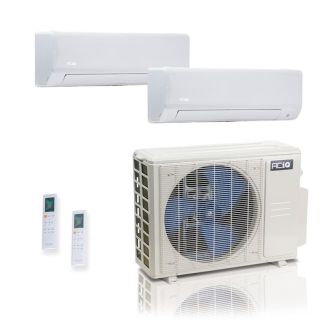
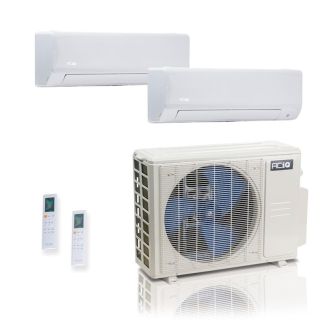
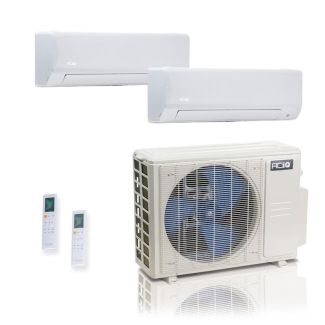
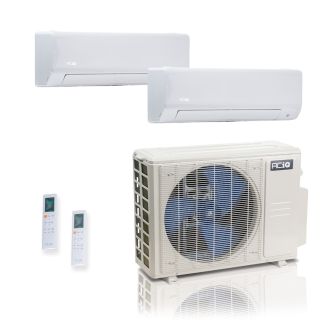
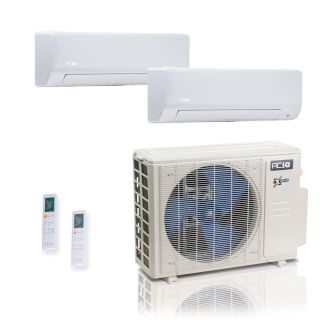
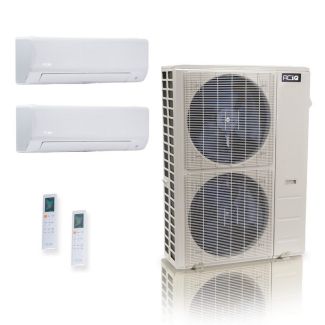
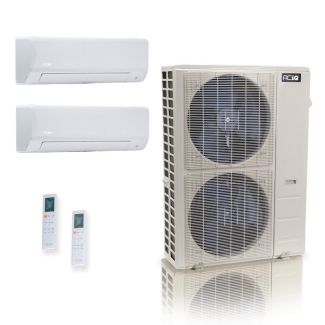
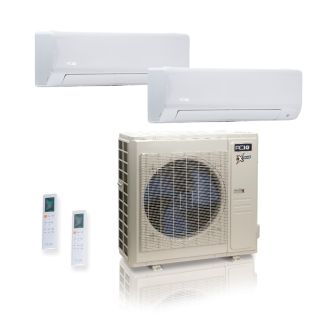
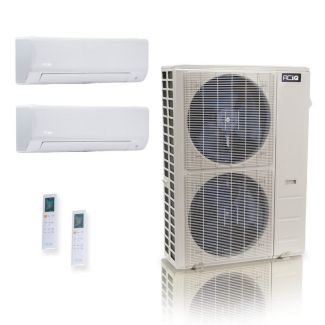


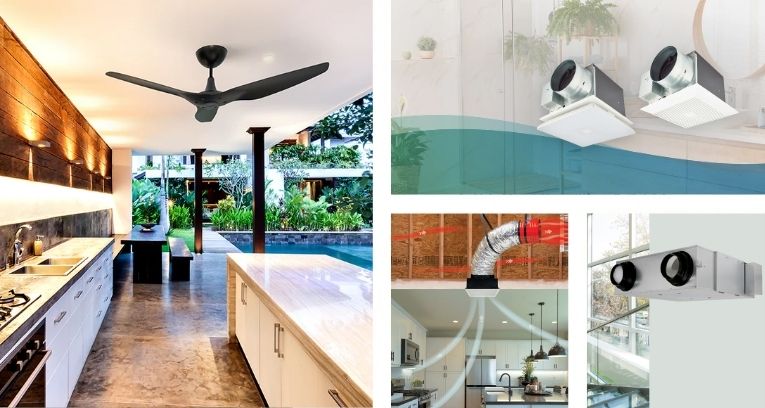

Mini split air conditioner systems are perfect for use in condos and other multi-unit buildings. Condo mini split systems are compact, ductless heating and cooling units designed to deliver efficient, zoned climate control in multi‑unit buildings. They use an outdoor condenser paired with one or more indoor air‑handling units to regulate temperature without requiring ductwork.
These systems work by transferring heat between the indoor and outdoor units through refrigerant lines, allowing precise temperature control in individual condos. The indoor unit draws in air, cools or heats it using a refrigerant cycle, and then recirculates the air quietly and efficiently. There are units that only cool, so make sure to purchase a model that will meet your needs.
Mini split systems offer several standout advantages, including space-saving designs, quiet operation, and flexible installation, that make them especially well‑suited for the unique layout and limitations of condo living. Here are more benefits of these systems:
Space‑Saving Design: Mini splits require no ductwork and use slim indoor units, making them ideal for condos, which are often smaller than traditional houses and every square foot matters. Their compact footprint preserves living space while still delivering precise comfort year-round.
Quiet Operation: These systems run with low indoor and outdoor noise levels, a major advantage in shared buildings where sound carries easily between units and rooms that are close together.
Zoned Temperature Control: Each indoor unit can be controlled independently, allowing condo owners to fine-tune their comfort room by room without wasting energy on unused spaces. This is also great for maintaining different temperature preferences in different areas of the condo.
Flexible Installation: Mini splits can be installed in condos with limited mechanical space, concrete walls, or strict building constraints that make traditional heating and cooling systems difficult to implement. Plus, different air handler types allow flexibility for the indoor unit placement.
High Energy Efficiency: Many mini splits use inverter technology to improve efficiency, while their ductless design eliminates the energy losses commonly associated with ductwork. This can help condo owners reduce utility costs and maintain more precise room-by-room comfort.
Other heating and cooling systems often struggle in condo environments due to space limitations, noise concerns, and installation restrictions. For many condos, mini splits are one of the few HVAC solutions that overcome these challenges by combining efficient operation, flexible installation, and room-by-room comfort control.
A mini split isn’t the right choice for every condo, especially if your building restricts exterior equipment placement, which limits how refrigerant lines can be routed through shared or structural walls, or lacks any accessible outdoor space for the condenser. In some cases, extremely open layouts or high cooling loads can also push a mini split beyond its ideal performance range, which could make alternative HVAC options a better fit for the condo’s constraints. Consider the needs of your condo when making a system selection.
Mini split systems are especially well‑suited for many condo layouts, but some layouts benefit from them more than others. The following condo configurations tend to get the most out of ductless heating and cooling thanks to their layout, structure, and airflow patterns.
Loft-Style Condos: The open ceilings, exposed beams, and limited mechanical space in loft condos make ductless systems a natural fit. The strong, directed airflow from a wall mounted unit can condition large vertical spaces more efficiently than central systems.
Renovated Historic Condos: Older buildings converted into condos often restrict structural modifications, so these systems preserve the original architecture while adding modern comfort. Mini splits also avoid the need for invasive construction or renovations associated with retrofitting ductwork, which is often prohibited in historic units.
High‑Rise Condos: These buildings typically have strict rules and limited access to shared outdoor HVAC systems, making ductless units a good, flexible alternative. Their quiet operation is also a major advantage in densely stacked living environments where noise carries.
Split‑Level or Multi Zone Condos: Units with multiple floors or distinct living zones benefit from independent temperature control, something at which mini splits excel. Each indoor unit can be tuned to the specific comfort needs of its area without affecting the rest of the condo.
Corner or End‑Unit Condos: These units often experience uneven temperatures due to having exterior walls and more sun exposure. Mini split systems help balance these temperature swings by conditioning each room individually and are able to maintain comfort year-round.
While these condo types are excellent candidates, buyers should still consider environmental factors, such as extreme outdoor temperatures, poor insulation, or high sun exposure, that can reduce the overall effectiveness of any condo mini split system.
DIY mini split installation is possible in some condos, but professional installation is more common due to HOA requirements, limited condenser placement options, and the need to comply with building and electrical regulations.
DIY Installation: Some mini split systems are designed for DIY installation, like those from Stealth and MRCOOL, but condo environments often complicate the process. Limited access to exterior walls, shared building structures, and condo HOA restrictions can make self‑installation more difficult or even prohibited.
Professional Installation: Licensed HVAC installers can navigate building codes, structural limitations, and condo association rules to ensure the system is placed correctly and safely.
Before moving forward with either approach, condo owners should confirm whether permits or HOA approvals are required, as many buildings mandate formal authorization before any mini split system can be installed.
A mini split air conditioner for a condo typically costs between $3,500 and $12,000 in total, depending on system size, brand, and installation complexity. Here is a breakdown of the usual costs for these systems:
Equipment Cost: Most condo‑sized mini split systems range from $1,200 to $4,500 for the indoor air handlers, outdoor condenser, and line set kit.
Installation and Labor Cost: Professional installation typically costs between $2,000 and $6,000, depending on install complexity, refrigerant line routing, and condo building restrictions and potential workarounds needed. DIY systems will have no labor costs, but will require your own time to install.
Operation and Maintenance Cost: Expect $25 to $100 a month in electricity for single zone units and $50 to $200 a month in electricity for multi zone units, depending on local rates. Also expect $100 to $500 per year for filter replacements and periodic tune‑ups. Many mini splits have self-cleaning features, which help keep maintenance costs minimal.
To install these units, most condo associations require approval, and many cities require permits, especially when exterior wall penetrations or electrical work are involved. Make sure to check with your HOA and local building department before beginning.
A wall mounted mini split indoor unit is typically the best default choice for a condo, thanks to its compact footprint, strong directional airflow, and easy installation in tight or HOA‑restricted spaces. Other indoor unit styles can work well too, depending on your ceiling height, layout, and design goals.
Wall Mounted Unit: These are the most common and condo‑friendly option because they install high on the wall and push air efficiently across the room. They require minimal structural modification and fit well in smaller living areas. Most condo owners choose this style for its balance of performance, cost, and simplicity.
Ceiling Cassette: These units are ceiling‑recessed and distribute air in multiple directions for even coverage. They work best in condos with drop ceilings or accessible overhead space, which not all buildings offer. When feasible to install, they provide a clean, built‑in look that blends seamlessly with modern interiors.
Slim Ceiling Cassette: A more compact alternative to standard ceiling cassettes that may work better for certain layouts with limited joist space. These are less common and are mainly used when a standard cassette will not fit.
Floor Mounted Unit: Installed low on the wall, this unit is ideal when upper‑wall space is limited or when replacing old radiators. These units deliver fast heating and cooling at occupant level, making them a good fit for certain room layouts. However, they do take up more visible space than other options.
Ducted mini split air handlers typically struggle in condos because they require bulkheads, attic access, or existing duct pathways, which are features most condo buildings lack, making installation more invasive, costly, and often restricted by HOA rules.
A mini split in a condo typically requires a dedicated electrical circuit, 120V or 208/230V power supply, and proper breaker sizing, all of which ensure safe operation and compliance with building and HOA rules.
Dedicated Electrical Circuit: Most mini splits need their own circuit to prevent overloading your system and to ensure stable power delivery. This usually means running a new line from the electrical panel, which may require HOA approval in condo buildings.
Correct Voltage Supply: Smaller single zone systems often run on 120V, while larger or multi zone systems typically require 208/230V. This will depend on the system’s capacity and manufacturer specifications. Your condo’s existing electrical capacity also determines whether upgrades or panel work are needed.
Proper Breaker Size: Breaker sizing must match the system’s electrical draw to prevent tripping and ensure safe operation. This is determined by the manufacturer’s specifications and must be installed by a licensed electrician.
Following the manufacturer’s Minimum Circuit Ampacity (MCA) and Maximum Overcurrent Protection (MOP) ratings is essential, as these values dictate the exact wiring and breaker requirements needed for safe, code‑compliant mini split installation in a condo.
A 12,000 BTU mini split is the best default single zone unit size for most condos because it reliably covers the typical 400 to 600 square feet of open‑concept living areas found in many units, but proper sizing should be based on square footage, insulation levels, and ceiling height. Larger or smaller condos may need different BTU capacities, and the options below outline the most common size ranges. A single zone mini split is often installed to condition one large open-concept living area or another individual room, whereas a multi zone mini split is better suited for conditioning an entire condo by serving multiple rooms.
9,000 BTU (up to 400 sq. ft.): Ideal for small condos, studio layouts, or individual rooms like bedrooms or offices. This size delivers efficient cooling and heating without overwhelming smaller spaces.
12,000 BTU (400 to 600 sq. ft.): Best for standard one‑bedroom condos or medium open‑concept living areas operating with a single zone setup. It provides strong, balanced performance for typical condo layouts without requiring electrical upgrades.
18,000 BTU (600 to 1,000 sq. ft.): Suited for larger condos, multi‑room open layouts, or units with high ceilings or significant sun exposure that may need extra power to maintain temperatures. This size offers enough capacity to maintain comfort across bigger or more complex spaces.
24,000 BTU (1,000 to 1,500 sq. ft.): Ideal for medium-sized condos with standard ceiling heights and average insulation. This size offers efficient cooling and heating for open-concept living areas or in a multi zone configuration to support a combination of living room and kitchen spaces.
30,000 BTU (1,250 to 1,750 sq. ft.): A great choice for larger condos with multiple zones or units with higher ceilings and more sun exposure. These systems deliver consistent climate control for multi-room layouts, helping maintain even temperatures throughout the space.
36,000 BTU (1,500 to 2,000 sq. ft.): Best suited for spacious condos or layouts with multiple bedrooms and expansive living areas. This powerful option also ensures optimal comfort in challenging conditions, such as poor insulation, large windows, or hot climates.
Choosing the right BTU size is critical because undersizing leads to units constantly running and poor temperature control, while oversizing causes short cycling, humidity issues, and reduced system lifespan.
The right mini split configuration depends on your condo's layout and comfort needs. A single zone system is often sufficient for conditioning one large open-concept living area or replacing a window AC unit in a primary space. Condos with one or more enclosed bedrooms, home offices, or other frequently occupied rooms may benefit from a dual or multi zone system for more consistent comfort and independent temperature control.
Single Zone Mini Splits: Single zone mini splits are ideal for standard one‑bedroom or studio condos with a central living space. A single indoor unit paired with one outdoor condenser keeps installation simple, cost‑effective, and may be more HOA‑friendly.
Multi Zone Mini Splits: Multi zone mini split configurations are best for units with multiple closed‑off rooms that need independent temperature control. These systems connect several indoor units to one outdoor condenser, offering room‑by‑room comfort.
Choosing the right zone configuration for your condo unit matters because implementing too few zones leaves hot and cold spots, while too many zones can increase equipment costs and add unnecessary complexity when the additional zones are not needed.




Mini splits can be allowed in condos and HOAs, but you need to ensure you have approval to install these systems. Whether you can install one or not depends on your building’s rules, exterior modification policies, and noise or equipment placement restrictions.
For most condos, a ductless mini split system is the better and more practical choice because they avoid the need for bulky ductwork, can fit in tight mechanical spaces, and comply more easily with HOA and building restrictions. A ducted system can work in certain condo layouts, but it’s far less common.
Most condo buildings and HOAs enforce noise limits for outdoor mini split units, and these rules are usually tied to local noise ordinances and building‑specific quiet‑hour policies. Make sure to check the regulations for where you live.
Yes, your HOA can require a specific outdoor unit location or mounting method, and most do. Because condos share walls, balconies, exterior surfaces, and outdoor space, HOAs typically regulate where HVAC equipment can be placed to protect building appearance, structural integrity, and neighbor comfort.
A mini split can be installed on a condo balcony or patio, but only if your HOA and building rules allow it. Balconies are one of the most common locations for outdoor condensers in condo buildings, but they often come with strict placement, noise, and clearance requirements. Check with your HOA for your specific balcony permissions.
To reduce mini split noise and vibration in a condo, position the condenser away from reflective walls, use vibration isolation pads, and ensure proper mounting. These methods can help keep sound from bouncing off enclosed balcony surfaces or nearby walls, which helps maintain a quiet, neighbor‑friendly system.
Installers typically route a condo mini split line set using surface‑mounted covers that hide the refrigerant lines without opening walls. Lines may also be run through existing closets or utility spaces to keep everything discreet and damage‑free. When the condenser sits on a balcony, a single small penetration allows direct routing indoors, while keeping the rest of the building structure untouched.
You may need a condensate pump for a condo mini split, but only if gravity drainage isn’t possible, which is common in multi‑story buildings where the indoor unit sits far from an exterior wall or below the drainage point. A condensate pump becomes necessary when the system can’t route water through a simple gravity‑fed drain line, and it allows installers to move condensation safely to a sink, drain stack, or approved outlet.
Yes, one mini split can cool multiple rooms in a condo, but only under the right layout conditions. Open‑concept condos with wide doorways and minimal walls allow a single indoor unit to push air through connected spaces, especially when placed high on a central wall for maximum throw. In more divided floor plans, airflow drops quickly once it hits corners, hallways, or closed‑off rooms, which is why many owners choose multi zone setups for consistent comfort.
Yes, since nearly all modern mini splits are heat pumps designed to deliver efficient year‑round heating and cooling. In cooling mode, the system pulls heat out of your indoor air and releases it outside. In heating mode, it works in reverse, extracting heat from the outdoor air, even in cold weather, and bringing it indoors. Brands including ACiQ, LG, and Mitsubishi have standard systems that heat down to -13°F, while ACiQ’s Extreme Series heats down to temperatures as low as -22°F.