We use cookies to make your experience better. To comply with the new e-Privacy directive, we need to ask for your consent to set the cookies. Learn more.

1-800-397-1392
Closed Until Monday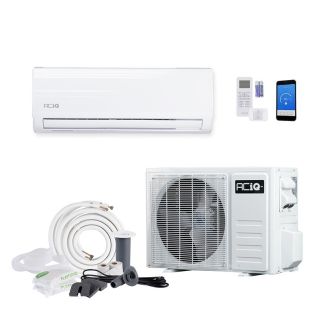





Small room mini split systems are ductless HVAC units designed to heat and cool spaces under 400 square feet. They connect a small indoor air handler directly to a dedicated outdoor inverter condenser, without requiring traditional ductwork systems.
These systems work by utilizing a variable speed compressor to continuously circulate precise amounts of refrigerant through sealed copper lines connecting the indoor and outdoor units. During cooling, the interior blower draws warm air from the room across a chilled evaporator coil, absorbing the ambient heat and transferring it outside where the condenser rejects it into the atmosphere.
Mini split systems are especially useful in small rooms because they deliver targeted comfort without relying on oversized ductwork, bulky window units, or whole-home HVAC adjustments. Using a smaller 6,000 or 9,000 BTU mini split for a specific room keeps the temperature perfectly comfortable, stops the room from getting too hot or cold too quickly, and runs so quietly you will barely notice it's on. Some core advantages include:
Precise Temperature Control: A single zone mini split gives the room its own dedicated temperature setting, so you can keep a small bedroom, office, or hobby room comfortable without changing the thermostat for the entire home.
Ultra Quiet Operation: Many mini split indoor units operate at very low sound levels, as low as 19 dBA, making them a strong choice for small spaces where noise is more noticeable, such as nurseries, bedrooms, studies, and home offices.
Independent Zone Scheduling: Every small room system utilizes its own wireless remote or integrated smart thermostat to adjust climate schedules completely separate from the primary house temperature settings.
Maximum Space Preservation: Wall-mounted and ceiling cassette options help preserve floor space, which matters in smaller rooms where every square foot counts. Unlike portable or window AC units, mini splits do not block windows or take up valuable floor area.
Enhanced Indoor Filtration: Built-in multi-stage air purification filters continuously strip fine airborne particles, dust, and localized allergens out of the breathing zone of the single enclosed space.
No Ductwork Needed: Because mini splits are ductless, they are easier to add to small rooms that are not connected to the home’s existing HVAC system. This is especially helpful for converted garages, finished attics, additions, and bonus rooms.
Traditional centralized HVAC equipment and standard window units consistently struggle to balance small spaces because they can be too powerful, too noisy, or too limited to provide balanced comfort without drafts, hot spots, short cycling, or wasted energy.
Small isolated spaces, such as home offices, attic rooms, additions, and bonus rooms, are ideal for ductless mini split systems because they often have unique heating and cooling needs that traditional HVAC systems struggle to meet. Choosing the right mini split layout helps small or isolated rooms get better airflow, more consistent temperatures, and reliable comfort without overworking the home’s main heating and cooling system. These small room types work best with single zone mini split systems:
Dedicated Home Offices: These small work environments benefit heavily from whisper quiet operation to prevent noticeable noise during continuous remote tasks and professional video conferences.
Detached Backyard Workshops: Small workshops, sheds, and backyard studios are usually not connected to the home’s central ductwork. A mini split provides standalone comfort for these isolated spaces without requiring a major duct extension or renovation.
Residential Server Rooms: Small rooms containing constant heat producing data hardware, such as computers, servers, or networking equipment, require localized, around the clock cooling that standard central systems cannot provide.
Converted Attic Spaces: Small attic rooms and finished bonus spaces often trap heat because they sit at the top of the home and may have limited insulation or airflow. A ductless mini split delivers targeted comfort directly to the room without needing bulky ductwork in tight ceiling or wall cavities.
Enclosed Sunrooms: Glass heavy layouts can experience fast temperature swings from direct sunlight, drafts, and outdoor weather changes, demanding an agile inverter driven system to rapidly counter intense heat spikes.
Property owners must carefully analyze key environmental variables such as poor wall insulation depth, extensive window surface exposures, or chronic drafty air leaks, as these structural defects heavily degrade thermal retention and diminish the overall performance efficiency of ductless equipment.
Yes, you can install a DIY-specific mini split system in a small room. Opting for a specialized DIY-rated system allows you to complete its structural placement without complex refrigerant handling tools, while standard equipment selections mandate certified trade skills to properly preserve the manufacturer warranty. Installation of a non-DIY mini split is strictly prohibited for local ordinance reasons. Small room mini split installation paths include the following options:
DIY Small Room Installation: Homeowners can self-install specialized DIY systems featuring pre-charged quick-connect line sets from brands like MRCOOL or Stealth, which completely eliminates the requirement for professional vacuum pumps, pressure testing, and manifold gauges.
Professional Small Room Installation: Standard high-efficiency models from brands like ACiQ or Mitsubishi require a licensed HVAC technician to physically flare copper lines, perform a nitrogen pressure test, pull a deep vacuum to dehydrate the system, and release the factory refrigerant.
Securing local mechanical and electrical building permits is an absolute requirement across both installation methods to guarantee the high-voltage circuit, outdoor disconnect box, and structural wall penetrations strictly comply with municipal safety codes.
A single zone mini split system engineered for a small room typically costs between $1,400 and $4,000 installed. This comprehensive financial commitment fluctuates based on the efficiency tier of the machinery, local labor demand, and individual structural routing requirements. The localized capital allocation breaks down into the following targeted expense categories:
Equipment Cost: Purchasing a standalone small room 6,000 BTU to 9,000 BTU mini split equipment bundle from wholesale distributors ranges from $600 to $2,400 depending on the selected brand name and SEER2 performance levels. DIY models have a general range of $1,400 to $1,600.
Installation and Labor Cost: Hiring a certified technician to execute line set flaring, system vacuuming, electrical wiring, and final testing runs between $1,000 and $1,500 per visit, with an additional labor charge that ranges from $100 to $150 per hour. DIY installation and labor is free for homeowner installers.
Operation and Maintenance Cost: Sustaining top operational efficiency requires an average monthly charge of $25 to $75. Preventive maintenance and servicing range from $100 to $300 per year, depending on the number of maintenance visits that take place annually.
Securing local municipal mechanical and electrical building permits remains an absolute requirement across all regions to verify the final installation conforms completely to national safety standards.



The smallest capacity mini split available for a small room is a 6,000 BTU system, which is engineered to efficiently condition compact spaces measuring under 250 square feet. Leading manufacturers build these low-capacity units to prevent the short-cycling and high indoor humidity that occur when installing larger, oversized equipment in a tight space. Selecting a micro-sized 6,000 BTU configuration or a slightly more common 9,000 BTU unit ensures your small home office, bedroom, or server closet receives continuous, whisper-quiet climate control tailored exactly to its restricted square footage.
Yes, a mini split system can both heat and cool a small room because the vast majority of these ductless units are built as heat pumps that provide both heating and cooling. The system operates by utilizing a specialized reversing valve that switches the directional flow of the refrigerant network based on your thermostat demands. During summer months, the indoor air handler extracts heat from the space and pumps it outside, whereas during winter weather, the process reverses so the outdoor compressor harvests structural thermal energy from ambient air and transfers it indoors.
At a whisper-quiet 19 to 26 dBA (depending on the model) on low fan speed, yes, ductless mini split systems are exceptionally quiet and remain the top climate control choice for noise-sensitive small rooms like bedrooms, nurseries, and home offices. This near-silent comfort delivery stems from utilizing advanced variable-speed inverter technology that eliminates the disruptive, loud startup noise from traditional HVAC systems and window air conditioning units turning on and off.
Mini splits are technologically superior to window ACs for small rooms. They are significantly quieter, more energy-efficient, and offer steady temperature control. However, they cost much more upfront and require permanent installation. Window units are best for renters, short-term needs, or limited budgets.
The ideal indoor air handler configuration for a small room is usually a wall mount, slim ceiling cassette, or floor mount unit, depending entirely on your available mounting surfaces, space limitations, and style preferences. Properly matching the indoor style to your specific layout guarantees optimal airflow distribution and maximum preservation of your open living area. Standard high wall mounted units remain the most popular and cost effective choice because they install easily without taking up limited floor space. Alternatively, properties with limited vertical wall clearances can deploy recessed slim ceiling cassettes or low-profile floor mount consoles to achieve seamless, balanced climate control. Homeowners must ensure that no large furniture or decorative obstructions block the selected blower discharge path to prevent air short cycling.
A single zone mini split system engineered for a small room requires a dedicated high voltage electrical circuit wired directly back to the main service panel to ensure safe, stable operation. These low capacity systems typically demand either an isolated 115V single pole breaker or a 230V double pole breaker with a dedicated circuit capacity ranging from 15 to 25 amps. National electrical safety codes strictly mandate installing a weatherproof exterior safety disconnect box next to the outdoor compressor to allow swift power termination during localized technical servicing. Finally, the indoor blower components receive all operational electricity and digital thermostat communication directly from the outdoor unit via a 14-gauge 4-wire communication cable. Homeowners must carefully verify the exact Minimum Circuit Ampacity and Maximum Overcurrent Protection values stamped on their specific machinery nameplate before running any supply lines.
For areas sized from 150 to 550 square feet, mini split systems for small rooms that range from 6,000 to 12,000 BTUs are best. A small space measuring between 200 and 300 square feet dictates a 6,000 BTU system, whereas an intermediate room measuring up to 400 square feet requires upgrading to a 9,000 BTU unit. You can use a 12,000 BTU system, if the compact area expands up toward 600 square feet or if the structure has poor insulation. Finally, you must increase your final equipment capacity calculation by 10% to 20% if the structural space features high ceilings above eight feet, undergoes heavy daily sun exposure, or houses continuous heat-producing electronic hardware.
For help with sizing, call an HVAC specialist at HVACDirect.com at 1-888-557-8296.
For a standalone small room, you need a single zone mini split configuration. This setup connects exactly one indoor air handler to one dedicated outdoor condenser, creating an isolated climate zone that operates entirely on its own thermostat settings.
If you are planning to add air conditioning to multiple small rooms across your home simultaneously, you should opt for a multi zone configuration. Multi zone systems utilize a single, higher-capacity outdoor compressor capable of running two to five individual indoor air handlers independently, saving exterior yard space while still providing personalized temperature control for each separate area.