We use cookies to make your experience better. To comply with the new e-Privacy directive, we need to ask for your consent to set the cookies. Learn more.

1-800-397-1392
Closed Until MondayExperience superior heating and cooling capabilities with our 36,000 BTU/ 3 Ton mini split systems. Whether you require a single zone or five zone setup, these systems provide exceptional comfort and energy efficiency. With the ability to cover up to 1,800 square feet, our 36,000 BTU/ 3 Ton mini splits offer the perfect solution for cooling one larger space or up to five smaller spaces while maintaining optimal climate control. Explore our collection and discover the ideal cooling solution for your needs.
Shop By Zone
Shop By Brand









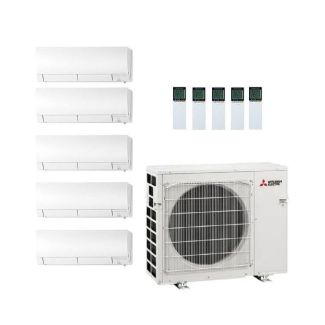
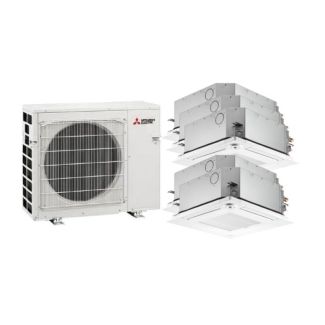
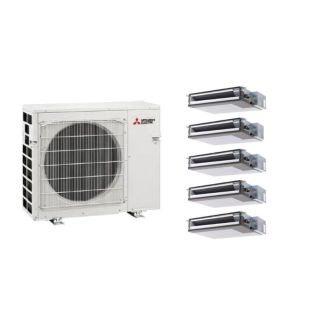



A 36,000 BTU mini split is an HVAC system designed to provide powerful heating and cooling for large open areas or multiple rooms without ductwork. These systems can be single zone, used to condition one larger space, or multi zone, used to condition up to 5 different zones. While many are heat pumps that provide both heating and cooling, some 36k BTU models are cooling-only systems. A 36,000 BTU unit is equivalent to a 3 ton system, as HVAC capacity is measured in 12,000 BTU increments per ton of cooling output.
These systems work by moving heat out of your home during summer and, on heat pump models, bringing heat indoors during winter for year-round comfort. Most also use inverter technology, which automatically adjusts system output to maintain more consistent temperatures and lower energy use than traditional fixed-speed systems, which constantly turn on and off at full power.
A 36k BTU mini split system is perfect for heating and cooling spaces from 1,500 to 2,000 square feet with normal 8-foot ceilings and average insulation. These 3 ton units provide the performance necessary to maintain a consistent temperature in larger residential or light commercial applications. Some specific examples include:
Large Open-Plan Living Areas: Great rooms, combined kitchen and dining spaces, or open-concept main floors benefit from the consistent, even conditioning a 3 ton mini split provides. These layouts often lack interior walls to trap or redirect air, and this system has sufficient capacity to condition the entire open space.
Multi-Room Residential Spaces: A multi zone 36,000 BTU system can serve up to five rooms simultaneously. For example, it can heat and cool a primary suite, two secondary bedrooms, a home office, and a bonus room, each with its own independent temperature control. This makes them a common choice for upper floors, additions, or entire homes that are difficult or impractical to connect to a central system.
Tiny Homes, Small Houses, or Apartments: A 36k mini split can effectively heat and cool an entire tiny home, apartment, or smaller house, providing greater efficiency and zoned comfort than window units or electric baseboard heaters.
Small Commercial Storefronts, Gyms, or Other Businesses: Storefronts, boutique offices, restaurants with limited square footage, and similar light-commercial applications often fall within the 3 ton range. A 5 zone configuration works well here for separately conditioning a dining area, kitchen, back office, storage room, and entryway without running ductwork through the building.
High humidity, poor insulation, large window areas, or outdoor temperatures at the extremes of the unit’s rated range may reduce the system’s efficiency and its ability to heat and cool the entire space. Instead of just using square footage, sizing for those factors in mind leads to better long-term results.
Modern 36,000 BTU mini splits commonly achieve efficiency ratings of 18+ SEER2, 10.0+ EER2, and 8.5+ HSPF2, with some premium inverter models exceeding those numbers. The Seasonal Energy Efficiency Ratio measures overall cooling efficiency across an entire season, the Energy Efficiency Ratio measures cooling efficiency during extreme heat and peak demand conditions, and the Heating Seasonal Performance Factor measures heating efficiency over the winter season. These high-efficiency numbers are achieved by models with inverter technology, which automatically adjusts compressor speed rather than constantly turning on and off at full power like older fixed-speed systems. Depending on the model and the equipment being replaced, this can reduce energy consumption by roughly 12% to 30% compared to older HVAC systems.
A 36k BTU mini split typically consumes between 3,000 and 4,500 watts at full capacity, drawing approximately 15 to 30 amps. Once the room reaches the set temperature, an inverter-driven model can significantly reduce power usage, sometimes dropping to around 700 to 1,200 watts during lighter operation. Estimated annual operating costs generally range from $250 to $500 for cooling and $700 to $1,100 for heating. A 36,000 BTU mini split’s efficiency, usage, local energy rates, and the climate you live in will determine how much electricity it uses and how much you pay.
Most 3 ton mini splits require a dedicated 208/230V electrical circuit, larger electrical wiring, and a larger breaker than those in smaller residential systems, due to their higher capacity and power demand. Exact electrical requirements vary by model, but the specifications below reflect the most common setup requirements for 3 ton mini split systems.
Voltage: 36,000 BTU systems almost exclusively require a 208/230-volt dedicated power supply, which is standard in most residential and light commercial electrical panels.
Breaker Size: Most 3 ton mini splits require a dedicated circuit breaker rated 30 to 50 amps, with some models exceeding that. The Minimum Circuit Ampacity (MCA) on the unit's label is the minimum wire and breaker size required; the Maximum Overcurrent Protection (MOP) is the largest breaker permitted. A licensed electrician will determine the correct breaker and wire gauge for your specific unit and local code.
Wiring: While 36k BTU mini splits typically use 10 AWG to 8 AWG wiring, this may vary by system.
Dedicated Circuit: This unit must be connected to its own dedicated circuit breaker, not connected to any other appliances, to prevent overloading the home's electrical panel. In a 5 zone configuration, individual indoor air handlers may have their own low-voltage wiring requirements in addition to the outdoor unit's dedicated circuit, so confirm the full electrical layout with your installer before work begins.
Always check the nameplate MCA and MOP values on your specific unit, as requirements vary by brand and model. Wire sizing requirements are also dependent on local jurisdiction codes, and a licensed electrician is required for all electrical installations, regardless of how the rest of the system is installed.
Yes, you can install a 3 ton mini split system yourself or have a professional do it. The decision between DIY and professional installation depends on your comfort level with mechanical work.
36,000 BTU DIY Mini Split Installation: Some 36,000 BTU systems are designed for DIY installation, such as ones from brands like Stealth or MRCOOL, that feature pre-charged line sets, allowing you to avoid professional refrigerant handling. The main advantages of a DIY system are that they don’t have any labor costs, and you can install it on your own time.
36,000 BTU Professional Mini Split Installation: A standard 36k BTU mini split requires a licensed HVAC contractor for the refrigerant line work, vacuuming, and system startup. Many homeowners who choose professional installation handle some of the prep work themselves and then hire licensed professionals for the refrigerant handling and electrical portions of the installation.
Even with a DIY kit, you will likely need mechanical and electrical permits from your local municipality, and a licensed electrician must handle the high-voltage wiring.
A 3 ton mini split costs anywhere from $2,000 to $6,000+, factoring in both equipment and installation costs. Here’s a breakdown:
Equipment Cost: $1,800 to $5,000+, depending on brand, whether the system is single or multi zone, efficiency rating, type of indoor air handlers, and other included smart features.
Installation and Labor Cost: $500 to $2,500+, depending on whether you install the system yourself or hire a professional and local labor rates. DIY installations will have no labor costs, but you’ll need to dedicate your own time to the installation.
Operation and Maintenance Cost: Monthly electricity costs range from $30 to $60, depending on usage and efficiency. 36k BTU mini splits typically have minimal maintenance costs, with many featuring washable filters and self-cleaning modes. If you decide to schedule an annual professional cleaning, costs typically range between $100 and $350, and repair costs vary depending on the issue and parts required.
Additional costs may include mechanical and electrical permits, which typically range from $50 to $300 or more, depending on local requirements. You may also need accessories such as wall sleeves, line set covers, or mounting hardware, which usually add $50 to $200 to the materials cost if they are not included with the system.
A 36,000 BTU system supports up to six types of indoor air handlers, including wall mount, ceiling cassette, slim ceiling cassette, concealed duct, floor mount, and, if multi zone, central zoned.
Wall Mount: The most common indoor unit type, wall mounted air handlers attach high on an interior wall and deliver conditioned air directly into the room. In a 36,000 BTU 5 zone setup, for example, you might place wall mounted units in four standard bedrooms and pair them with a ceiling cassette in the open living area, each controlled independently from one outdoor unit.
Ceiling Cassette: Ceiling cassettes mount flush in the ceiling and distribute air in four directions for even coverage across larger, open spaces. They are a popular choice in open-plan rooms, dining areas, and commercial spaces like storefronts, where a wall mounted unit would be obtrusive.
Slim Ceiling Cassette: A slimmer ceiling-mounted option that typically distributes air in one or two directions rather than four. Slim cassettes work well in tighter ceiling cavities, hallways, or narrower rooms where a full 4-way cassette would not fit.
Concealed Duct: Concealed duct units install above the ceiling and connect to short runs of ductwork that terminate at ceiling registers. They offer a completely hidden installation with no visible air handler, making them a practical choice for finished living spaces, home offices, or primary suites where aesthetics matter.
Floor Mount: Floor consoles sit low on the wall and deliver air at floor level, making them well-suited for rooms with low ceilings, large picture windows, or limited upper wall space. In a 36,000 BTU multi zone system, a floor mounted unit works particularly well in a sunroom or converted garage where wall and ceiling options may be limited. Some floor mounted units also have a universal version that can be mounted on the ceiling or wall if needed.
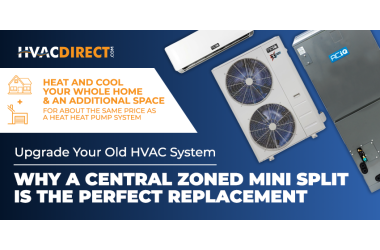
Central Zoned: Available on select multi zone 36,000 BTU systems, central zoned indoor units combine traditional ducted HVAC with ductless mini split technology by using a concealed air handler connected to short duct runs while also supporting individual room air handlers in other areas of the home. This setup allows one ducted zone to heat and cool multiple connected rooms, such as several bedrooms and a hallway, while separate wall mounted or cassette units provide independent comfort control in spaces that are harder to reach with ductwork or have different temperature needs.
With some 36,000 BTU multi zone systems, you can mix indoor unit styles across zones to match each room's layout and your preferences, but confirm compatibility before choosing your model.

For the best balance of upfront cost and monthly savings, look for a SEER2 of 18 or higher and an EER2 of 10.5 or higher. The federal minimums for SEER2 and EER2 vary by region, with a nationwide base of 14.3 for SEER2 and around 10.0 for EER2, which can still work well for garages, workshops, rental properties, or spaces that are not used daily. Higher-efficiency systems are often worth the added cost for homes with heavy daily usage, hot climates, or areas with high electricity rates where long-term energy savings matter most.
Most 36,000 BTU mini splits are heat pumps, meaning they provide both heating and cooling from the same system, though cooling-only models are also available. Heat pump systems reverse the refrigerant cycle to bring heat indoors during winter, and many can continue operating effectively down to 0°F or lower, depending on the model.
For a 36k BTU mini split, look for an HSPF2 rating of 9.0 or higher to ensure high efficiency; 10+ is ideal for superior energy savings and cold climates. Most mini splits require a minimum federal standard rating of 7.5.
The choice between a standard and DIY system comes down to how the installation will be handled. Consider the following:
Neither option is objectively better; the right choice depends on your situation. Keep in mind that both require permits to meet local codes, but with a DIY system, you’ll typically handle them yourself, while a professionally installed system usually includes permit costs and code compliance as part of the installation.
Yes, in the heating and cooling industry, capacity is measured in both BTUs and tons, where 1 ton equals 12,000 BTU, so a 36,000 BTU system is a 3 ton system.
ACiQ, Mitsubishi, Daikin, and LG are well-regarded for their high-quality, durable 36,000 BTU mini split systems. If you want a DIY-friendly system, Stealth and MRCOOL are top contenders. The best brand for your situation depends on the features you need, your home’s layout, local availability of service technicians, and your budget.
Mini split systems generally have a lifespan of 15 to 20 years, and with proper care, some units last up to 25 years. Longevity depends on how hard the system works, how consistently the filters and indoor coils are cleaned, whether the outdoor unit is protected from physical damage, and the quality of the original installation.
Most, but not all, 36,000 BTU systems sold today are heat pumps, meaning they use the refrigerant system to both cool and heat the space. Cooling-only models that provide only air conditioning do exist, so you should confirm whether your unit is a heat pump before buying.
Yes, 36k mini splits naturally remove humidity from the air as part of the cooling process, when warm, humid air passes over the cold indoor coil, moisture condenses and drains out through the condensate line. Most mini split systems also include a dedicated “Dry Mode” that runs the system at reduced capacity specifically to lower humidity without overcooling the space.


