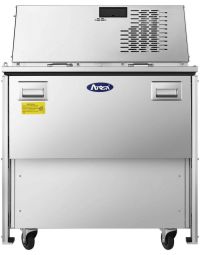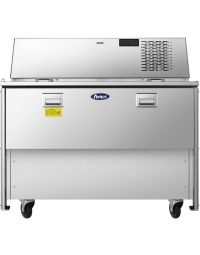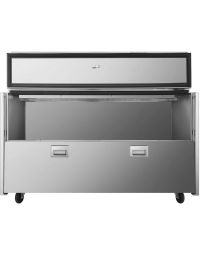
Key Takeaways
- Durability & Reliability: Atosa’s steel construction, rust-resistant shelving, and strong warranties make their refrigeration units built to last in busy commercial kitchens.
- Versatile Options: Choose from Atosa reach-in refrigerators and freezers for bulk storage, or refrigerated prep tables that streamline food prep and efficiency.
- Energy Savings: With eco-friendly R290 refrigerant and Energy Star certified models, Atosa commercial refrigeration helps reduce energy use and lower operating costs.
Article Contents
Choosing the right commercial refrigeration equipment is an important decision you'll make for your business. Whether you're opening a new restaurant, upgrading an existing kitchen, or expanding, reliable refrigeration directly impacts food safety, operational efficiency, and your bottom line.
This Atosa Refrigeration buying guide walks you through everything you need to know about choosing the perfect commercial refrigerator for your business, from understanding your capacity needs to selecting the right installation type for your space.
Why Choose Atosa Commercial Refrigeration Equipment
Since starting in the refrigeration business in 2002, Atosa has built a reputation for creating equipment that is both durable and efficient. Here's what sets them apart:
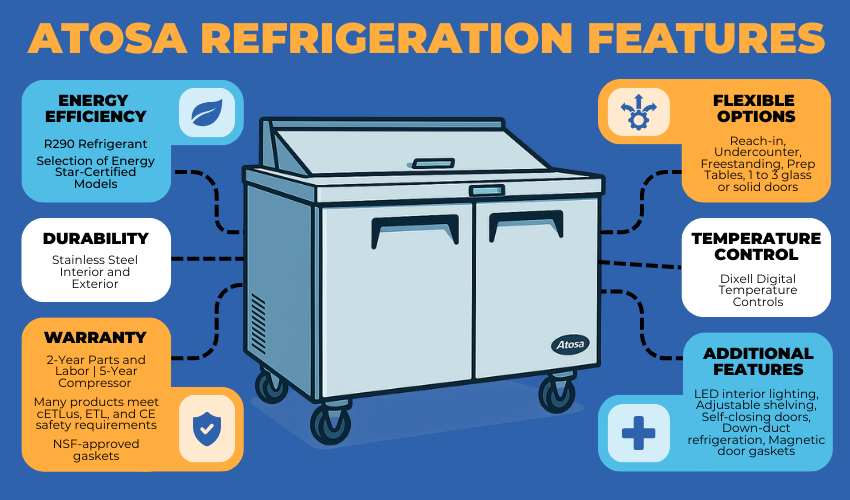
- Durable steel construction for long-lasting performance
- Epoxy-coated shelves resist rust in humid environments
- Built for heavy-duty, continuous commercial use
- Energy efficient R290 refrigerant (many models meet Energy Star certification)
- Digital temperature controls for accuracy
- One of the best warranty programs in the commercial refrigeration industry along with network of service technicians
- Service businesses in over 100 countries worldwide with over 20 years of experience
Atosa Commercial Refrigeration Product Types
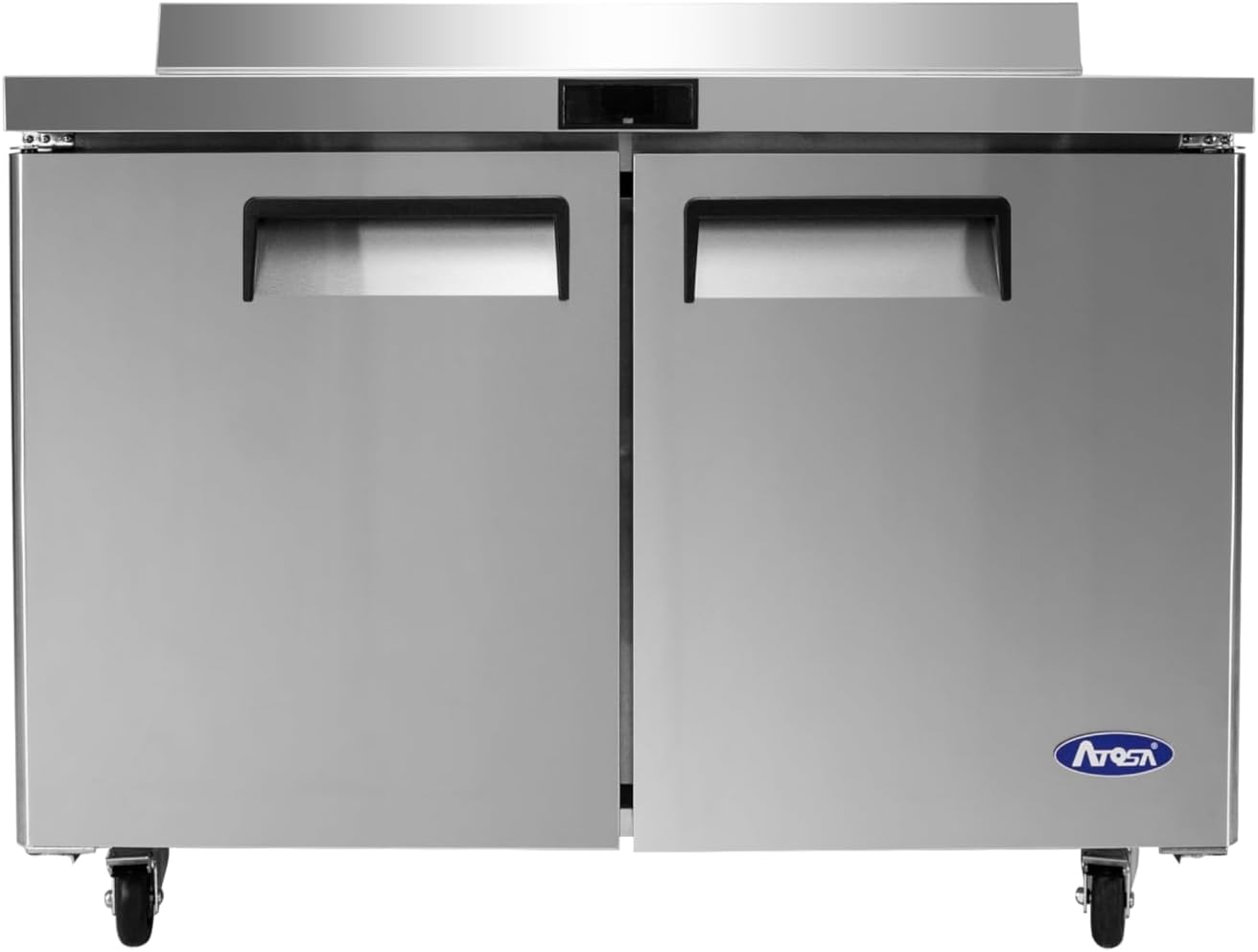
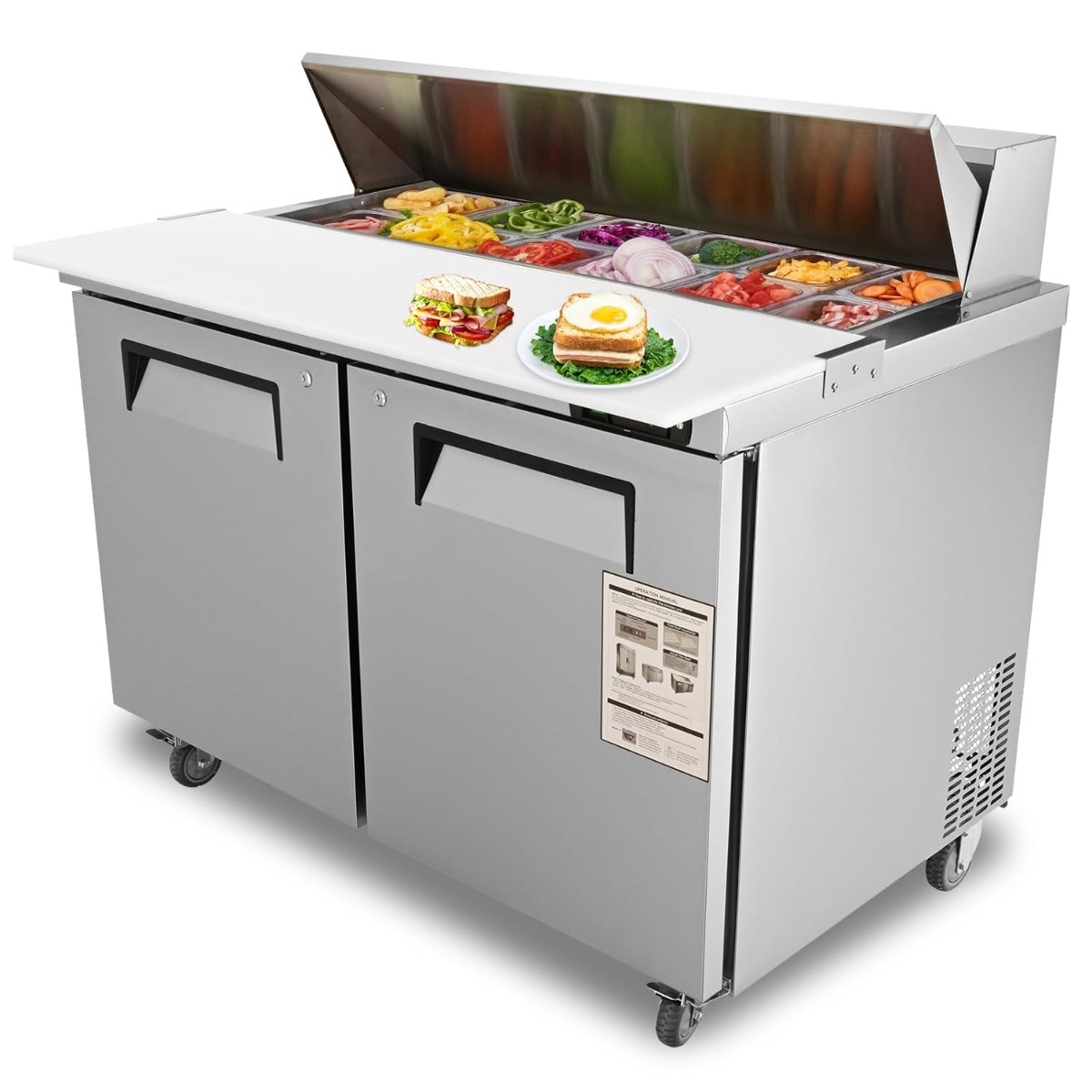
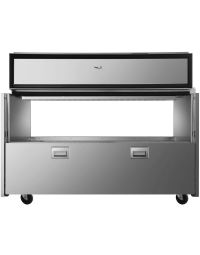
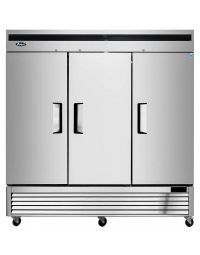
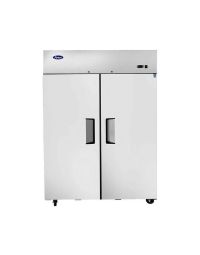
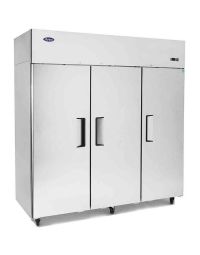
On HVACDirect.com, we sell two main types of Atosa commercial refrigeration equipment.
Commercial Refrigeration and Freezers
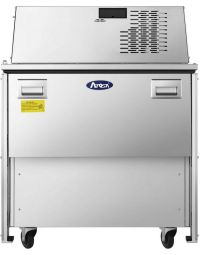
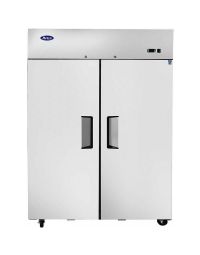
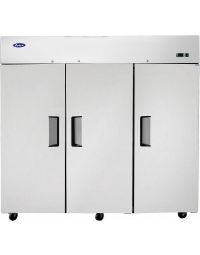
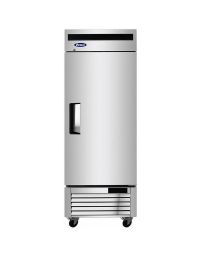
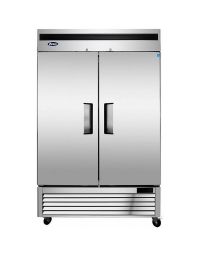
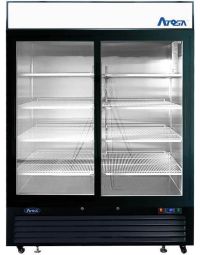
The foundation of any commercial kitchen, these Atosa refrigerators and freezers provide temperature-controlled storage for ingredients, prepared foods, and beverages. Available in various sizes and configurations, they can accommodate everything from daily inventory to bulk storage needs. These units maintain precise temperatures – refrigerators operate between 30°F–45°F depending on the product while freezers maintain -8°F to 0°F – ensuring food safety and quality preservation.
Commercial Prep Tables with Refrigerated Storage
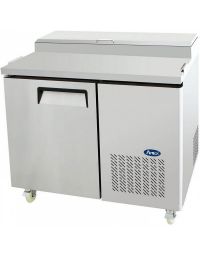
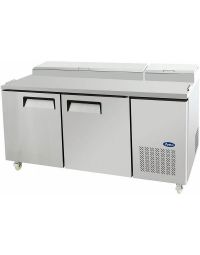
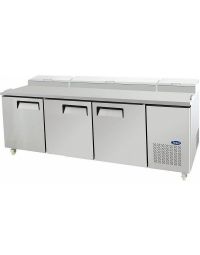
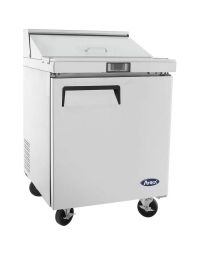
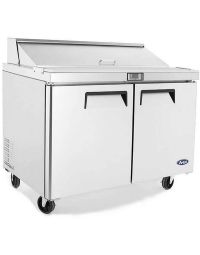
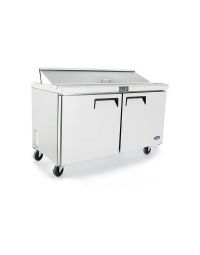
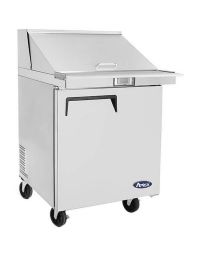
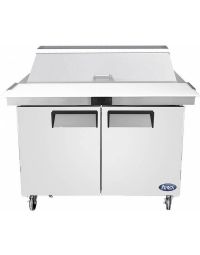
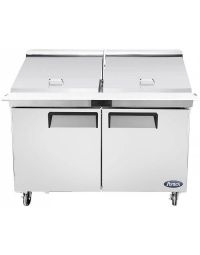
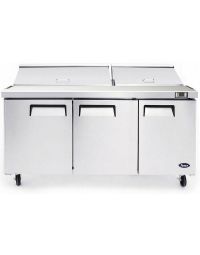
Refrigerated prep tables integrate cold storage directly into your food preparation workflow, keeping ingredients at the perfect temperature right where you're working. These units are particularly popular for pizza prep, sandwich assembly, and salad stations.
With these two types in mind, the next step is to determine how much refrigeration capacity your business needs.
How to Choose the Right Size Commercial Refrigerator or Freezer
Getting the sizing right is crucial for a business to operate successfully. Undersized equipment leads to overcrowding and temperature fluctuations, while oversized units waste energy and valuable kitchen space.
Typical Capacity Needs by Business Type
Different types of operations have varying refrigeration requirements based on their service style and volume. A good rule of thumb for measuring how much refrigeration and freezer space you’ll need is to go by how many “customers” your business serves:
- Restaurants and cafés: 2–3 cubic feet of refrigeration per seat, with higher requirements for establishments serving fresh ingredients
- Bars: 1–2 cubic feet per seat, focusing on beverage storage and garnish ingredients
- Hotels: Need varies by food service offerings, from 1–2 cubic feet per room for limited service to full restaurant requirements
- Healthcare facilities: 3–5 cubic feet per bed for patient meal service and dietary storage
- Grocery and convenience stores: Typically 8–15 cubic feet per 1,000 square feet of retail space
- Catering services: 4–6 cubic feet per typical event serving, with additional capacity for multi-event preparation
Start by calculating your daily inventory needs, then factor in peak periods and plan for 20–30% growth capacity.
Commercial Refrigeration Installation Types and Requirements
Your equipment will operate better and last longer if installed correctly. Let’s go over some installation styles.
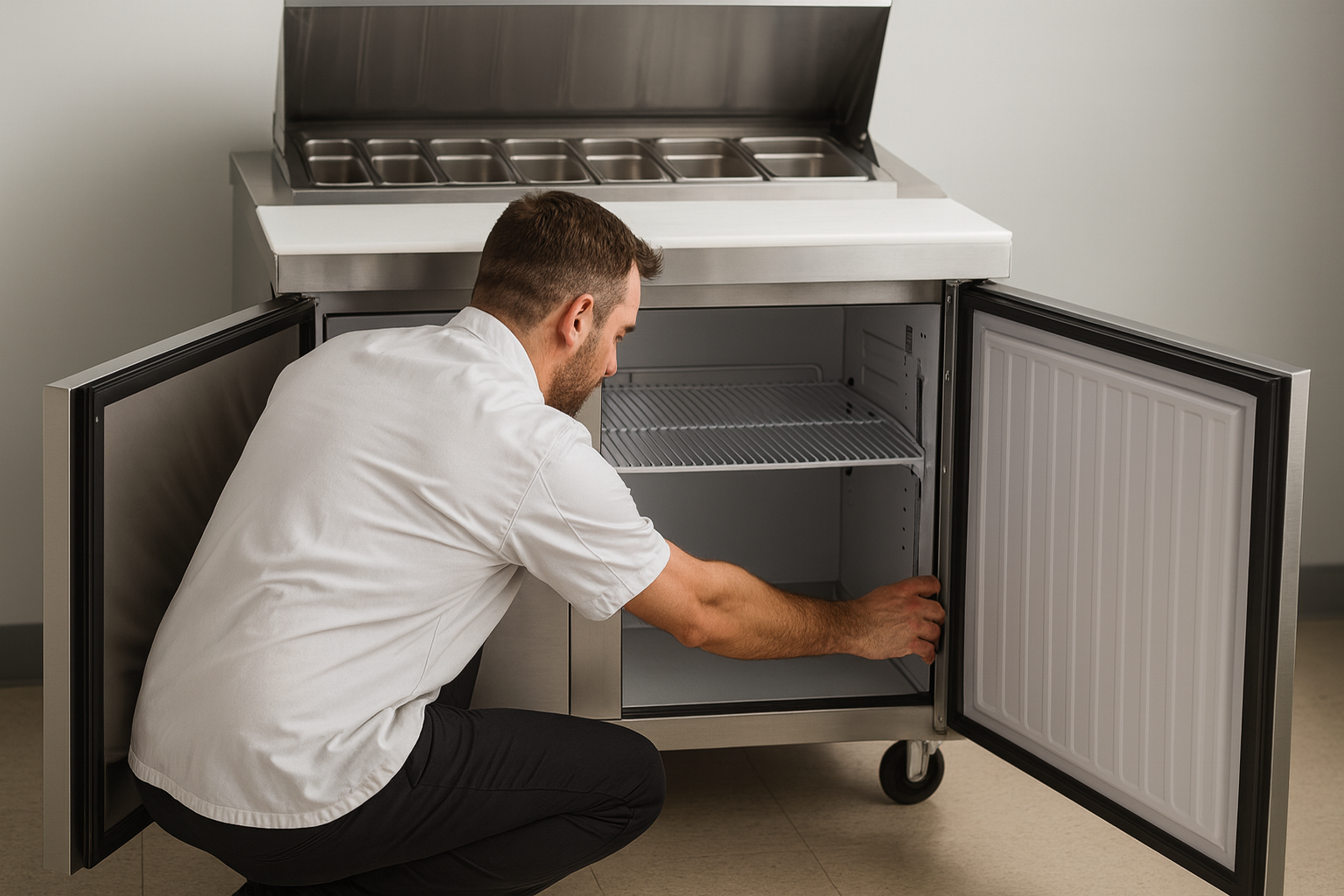
Reach-In Commercial Refrigerators and Freezers
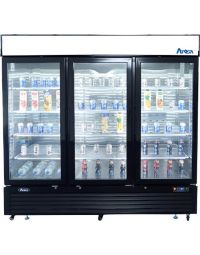
Most commercial refrigerators and freezers feature "reach-in" design, where you open a door to access what's inside. They're perfect for storing prepared ingredients, dairy products, proteins, and produce in large quantities. Reach-in units are available in both freestanding and undercounter installations.
Freestanding Commercial Refrigerators and Freezers
Freestanding refrigerators and freezers are standalone units that don't require built-in installation. Designed for flexibility, freestanding units can be placed wherever cold storage is needed. They can be placed in the back-of-house where employees work or in the front end for customer access. Freestanding units can be easily relocated for cleaning or kitchen reconfiguration and work with any ventilation clearance.
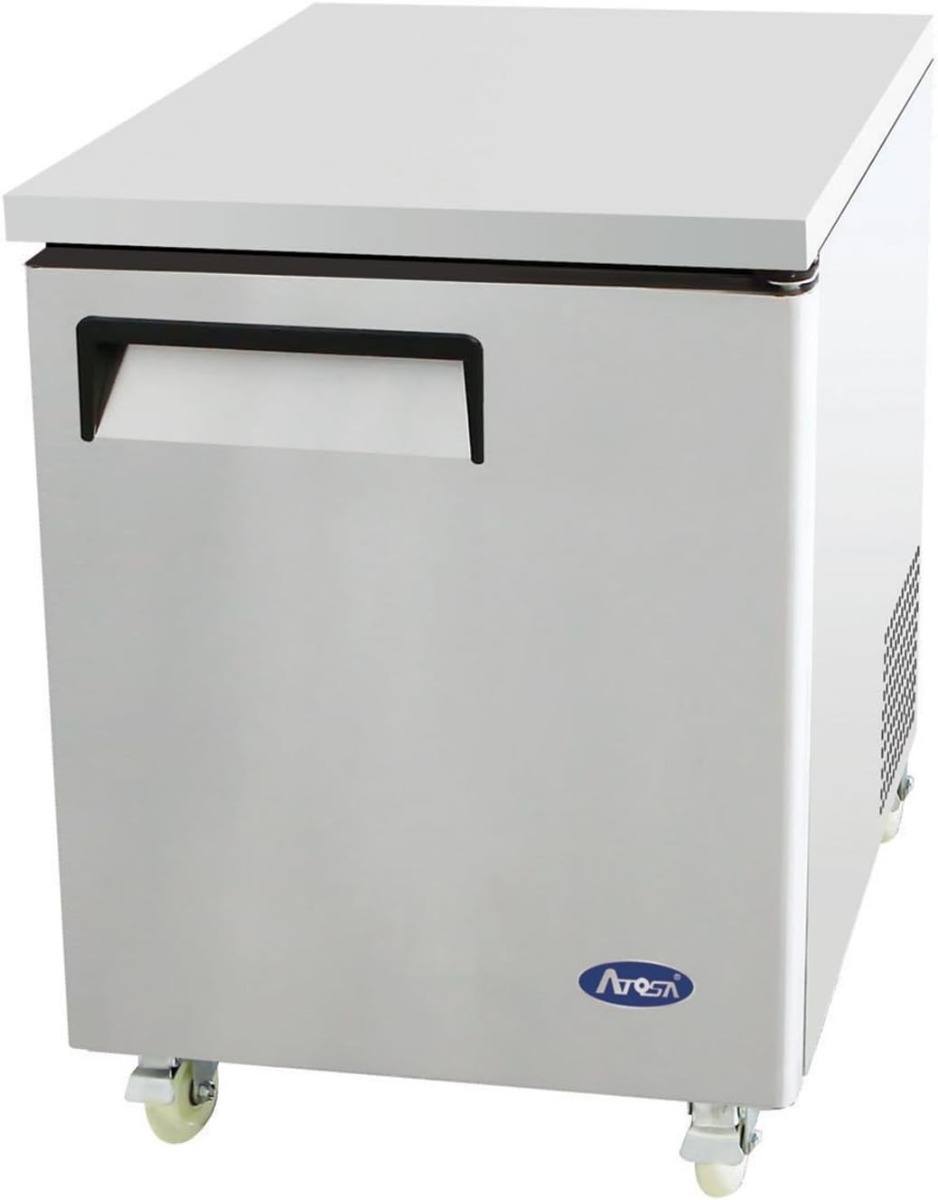
Undercounter Commercial Refrigerators and Freezers
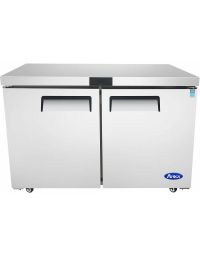
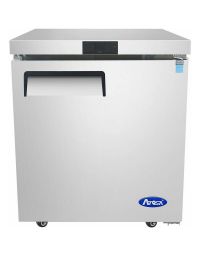
Undercounter refrigerators fit beneath counters and prep surfaces. These space-saving units feature tops that double as prep surfaces, giving you refrigeration and workspace in one integrated unit.
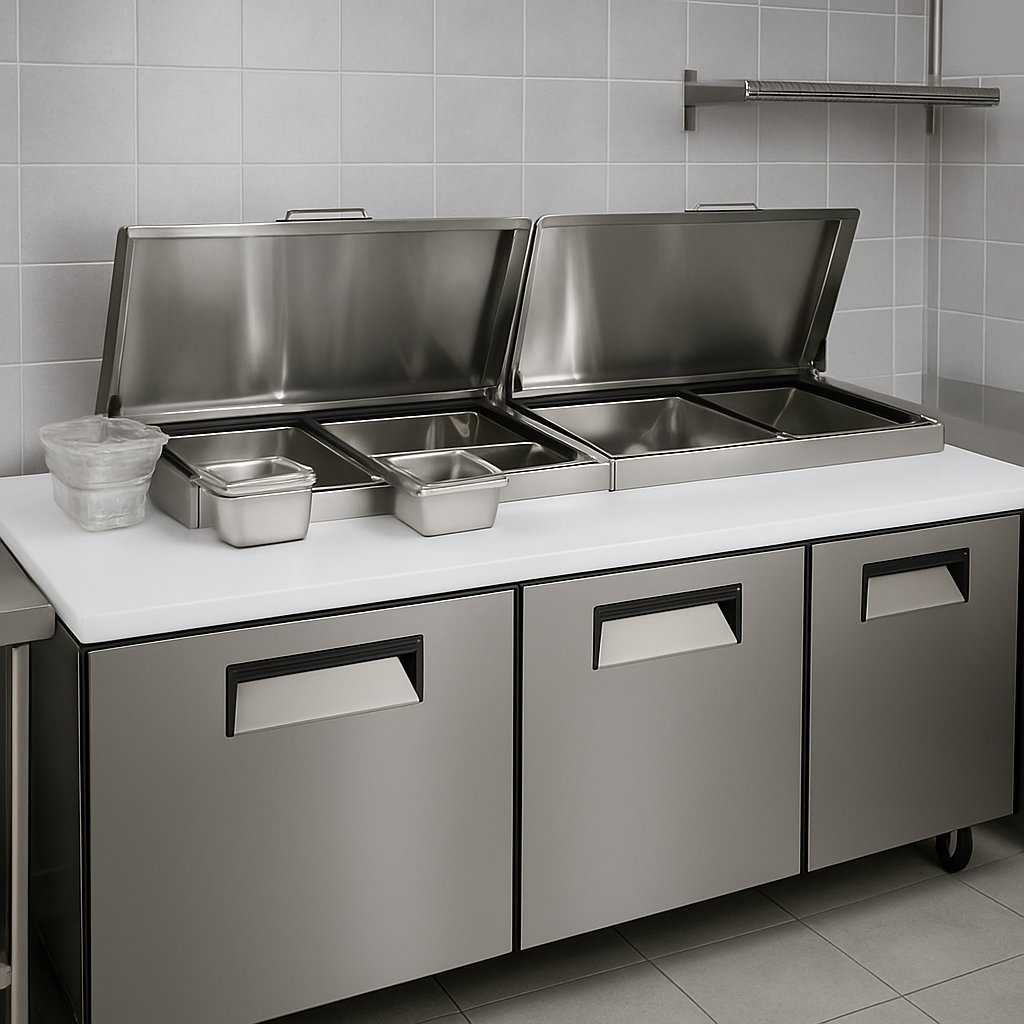
Width and Number of Doors
Atosa offers multiple width and door options in these configurations.
Based on the width, you can choose how many doors you want. The longer the width and the greater number of doors, the higher the capacity range.
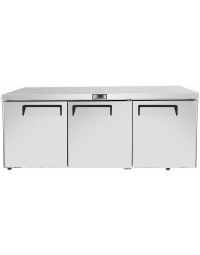
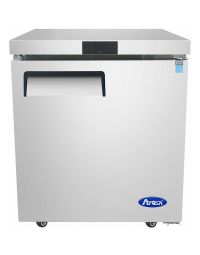
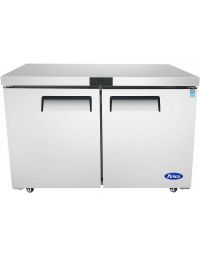
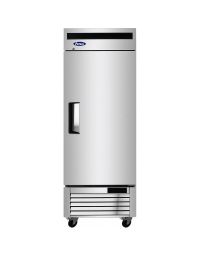
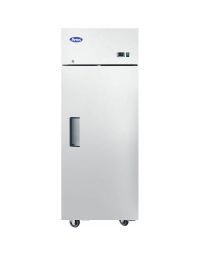
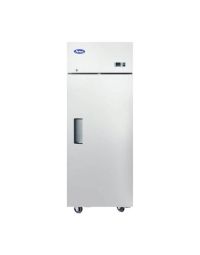
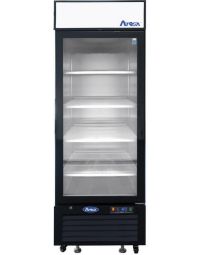
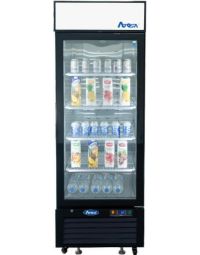
- 1-Door Commercial Refrigerators (19.1–22.6 cu. ft. capacity)
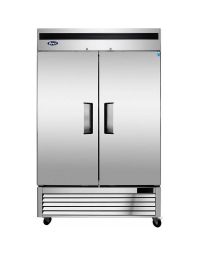
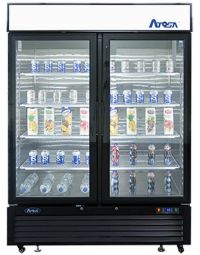
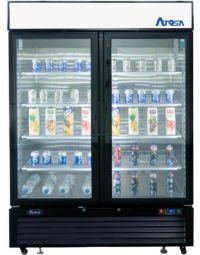
- 2-Door Commercial Refrigerators (44.5–46.0 cu. ft. capacity)
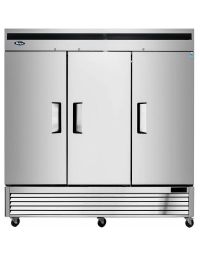
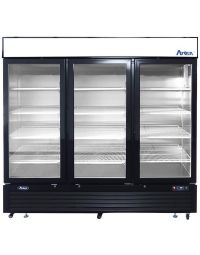
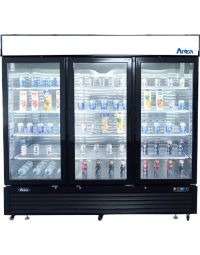
- 3-Door Commercial Refrigerators (69.2–71.0 cu. ft. capacity)
Space Planning Considerations
Measure your available space carefully. Account for door swing and ensure placement allows easy access without creating bottlenecks in your kitchen workflow. Consider traffic patterns during peak service times to optimize placement.
Electrical and Ventilation Requirements
- Voltage Requirements: Most Atosa commercial refrigeration equipment operates on standard 115V. Larger units may require 230V.
- Ventilation Requirements: Maintain at least 6" clearance on sides and back for adequate air circulation.
Always check your equipment’s manual for specific installation requirements. Professional installation is recommended for those new to refrigeration and to ensure warranty coverage.
Commercial Refrigerator Styles and Features
Choosing the right combination of features ensures your equipment serves your specific operational needs while maximizing efficiency and durability.
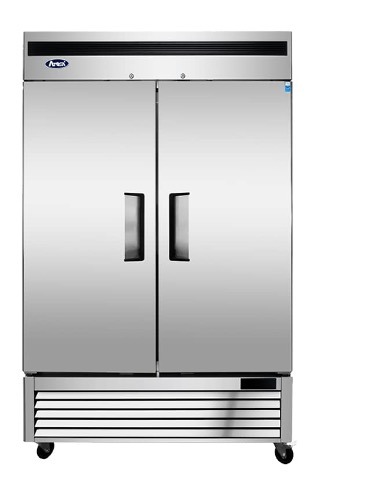
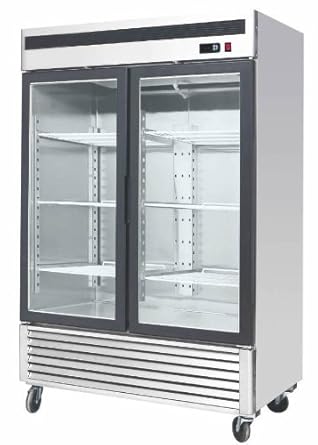
Glass Door vs. Solid Door Commercial Refrigerators and Freezers
Solid Door Refrigerators and Freezers – Best for back-of-house storage
- Superior insulation for lower operating costs
- Protect light-sensitive items from degradation
- Greater durability in high-traffic environments
- More affordable than glass door alternatives
Glass Door Refrigerators and Freezers – Best for customer-facing areas
- Staff can identify contents before opening doors
- LED interior lighting creates attractive displays
- Perfect for beverage service and grab-and-go applications
- Reduces energy loss from unnecessary door openings
Premium Design and Construction Features
Atosa incorporates other features that improve usability. Please check product specifics to see if these are included:
- Self-closing doors that automatically close in certain conditions
- Recessed door handles that prevent damage in tight spaces
- Magnetic door gaskets that create energy-efficient seals
- LED interior lighting that provides excellent visibility while saving energy
- Adjustable shelving that accommodates various container sizes
- Down-duct refrigeration that ensures even temperature distribution
- Dixell digital temperature controllers that maintain precise temperatures
Atosa Refrigeration Energy Efficiency and Warranty
Atosa's commitment to energy efficiency helps reduce your operating costs while supporting environmental sustainability goals.
R290 Refrigerant
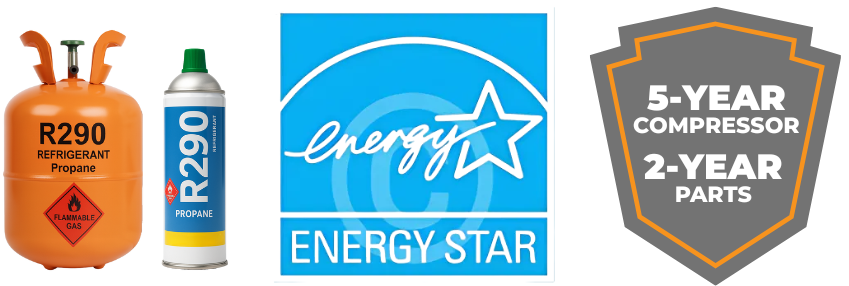
Atosa units use R290 refrigerant, delivering up to 40% better energy efficiency compared to traditional refrigerants. R290 has zero ozone depletion potential and provides more stable temperatures with less energy consumption, creating a better working environment for staff and customers.
Energy Star Certification
Most Atosa units earn Energy Star certification, providing government-backed verification of efficiency performance. This certification often qualifies your business for utility rebates and tax incentives. For busy commercial operations running equipment 24/7, Energy Star units can save hundreds to thousands of dollars annually in electricity costs.
Comprehensive Warranty Protection
Atosa backs their commercial refrigeration equipment with industry-leading warranty coverage: 2 years parts and labor plus 5 years on the compressor. Many products meet the requirements for cETLus, ETL, and CE safety certification, with NSF-approved gaskets ensuring food-contact surfaces meet strict sanitation standards.
Shop Atosa Refrigeration at HVACDirect.com
We've covered a lot of ground in this buying guide – from understanding why Atosa stands out in the market to determining the right size and installation type for your space. You've learned about the key features that matter, maintenance requirements to keep your equipment running smoothly, and the energy-efficient technology that can save you money over time.
The decision ultimately comes down to finding equipment that matches your specific needs, workflow, and budget. No matter your business needs Atosa has reliable refrigeration products that will last for years. Shop Atosa refrigerators and freezers at HVACDirect.com today.