Key Takeaways
- Estimate Daily Ice Production Needs: Calculate your average and peak ice usage to select a commercial ice maker that keeps up with demand without shortages or waste.
- Choose the Right Ice Type & Installation: Match cube, nugget, flake, or gourmet ice with the appropriate undercounter, modular, or countertop installation to fit your service style and space.
- Prioritize Energy Efficiency & Maintenance: Opt for Energy Star® certified models, ensure proper airflow and water supply, and schedule routine cleaning to extend equipment life and reduce costs.
Article Contents
Selecting the right commercial ice maker is essential for improving customer satisfaction, efficiency, and dependability. Industries such as foodservice, hospitality, healthcare, and office spaces rely heavily on ice machines. Choosing the perfect model makes sure that business runs smoothly and that customers are completely satisfied. In this comprehensive commercial ice machine buying guide, we’ll walk you through the key considerations for choosing the right commercial ice maker for your business.
What this guide covers:
- How to determine your daily ice production needs and size your machine
- Selecting the best ice type (cube, nugget, flake, gourmet) for your operation
- Installation options and matching storage bin capacities
- Air-cooled, water-cooled, and remote-cooled methods and environmental requirements
- Routine maintenance and filtration best practices to ensure safety and performance
- Comparison of leading equipment brands
- Meeting energy-efficiency standards and sustainability compliance
Determining the Right Size: Start with Ice Production Needs
Understanding Daily Ice Consumption
Knowing how much ice you use each day is the most crucial consideration when buying a commercial ice maker. Most companies underestimate how much ice they actually use, which results in shortages and service disruptions.
Typical Ice Usage Guidelines
You can use the chart below to help you determine how much ice your business might need:
| BUSINESS TYPE VS. TYPICAL DAILY ICE USE | |
|---|---|
| Business Type | Daily Ice Use |
| Restaurant | 1.5–2 lbs. per customer |
| Bar | 3 lbs. per customer |
| Hotel | 5 lbs. per room |
| Office | 1 lb. per employee |
| Healthcare | 10 lbs. per bed |
Taking Seasonal Variations and Peak Hours into Account
Your ice needs can be greatly impacted by seasonal variations and peak business hours. For example, hotels may see an increase in demand during tourist seasons, while restaurants and bars frequently see higher ice consumption on weekends and evenings. To prevent shortages, consider these variations when planning your capacity.
Ice makers can be broken down into three main production rates:
- Small: Up to 200 pounds of ice per day
- Medium: 200 to 500 pounds of ice per day
- Large: Over 500 pounds of ice per day
Choosing the Right Ice Type for Your Business
Depending on what type of business you have, the type of ice best suited for keeping your customers happy can vary. Consider these four types of ice.
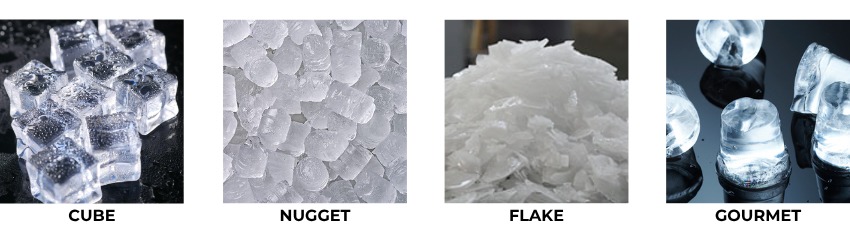
Common Types of Ice and Their Uses
- Cube Ice (full/half): Due to its slow melting rate, it’s perfect for use in restaurants, beverage service, and other general applications.
- Nugget Ice (chewable): Ideal for cafeterias, high-end bars, medical facilities, and any other establishment that needs softer ice.
- Flake Ice: Because it is moldable and cools rapidly, it works best in food displays, seafood markets, and medical environments.
- Gourmet Ice (clear): Due to its aesthetic appeal, it’s great for cocktails and fine dining establishments.
For any business to succeed, matching the type of ice to your customer experience goals is essential.
Determining the Ideal Installation and Storage Options
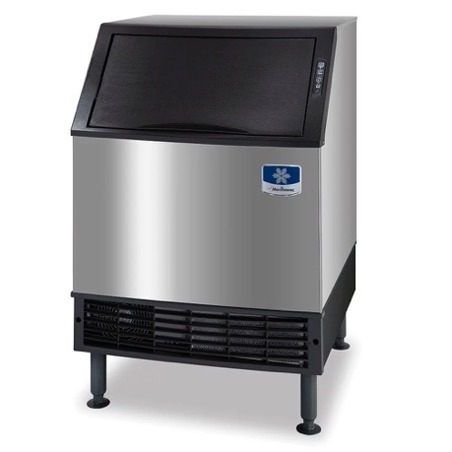
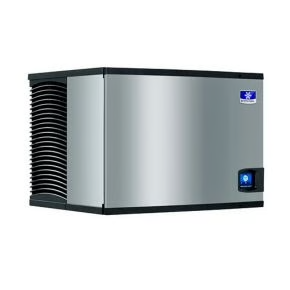
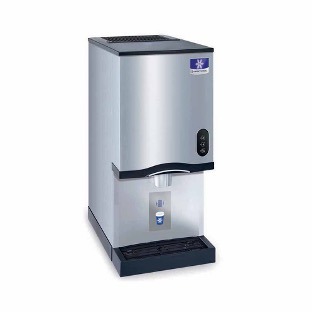
Types of Ice Machine Installations
The type of installation you choose is determined by your production requirements and available space:
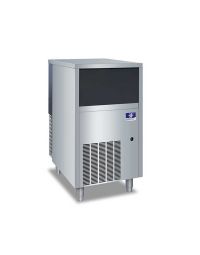
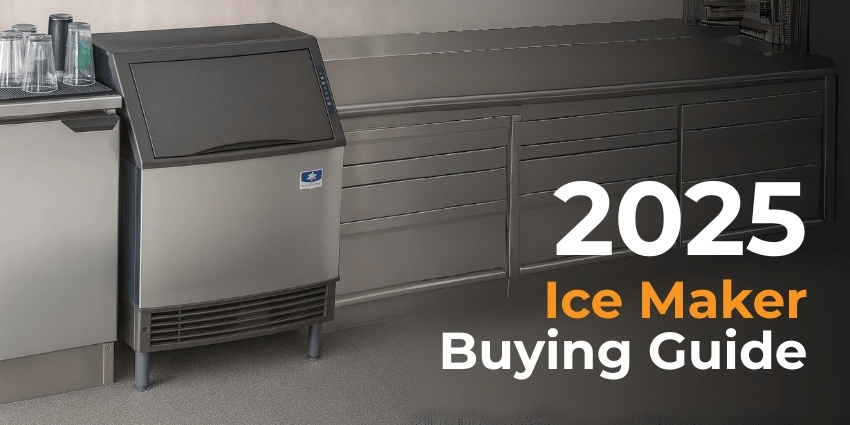
- Undercounter Ice Machines: Ideal for offices, cafes, and smaller establishments with constrained space.
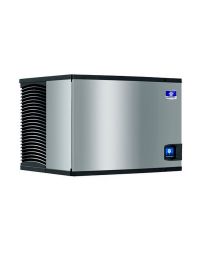
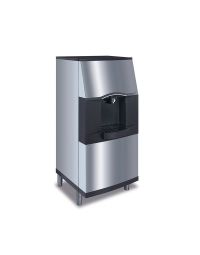
- Modular (Head-Only) Ice Makers: These machines need their own storage bins and are perfect for large production volumes.
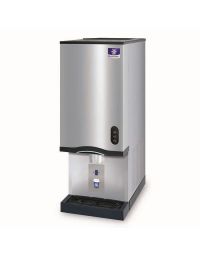
- Countertop Ice Machines: Small and practical for self-serve stations, cafeterias, and medical facilities.
How to Properly Store Ice
When choosing a modular ice maker, pairing it with the correct commercial ice maker storage bin size is critical. A bin that is too big may result in needless ice melting due to low turnover, while a bin that is too small may cause overflow problems. For maximum efficiency, match the size of your bin to your production needs.
Taking Air and Water Flow Requirements into Account
Choosing the right cooling system—and making sure your ice maker has proper airflow and water supply—is crucial for performance and reliability. The three primary cooling methods—air-cooled, water-cooled, and remote-cooled—each come with unique benefits and installation needs.
Cooling Methods
- Air-cooled Machines: Highly energy-efficient but require large ventilation space around the unit.
- Water-cooled Machines: These machines run quietly and do well in hot conditions, but local laws may limit their use.
- Remote-cooled Machines: High-end models that relocate the condensers outside, perfect for silent operations in spaces where customers are present.
Assessing the Environment
Your facility's airflow and ambient temperature have a big influence on how well your ice maker works. To increase productivity and minimize wear, make sure the area where you install it has a consistent temperature and enough ventilation.
Ice Machine Maintenance and Filtration
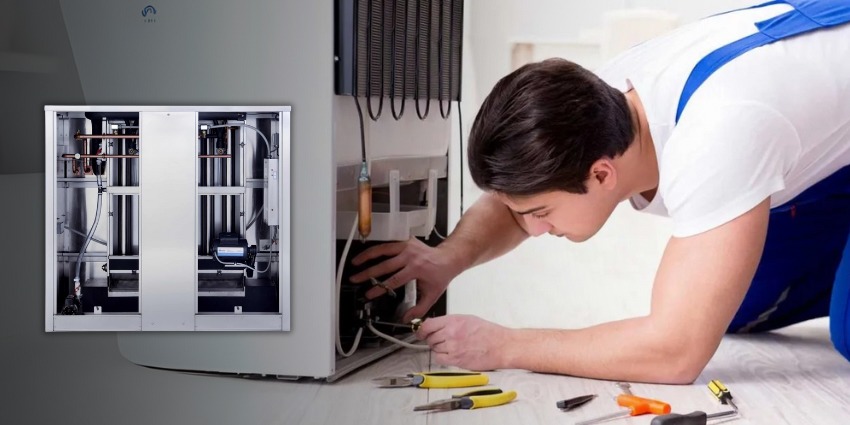
Maintaining the effectiveness and safety of your ice maker requires routine maintenance and appropriate filtration. Regular cleaning schedules and integrated water filtration stop the growth of bacteria, mold, and scale. Failure to perform routine maintenance may lead to malfunctions and potential health code violations.
Essential Maintenance Tips
- Schedule regular cleaning sessions.
- Replace filters as recommended by manufacturers.
- Perform periodic checks for mold and scale buildup.
- Keep a maintenance log to ensure tasks are completed timely.
Common Issues and Troubleshooting
Common problems like strange noises, leaks, or inadequate ice production should be addressed right away. Frequent inspections help prevent expensive downtime by spotting possible issues early.
Choosing a Trusted Ice Maker Brand
At HVACDirect.com, we carry top-rated brands known for exceptional quality:
- Manitowoc: Known for their cutting-edge technology, Manitowoc ice makers are perfect for busy restaurants, bars, and hotels because they produce ice consistently and have easy-to-use controls.
Each brand offers energy-efficient, Energy Star® certified machines with comprehensive warranties for peace of mind.
Compliance with Sustainability Policies
Importance of Energy Star Certification
Energy Star-certified appliances are required by sustainability regulations at many establishments, particularly hotels and large chains. These certifications assist companies in reaching carbon reduction targets, LEED ratings, and eco-friendly marketing efforts.
Benefits of Energy Efficiency
- Lower utility costs: Compared to standard models, Energy Star-certified units use up to 25% less water and 10% to 15% less energy.
- Rebates and incentives: Utility companies often offer rebates for Energy Star-compliant purchases, lowering initial costs.
- Enhanced durability: Higher performance requirements result in fewer repairs and longer operational life.
Need Help Choosing Your Ice Maker? HVACDirect.com Has You Covered
Selecting the best commercial ice maker requires knowing how much ice you need to produce each day, picking the right kind of ice, figuring out the best ways to install and store it, and making sure energy efficiency regulations are followed. For continued performance, routine upkeep and filtration are equally crucial.
Still unsure about the best ice machine for your restaurant, bar, hotel, or healthcare facility? HVACDirect.com’s friendly and knowledgeable product experts can help you select the perfect Manitowoc ice maker. Our team ensures you get the ideal size, installation type, and features tailored to your business without overspending.