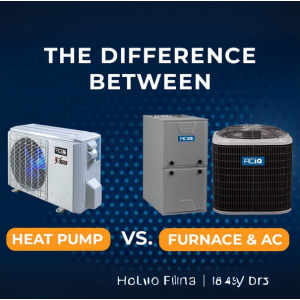
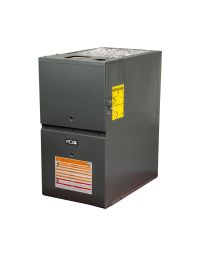
Climate control is necessary for a comfortable environment in any home, and we largely achieve this climate control through HVAC systems that cater to our heating and air conditioning needs.
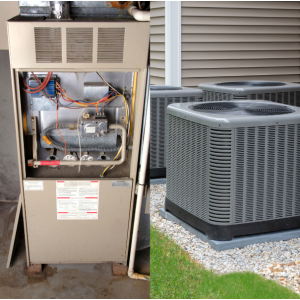
When it comes to heating and cooling of a building, there are a number of options available, but today we want to focus on furnaces and heat pumps, how they operate, and which operating conditions they are each best suited for.
Heat Pumps
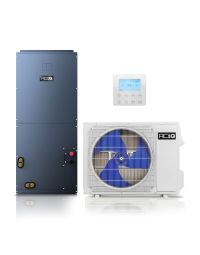
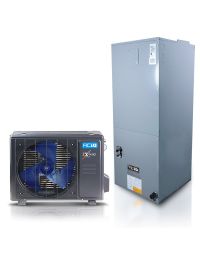
A heat pump is an HVAC device that transfers heat energy from one location to another. A heat pump doesn't actively generate heat. It simply moves it around. In the case of a house, a heat pump moves heat between the exterior of the home and interior of the home. The main components of a heat pump are an indoor evaporator, an outdoor condensing unit, refrigerant, and a compressor.How it Cools Your Home
 A fan sucks warm air from your home into the ducts.
- The air handler circulates the warm air while the refrigerant liquid circulates to the evaporator coil of the condenser. The refrigerant absorbs the heat energy from the warm air and changes state into a gas.
- The warm air loses its energy, becomes cool, and is returned to the home.
- The refrigerant, which is now a gas, moves to the outdoor condenser where it loses its heat to the environment. It is then recirculated back to the indoor unit by the compressor as a liquid.
Advantages of a Heat Pump
- Heat pumps are very energy efficient as no fuel is consumed to generate heat.
- It functions relatively well in areas that experience mild winters.
- It provides the dual functions of cooling and heating.
Advantages of Goodman Furnaces
- Goodman furnaces have a longer lifespan than heat pumps because they have fewer parts that require maintenance.
- Additionally, maintenance requirements are lower because furnaces are usually only used during one season compared to multiple seasons like a heat pump.
- Furnaces perform better in very cold climates because there's no limit to the amount of heat you can generate.
March 2, 2019