Key Takeaways
- Defrost is part of heat-pump heating operation. The system periodically clears frost from its outdoor coil.
- Brief vapor, changing sounds, or a paused outdoor fan can be normal. Look for a return to ordinary heating, not one isolated symptom.
- Persistent heavy ice or declining comfort needs attention. Do not assume every frozen outdoor unit is simply defrosting.
- Keep checks safe. Leave panels closed, protect clearances, and do not chip ice, pour hot water, or force a defrost cycle.
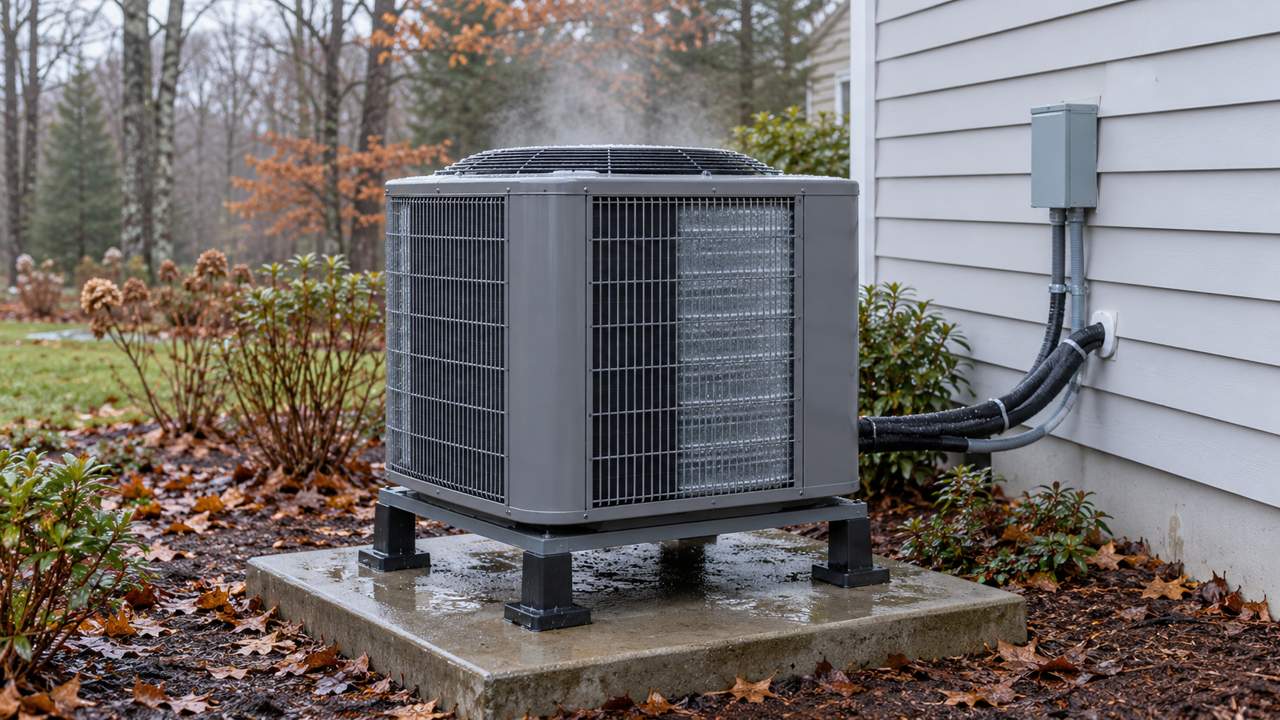
A heat pump defrost cycle removes frost from the outdoor coil during heating operation. A brief change in sound, a pause in the outdoor fan, or a light cloud of water vapor can be part of that process, provided the system clears the frost and returns to normal heating.
The important distinction is between a temporary operating cycle and an ongoing problem. Thick ice that remains, repeated faults, or a home that keeps getting colder should not be dismissed as normal defrost. This guide explains what to observe without opening equipment or attempting refrigerant or electrical repairs.
Why Does a Heat Pump Need to Defrost?
In heating mode, the outdoor coil absorbs heat from outside air. Its surface can become cold enough for moisture to freeze on it. Frost can form even when the air temperature is above freezing because coil temperature and air temperature are not the same.
When frost interferes with the coil's work, the system's controls can initiate defrost. Many heat pumps temporarily change refrigerant operation to warm the outdoor coil. The exact control sequence depends on the equipment, so use the owner's manual for model-specific behavior.
A heat pump is not malfunctioning merely because its outdoor unit looks different in winter than an air conditioner does in summer. The question is whether frost is being managed and heating performance returns.
What Can Be Normal During Defrost?
- Light water vapor: Moisture released as the coil warms can look like a small white cloud.
- A temporary sound change: Refrigerant flow and operating components may sound different during a transition.
- A change in outdoor fan operation: Some equipment pauses its outdoor fan during defrost.
- Meltwater below the unit: Water from melting frost needs a suitable place to drain.
- A temporary change indoors: Delivered air or supplemental-heat operation may change while the system completes the cycle.
No single observation confirms that everything is working. Check whether the cycle ends, frost reduces, and normal heating resumes. Do not approach moving components or remove guards to investigate.
Water vapor is different from persistent smoke or an electrical-burning smell. If there is smoke, scorching, or another immediate hazard, stop using the equipment if safe and contact appropriate emergency or service help. Do not assume it is harmless steam.
How Long and How Often Should Defrost Run?
There is no one duration or schedule that applies to every heat pump. Outdoor conditions, coil conditions, control design, installation, and the model's operating logic all affect when a cycle occurs and how it ends.
Do not use a generic minute count from another system as the sole diagnostic rule. Compare the observed behavior with your equipment documentation and record what happens over a cycle. A technician can interpret those observations alongside operating measurements.
More visible defrost activity in damp weather is not automatically evidence of a defect. Repeated cycles that do not clear the coil, unusual changes from the system's previous behavior, or worsening indoor comfort deserve assessment.
Does Auxiliary Heat Mean Something Is Wrong?
Not necessarily. Some systems use supplemental heat to help maintain comfort during defrost. Whether it runs and what the thermostat displays depends on the installed equipment and controls. Do not switch to Emergency Heat simply to stop normal defrost activity; follow the model's instructions and seek service if heating is inadequate.
Signs That Need Professional Service
Arrange service when the outdoor coil stays heavily encased in ice, ice begins contacting the fan, repeated fault messages appear, or the system fails to return to effective heating. A fan striking ice, severe vibration, or an electrical smell calls for prompt attention rather than continued observation.
Possible causes can involve airflow, drainage, water dripping from above, controls, sensors, or refrigerant-system problems. Appearance alone cannot identify which component has failed. Defrost-board replacement or refrigerant charging should not be guessed from a photograph.
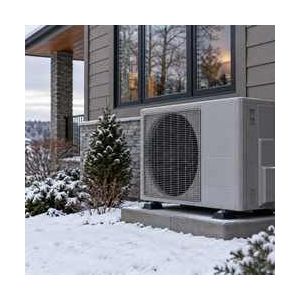
Roof runoff and meltwater can also create ice around equipment. Have the installation and water path evaluated rather than adding a makeshift cover that obstructs airflow. Do not drill drain holes or modify the cabinet.
Safe Checks Before the Service Visit
- Confirm the thermostat is in the intended heating mode and note any displayed code or alert.
- Check the user-serviceable indoor filter according to the owner's instructions; keep supply and return openings unobstructed.
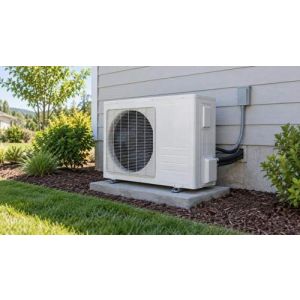
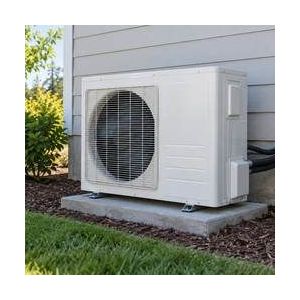
- From a safe distance, look for leaves, snow, vegetation, or stored objects blocking the outdoor unit's required clearance.
- Observe whether frost reduces and normal heating returns. Note weather conditions, indoor temperature, and approximate start and end times.
- Take a photo of persistent icing without reaching through guards, opening panels, or standing on an icy pad.
- Give the service provider the model number, observations, and any fault code.
Do not chip or scrape the coil, pour hot water over the unit, use an open flame, bypass a sensor, or force defrost through the control board. Avoid repeated breaker resets. These actions can damage equipment or create safety hazards without fixing the cause.
What Matters When Installing or Replacing a Heat Pump?
Plan the outdoor location around manufacturer-required clearances, service access, local weather exposure, and a suitable meltwater path. In locations where snow or refreezing is a concern, the installer should select the approved elevation and mounting arrangement for the actual site.
Do not assume a cover, drain accessory, or base-pan heater is universally required or compatible. Any accessory should be approved for the exact model. The indoor equipment, auxiliary heat, thermostat, and outdoor unit must also work together.
When comparing winter heat-pump performance ratings, remember that a rating does not replace an installation assessment. Compare heat-pump systems with the home's load, climate, controls, and backup-heat plan in mind, and verify the exact product requirements before ordering.
Frequently Asked Questions
Is steam from a heat pump normal?
A brief light vapor cloud during defrost can be normal. Persistent smoke, a burning smell, or failure to resume heating is a different situation and needs attention.
Should the outdoor fan stop during defrost?
It can on some systems. Fan behavior is model-specific; a stopped fan alone is not enough to diagnose a failure. Look at the full cycle and consult the owner's instructions.
Can I manually defrost the unit with hot water?
Do not use hot water or improvised methods. Follow the manufacturer's instructions and have persistent icing diagnosed by a qualified technician.
Why is the unit frosty when it is not freezing outside?
The outdoor coil can be colder than the surrounding air during heating. Frost formation depends on coil conditions and moisture, not just the outdoor air reading.
Observe the complete defrost cycle, keep required clearances open, and request service when ice persists or normal heating does not return.