Key Takeaways
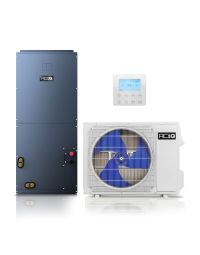
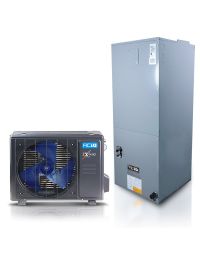
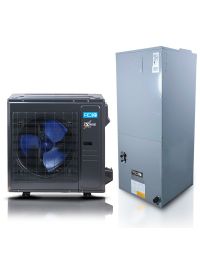
- These are ducted central heat pumps, not mini-splits. Compare a matched outdoor condenser and indoor air handler at the same capacity.
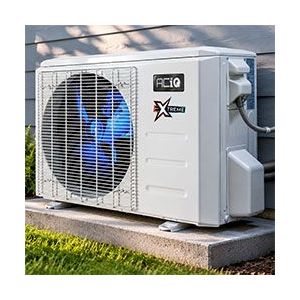
- Extreme is the cold-climate choice. Current Extreme configurations advertise heating operation down to -22°F; the current Essentials R-32 central line lists heating operation down to 5°F.
- Essentials emphasizes purchase value. It can be a strong fit in milder climates or in homes with a properly designed backup-heat plan.
- Ratings vary by matched system. Check the exact AHRI combination, low-temperature capacity, HSPF2, SEER2, and installed price—not just the series name.
ACiQ Extreme and ACiQ Essentials both bring inverter-driven heating and cooling to a ducted central system. The important difference is what you need the heat pump to do when outdoor temperatures fall—and what you are willing to spend to get that performance.
This guide compares current ACiQ central heat-pump families. ACiQ also sells mini-splits with similar series names, but their specifications and equipment combinations are different. Always confirm the exact condenser, air handler, and AHRI-rated pairing before ordering.
ACiQ Extreme vs. Essentials: The Quick Answer
Choose ACiQ Extreme when the heat pump will handle meaningful winter heating in a cold climate and retaining capacity at low outdoor temperatures is a priority. Current Extreme central heat-pump literature identifies heating operation down to -22°F. That is an operating-range claim, not a promise that the unit will cover every home's heat loss at -22°F.
Choose ACiQ Essentials when you want an inverter central heat pump at a lower equipment cost and the local climate, home heat loss, and backup-heat strategy fit its performance envelope. Current Essentials R-32 central-system information lists heating operation down to 5°F.
Most useful question for your installer: How many BTU/h can the exact matched system deliver at your winter design temperature, and how much heat does your home need at that temperature?
Side-by-Side Buying Considerations
| Factor | ACiQ Extreme central heat pump | ACiQ Essentials central heat pump |
|---|---|---|
| Best fit | Colder climates and higher winter-heating demands | Value-focused ducted upgrades where the climate and backup plan fit |
| Published heating operating range | Down to -22°F on current Extreme configurations | Down to 5°F on the current Essentials R-32 central line |
| Compressor control | Inverter-driven, variable-output operation | Inverter-driven, variable-output operation |
| Refrigerant | Check the exact model; current listings include R-454B and R-32 variants | Current central Essentials listings use R-32 |
| Efficiency and capacity | Varies by outdoor unit and indoor match | Varies by outdoor unit and indoor match |
| Installed cost | Typically higher equipment investment | Typically lower equipment investment |
Do not interpret the operating-range row as a capacity comparison. A heat pump may run at a stated outdoor temperature while delivering less heat than its nominal rating. The system must be sized against the home's actual heat loss.
What Extreme's Low-Temperature Capability Means
As outdoor temperature drops, a home's heating demand rises while an air-source heat pump's available capacity can change. Extreme is designed for more demanding cold-weather operation. For a cold-climate buyer, the decisive documents are the manufacturer's capacity tables for the exact model and the home's room-by-room heat-loss calculation.
Ask the contractor to compare available heating output at the local design temperature, not only at the familiar 47°F rating point. Confirm when supplemental heat will engage and how the thermostat will control it. In a mild climate, paying for maximum low-temperature capability may offer less value than investing in proper sizing, duct sealing, and installation quality.
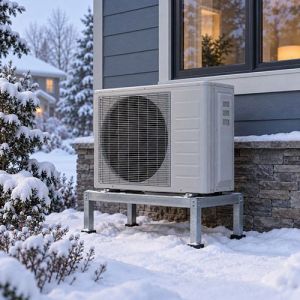
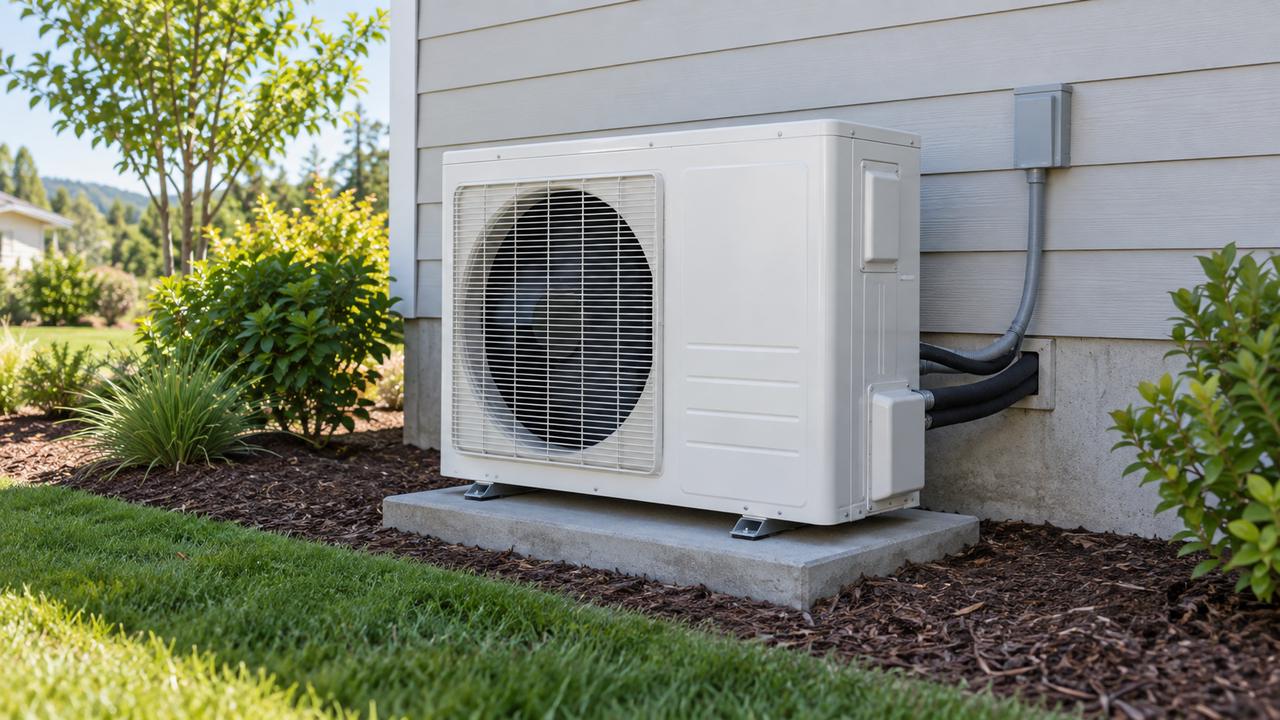
Defrost is normal for either air-source heat pump. Outdoor clearance, drainage, snow elevation, and installation details matter in cold weather. A qualified installer should follow the model-specific manual for siting and setup.
How to Compare Total Value
Equipment price is only one part of the decision. Compare quotes that include the matched air handler, controls, any required heat kit, electrical work, duct changes, pad or stand, permits, commissioning, and labor. A low equipment price can be offset by modifications needed to make the system work well in your home.
SEER2 describes seasonal cooling efficiency; HSPF2 describes seasonal heating efficiency under a standardized test. Neither number alone tells you the output at a specific cold temperature. Review the AHRI certificate and low-temperature performance table for each proposed match. The highest SEER2 model is not automatically the best winter value.
Also ask about the warranty terms for the exact equipment and registration requirements. They can vary by product and purchase date. Compare installation proposals on the same scope of work rather than assuming two similarly sized systems are interchangeable.
Which Series Should You Choose?
- Calculate the heating and cooling loads. A Manual J-style load calculation is more useful than replacing a unit ton-for-ton by habit.
- Check winter capacity. Compare each matched system's delivered BTU/h at the local design temperature with the calculated heat loss.
- Plan backup heat. Determine whether electric auxiliary heat or another approved backup source is needed, and include its operating cost.
- Review the duct system. Airflow, static pressure, leakage, and return-air capacity can limit comfort regardless of the series selected.
- Compare complete installed quotes. Include controls, electrical changes, commissioning, warranty, and service support.
For a home with frequent subfreezing weather, Extreme's cold-weather design deserves a close look. For a milder location with a sound backup strategy, Essentials may deliver the better overall value. The right answer comes from the matched performance data and the home's load—not the badge on the cabinet.
Frequently Asked Questions
Can ACiQ Essentials heat a home in winter?
Yes, when its matched heating capacity is adequate for the conditions and the system is installed and controlled correctly. Its listed minimum operating temperature is not the same as guaranteed whole-home capacity at that temperature.
Does -22°F mean ACiQ Extreme provides full rated heat at -22°F?
No. It indicates a published operating limit for current Extreme configurations. Available heat output must be checked in the exact model's low-temperature performance data.
Can either series work with existing ducts?
Both are intended for ducted central applications, but the ducts must be evaluated for airflow, sizing, condition, and leakage. The installer must verify the selected air handler and controls are compatible with the system design.
Ready to compare systems? Browse ACiQ high-efficiency heat-pump systems, then have a qualified contractor compare matched performance and installation needs for your home.
The bottom line: Extreme is built for tougher winter heating, while Essentials puts inverter comfort within reach at a lower equipment cost. Choose the matched system that meets your home's loads and installation requirements.