
Key Takeaways
- Proper Sizing & Whole-Home Integration: Accurately match your central AC’s tonnage to your home’s square footage and always replace both the indoor evaporator and outdoor condensing unit together to ensure balanced comfort, efficient operation, and optimal upfront investment.
- SEER Ratings Drive Efficiency & Savings: Aim for units with a SEER rating of 15–17 or higher—well above the 2006 DOE minimum of 13—to minimize energy waste, qualify for rebates, and significantly reduce your running costs over the system’s lifetime.
- Built-In Energy-Saving Features Matter: Look for central air conditioners equipped with large heat-transfer coils, variable-speed blowers, thermal expansion valves, automatic fan-off delays, and programmable thermostats—these components work together to maximize efficiency and lower your electric bills.
We all love air conditioning in the summertime, nothing feels greater than that cool temperature cooling down your home. However, we all love that cooling down the temperature in summer except when we see our electric bill! Yikes! The air conditioning systems we grew up with extreme energy suckers and we usually paid a hefty price for the cooling comfort they delivered.
A Smarter, More Efficient Solution
Times have changed, and today’s air conditioner condensers are built with advanced technology that maximizes cooling while minimizing energy use. By upgrading to a modern, high-efficiency unit, you can enjoy lower electric bills, reduce your environmental impact, and still keep your home perfectly comfortable. It’s an investment that pays for itself in both comfort and savings.
Invest in Comfort and Savings
If you’re tired of high utility bills, it may be time to consider replacing your old air conditioner with a more efficient model. HVACDirect offers high-quality air conditioner condensers that deliver long-lasting performance and energy savings. With proper maintenance and smart usage, you can keep your system running efficiently all season long—while keeping more money in your pocket.
What is an Air Conditioner Condenser?
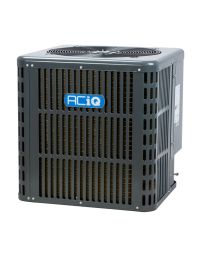
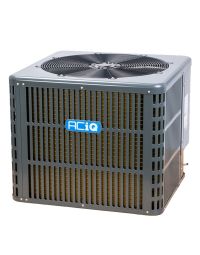
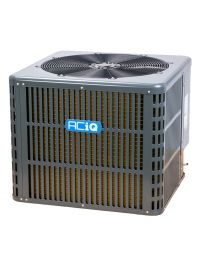
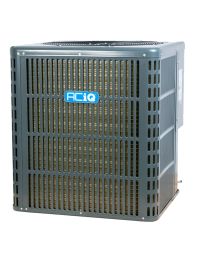
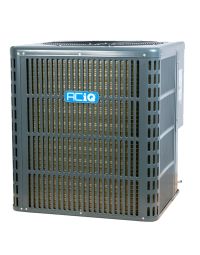
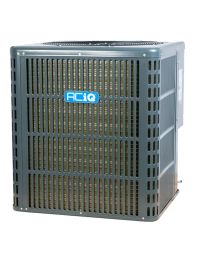
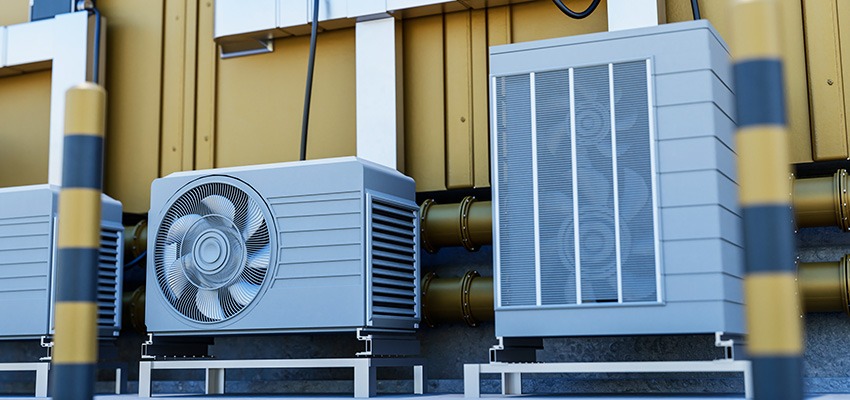 So, you may be thinking what exactly is an air conditioner condenser? Well, it typically has a heat exchanger section to cool down and condense incoming refrigerant vapor into liquid, a compressor to raise the pressure of the refrigerant and move it along, and a fan for blowing outside air through the heat exchanger section to cool the refrigerant inside. A typical configuration of such a condenser unit is as follows: The heat exchanger section wraps around the sides of the unit with the compressor inside.
How an Air Conditioner Condenser Works
Inside the heat exchanger section, refrigerant flows through multiple tube passes surrounded by heat transfer fins, allowing cooling air to move efficiently from outside to inside the unit. A motorized fan, protected by a top grating, draws outside air through the heat exchanger and expels it upward. Installed outside the building, these condensers connect to indoor systems via two refrigerant lines — one carrying vapor in, the other sending cooled liquid back. This setup ensures your home stays comfortable while efficiently managing heat transfer.
Save Your Money on Your AC Condenser Units by Following These Tips
Did you know heating and cooling bills can make up over half of your total utility expenses? Wow! That makes using central air conditioning part of the largest energy expense for a typical home in the United States. With summer already here and heat index temperatures increasing every day, we’ve several tips of easy, no-cost ways to improve air conditioning efficiency in your home to help you get the most from your air conditioner condenser while controlling and saving money on your expenses.
Placement and Shading Tips
To help improve cooling efficiency and reduce strain on your air conditioner, proper thermostat placement and unit shading are essential. Incorrect placement or excessive sun exposure can cause your system to run longer than necessary, wasting energy.
Some easy strategies to boost efficiency include:
- Keep Heat Sources Away from the Thermostat– Avoid placing lamps, TVs, or other heat-producing appliances near your thermostat to prevent false temperature readings that make your AC run longer.
- Install the Condenser in a Shaded Area– The north side of your home is ideal, but if that’s not possible, consider landscaping solutions.
- Use Trees or Shrubs for Shade– Planting vegetation around your condenser can block direct sunlight, improve performance, and enhance your yard’s appearance.
Curtains, Sunlight & Heat-Producing Chores
Managing sunlight and indoor heat sources can greatly reduce the workload on your air conditioner.
Keeping curtains, blinds, or drapes closed during the hottest parts of the day — especially on east- and west-facing windows — prevents direct sunlight from heating your home. This helps maintain cooler indoor temperatures and reduces the amount of time your system needs to run. In the evenings, open them to let trapped heat escape and take advantage of cooler outdoor air.
Appliances like ovens, dishwashers, and clothes dryers release heat into your home, forcing your AC to work harder. Running these during the cooler hours of early morning or late evening minimizes added heat and helps keep your home comfortable while lowering energy usage.
We all love air conditioning in the summertime, nothing feels greater than that cool temperature cooling down your home. However, we all love that cooling down the temperature in summer except when we see our electric bill! Yikes! The air conditioning systems we grew up with extreme energy suckers and we usually paid a hefty price for the cooling comfort they delivered.
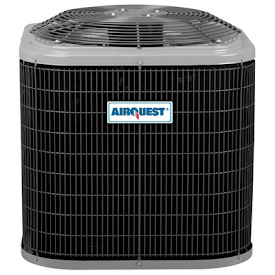
Fortunately, times have changed, and we can enjoy substantial energy savings by installing and using today’s technically advanced and efficient cooling air conditioner condenser. Do you wish to save more money, decrease your energy use or promote more go-green environment? Invest in our air conditioner condenser it can decrease the amount you spend on energy.
If you’re looking to save more money on those costly high utility bills around your home consider shopping around for a new air conditioner. Why not invest your time and money into saving on home heating and cooling when you buy an air conditioner condenser from HVACDirect? These tips can help keep your air conditioner condenser healthy and energy efficient as the weather gets warmer and homeowners will begin turning on their air conditioning units.
What is an air conditioner condenser?
So, you may be thinking what exactly is an air conditioner condenser? Well, it typically has a heat exchanger section to cool down and condense incoming refrigerant vapor into liquid, a compressor to raise the pressure of the refrigerant and move it along, and a fan for blowing outside air through the heat exchanger section to cool the refrigerant inside. A typical configuration of such a condenser unit is as follows: The heat exchanger section wraps around the sides of the unit with the compressor inside.
In this hea exchanger section, the refrigerant goes through multiple tubes passes, which are surrounded by heat transfer fins through which cooling air can move from outside to inside the unit. There is a motorized fan inside the condenser unit near the top, which is covered by some grating to keep any objects from accidentally falling inside on the fan.
The fan is used to blow the outside cooling air in through the heat exchange section at the sides and out the top through the grating. These condenser units are located on the outside of the building they are trying to cool, with tubing between the unit and building, one for vapor refrigerant entering and another for liquid refrigerant leaving the unit.
Save Your Money on Your AC Condenser Units by Following These Tips
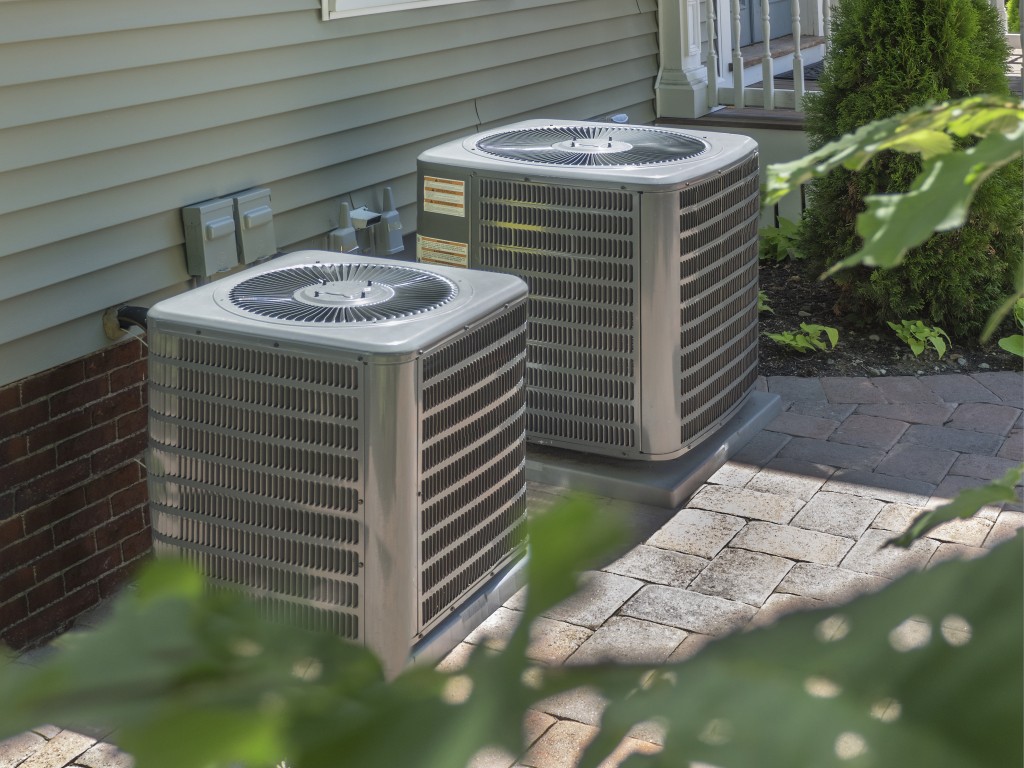
Did you know heating and cooling bills can make up over half of your total utility expenses? Wow! That makes using central air conditioning part of the largest energy expense for a typical home in the United States. With summer already here and heat index temperatures increasing every day, we’ve several tips of easy, no-cost ways to improve air conditioning efficiency in your home to help you get the most from your air conditioner condenser while controlling and saving money on your expenses.
Leave the thermostat alone. Many people are good about leaving the air conditioner at 78°F. Some even take it upon themselves to set the temperature higher when there is no one at home. If you make this a practice, make sure that no one drops the temperature below 78 in order to cool the house down faster.
The air conditioner cools at the same rate no matter the setting. Adjusting the temperature to 70°F will not help your house get to 78°F any faster than if it were left at 78. A programmable thermostat is a great way to avoid this problem. You can program the thermostat to increase the temperatures when you are away from home and have dropped back to a comfortable temperature before you return home.
Keep lamps and other heat-producing appliances away from your thermostat. Having heat producing appliances near your thermostat will tell it that the air in your home needs to be cooled more, causing the system to run longer and work harder than it may need to.
Keep your air conditioner out of the sun. The ideal location for a central air conditioner is on the north side of your home. While this may not be practical in every case, the general idea of keeping the unit out of the sun can be achieved in other ways. Landscaping does more than make your yard look nice. By planting shrubs or trees around your air conditioning unit, you can help it cool your home more efficiently. The shade from this landscaping can also be used to keep the sun’s direct rays off of your home.
Keep the curtains closed. Natural light can help reduce your lighting costs, however, when no one is in the room it is best to keep the curtains closed during the day. This is especially true for houses with windows on the eastern or western sides. Keeping the sun’s direct rays from entering your home helps to reduce the amount of effort your air conditioner puts forth to keep the house cool. To maximize this, open the drapes, blinds or curtains in the evening to allow heat to escape through the windows of your home.
Save chores for the right time. While cooking can heat up the kitchen, so can using the dishwasher to dry the dishes. Clothes dryers located in the house can have the same effect. These tasks are better left for evening time, or better yet when no one is in the home. Also doing labor-intensive tasks during the hottest times of the day can make you feel uncomfortable. If possible, leave these tasks for evening or early morning when the heat isn’t as bad.