Improving Ventilation with Roof Exhaust Fans

Improving ventilation with roof exhaust fans graphic showing HVACDirect.com branding and an industrial roof fan system.
Improving ventilation with roof exhaust fans graphic showing industrial upblast fan equipment and HVACDirect.com branding.Improving ventilation with roof exhaust fans graphic showing industrial upblast fan equipment and HVACDirect.com branding.

Key Takeaways

  • Roof Exhaust Fans Improve Air Quality and Comfort: By expelling hot, stale, and humid air from the building, roof exhaust fans help regulate temperature, control moisture, and reduce mold, odors, and structural damage.
  • Different Roof Fan Types Serve Specific Applications: Propeller, centrifugal, restaurant grease, and upblast roof fans are each engineered to handle particular airflow volumes, contaminants, and building environments in commercial and industrial settings.
  • Proper Roof Ventilation Supports Energy Efficiency: Effective roof exhaust ventilation reduces heat buildup and moisture, easing the load on HVAC equipment, improving energy efficiency, and helping extend the life of the building and its systems.

Roof exhaust fans are essential components in maintaining a healthy and comfortable indoor environment. Designed to expel hot, stale air from the interior of a building, these fans play a crucial role in regulating temperature, reducing humidity, and improving air quality. Whether for commercial or industrial spaces, roof exhaust fans provide an efficient solution for managing indoor climate and preventing issues such as mold growth, structural damage, and uncomfortable living conditions.

What Are Roof Exhaust Fans?

Roof exhaust fans, also known as roof vent fans or roof fans, are mechanical devices installed on the roof of a building. Their primary function is to remove unwanted air from the interior, replacing it with fresh air from outside. By doing so, they help maintain a balanced indoor environment, reducing the buildup of heat, moisture, and airborne contaminants. Roof fans come in various sizes and capacities to suit different types of buildings, from commercial areas to large commercial structures.

How Does Roof Ventilation Work?

Roof ventilation works by removing hot air and moisture from the attic, helping to regulate temperature and prevent issues like mold growth and wood rot. A well-balanced system with both intake and exhaust vents enhances airflow, reducing heat buildup and maintaining a consistent indoor temperature. The effectiveness of roof ventilation depends on the size and quality of the fan, proper ventilation design, and regular maintenance to ensure optimal performance.

What is the Purpose of a Roof Exhaust Fan?

The purpose of a roof exhaust fan is to improve air circulation and ventilation within a building. By expelling hot, stale, or humid air from the interior, a roof exhaust fan helps to regulate indoor temperature, reduce moisture levels, and prevent the buildup of pollutants and odors. This ventilation process is especially crucial in attics and other spaces prone to overheating or poor air quality, as it helps maintain a healthier and more comfortable environment.

Roof exhaust fans can enhance the overall energy efficiency of a building. By removing excess heat during warmer months, they reduce the strain on air conditioning systems, potentially lowering energy consumption and costs. In colder climates, proper ventilation can prevent issues like condensation and mold growth, which can damage the structure and lead to costly repairs. Overall, a roof exhaust fan is a valuable addition to any building, promoting both comfort and longevity.

Types of Roof Exhaust Fans

There are several types of roof exhaust fans available, each designed to meet specific ventilation needs:
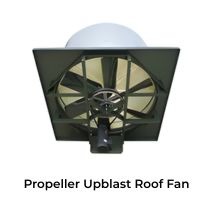
Propeller upblast roof fan

Propeller Upblast Roof Fans

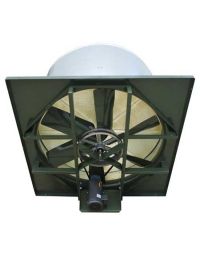
These fans use a propeller blade to move large volumes of air vertically away from the roof. They are ideal for high airflow applications like warehouses and factories, where contaminants need to be vented efficiently.
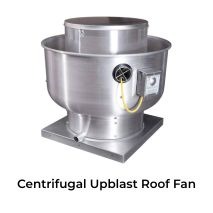
Centrifugal upblast roof fan

Centrifugal Upblast Roof Fans

Equipped with a centrifugal impeller, these fans expel air upward and are suitable for exhaust containing particulates, fumes, or moisture. They are commonly used in kitchens, laboratories, and industrial settings.
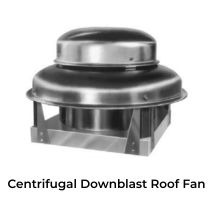
Centrifugal downblast roof fan

Centrifugal Downblast Roof Fans

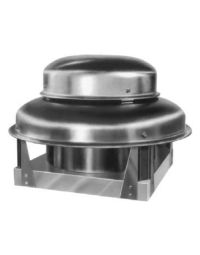
These fans direct air downward and are ideal for general ventilation in commercial and industrial spaces such as offices, retail stores, and hospitals. They offer efficient air movement while maintaining a low roof profile.
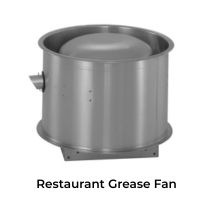
Restaurant grease exhaust fan

Restaurant Grease Fans

Specifically designed for commercial kitchens, these upblast fans handle high grease content in exhaust and prevent grease buildup on the roof. They withstand high temperatures and frequent cleaning.
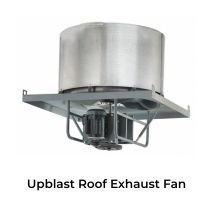
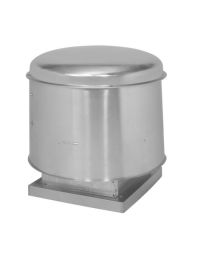
Upblast roof exhaust fan

Upblast Roof Exhaust Fans

Upblast roof exhaust fans expel air vertically, making them ideal for removing smoke, fumes, and hazardous air. They are used in industrial and commercial settings to ensure proper ventilation and a clean roof environment.
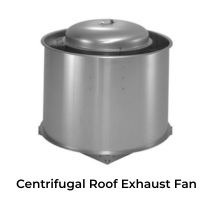
Centrifugal roof exhaust fan

Centrifugal Roof Exhaust Fans

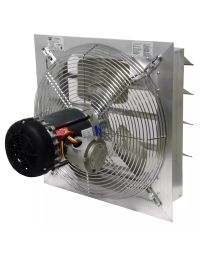
These fans use a centrifugal impeller to create high-pressure airflow for effective exhaust removal. They are suitable for general ventilation and fume extraction in locations requiring strong performance and low noise.

Do Roof Fans Use a Lot of Electricity?

Roof fans generally consume a modest amount of electricity, with energy usage depending on factors such as size and motor efficiency. Many modern roof fans are designed to be energy-efficient, reducing their impact on utility costs. Proper ventilation, with a balanced system of intake and exhaust vents, helps maintain a healthy attic environment and can lead to potential energy savings by reducing reliance on HVAC systems. If your attic feels excessively hot or shows signs of moisture or mold, it may indicate inadequate ventilation, and a professional assessment can ensure optimal performance.

Choosing the Right Roof Exhaust Fan

When selecting a roof exhaust fan, it's important to consider the specific needs of your building. Factors such as the size of the space, the type of roofing, and the local climate can all influence the effectiveness of a roof fan. Consulting with a professional can help you choose the best option for your needs, ensuring optimal performance and long-term satisfaction.

Roof exhaust fans are a crucial addition to any building, providing numerous benefits that enhance comfort, protect the structure, and reduce energy costs. Whether you opt for electric, solar-powered, wind-driven, or hybrid models, investing in a high-quality roof vent fan is a smart decision that pays off in both immediate and long-term gains. Visit HVACDirect.com today to find the perfect roof exhaust fan for your building and enjoy a more comfortable and efficient space.

Roof exhaust fans are essential components in maintaining a healthy and comfortable indoor environment. Designed to expel hot, stale air from the interior of a building, these fans play a crucial role in regulating temperature, reducing humidity, and improving air quality. Whether for commercial or industrial spaces, roof exhaust fans provide an efficient solution for managing indoor climate and preventing issues such as mold growth, structural damage, and uncomfortable living conditions. 

What Are Roof Exhaust Fans?

Roof exhaust fans, also known as roof vent fans or roof fans, are mechanical devices installed on the roof of a building. Their primary function is to remove unwanted air from the interior, replacing it with fresh air from outside. By doing so, they help maintain a balanced indoor environment, reducing the buildup of heat, moisture, and airborne contaminants. Roof fans come in various sizes and capacities to suit different types of buildings, from commercial areas to large commercial structures. 

How Does Roof Ventilation Work?

Roof ventilation works by removing hot air and moisture from the attic, helping to regulate temperature and prevent issues like mold growth and wood rot. A well-balanced system with both intake and exhaust vents enhances airflow, reducing heat buildup and maintaining a consistent indoor temperature. The effectiveness of roof ventilation depends on the size and quality of the fan, proper ventilation design, and regular maintenance to ensure optimal performance.

What is the purpose of a roof exhaust fan? 

The purpose of a roof exhaust fan is to improve air circulation and ventilation within a building. By expelling hot, stale, or humid air from the interior, a roof exhaust fan helps to regulate indoor temperature, reduce moisture levels, and prevent the buildup of pollutants and odors. This ventilation process is especially crucial in attics and other spaces prone to overheating or poor air quality, as it helps maintain a healthier and more comfortable environment. 

Roof exhaust fans can enhance the overall energy efficiency of a building. By removing excess heat during warmer months, they reduce the strain on air conditioning systems, potentially lowering energy consumption and costs. In colder climates, proper ventilation can prevent issues like condensation and mold growth, which can damage the structure and lead to costly repairs. Overall, a roof exhaust fan is a valuable addition to any building, promoting both comfort and longevity. 

Types of Roof Exhaust Fans

There are several types of roof exhaust fans available, each designed to meet specific ventilation needs: 

  1. Propeller Upblast Roof Fans - These fans use a propeller blade to move large volumes of air vertically away from the roof. They are ideal for high airflow applications like warehouses and factories, where contaminants need to be vented efficiently. 

  1. Centrifugal Upblast Roof Fans - Equipped with a centrifugal impeller, these fans expel air upward and are suitable for exhaust containing particulates, fumes, or moisture. They are commonly used in kitchens, laboratories, and industrial settings. 

  1. Centrifugal Downblast Roof Fans - These fans direct air downward and are ideal for general ventilation in commercial and industrial spaces such as offices, retail stores, and hospitals. They offer efficient air movement while maintaining a low roof profile, making them suitable for environments without harmful contaminants. 

  1. Restaurant Grease Fans - Specifically designed for commercial kitchens, these upblast fans handle high grease content in exhaust and prevent grease buildup on the roof. They are built to withstand high temperatures and frequent cleaning. 

  1. Upblast Roof Exhaust Fans - Upblast roof exhaust fans expel air vertically, making them ideal for removing smoke, fumes, and hazardous air. They are used in industrial and commercial settings to ensure proper ventilation and a clean roof environment. 

  1. Centrifugal Roof Exhaust Fans - These fans use a centrifugal impeller to create high-pressure airflow for effective exhaust removal. They are suitable for general ventilation and fume extraction in locations requiring both performance and low noise. 

Do Roof Fans Use a Lot of Electricity?

Roof fans generally consume a modest amount of electricity, with energy usage depending on factors such as size and motor efficiency. Many modern roof fans are designed to be energy-efficient, reducing their impact on utility costs. Proper ventilation, with a balanced system of intake and exhaust vents, helps maintain a healthy attic environment and can lead to potential energy savings by reducing reliance on HVAC systems. If your attic feels excessively hot or shows signs of moisture or mold, it may indicate inadequate ventilation, and a professional assessment can ensure optimal performance.

Choosing the Right Roof Exhaust Fan

When selecting a roof exhaust fan, it's important to consider the specific needs of your building. Factors such as the size of the space, the type of roofing, and the local climate can all influence the effectiveness of a roof fan. Consulting with a professional can help you choose the best option for your needs, ensuring optimal performance and long-term satisfaction. 

Roof exhaust fans are a crucial addition to any building, providing numerous benefits that enhance comfort, protect the structure, and reduce energy costs. Whether you opt for electric, solar-powered, wind-driven, or hybrid models, investing in a high-quality roof vent fan is a smart decision that pays off in both immediate and long-term gains. Visit HVACDirect.com today to find the perfect roof exhaust fan for your building and enjoy a more comfortable and efficient space. 


March 27, 2025
blockboard tech