Key Takeaways
- Different IAQ Problems Require Different Solutions: ERVs bring in fresh outdoor air, dehumidifiers control moisture, and air purifiers remove airborne particles. Most homes need a combination—not just one device.
- Humidity, Stale Air, and Allergens Are the Top IAQ Issues: High humidity, musty odors, pet dander, and stagnant air are the most common signs of poor indoor air quality—and each points to a different IAQ upgrade.
- Layering ERVs, Dehumidifiers & Air Purifiers Gives the Best Results: Fresh air ventilation, humidity control, and particulate filtration work best together—improving comfort, reducing allergens, and keeping indoor air clean year-round.
Article Contents
Indoor air quality (IAQ) has become a top priority for homeowners, especially as homes are built more tightly and energy-efficiently due to concerns about air pollution. Sealing a home helps keep conditioned air inside, but it also traps humidity, odors, contaminants, and stale air. That’s where ERVs, dehumidifiers, and air purifiers step in. They help prevent these problems and reduce exposure.
This guide breaks down what each system does, when you truly need one, and how they work together for healthier, more comfortable air. Product references include systems available on HVACDirect.com.
Why Indoor Air Quality Matters More Than Ever
Most people don’t think twice about the air quality in their home. Unless you can visibly see or smell it, we aren’t thinking about the allergens, indoor air pollutants, and other chemicals that might be lurking in the air around us. Poor indoor air quality can lead to a variety of problems, including health risks. Some of these are:
- Persistent allergies and asthma symptoms
- Excessive dust and airborne particles
- High humidity, mold growth, and musty odors
- CO₂ buildup and “stale” indoor air
- Reduced HVAC efficiency
If you have poor indoor air quality (IAQ), you're probably experiencing a combination of these issues. Identifying your home’s dominant issue, such as fresh air shortage, humidity imbalance, or airborne pollutants, is the first step toward finding the right solution. In this guide, we’ll help match indoor air quality solutions to the most prominent issue you’re facing in your home.
Energy Recovery Ventilators (ERVs) and Heat Recovery Ventilators (HRVs) - Your Best Fresh Air System
Two of the best products to start with when you are considering upgrading your home’s air quality are energy recovery ventilators (ERVs) and heat recovery ventilators (HRVs).
What Do ERVs and HRVs Do
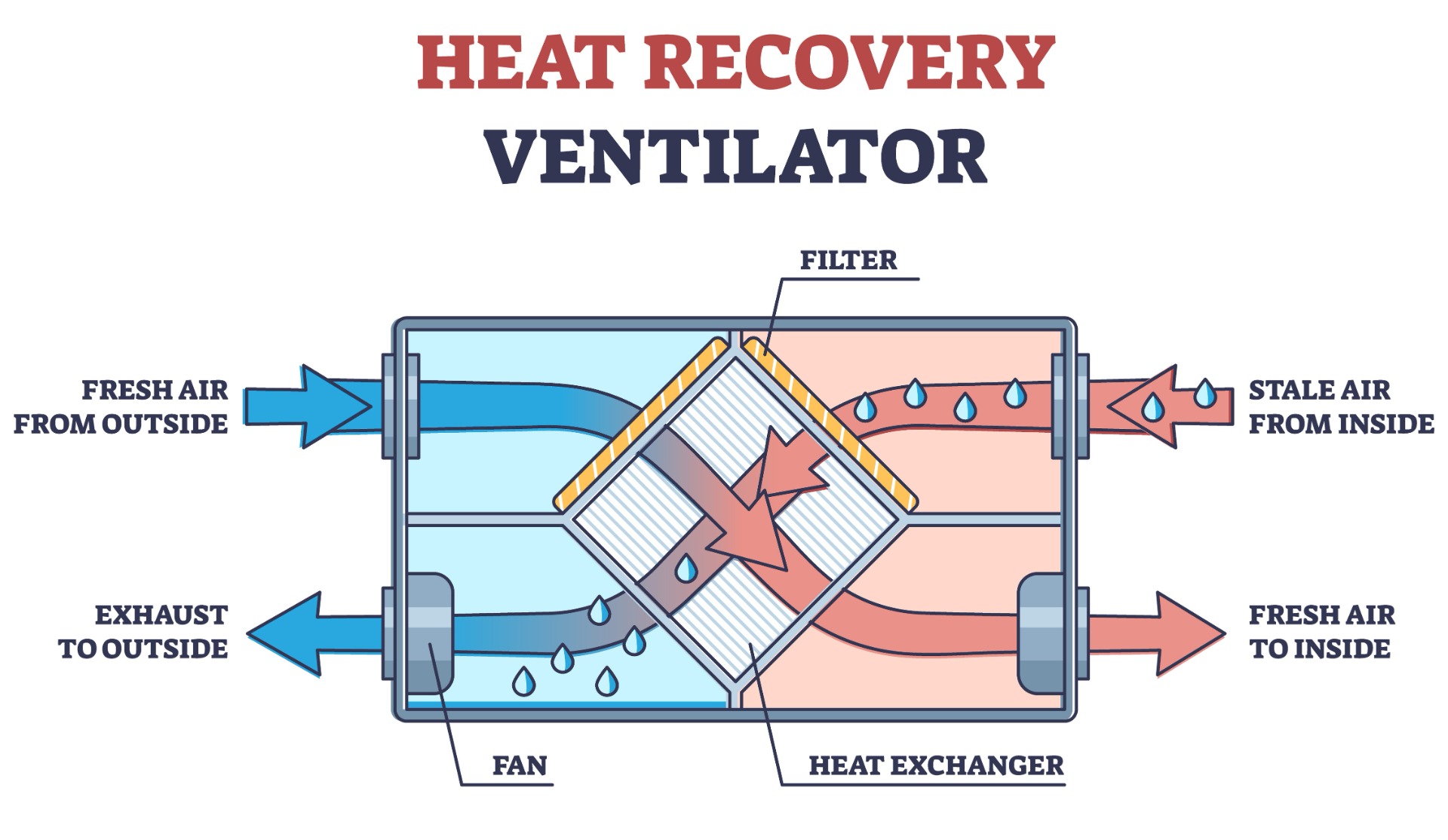
Think of ERVs and HRVs as smart ventilation systems that bring fresh air into your home while pushing stale air out, without wasting your heating and cooling energy.

Here's why they matter: your house needs fresh air, but opening windows lets expensive heated or cooled air escape. These systems solve that problem.
An HRV (Heat Recovery Ventilator) passes outgoing stale air next to incoming fresh air through a special core, allowing for energy transfer between the two air streams. They never mix, but the outgoing air transfers its heat to the incoming air. So in winter, you're not starting from scratch, warming up freezing outdoor air. In summer, your cooler indoor air helps pre-cool the hot air coming in.
An ERV (Energy Recovery Ventilator) does everything an HRV does, plus it also transfers moisture between the air streams. In summer, it removes humidity from incoming air. In winter, it keeps your indoor air from getting too dry.
Why You Might Need One
Wondering if your home could use one? Here are some signs you might need an ERV or HRV:
- Your home feels stuffy or stale.
- CO₂ levels rise in closed bedrooms/offices (common in tight homes).
- You’ve done significant air-sealing or insulation upgrades.
- You notice odors lingering longer than they should.
- You want consistent fresh air without cracking windows.
If any of these sound familiar, adding an ERV or HRV to your home is a smart way to help reduce your exposure to pollutants and get fresher, healthier air indoors.
What ERVs and HRVs Don’t Do
While energy recovery ventilators (ERVs) and heat recovery ventilators (HRVs) are top-quality products for improving air quality, it’s important to understand that there are some problems that they do not address.
ERVs, though they remove humidity from incoming air, DO NOT dehumidify your home. They simply reduce the moisture load associated with bringing in outdoor air. If you live in a humid climate, you will benefit from investing in a dehumidifier as well. ERVs improve air exchange, but they are not designed to correct high humidity caused by climate conditions, groundwater, leaks, or internal moisture sources.
When To Use an Energy Recovery Ventilator - Best Situations for an ERV
- You should consider an ERV if you have a newer, tightly-sealed home.
- ERVs work especially well in mild to hot climates where controlling moisture is important.
- If you have a full house, more people means more CO₂, and an ERV can help keep your air balanced.
- They’re also great for rooms that stay closed up, like offices, bedrooms, or home theaters.
Example ERVs and HRVs on HVACDirect.com
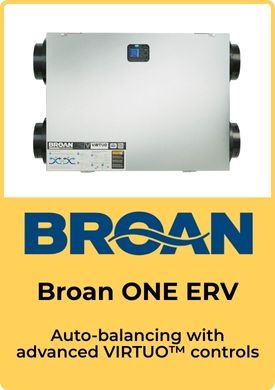
- Broan ERV Models – Auto-balancing, compact installation.
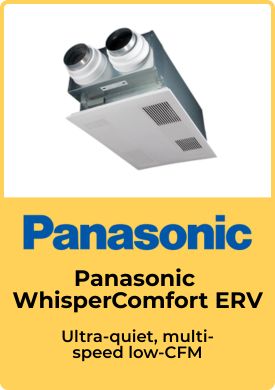
- Panasonic WhisperComfort ERV – Ultra-quiet, great for smaller spaces.
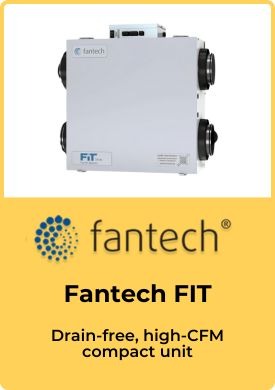
- Fantech FIT Series ERVs – Slim design, good for closets and tight installs.

Whole-Home Dehumidifiers – Moisture Control Done Right
We mentioned earlier that ERVs don’t dehumidify your home. That’s where dehumidifiers can fill the gaps.
What Does a Whole-House Dehumidifier Do
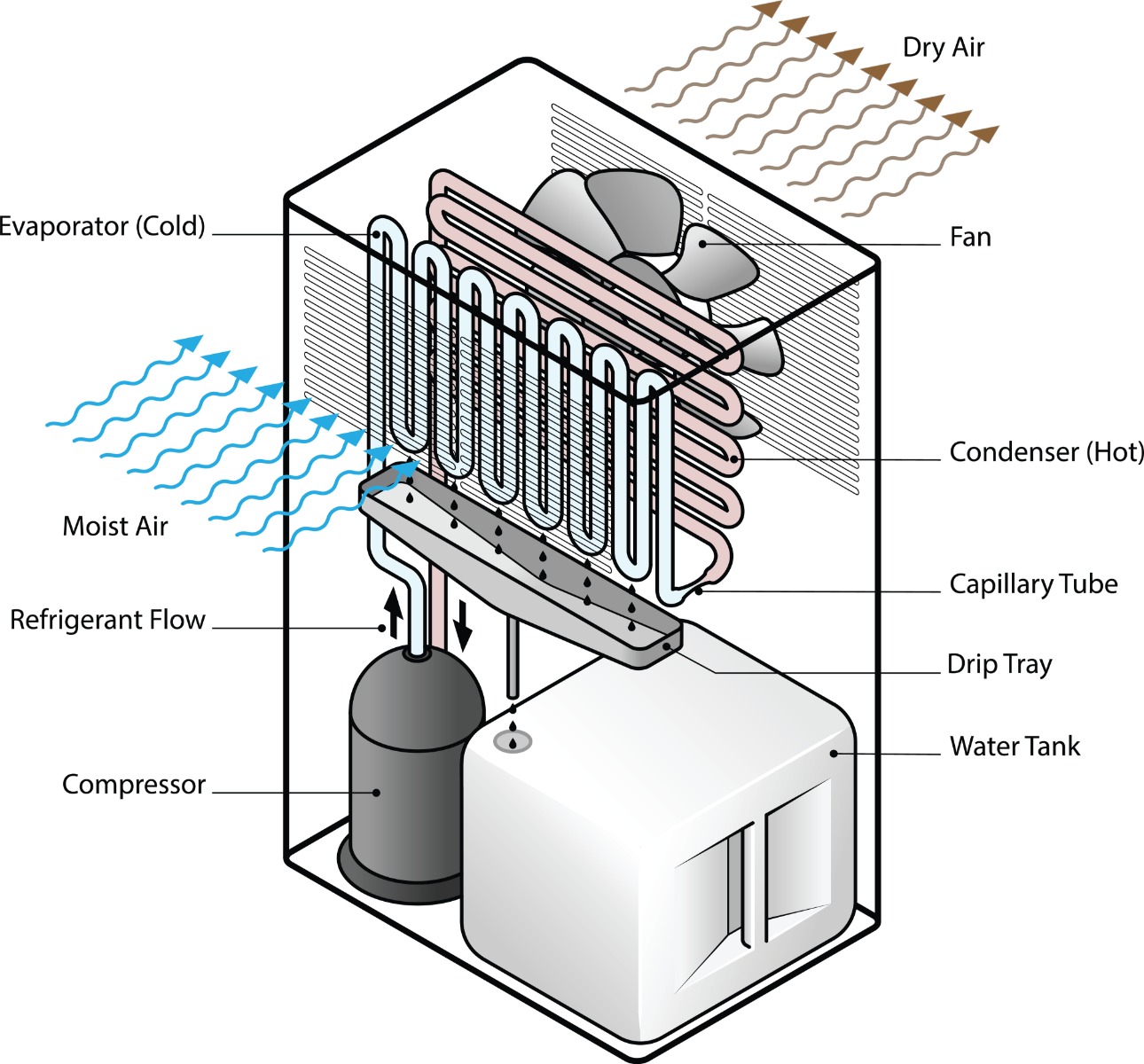
A dehumidifier is specifically designed to reduce the amount of humidity throughout your entire home. Humidity is one of the biggest invisible indoor comfort issues. A home that’s even slightly “too humid” often feels warm, sticky, or smells musty. High humidity can also warp wood flooring, damage furniture, and create an environment where mold thrives. Here’s a summary of what a whole-home dehumidifier does:
- It removes excess moisture from the air.
- It keeps indoor relative humidity (RH) in the ideal 45–50% range.
- It protects against mold, odors, dust mites, and structural damage.
- It takes strain off your HVAC system during humid months.
If you live in a humid climate or notice condensation forming in multiple rooms in your house, a whole-house dehumidifier is a great solution.
Signs That You Need a Whole-House Dehumidifier
While humidity is usually invisible, here are a few signs you might benefit from having a dedicated dehumidifier:
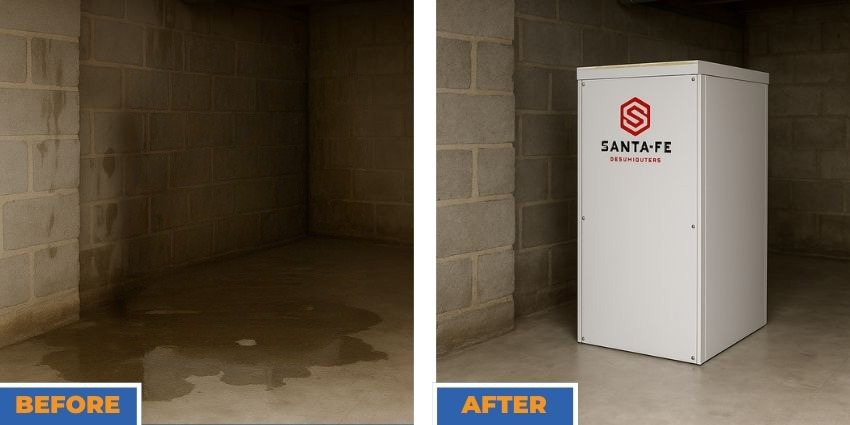
- You smell mustiness in the basement or crawl space.
- Condensation appears on windows.
- Your AC runs all the time, but your house still feels damp.
- You live in a humid climate (Southeast USA, Midwest USA, coastal areas).
- You have visible mold spots or moisture-sensitive flooring.
When To Use a Whole-House Dehumidifier - Best Situations for a Dehumidifier
Whole-house dehumidifiers work great for certain spaces and climates, including:
- Basements and crawl spaces
- Large homes with consistent humidity problems
- Homes with hardwood floors or valuables sensitive to humidity
- Homes in hot, humid climates where air conditioning alone just can’t keep up
Example Whole-Home Dehumidifiers on HVACDirect.com
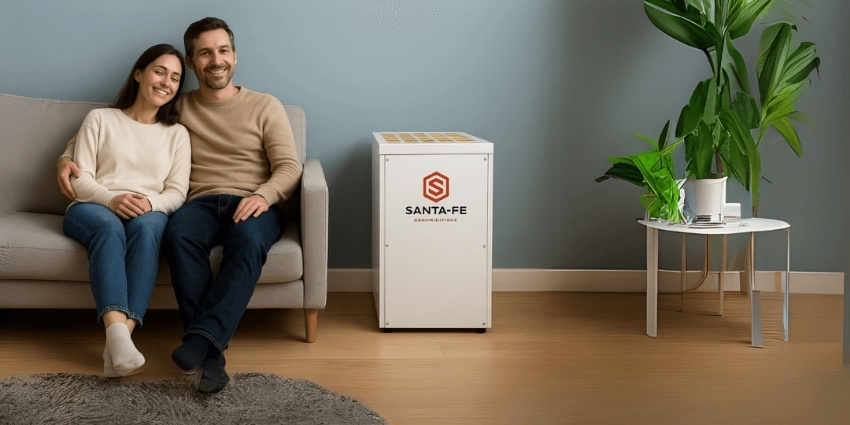
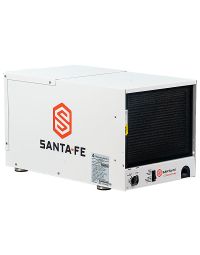
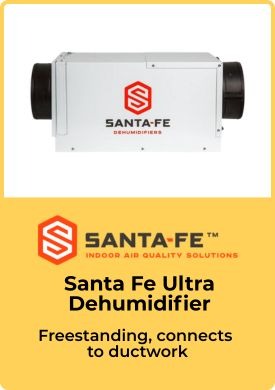
- Santa Fe Ultra Series Dehumidifiers – Reliable, high-efficiency moisture removal.
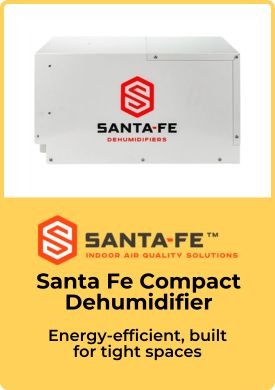
- Santa Fe Compact Series – Perfect for crawl spaces and tight mechanical rooms.
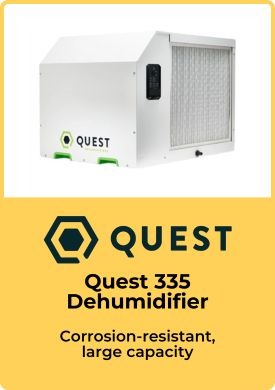
- Quest Commercial-Grade Dehumidifiers – Great for large homes or high-load spaces.
- Whole-Home Dehumidifier Category – Full selection of whole-house dehumidifiers.
Air Purifiers - Clean, Healthy Air for Your Home
Even if your ventilation and humidity are under control, airborne pollutants can still linger, including dust, pet dander, pollen, smoke, and microscopic allergens. Air purifiers help remove these particles and improve the overall quality of the air your family breathes by reducing your exposure to them.
What Does an Air Purifier Do
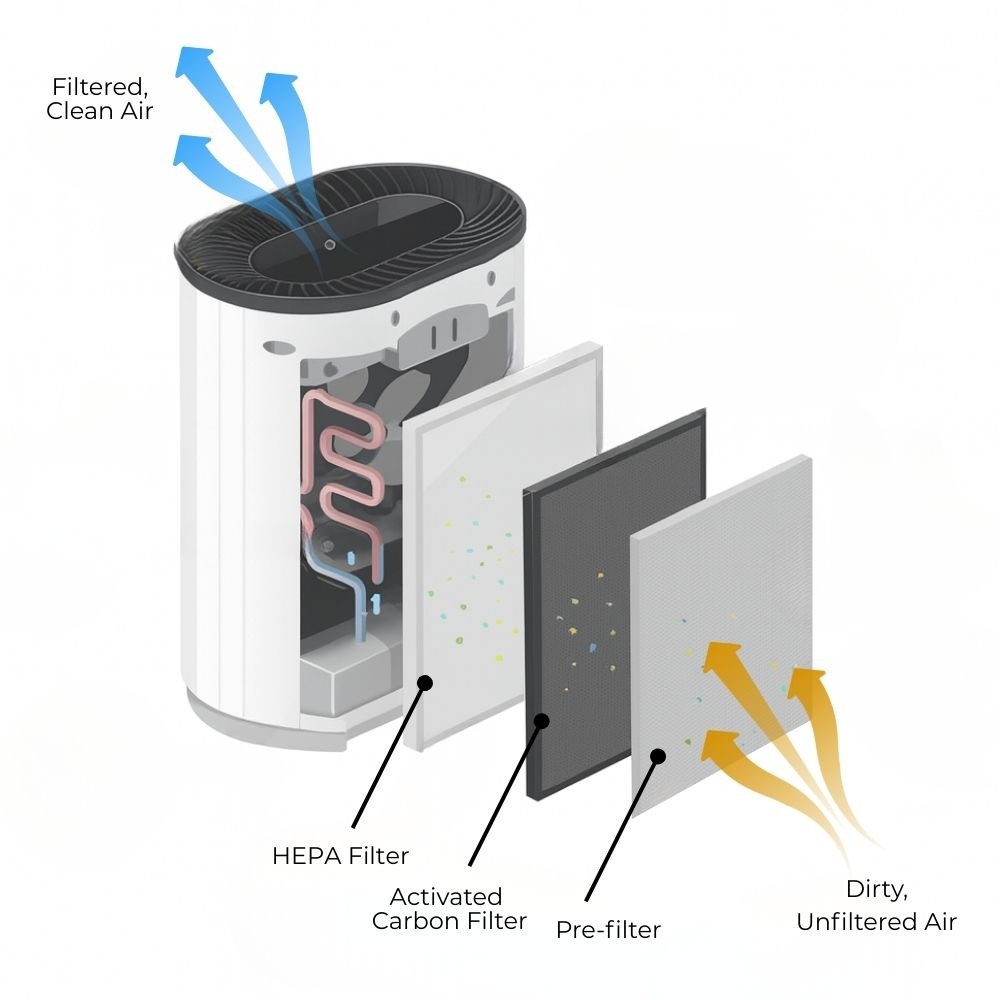
Air purifiers clean the air inside your house by pulling it through filters, most commonly HEPA filters, that trap harmful particles and pollutants. These filters catch tiny stuff like dust, pollen, pet dander, and mold spores. Some filters are also carbon-activated to remove odors and smoke. You will need to change the filters every few months. Here’s a summary of everything that an air purifier can do in your home:
- They capture dust, pollen, pet dander, smoke, and mold spores.
- They reduce odors and VOCs.
- Air purifiers filter airborne bacteria and viruses (depending on technology).
- An air purifier can make life a lot more comfortable for anyone in your home with allergies or asthma.
- They also work well alongside whole-home filtration, especially in energy-efficient or tightly sealed homes.
What Air Purifiers Don’t Do
It’s important to note that air purifiers DO NOT bring in fresh outdoor air like ERVs and HRVs do, which use mechanical ventilation to enhance air quality. They simply recirculate and clean your existing indoor air.
Signs That You Need an Air Purifier to Reduce Air Pollution
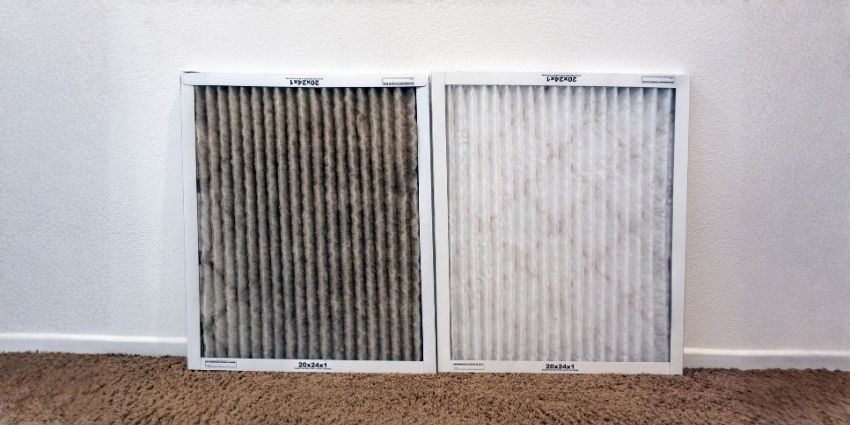
Air filters are a fantastic choice for certain living conditions and habits. They’re also important to have if you live in an area with a lot of outdoor pollution, such as in a city near factories. Consider investing in an air purifier if any of the following apply to you:
- You have pets or allergy sufferers in the household.
- You smoke indoors or have a fireplace.
- Your home is dusty or near traffic.
- You want cleaner air in bedrooms, living rooms, or any high-traffic areas.
When To Use an Air Purifier - Best Situations for an Air Purifier

Based on the signs provided above, some of the best situations to use an air purifier in are:
- If you live in an allergy-prone household.
- If you have pets or frequent guests.
- If your home has an open kitchen or living space and you want to control cooking odors.
- If your home is in an area with high outdoor pollution, smoke, or wildfire risk.
Example Air Purifiers on HVACDirect.com
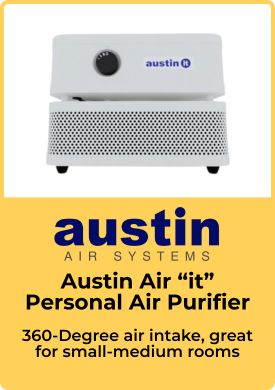
- Austin Air Purifiers – High-efficiency HEPA filtration for whole-home air cleaning.
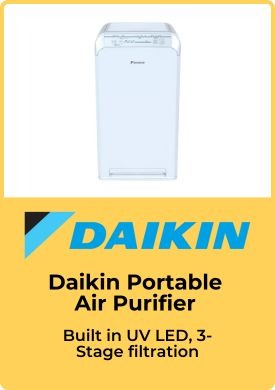
- Daikin Portable Air Purifier & Humidifier – Combines HEPA filtration with UV light and humidity control for cleaner indoor air.
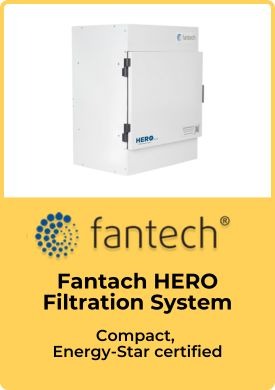
- Fantech HERO HS300 HEPA Filtration System – Compact whole-home HEPA solution for particulate and allergen removal.
- Air Purifiers Category – Browse all whole-home and portable HEPA air purifiers.
How These Systems Work Together – The IAQ Layering Method
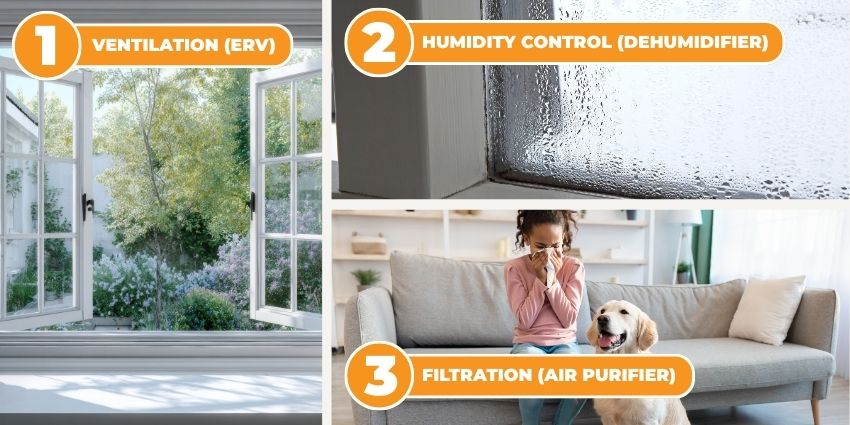
Want the best indoor air quality while keeping an eye on energy costs? You'll need more than just one piece of equipment - it's all about layering the right systems for your home.
Think of it this way: ventilation comes first. If your air feels stuffy or stale, that's your cue to install an ERV. Fresh air is the foundation of everything, and an ERV brings it in without tanking your energy bills.
Next up is humidity control. Does your house feel clammy in summer or bone-dry in winter? It’s crucial to control humidity levels to ensure comfort. A whole-home dehumidifier (or humidifier) makes a massive difference. Ask any HVAC contractor, and they'll tell you - fixing humidity issues is often the single biggest improvement you can make.
Finally, throw in an air purifier to tie it all together. Once you've got fresh air circulating and humidity dialed in, the purifier serves as your finishing touch, capturing any remaining particles and pollutants. It's like the cherry on top.
Which IAQ Product Should You Buy First?
You don’t have to go in this order or buy everything all at once. However, if you want the cleanest and healthiest air for your family to breathe, investing in and layering these three products is going to get you the most bang for your buck. Here’s a chart breaking down situations and what to buy first and later on.
| How to Start with IAQ | ||
|---|---|---|
| Problem | First Purchase | Often Added Later |
| Stale, Stuffy Air | ERV | Air Purifier |
| High Indoor Humidity | Dehumidifier | ERV + Air Purifier |
| Allergies, Dust, or Odors | Air Purifier | ERV + Dehumidifier |
| New, Tight Home with Lingering Odors | ERV | Air Purifier |
| Musty Basement | Dehumidifier | Air Purifier |
| Pets and Allergens | Air Purifier | ERV |
Real-World Examples
Need some more specific examples? Here are a few common senarios that homeowners face and what to do in each.
1. Scenario 1: A new construction home is sealed well for efficiency. Bedrooms get stuffy at night, and odors linger.
Solution: Get an ERV first to get air moving, then an air purifier to help with the odors and stuffiness.
2. Scenario 2: A Southeast-coast home has a damp basement and occasional mold spots.
Solution: Since basements tend to be large in size and you are already seeing mold spots, you should consider a high-capacity dehumidifier to tackle the moisture. Then, use an air purifier to help with the mold.
3. Scenario 3: A family with pets and seasonal allergies wants cleaner indoor air.
Solution: An air purifier can help with seasonal and pet allergies. Then try an energy recovery ventilator to help bring in fresh outdoor air.
4. Scenario 4: The basement smells musty, especially in summer.
Solution: Since this is another damp basement, you should get a dehumidifier. Since the air smells musty and stale, the next investment would be in an ERV.
Shop Indoor Air Quality Products on HVACDirect.com
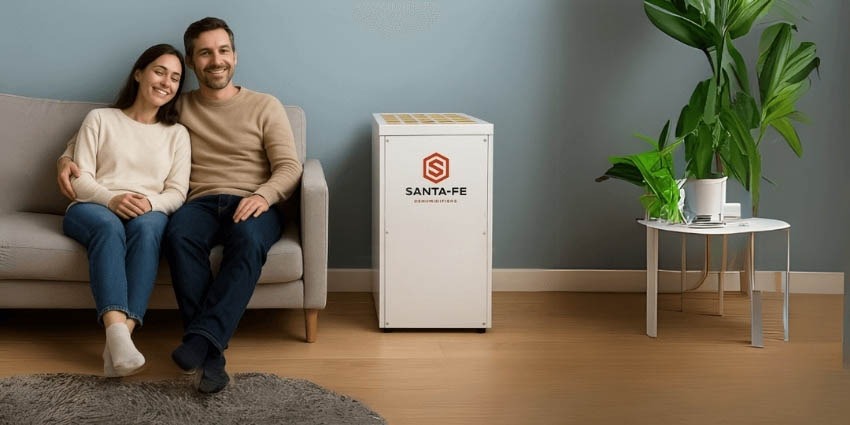
Improving your indoor air quality isn’t about buying the most expensive equipment. It’s about choosing the right mix for your home. Ventilation, moisture control, and air purification each solve different problems, and when you use them together, they lead to improved performance in delivering cleaner, healthier, and more comfortable air all year long.
Whether you’re dealing with humidity, stale air, allergies, or all of the above, HVACDirect.com has proven ERVs, dehumidifiers, and air purifiers from trusted brands like Broan, Panasonic, Fantech, Santa Fe, Quest, and Austin Air.