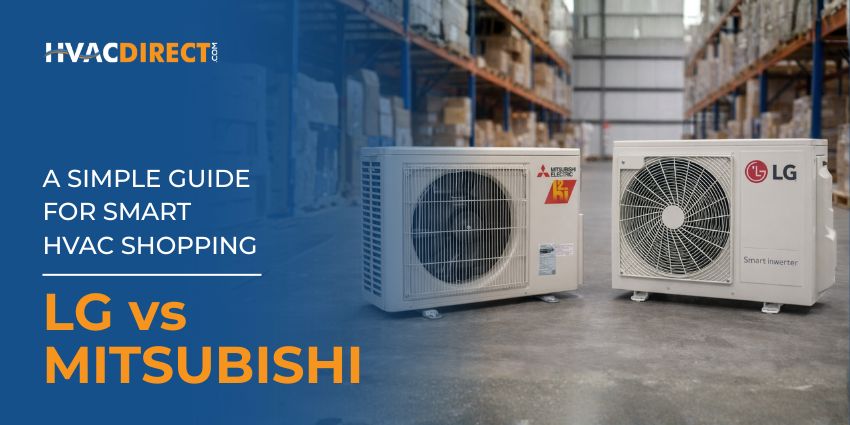
Key Takeaways
- Top Brands You Can Trust: LG and Mitsubishi are leading brands in heating and cooling systems and solutions.
- Inverter Technology: Newly developed HVAC technology creates long-term shopper savings in each brand’s features.
- Both Brands Are Highly Efficient: Overall comfort and powerful performance set LG and Mitsubishi apart from all others in heating and cooling efficiency.
- LG Smart Home Integration: Smart comfort features and outdoor climate conditions are most important in deciding which brand is right for you.
Article Contents
When you’re shopping for a new HVAC system, it can be a lot of stress. When you’re talking about heating and cooling, what you’re really worrying about is your home. You want to be comfortable, confident, and resolved in knowing that you’ve decided that’s going to benefit not just the home itself as a structure, but the people living within that structure.
You’re in luck. HVACDirect.com has a strong handle on what you should be looking for, especially with all the different brands, including Mitsubishi and LG, that produce HVAC heating and cooling systems today.
LG and Mitsubishi have established themselves as limelight stars of the heating and cooling stage for very good reasons you’ll soon come to know. Paying attention to them both is especially important as you discern your best option. Just as for broader scope on the two entities, a brief snapshot on LG and Mitsubishi is in order.
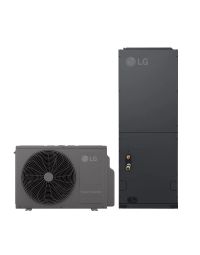
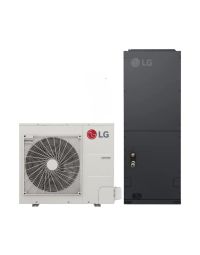
LG has a strong connection to shoppers for its competitive price points, abundant features and smart controls, and being user-friendly through their brand of easy-to-use modern design features. Conversely, Mitsubishi has a noted reputation for its high-level performance capabilities, particularly with how its heating and cooling technologies excel in cold weather in quiet operations. What you’ll find is that LG balances comfort, value, and all its encompassing features excellently, while Mitsubishi is very much a high-end performer.
What Brand Offers the Better Daily Comfort and Performance?
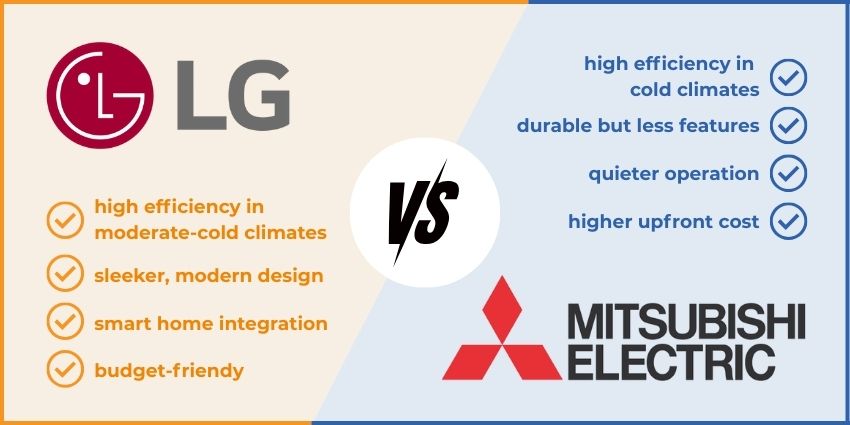
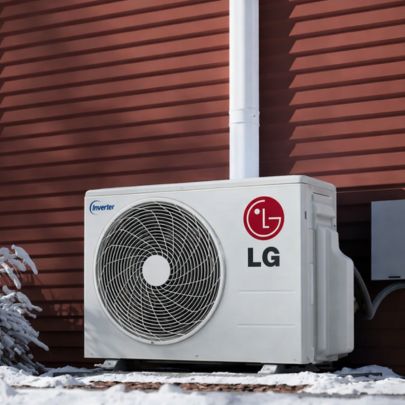
Comfort and performance are chief aspects of LG’s presence in the HVAC world. LG HVAC systems use inverter technology to adjust power based on demand, while wide-angle airflow helps spread air evenly throughout the room. This allows spaces to cool or heat quickly while maintaining gentle, consistent comfort. And LG wins the comfort war further with indoor units that are easy on the eyes (attractive), soft on the ears (quiet), and light on electric (no on-off airflow cycles).
That said, Mitsubishi employs what it calls “Hyper-Heat”, a technology like LG’s LGRED, where it maintains heat integrity in frigid conditions. Hyper-Heat is a premium comfort feature for Mitsubishi. Despite Mitsubishi’s reputation for near-silent indoor units and a strong track record in heating and cooling performance, LG has been shown to meet the demands of more shoppers’ various home climate conditions.
LG and Mitsubishi Distinguish Themselves in Heating and Cooling
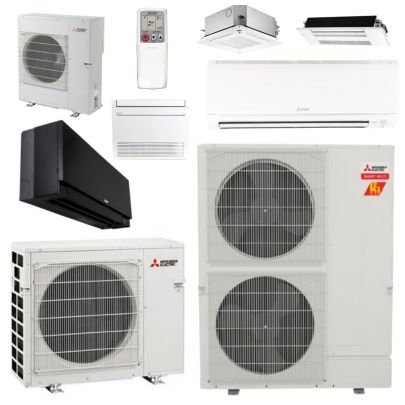
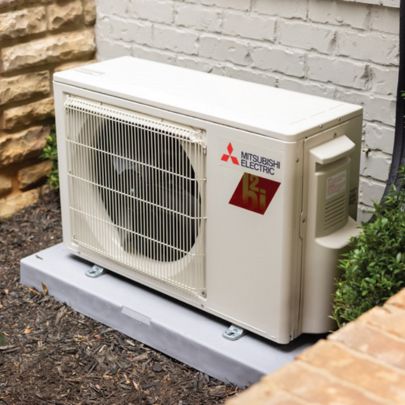
Both companies are going to save you some significant bucks in the pocket when it comes to energy efficiency as well. Mitsubishi is known for high SEER2 energy efficiency ratings, but their products are generally more expensive to buy and install. LG’s inverter tech is nothing to sniff at, either, drawing comparably strong energy-savings ratings throughout different seasons and climates. (It also doesn’t hurt that the majority of LG’s HVAC systems are ENERGY STAR® certified, another savings perk.) Both LG and Mitsubishi offer savings on your energy bills, but LG’s engineering and performance makes them stand out.
How Can I Know if Either LG or Mitsubishi is Best for Me?
Because HVAC operates year-round, the system you choose directly affects your daily comfort at home. LG, on one hand, has the crème de la crème of smart features – wi-fi connection control, ThinQ® app integration, Amazon Alexa and Google Home operative functions, alongside other various user-friendly controls that can make life easier. Mitsubishi, on the other hand, does make a strong case for comparably user-friendly systems control and does so with the ability for its heating and cooling to be optimized for airflow zoning (an HVAC pro’s highmark feature). LG is the better brand in terms of features and smart home integration, while Mitsubishi focuses on durability and year-round efficient performance.
Do LG and Mitsubishi Suit Certain Customers Over Others?
Both LG and Mitsubishi have their preferred customers and those whose needs are actually well-suited to whatever which maker offers.
You’ll prefer LG if you:
- Desire premium performance and comfort at premium savings
- Favor updated systems features with smart controls
- Reside in more neutral climates, which favors HVAC system performance in moderate outdoor temperatures
- Value easier access to parts and HVAC installers
You’ll prefer Mitsubishi, if you:
- Covet the best-performing cold weather heating in bitter-cold climates
- Prioritize ultra-quiet heating and cooling performance
- Prefer to pay the price for the industry-leading HVAC systems efficiency
| FEATURE | LG | MITSUBISHI |
|---|---|---|
| BTU Capacity Range | 9,000 - 48,000+ BTU | 6,000 - 48,000+ BTU |
| Energy Efficiency (SEER) | 16 to 28 SEER | 17.1 to 33.1 SEER |
| Heating Performance in Cold Weather | Good for moderate cold climates (LGRED) | Excellent cold climate heating (Hyper-Heat) |
| Minimum Heating Operating Temperature | Down to 13°F (-31°F with LGRED®) | Down to 13°F with Hyper-Heat (-22°F with H2i Plus® models) |
| Indoor Sound Level | 21 - 36 dB | 19 - 34 dB |
| Smart Home Compatibility | LG ThinQ app, voice assistant support | Kumo Cloud app, smart integrations available |
| Standard Warranty Coverage | 10-Year Parts & 10-Year Compressor | 5-Year Parts & 7-Year Compressor |
| Build Quality / Reputation | Strong value and modern features | Premium construction and long-term reliability |
| Choose If | You have a tighter budget, prioritize modern styling, want great smart features, or live in a moderate climate. | You live in a cold climate, prioritize long-term energy savings, need maximum reliability, or are sensitive to unit noise. |
Shop LG Mini Splits at HVACDirect.com for the Best Value
All in all, the LG vs. Mitsubishi faceoff is a bit like a John Travolta / Nic Cage movie – you’re going to get a great performer no matter of what you choose, but it’s all about your preferences. It’s hard to beat either brand, but more times than not, our customers are searching for whatever brings them the most fulfillment without sacrificing more cost to get it. Mitsubishi is an excellent HVAC systems maker, and yet, LG has seemed to find the sweet spot in overall value, features, and performance, especially for first-time shoppers and most other homeowners. You can’t go wrong with Mitsubishi, but if you want your bases to be more fully covered, LG is certainly going to knock it out of the park for you.