Key Takeaways
- R-454B and R-32 are different refrigerants; use only the one specified for the equipment.
- Both have an A2L lower-flammability classification and require equipment and installation practices designed for them.
- R-454B has a lower published 100-year GWP than R-32, but the refrigerant name alone does not tell you a system's efficiency or total cost.
- Compare complete system ratings, matched components, installation requirements, and local service support before buying.
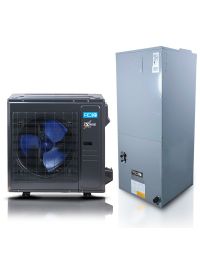
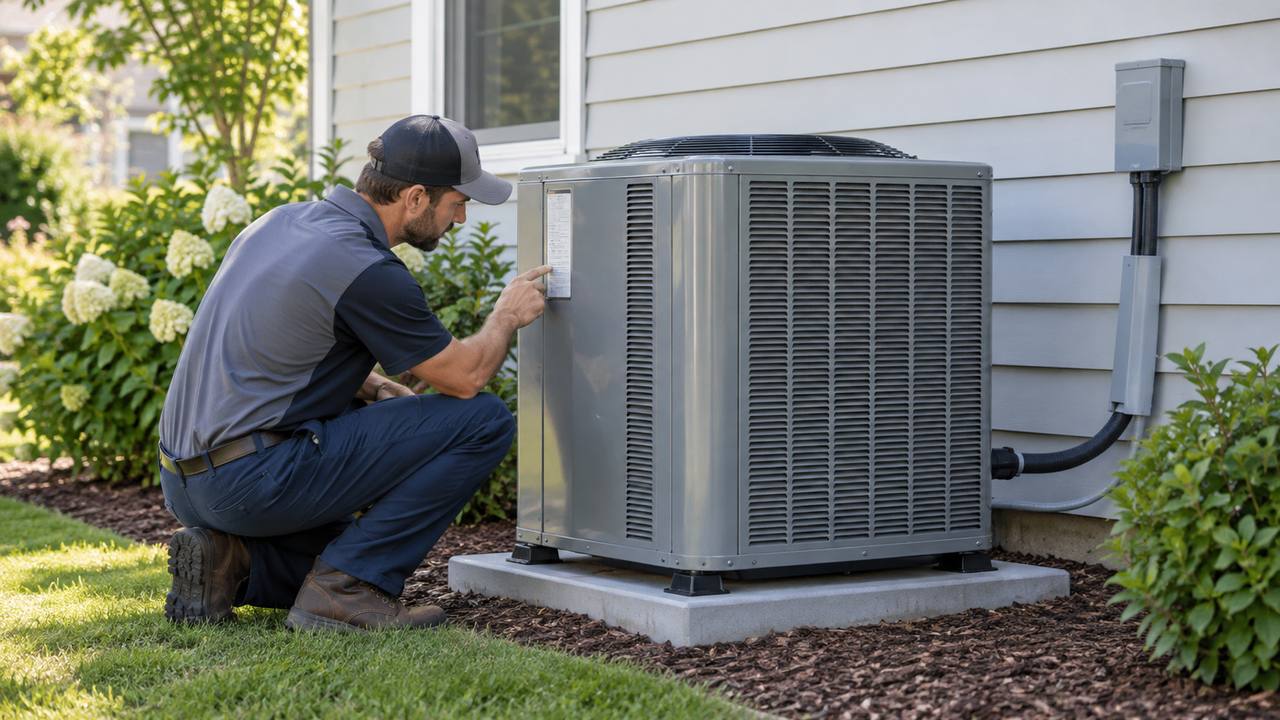
If you are shopping for a new air conditioner or heat pump, you may see R-454B or R-32 on the equipment label. Both are lower-global-warming-potential alternatives to R-410A, but they are not interchangeable. The most useful question for a buyer is not which refrigerant wins on its own—it is whether the complete system is properly matched, efficient, serviceable, and approved for your installation.
Why are new systems using different refrigerants?
The HVAC industry is moving toward refrigerants with lower global warming potential, or GWP. This rating compares the climate impact of releasing a given mass of gas with that of carbon dioxide over a specified period. It is one consideration in equipment design—not a measure of how much electricity a heat pump will use in your home. Manufacturers have developed systems around several refrigerants, including R-454B and R-32.
R-454B vs R-32 at a glance
| Buyer question | R-454B | R-32 |
|---|---|---|
| What is it? | A refrigerant blend used in equipment designed and labeled for it | A single-component refrigerant used in equipment designed and labeled for it |
| Published 100-year GWP | About 465 in the EPA reference table | 675 in the EPA reference table |
| Safety classification | A2L | A2L |
| Can it replace the other in an existing unit? | No. Follow the equipment nameplate and manufacturer instructions. | |
GWP figures can vary slightly across reference methods and updates. If a product listing uses a different number, check which standard or EPA table it cites. A lower GWP is meaningful, but it is not a shortcut for comparing two complete HVAC systems.
What does A2L mean for a homeowner?
A2L is a refrigerant safety classification associated with lower flammability. It does not mean the system is unsafe when listed, installed, and serviced as designed. It does mean the installer must follow the manufacturer's instructions and applicable codes, including any charge limits, space requirements, labeling, and service procedures. The equipment may include specific controls or safety features as part of its listing. Leave refrigerant handling and repairs to qualified technicians.
Can I put R-32 in an R-454B system, or vice versa?
No. A system is engineered and certified for the refrigerant named on its label. The outdoor unit, indoor equipment, controls, and service procedures must be compatible as a matched system. Neither refrigerant is a do-it-yourself drop-in replacement for the other or for R-410A. If you are replacing one component of an existing split system, ask the contractor to verify exactly which combinations the manufacturer approves.
Does one refrigerant make a heat pump more efficient?
Not by itself. Compressor design, heat exchangers, controls, indoor-unit match, and installation quality all affect real-world performance. Compare the published ratings of the complete matched system—such as SEER2 for cooling and HSPF2 for heating—along with capacity at the outdoor temperatures that matter in your climate. A refrigerant label cannot substitute for those specifications.
Five questions to ask before ordering
- Is every component approved to work together? Confirm the exact outdoor unit, indoor unit or coil, metering device, and controls in the manufacturer's matching documentation.
- What are the complete system ratings? Compare efficiency and capacity, not just the refrigerant name or a single component's marketing claim.
- What does the installation require? Ask about line-set compatibility, space and charge limits, electrical work, permits, and applicable local codes.
- Who can service it locally? Confirm that a qualified contractor supports the brand and refrigerant used by the chosen system.
- What happens to the old equipment? A technician should recover the existing refrigerant and dispose of or recycle the old components according to applicable requirements.
What if my current R-410A system still works?
A functioning R-410A system does not automatically need replacement because newer refrigerants are available. Continue normal maintenance and discuss repair economics with a qualified contractor if a major component fails. If you are purchasing a replacement, focus on a correctly sized, fully matched new system rather than trying to convert the old one to R-454B or R-32.
The bottom line
R-454B and R-32 both support the move to lower-GWP equipment, and each belongs only in systems built for it. For a buyer, the better choice is the complete system that fits your home, has documented performance, meets installation requirements, and can be supported by a qualified local contractor. Compare the nameplate and matching documentation before you compare the refrigerant names.