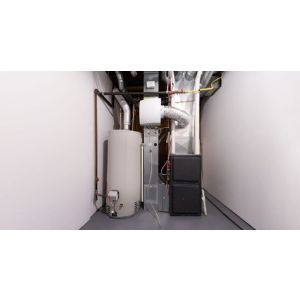
Over the years, fuel costs have fluctuated considerably, causing numerous people to seek substitute ways of supplying hot water and heat to their residences. One heating substitute that appears to be increasing in popularity is the coal furnace.
However, it's not as widely used or known as the gas furnace. The combustible rock is one of the major sources of energy production worldwide. The generation of coal energy occurs when the fossil fuel burns to produce heat and steam, which spin turbine generators to generate steam. Here's a list of reasons why you should consider the coal furnace.
1) Availability and Load Factor
 Industrialized nations, including the U.S., have a huge quantity of coal that's accessible to them. The production of coal is on the increase and keeps up with the existing demand. Consequently, you shouldn't have difficulty finding a constant source of heating supply.
2) It offers full-time resource and can function with renewables to decrease emissions
The incorporation of biomass technologies into coal facilities can occur, enabling a dual source of power in a similar power plant. This enables coal to function, but in lesser quantities and this can help decrease the quantity of ash and carbon dioxide that's generated from the burning process. This permits coal to sustain its financial impact without compromising it fully while the implementation of environmental protections occurs as well. Unlike wind or solar, you can burn the fuel 24/7 to generate energy. This implies it's a dependable power source that provides predictability for a contemporary society. There's no need to counter intermittence like other power technologies under development.3) User-friendly
Burning coal is as simple as obtaining a furnace and sustaining your system. Some furnaces use an existing chimney, which decreases the start-up cost. However, those that don't need a chimney simply plug into the electric outlet. Several of them come with automatic stoke and self-loading options, which enhance the ease of use and efficiency.How to Maintain a Coal Furnace
A coal furnace typically needs filling twice daily, once in the morning and in the evening. It's also important to examine the water level daily. Burning coal generates considerable ash compared to wood. For this reason, coal furnaces have shaker grates, which clear the ashes into a pan and permit the efficient burning of coal. Most manufacturers recommend you clean out the ashes at least once weekly and perform a monthly inspection of the vent. While they take more work compared to traditional furnaces, numerous people find that spending additional few minutes cleaning and filling the furnace is worth the heat quality it offers and the resulting savings.The Different Kinds of Coal
The two major kinds of coal are Bituminous and Anthracite. Bituminous or soft coal burns easily, needing lower temperatures compared to Anthracite with a greater proportion of fixed carbon and higher heat value. However, it emits smoke comprising sulfur dioxide and other pollutants while it burns. You shouldn't use this type in an outdoor furnace. Anthracite or hard coal is a clean fuel source and generates virtually no emissions or smoke. This type is low in sulfur and needs elevated combustion temperatures. Nevertheless, the fact that it produces lower emissions makes it ideal for an outdoor furnace. Previously, accessing Anthracite coal was a challenge with coal furnaces. However, the growing interest in alternative and renewable fuels recently has made it easier to access the coal.Establishing the cost and size of a coal furnace
The most significant factor when establishing the size required for your building or home is BTU usage. Factors that could influence this comprise the home's square footage, the insulation of the home, and the climate where you're situated. Most manufacturers believe it's better to have an oversized furnace than an undersized one. It's imperative you collaborate with the manufacturer or dealer to conduct an approximation of BTU usage before buying a furnace. The cost of a coal furnace is largely dependent on the unit's size. They typically range in price from around $3,000 for smaller units to more than $10,000 for bigger furnaces. While numerous options exist for heating the home, homeowners in some parts of the nation might consider a coal furnace as one of their top options. It's important you examine the benefits and drawbacks of such a system.September 28, 2018