Key Takeaways
- BTU (British Thermal Unit) measures heat output, and the right furnace size depends on your climate zone and home’s square footage.
- A furnace that is too small runs constantly, struggles to heat your home on cold days, and wears out faster.
- An oversized furnace short cycles, creates uneven heating and extra noise, increases fuel bills, and reduces air quality.
Before choosing a new furnace or heating system, it’s important to understand how heating capacity is measured. One of the most common terms you’ll see when shopping for furnaces is BTU, which tells you how much heat a system can produce. Knowing your home’s required BTU helps ensure your furnace is properly sized for maximum comfort and efficiency. You can use our sizing guide and System Selector Tool to help you choose the right system for your home.
What Is BTU?
Understanding British Thermal Units
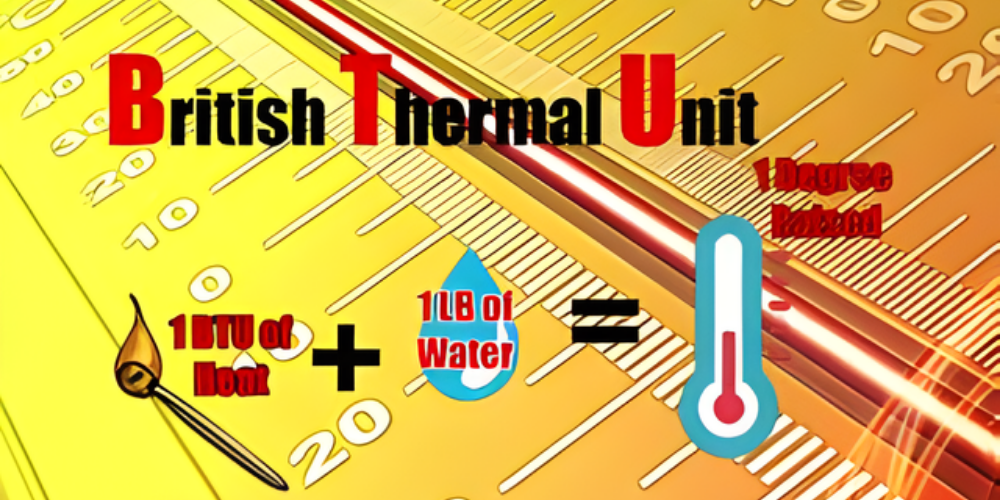
The abbreviation BTU stands for British Thermal Unit. This is a unit of heat traditionally used to measure the amount of heat output given by a heating system. To determine the proper BTU you’ll need for your home’s heating, you’ll have to do a little math.
How to Calculate the BTU You Need
To calculate your BTU requirement, you simply need to know your climate region and the square footage of your home.
Using the Climate Zone Map
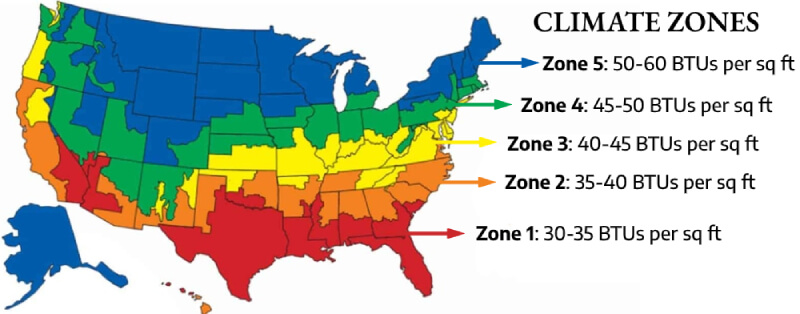
Simply reference the map and find your climate zone, then multiply the BTUs per square foot for your zone by the square footage of your home. This quick calculation helps you estimate the heating power your home needs.
Example Furnace Sizing Calculation
For example:
Let's say you live in a 1,500-square-foot home in northern Ohio, which is climate zone 4.
Take your square footage (1500) times your zone’s BTU per square foot.
1500 × 50 = 75,000 BTU
What Happens If I Buy the Wrong Size Furnace?
When the Furnace Is Too Small
Buying a furnace that is too small for your home means your system will not be capable of keeping your home warm during the coldest days. It will be running constantly, but if it’s too small, it will never shut off — and your home will get colder as it struggles to keep up with outdoor temperatures. This leads to premature breakdowns and reduced efficiency.
When the Furnace Is Too Large
Purchasing a furnace that’s too large can create uneven heating. Your home may heat up too quickly, then cool off just as fast, leading to uncomfortable temperature swings. This also causes your furnace to short cycle — turning on and off too often, which wastes energy and increases wear on components.
How Improper Sizing Affects Comfort and Air Quality
A humidifier connected to a short-cycling furnace won’t run long enough to properly humidify your home, causing dry, itchy skin and static shocks. An oversized blower can also create loud air movement through your vents, forcing you to turn up the TV every time the furnace starts. In addition, short run times prevent air cleaners and filters from properly removing dust and allergens.
Higher Costs and Energy Waste
An oversized furnace will use more fuel than necessary, driving up your utility bills. It will also shut down before completing a full heating cycle, preventing optimal air cleaning and leading to less efficient performance over time.
How to Bet the Right Size Furnace at HVACDirect.com
Avoid guesswork by using a professional furnace sizing guide. Proper sizing ensures your system runs efficiently, keeps your home comfortable, and saves you money in the long run.
What Is BTU?
The abbreviation BTU stands for British Thermal Unit. This is a unit of heat traditionally used to measure the amount of heat output given by a heating system. To determine the proper BTU you’ll need for your home’s heating, you’ll have to do a little math.
To calculate your BTU needed, you simply need to know your climate region and the square footage of your home.
Simply reference the map and find your climate zone and take the BTUs per square foot for your climate zone times the square footage of your home.
For example:
Let's say you live in a 1500 square foot home northern Ohio, which is climate zone 4.
Take your square footage (1500) times your zones BTU per square feet.
1500x50= 75,000 BTU
What happens if I buy the wrong size furnace?
Buying a furnace that is too small for your home means your furnace will not be capable of keeping your home warm during the coldest days. It will be running constantly, but if it is too small for your home it will never shut off and it will just get colder and colder in your home as the furnace is incapable of keeping up with the cold temps outside. This will cause your furnace to break down prematurely.
When you purchase a furnace that is too large for your home, you will see wide variations of heating. Your home will heat too quickly and be very hot, then feel very cold and keep repeating this cycle. This will also cause your furnace to short cycle. Short cycling means it will kick on and off too quickly. A furnace that is too large will not run long enough to move air to the furthest rooms in your house before it satisfies the thermostat and shuts off.
A humidifier that is connected to a furnace that short cycles will not run long enough to properly humidify the home, which can cause dry, itchy skin and static shocks.
There will be additional noise with a furnace that is too large for the duct system in your home. An oversized furnace will not just have “too large” burners in it, it will also have a “too large” blower in it. The oversized blower in the oversized furnace will move too much air through the ducts which creates a lot of air noise at your vents. Have you ever had to turn the volume up on your TV when the furnace comes on? A properly sized furnace can alleviate that by not forcing too much air through your duct system, which as mentioned, creates lots of noise.
An oversized furnace with an air cleaner, high efficiency filter, or electronic air cleaner will shut down before it has a chance to properly clean the air in your home. This also causes your furnace to use much more fuel than it should, thus your utility bills will increase.
Use our sizing guide here.