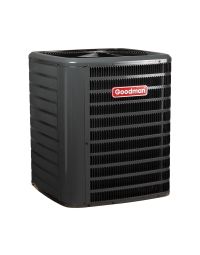
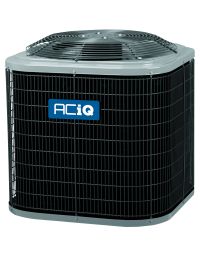
A refrigerant charges a pre-charged air conditioning system, which doesn't need extra services for adding refrigerant. The cooling system cools air that circulates throughout your home. Bear in mind that the installation of the system requires licensed experts, for instance, HVAC technicians.
These units eradicate the need for eliminating air from the unit by producing a vacuum, joining the metal components together and charging the system through the addition of refrigerant. The refrigerant is in the units, which don't have leaks.
However, any joined parts could potentially leak, so sealing is necessary when you buy split system heat pump. Here's what you should know about a pre-charged AC system.
Advantages of Pre-charged Units
It uses Refrigerant
 A refrigerant is a name for the chemical mixture that cycle through your unit, shifting from a liquid gas because it releases and absorbs heat. Throughout its history, the refrigerant has been available in various kinds, beginning originally as combustible and chemicals.
- Chlorofluorocarbons such as R12
- Hydrochlorofluorocarbons such as R22
- Hydrofluorocarbons such as R 134 and R410A
Refrigerant cost
The cost of R22 ranges from $35-$175 per pound. However, it comes with a caveat. For instance, the cost might not include service charge. Most companies appear to charge approximately $115 for the labor. The price of R22 is continuously increasing due to limited production. After all, it's expected to phase out by 2020. For R410A you'll pay about $100 for a 25-pound cylinder. Beware that you shouldn't add refrigerant continuously to a system. If this is the case, a leak probably exists and you could end up spending a considerable amount on repair.Pre-charged units eliminate leak inspections
Pre-charged units provide the additional feature that the constituents won't probably require examination for leaks. Leaks are severe issues with cooling systems since the refrigerant could leak from the fittings, a tubing crack, or from a component such as a condenser. In this case, our technicians will typically charge a system through refrigerant and then search for the leak source fast. Therefore, these units can save time throughout an installation and help eradicate leak inspection.Consequences of leaks in the AC
Health Hazards
 If the refrigerant leaks into your home, it will evaporate fast into a gas, causing harmful effects to the occupants. It might cause various health issues, for instance, headache, nausea, or asphyxiation in severe cases.
AC damage
While environmental and health hazards of a leaking system might occur, the instant and the most substantial effect is on the AC itself. When you use your unit in spite of a leak, you place unnecessary pressure on the compressor and this could lead to irreversible damage. Besides the increased repair cost, you end up using 20% more electricity for every 10% refrigerant loss. In the event that you notice a leak in your system, it's advisable you stop using your air conditioner and contact a certified technician to seal the leakage source. Remember, fixing the leak yourself might lead to a greater hazard, so you're better off calling professionals.May 10, 2018