Image Source: www.carrier.com
Key Takeaways
- Know When Age Becomes a Factor: Most furnaces last 15–20 years. If yours is approaching this range, efficiency drops and repairs become more frequent—replacement may be the smarter choice.
- Watch for Warning Signs: Rising energy bills, uneven heating, strange noises, or a yellow pilot light signal that your furnace may need professional repairs or replacement.
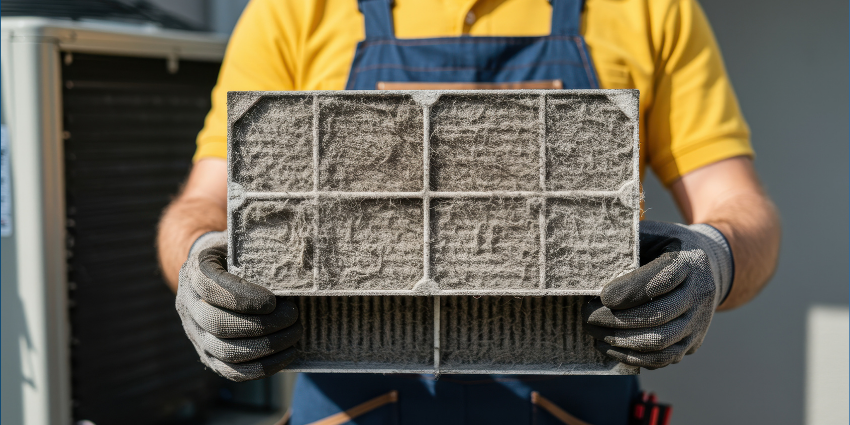
- Regular Maintenance Extends Lifespan: Changing air filters, scheduling annual inspections, and keeping vents clear help your furnace run efficiently and delay costly replacements.
Your furnace plays an important role in keeping your home warm and comfortable during the cold months. To ensure it operates efficiently and safely, you need to perform regular maintenance and occasional repairs. However, there comes a time when repairs are no longer sufficient, and you need to replace your furnace to avoid escalating issues and ensure reliable heating. Here, you will find the top signs that indicate your furnace might need repair or replacement, along with insights into common issues, maintenance tips, and when to consider upgrading to a new system.
1. Age of Furnace
The age of your furnace serves as a primary indicator that it may need attention. Most furnaces last about 15 to 20 years, depending on maintenance and usage. As your furnace ages, it becomes less efficient and more prone to breakdowns. If your furnace is approaching or exceeding this age range, even if it still functions, you should start considering replacement options. Newer models offer significantly better energy efficiency, leading to lower utility bills and fewer repairs over time.
2. Increased Energy Bills
A sudden spike in your heating bills without a corresponding increase in usage is often a sign that your furnace is losing efficiency. Older furnaces or those in need of repairs tend to consume more energy to produce the same amount of heat. This inefficiency not only impacts your monthly expenses but also indicates potential underlying issues within the furnace system. Regular maintenance can help mitigate this, but if the problem persists, it may be time to upgrade to a more energy-efficient model.
3. Uneven Heating or Cold Spots
Uneven heating throughout the house or noticeable cold spots commonly trouble homeowners. If some rooms remain consistently colder than others, despite thermostat adjustments, your furnace's distribution system or airflow may have problems. Clogged air filters, blocked ductwork, or malfunctioning thermostats can disrupt proper heat distribution. In some cases, your furnace may no longer adequately heat your home and might need replacement.
4. Strange Noises
While furnaces make some noise during operation, loud or unusual sounds often indicate mechanical problems that need attention. Banging, clanging, rattling, or squealing noises can suggest issues such as loose or broken parts, ignition problems, or airflow restrictions. Ignoring these sounds can cause more significant damage and lead to costly repairs. A professional inspection can diagnose the source of the noise and recommend appropriate repairs or replacement if necessary.
5. Needs Frequent Repairs
If you frequently call for furnace repairs, investing in a new furnace may be more cost-effective in the long run. As furnaces age, parts wear out and components deteriorate, leading to more repair needs. While minor repairs are expected over time, frequent breakdowns or continuous repairs suggest your furnace is nearing the end of its operational life. Compare the cumulative cost of repairs with the investment in a new, more reliable system.
6. Yellow Pilot Light
The pilot light's color offers important clues about the condition of a gas furnace. A consistently yellow pilot light instead of blue may indicate the presence of carbon monoxide. Carbon monoxide is a colorless, odorless gas that poses serious health risks if not properly vented outside. If you notice a yellow pilot light or suspect carbon monoxide leakage, turn off the furnace immediately and contact a professional HVAC technician for inspection and repairs.
7. Dry or Dusty Indoor Air
A well-functioning furnace not only heats your home but also maintains indoor air quality. If you notice more dust accumulation, dryness, or discomfort like throat irritation or dry skin, your furnace's humidification or filtration system may be compromised. Aging furnaces or those needing repair may fail to properly humidify or filter the air, leading to poor indoor air quality. Upgrading to a new furnace with advanced filtration options can improve air quality and overall comfort.
8. Carbon Monoxide Detector Alerts
Install a carbon monoxide detector near your furnace to detect leaks of this deadly gas. If the detector sounds an alarm, evacuate your home immediately and contact emergency services. Carbon monoxide leaks can occur due to cracked heat exchangers or other furnace malfunctions. Regular maintenance and timely repairs can prevent these leaks, but if your furnace is older or has a history of issues, consider replacing it with a safer, more efficient model.
9. Visible Rust, Cracks, or Corrosion
Visually inspecting your furnace can uncover signs of wear and tear that signal the need for repair or replacement. Rust, cracks, or corrosion on the furnace or its components, like the heat exchanger, can compromise efficiency and safety. These problems are common in older furnaces and may result in carbon monoxide leaks or system failure. If you spot signs of deterioration, seek advice from a professional HVAC technician to evaluate the damage and recommend necessary steps.
10. Outdated Technology or Efficiency Rating
Advancements in HVAC technology have significantly improved furnace efficiency and performance. If your furnace lacks energy-efficient features like variable-speed blowers or high AFUE (Annual Fuel Utilization Efficiency) ratings, upgrading to a newer model can lead to substantial energy savings. Older furnaces with lower efficiency ratings consume more energy and may struggle to meet modern heating demands. Assess your furnace's efficiency and explore replacement options that meet current energy-saving standards.
Maintenance Tips to Extend Furnace Lifespan
It’s important to recognize these signs. However, you can extend the lifespan of your furnace and reduce the likelihood of major repairs or replacement by proactively maintaining your furnace.
Schedule Annual Inspections and Maintenance
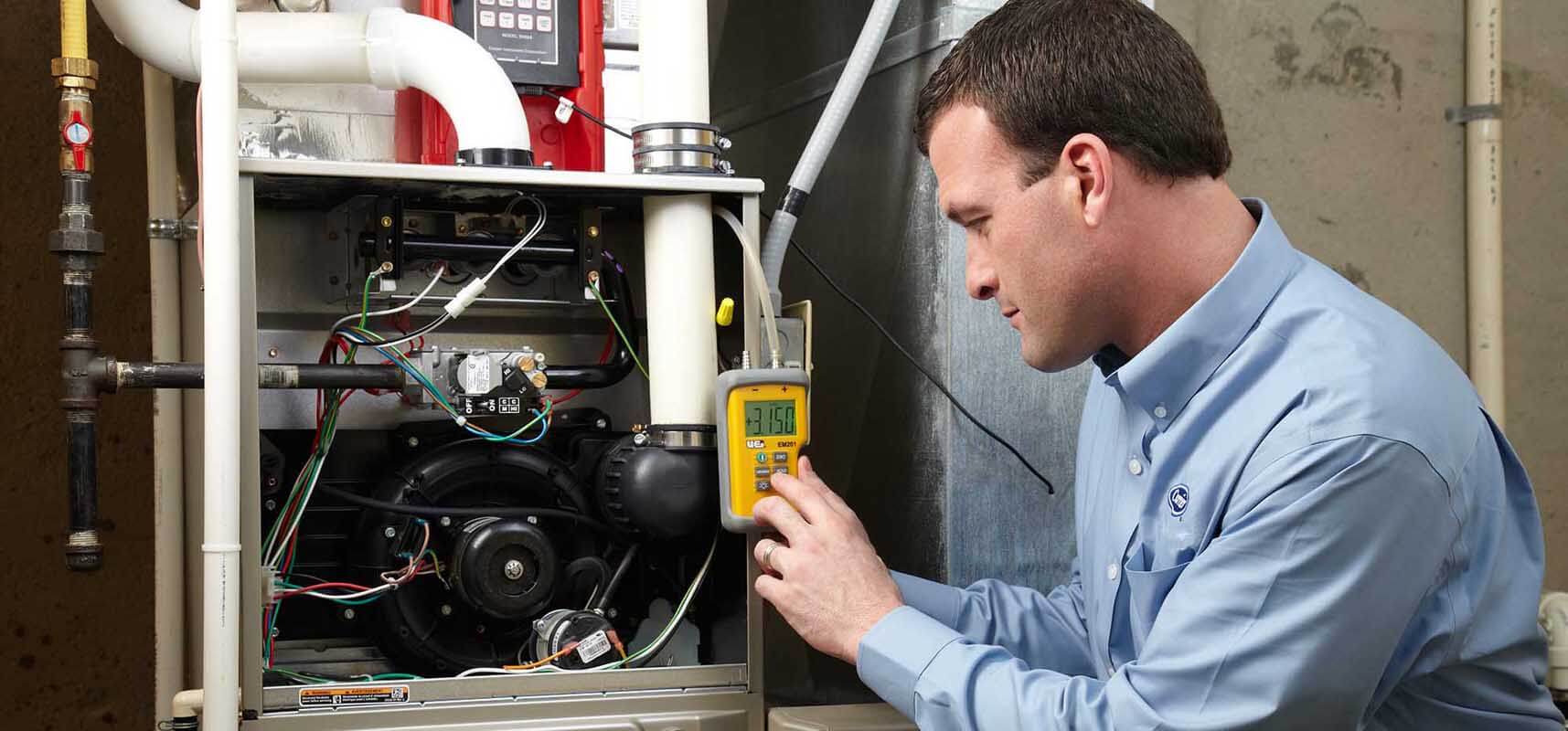
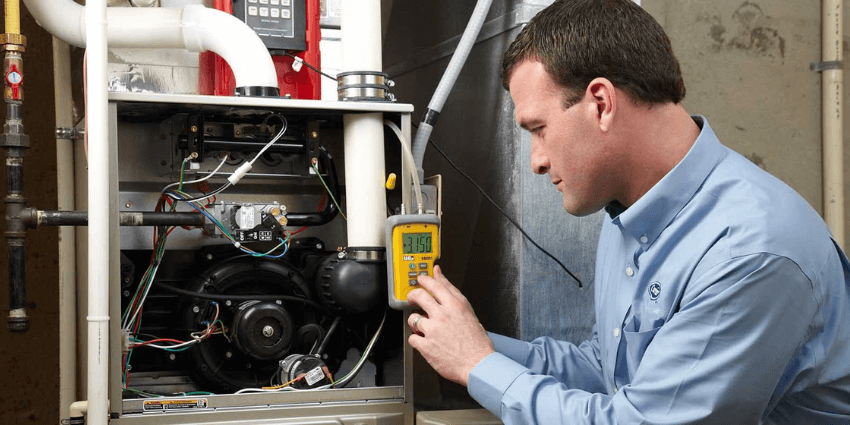
Professional inspections can identify potential issues early and ensure optimal furnace performance.
Replace Air Filters Regularly
Clean air filters promote efficient airflow and prevent dust and debris buildup that can strain the furnace.
Keep Vents and Registers Clear
Ensure that vents and registers are unobstructed to allow proper air circulation throughout your home.
Monitor Thermostat Settings
Optimize your thermostat settings to maintain consistent temperatures and reduce strain on the furnace.
To Sum it Up…
Maintaining a comfortable and safe home environment includes understanding the signs that your furnace needs repair or replacement. Frequent breakdowns, increased energy bills, and unusual noises or odors all indicate issues that you should address promptly. Doing so can prevent further damage and ensure efficient heating throughout the winter months. Regular maintenance and timely upgrades to modern, energy-efficient furnaces not only enhance comfort but also save on utility costs in the long run. Consult with a qualified HVAC technician to assess your furnace's condition and explore repair or replacement options that best suit your needs and budget.
If you plan to buy a new furnace, choose from our wide range of top-quality products designed for maximum efficiency and reliability. At HVACDirect.com, our expert team is available to provide personalized recommendations and help you find the perfect furnace for your home. Call us today at 1-888-617-4605 for more information and to schedule a consultation. By staying vigilant and proactive, you can enjoy reliable heating and peace of mind, knowing your furnace operates at its best.