Key Takeaways
- Assess Your Heating Needs: Consider your home’s square footage, regional climate, and insulation quality to choose the right furnace capacity and avoid issues with oversizing or undersizing.
- Prioritize Efficiency & Features: Look for high AFUE ratings (90%+), Energy Star® certification, and modern features like variable-speed blowers, two-stage or modulating burners, and smart thermostat compatibility to maximize comfort and energy savings.
- Factor Total Cost & Professional Installation: Balance upfront furnace and installation costs with long-term energy savings, and ensure professional installation for proper ductwork inspection, warranty coverage, and optimal system performance.
For a comfortable and energy-efficient home year-round, you need the right furnace. Whether you're replacing an ineffective old system or installing a new one for a recently built home, you must make an informed decision. When selecting the ideal furnace, consider your home's size, the climate you live in, and the type of fuel available. By understanding these aspects, you can find a furnace that provides optimal heating, enhances energy efficiency, and reduces costs.
This comprehensive guide will walk you through the key considerations, from assessing your heating needs and understanding different furnace types to evaluating efficiency ratings and additional features. By the end, you'll be well-equipped to choose a furnace that meets your specific requirements, keeping your home warm and comfortable through the coldest months.
Assess Your Needs
Before understanding the different types of furnaces, first, evaluate your heating requirements based on the following:
Climate
The typical winter temperatures in your region. Colder climates need higher heating capacity.
Home Size
The square footage of your home determines the furnace size (BTUs) needed to keep your home warm.
Insulation
Well-insulated homes retain heat better, potentially allowing for a smaller furnace size and lower energy consumption.
Understand Furnace Type
There are several types of furnaces. They are primarily categorized by the type of fuel they use:
Gas Furnaces
These are the most common, using natural gas or propane. They offer efficient heating and cost-effectiveness but require access to a gas supply.
Electric Furnaces
Ideal for areas where gas isn't available. They are simpler to install and may have lower upfront costs but can be more expensive to operate depending on electricity rates.
Oil Furnaces
Common in areas without natural gas connections. They require an oil supply and regular maintenance but offer robust heating capabilities.
Consider Efficiency Ratings
Efficiency impacts both operating costs and environmental footprint. Key efficiency ratings include:
AFUE (Annual Fuel Utilization Efficiency)
Indicates how efficiently a furnace converts fuel into heat over a heating season. Higher AFUE ratings (90% or above) mean greater efficiency and lower operating costs.
Energy Star Certification
Energy Star-certified furnaces meet stringent energy efficiency guidelines set by the EPA, offering significant energy savings compared to standard models.
Calculate the Right Size
You need the right size furnace for your needs to maximize efficiency and prevent energy waste. Factors influencing size include:
BTU Calculation
Use a Manual J calculation (performed by HVAC professionals) based on your home's square footage, insulation levels, and climate zone to determine the appropriate BTU capacity.
Oversizing vs. Undersizing
An oversized furnace may cycle on and off frequently, leading to inefficient operation and uneven heating. Undersized units struggle to heat adequately, resulting in increased energy consumption and discomfort.
Evaluate Additional Features
Modern furnaces are equipped with features that enhance comfort and efficiency:
Variable-Speed Blower Motors
Adjust airflow based on heating demands, reducing energy consumption and improving indoor air quality.
Two-Stage or Modulating Burners
Provide more precise temperature control and quieter operation compared to single-stage burners.
Programmable Thermostats
Enable customized heating schedules to optimize comfort and energy savings.
Budget Considerations
A good, reliable furnace is an investment for sure, but it will save you money in the long run. Don’t exceed your budget. Balance upfront costs with long-term savings:
Initial Investment
Compare upfront prices for different furnace types and models, considering installation costs.
Operating Costs
Higher efficiency models may cost more initially but offer significant savings on monthly utility bills over their lifespan.
Maintenance and Repairs
Factor in ongoing maintenance costs and potential repair expenses when budgeting for a new furnace.
Installation and Professional Guidance
Proper installation maximizes furnace efficiency and lifespan:
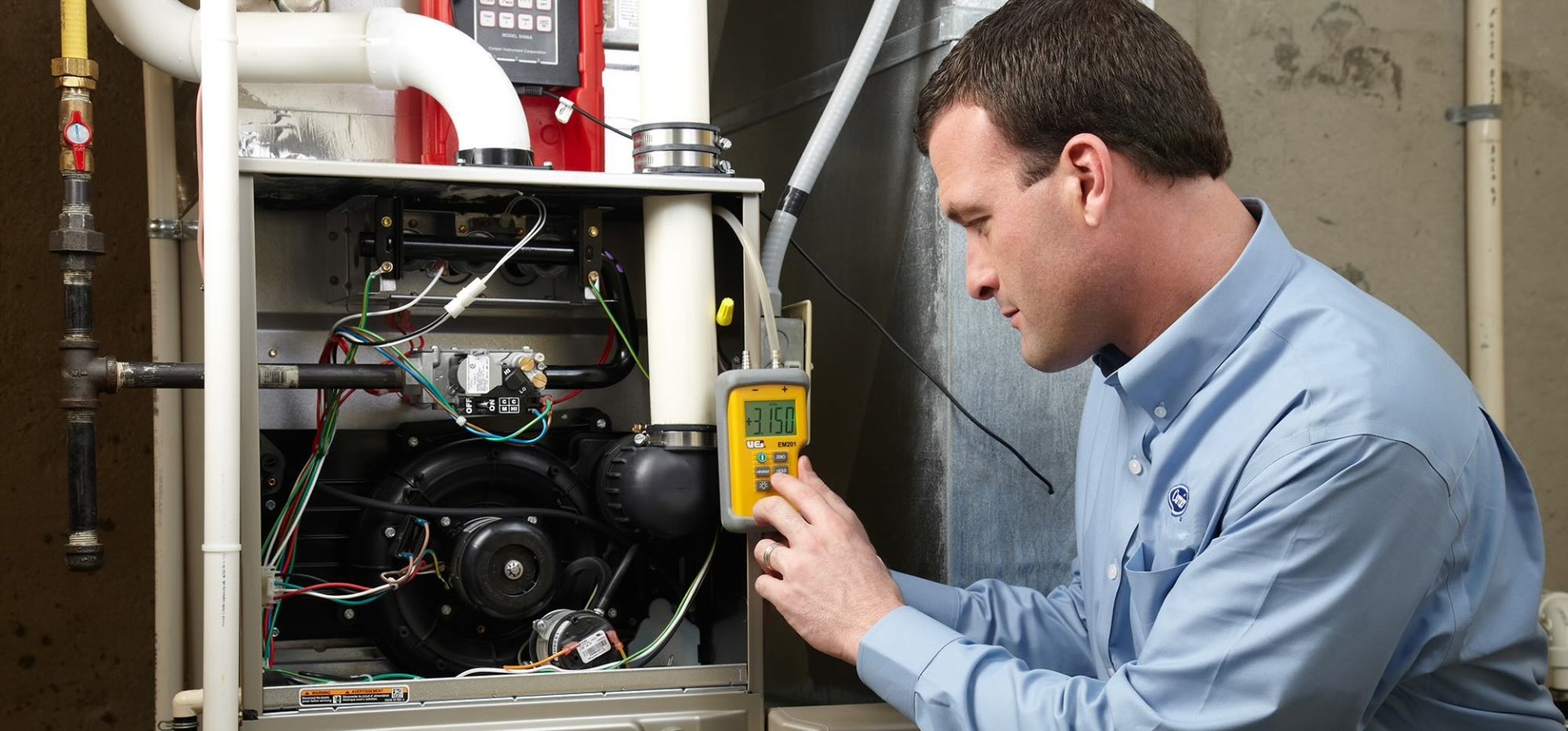
Certified HVAC Technician
Hire a licensed professional for installation to meet local building codes and manufacturer warranties.
Ductwork Inspection
Ensure existing ductwork is compatible with the new furnace to prevent airflow issues and maximize efficiency.
Environmental Impact and Long-Term Benefits
An energy-efficient furnace not only reduces energy bills but also minimizes environmental impact:
Low NOx Emissions
Look for furnaces with low nitrogen oxide emissions to contribute to cleaner air and meet environmental standards.
Long-Term Savings
Energy-efficient models pay for themselves through reduced energy consumption and lower utility bills over time.
Maintenance and Care
Regular maintenance prolongs furnace lifespan and keeps it running efficiently:
Annual Servicing
Schedule professional maintenance before each heating season to inspect components, clean filters, and ensure efficient operation.
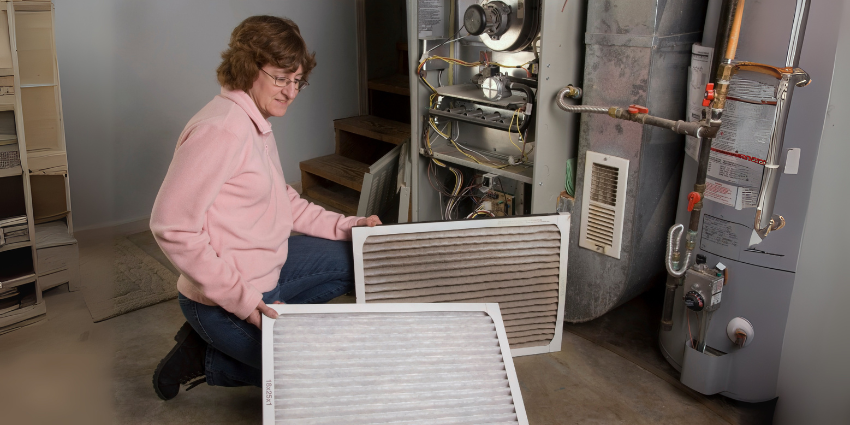
Filter Replacement
Replace furnace filters regularly (every 1-3 months) to maintain airflow and indoor air quality.
Choosing a Reliable Manufacturer
Select a reputable furnace manufacturer, guaranteeing quality, reliability, and customer support:
Research and Reviews
Read consumer reviews and compare warranties offered by different manufacturers to make an informed decision.
Local Availability
Consider the availability of parts and service providers when selecting a furnace brand.
Conclusion
Evaluate your heating needs, understand efficiency ratings, consider budget constraints, and hire professionals for installation and maintenance when you are selecting a new furnace for your home. By carefully weighing these factors and seeking expert advice when needed, you can select a furnace that offers optimal comfort, efficiency, and long-term savings for your home. Explore our range of furnaces to find the perfect fit for your home.
For personalized guidance and to explore a wide range of furnace options suited to your specific requirements, call HVACDirect.com at 1-888-617-4605 to speak with professionals who can help you make the best choice for your home heating needs.