When winter hits, your heat pump becomes the heart of your home’s warmth and comfort. But like any heating system, heat pumps can encounter problems, especially when temperatures drop. Knowing how to perform some basic troubleshooting can help you address mini split winter issues and determine when it's time to call an HVAC professional. Here’s what to look for if your heat pump stops working and how to keep your system running smoothly all season long.
Common Signs of Heat Pump Issues in Winter
Spotting the early signs of a problem can make all the difference. Here are some symptoms that suggest your heat pump may need attention:
1. Unusual Noises
Unexpected sounds coming from your heat pump often indicate a problem:
-
Banging or clanking could mean loose components or debris inside.
-
Squealing may point to worn bearings or motor issues.
-
Hissing or bubbling sounds might signal a refrigerant leak.
2. Inadequate Heating
If your heat pump isn’t warming your home effectively, some likely causes include:
-
Low refrigerant levels that can reduce heat transfer efficiency.
-
Malfunctioning components such as the compressor or reversing valve that may be affecting heating performance.
3. Frequent Cycling on and Off
Heat pumps that turn on and off too often (short cycling) may have:
-
Thermostat issues from poor calibration or a faulty sensor.
-
Airflow restrictions due to blocked ductwork or clogged filters, causing the system to overheat and shut down.
4. Ice Buildup on the Unit
If ice forms on your heat pump, especially on the coils, it’s time to investigate. Ice buildup can result from:
-
Restricted airflow due to dirty filters or debris around the unit.
-
Low refrigerant levels causing temperature imbalances and freezing.
Troubleshooting Tips
Before calling a professional, there are several heat pump troubleshooting steps you can try. These tips work for both traditional and mini split systems, making it easier to address issues and get your heat pump back up and running.
Basic Checks
-
Thermostat Settings: Confirm the thermostat is set to “heat” mode and that the temperature is above the current room temperature.
-
Power Supply: Check that the heat pump has power by inspecting the circuit breakers and fuses. Reset or replace any that are tripped or blown and confirm the disconnect switch is in the “on” position.
-
Air Filters: Dirty filters can reduce your heat pump's efficiency. Clean or replace them if they’re clogged to allow proper airflow.
System Reset
If your heat pump is unresponsive, a reset might help:
-
Turn off the thermostat.
-
Switch off the power at the disconnect switch.
-
Wait a few minutes, then turn the power back on.
-
Set the thermostat back to “heat” mode.
Clear Debris
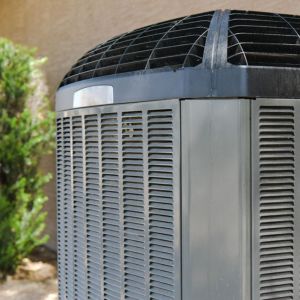
Ensure the outdoor unit is free of snow, ice, leaves, or other debris, as blockages can restrict airflow. Use a broom or shovel to carefully clear any obstructions.
Inspect Ductwork
For systems that rely on ductwork, inspect it for any visible leaks or damage. If you find any disconnected or torn sections, repair or replace them to improve efficiency.
When to Call a Professional
While troubleshooting can resolve many common issues, there are times when professional help is necessary. Here’s when to reach out:
Persistent Issues
If your troubleshooting efforts haven’t resolved the problem, you may be dealing with a more significant issue, like a refrigerant leak or major mechanical failure.
Complex Problems
Certain problems require specialized expertise:
-
Refrigerant leaks: Only certified technicians can handle refrigerants safely.
-
Electrical issues: Electrical components can pose risks and should be inspected by a professional.
-
Mechanical failures: Issues with the compressor or fan motor often require expert diagnosis.
Safety Concerns
If you notice unusual smells (which could indicate burning wires) or see smoke, turn off your heat pump immediately and call a professional for assistance.
Preparing for a Service Call
To help your HVAC technician diagnose and fix the issue faster, have this information ready:
-
Symptoms observed: Describe any unusual noises, performance issues, or signs of trouble.
-
Troubleshooting steps taken: Let the technician know what actions you’ve already tried.
-
Model and service history: Share your heat pump’s model number and any previous service records to give context on maintenance and repair history.
Preventative Maintenance Tips
Keeping your heat pump in good shape throughout winter is easier with regular preventive maintenance. Here’s how to help avoid HVAC problems in cold weather and keep your heat pump running reliably:
Regular Check-Ups and Servicing
Schedule yearly maintenance with a qualified HVAC technician. This visit should include:
-
Inspecting all parts for wear
-
Cleaning the coils and filters
-
Checking refrigerant levels
-
Confirming the system is running efficiently
Maintain a Clear Outdoor Unit
Keep the area around the outdoor unit clear of debris, snow, and ice. Trim nearby bushes or trees to prevent future obstructions.
Winter Preparations
As winter approaches, take a few extra steps to get your heat pump ready:
-
Ensure all seals and insulation around ductwork are intact.
-
Replace the filters as needed.
-
Clear snow and ice from the outdoor unit to prevent blockages.
Shop Heat Pumps at HVACDirect.com
If you’re thinking about upgrading or replacing your heat pump, check out our selection of cold-climate heat pumps. These systems perform efficiently even in low temperatures, delivering dependable warmth when you need it most. Choose from a variety of energy-efficient models that help keep energy bills down and your home comfortable throughout winter.
Stay proactive with your heat pump maintenance, and you’ll keep your home comfortable even when temperatures drop. For more tips, updates on HVAC products, and exclusive offers, sign up for our newsletter today. Visit HVACDirect.com for more guidance on managing mini split winter issues and other cold-weather HVAC challenges and explore our range of cold-climate systems to keep your home cozy all season long.