Article Contents
Key Takeaways
- Air-Source Efficiency Over Combustion: Pool heat pumps draw warmth from the air via a refrigeration cycle instead of burning fuel, slashing energy use and cutting carbon emissions by up to 80% compared to gas heaters.
- Advanced Inverter & Mode-Based Control: Variable-speed compressors and specialized modes (Boost, Silence, Eco, Wi-Fi) deliver precise temperature management, rapid warm-up, and optimized efficiency that gas heaters can’t match.
- Lower Lifecycle Costs & Longer Lifespan: Despite higher upfront costs, electric heat pumps require minimal maintenance, resist corrosion with titanium coils, and last 15–20 years—resulting in 30–50% total cost savings and fewer replacements over time.
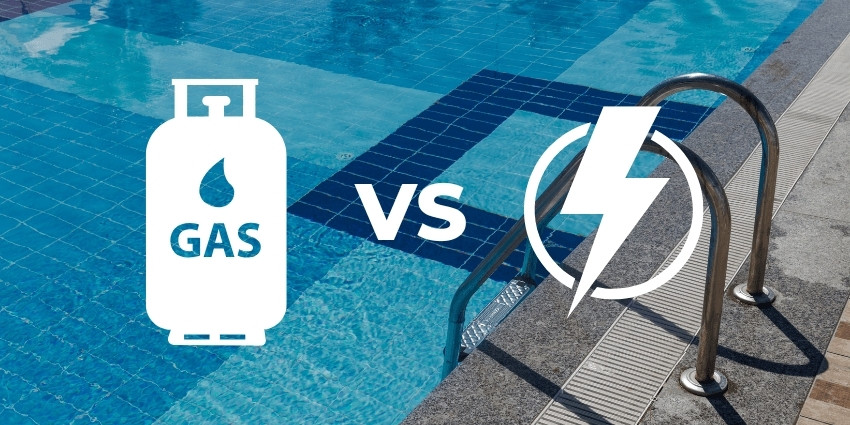
Considering a gas heater or a heat pump for your pool? This guide will walk you through what traditional gas heaters and modern electric pool heat pumps are, compare their efficiency and features, and show you why electric heat pumps often come out on top.
What is a Gas Pool Heater
A gas pool heater is a system that directly heats your pool water by burning natural gas or propane through a process called combustion.
Gas heaters dominated pool heating from the mid-20th century onward thanks to their rapid warm-up times, but rising fuel costs and environmental concerns have since spurred the search for more efficient electric alternatives. This led to the development of the electric heat pump.
What is a Pool Heat Pump
A pool heat pump heats your swimming pool using electricity, but instead of generating heat directly—as gas heaters do—it captures warmth from the air and transfers it to the water, making it far more energy-efficient.
Electric vs. Gas Pool Heaters: Why Heat Pumps Win


Electric pool heat pumps outperform gas heaters by lowering energy costs, improving efficiency, and reducing your carbon footprint. Equipped with variable-speed compressors and precise temperature control, they keep your pool perfectly heated year-round.
Pool Heat Pump Smart Technology
- Inverter Technology: Inverter units vary compressor speed to match real-time demand. Unlike fixed-speed gas heaters, this precision reduces electricity draw, cuts cycling losses, and raises efficiency.
- Pool heat pumps have extra modes that gas heaters do not:
- Boost Mode: Temporarily ramps up compressor speed and fan output to heat water, quickly matching gas-heater warm-up times with up to 80% less energy.
- Silence Mode: Slows fan speed and compressor cycling to minimize noise—something gas heaters simply can’t achieve.
- Eco Mode: Automatically adjusts temperature setpoint and fan speed for peak efficiency, maximizing cost savings compared to gas.
- Wi-Fi Connectivity: Built-in Wi-Fi and an app let you adjust your heat pump from anywhere. Gas heaters typically only have a simple on/off mode.
Durability & Lifespan: Heat Pump vs. Gas Heater
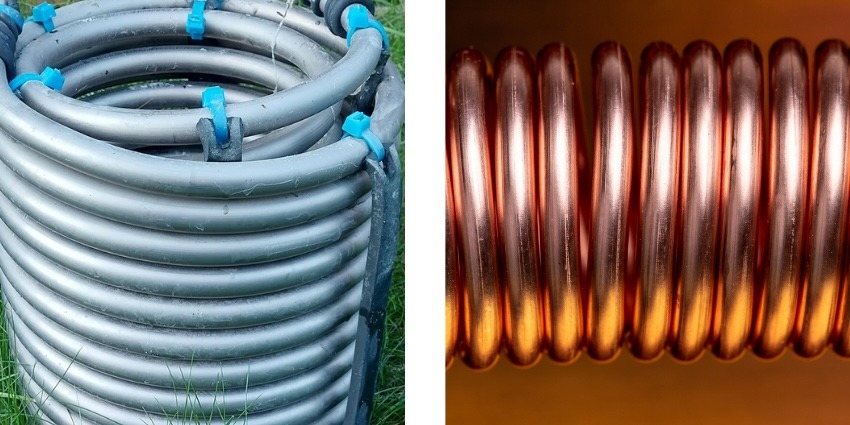 Pool heat pumps tend to be more durable and have longer lifespans than gas heaters because of:
- Titanium Heat Exchangers: Corrosion-resistant coils stand up to saltwater and chlorine, whereas gas-heater coils (typically copper or steel) corrode faster under combustion—titanium gas-heater coils are rare.
- Weatherproof Enclosures: Built for year-round exposure, heat pumps need no extra covers; gas heaters often require winter shelter to prevent freezing and rust.
- Rust-Proof Components & Longer Lifespan: With minimal upkeep (annual filter clean and occasional check), most heat pumps run 15–20 years. Gas heaters, requiring burner cleanings, valve tests, and vent inspections, average 10–15 years.
This means that you’ll be paying more for maintenance every year and must replace your system sooner.
Operating Costs & ROI: Heat Pump vs. Gas Heater
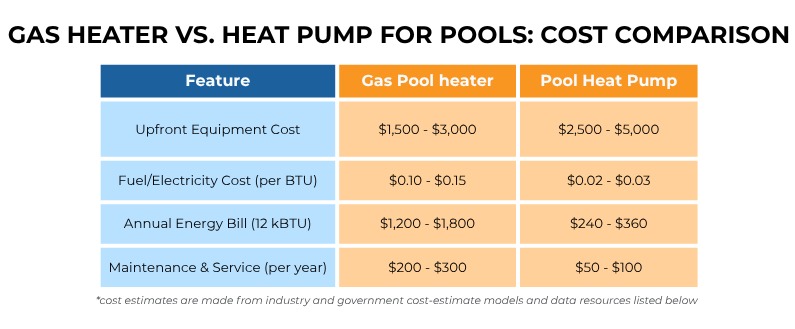
With U.S. gas prices soaring from $0.44 to $15.44 per one thousand cubic feet since 1950, running a gas heater has become far more expensive and will continue to increase in price. Though heat pumps cost more up front, their efficiency and minimal upkeep cut total lifecycle expenses by roughly 30–50% over 15–20 years. The table below compares the costs for equipment, fuel/energy, and maintenance costs for both systems.
Resources
- HomeGuide: Pool Heater Cost
- HomeAdvisor: Heat Pump Installation Cost
- EIA: Historical Natural Gas Prices
- NRG: Energy Conversion Calculator
- DOE: Gas Pool Heaters
Based on an estimated annual savings of about $900 - $1,500 compared to gas pool heaters, the higher upfront cost of a pool heat pump typically pays for itself in just 2-4 years, after which you enjoy ongoing savings season after season.
Environmental Benefits of Electric Heat Pumps
Burning gas for pool heat releases substantial greenhouse gases—about 5.3 kg (11.7 lb.) of CO₂ and roughly 0.092 lb. of NOₓ per 100,000 BTU—directly on-site. In contrast, electric heat pumps run on electricity (ideally sourced from renewables), eliminating local emissions and slashing overall carbon output for a truly sustainable solution.
Gas Pool Heater or Pool Heat Pump: Which One Should You Choose
Switching from a gas pool heater to an electric pool heat pump delivers clear, long-term benefits. Although heat pumps carry a higher upfront price tag, typical payback periods of 2–4 years mean you’re saving money season after season. Whether you prioritize consistent year-round warmth, eco-friendly operation, or smart comfort features, a pool heat pump outperforms gas in nearly every category.
Shop Electric Pool Heat Pumps at HVACDirect.com
Ready to make the switch? Explore our full lineup of high-efficiency heat pumps—standard, cooling-capable, and inverter models—at HVACDirect.com, and use our sizing guide to find the perfect match for your pool.