

Key Takeaways
- Fuel Availability Often Determines the Best Stove: Homes with a reliable gas line typically benefit most from gas heating stoves, while rural cabins and remote properties may find wood-burning stoves more practical due to easier access to solid fuel.
- Gas Stoves Offer Cleaner Burning and Less Maintenance: Wood stoves create more soot, ash, and buildup, requiring frequent cleaning and chimney maintenance, while gas heating stoves burn cleaner, start easily, and demand far less day-to-day upkeep.
- Wood Delivers Classic Ambiance, Gas Minimizes Emissions: A real wood fire creates an authentic, cozy focal point, but modern gas stoves produce dramatically fewer pollutants per year, making them the more environmentally friendly option where gas is available.
When it comes to wood burning vs. gas appliances, most assume that there is simply no contest.
Wood was once the fuel of choice, being readily available and relatively affordable. In modern times, gas has become more affordable and practical, offering economy of use with better thermal properties when used for heating or cooking. Even when it comes to environmental impact, gas is the clear winner, causing less damage to the environment overall.
The problem is that it’s not a simple case of black and white, particularly in scenarios where gas is unavailable or impractical. Rural homes, as an example, may be able to make better use of solid fuel for heating stoves. In urban areas, gas heating stoves for sale are usually preferred.
If you’re looking for a solution at home and haven’t been able to identify the best option, then this simple guide will provide all of the information that you need to make the right decision.
Which Fuel Type is Readily Available to You?
Understanding Access and Convenience
The very first thing that you’ll need to think about is the fuel that is readily available to you. If you have a direct gas line to your home, then a gas stove heating system is obviously going to be the best choice. However, if you don’t have a gas line, and if you live some distance from a supplier of refillable gas canisters, then wood may be your best alternative. Rural homes and cabins are examples where wood burning is more practical.
Are You Concerned About the Appearance of Your Stove?
Traditional Warmth vs. Modern Realism
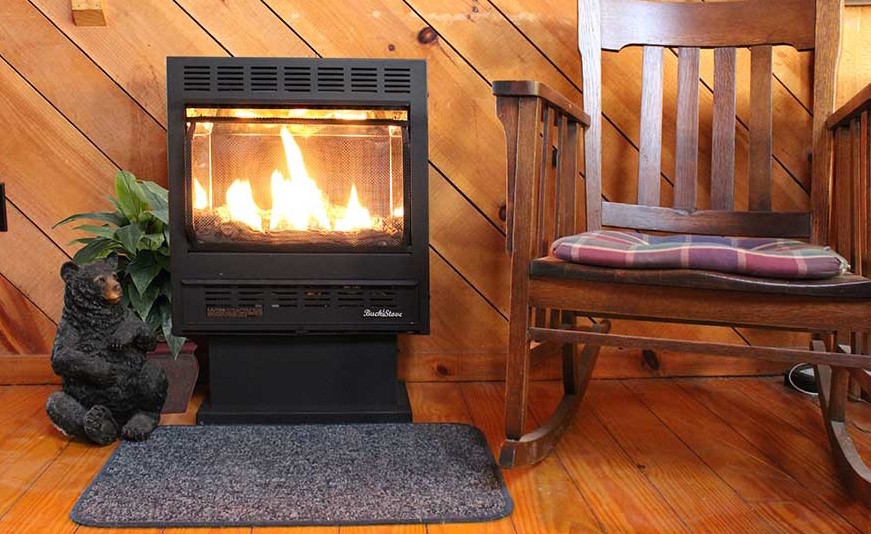
There’s nothing quite like a wood burning stove providing heat to your home in the winter. A natural fire provides warmth and a sense of comfort. Gas heating stoves can be made to replicate the look of traditional wood burners, but for many people, there is no substitute for the real thing.
For your remote cabin, you may well prefer a wood burning stove. In your architecturally designed home, you may also prefer the aesthetic of wood heating stoves. For a suburban home, the aesthetic may not be quite as important as the production of heat.
Both wood heating stoves and gas heating stoves are available in attractive designs that can elevate the look of your home, so in this category, you’ll find that both options will be suitable. Again, determine the fuel that’s available to you, and then the decision will be made much easier.
Maintenance Considerations
What to Expect When Owning Each Type
A wood burning stove produces a significant amount of debris and soot and requires regular cleaning and maintenance to run efficiently and safely. Gas burns much cleaner in comparison, and maintenance intervals will be much longer when compared to wood.
Getting a fire started is another consideration, and it should come as no surprise that wood heat stoves require more effort to start. A heating gas stove is suitable for busy families and anyone that doesn’t have experience with lighting and keeping a fire burning in a wood stove.
Environmental Impact of Heating Your Home
Pollution Levels and Eco-Friendliness
Modern wood heat stoves have efficient designs that prevent smoke from entering your home. As long as you have an adequate ventilation/chimney system, there will be no negative impact from burning wood in your stove.
In terms of overall environmental impact, wood burning releases more pollutants than gas does. The clean burning of gas means that most of the energy is put into producing a fire, and there’s very little waste. The average EPA Certified wood stove produces around 97 lbs. of pollutant per year, whereas a gas furnace or stove produces less than 1/6th of a pound of pollutant per year. If you buy pellet stove that uses manufactured solid fuel, then you’ll end up between wood and gas, with around 27 lbs. of pollutant produced every year.
Making Your Decision
Choosing the Best Heating Stove for Your Home
There are advantages and disadvantages to both stove types, and in every case, it will come down to your circumstances and your personal preference. A beautiful wood burning stove can become the centerpiece of a home, and modern designs burn far more efficiently than stoves used just a few decades ago.
Gas will always be the most convenient and the cleanest stove, but may not be suitable depending on gas availability in your area.
Whichever way you choose to go, you can ensure that you get the highest quality and most efficient gas or wood heat stoves by shopping at HVACDirect.com. With a complete range of modern gas and wood stoves available, you can be sure of finding the perfect unit for your home.

When it comes to wood burning vs. gas appliances, most assume that there is simply no contest.
Wood was once the fuel of choice, being readily available and relatively affordable. In modern times, gas has become more affordable and practical, offering economy of use with better thermal properties when used for heating or cooking. Even when it comes to environmental impact, gas is the clear winner, causing less damage to the environment overall.
The problem is that it’s not a simple case of black and white, particularly in scenarios where gas is unavailable or impractical. Rural homes, as an example, may be able to make better use of solid fuel for heating stoves. In urban areas, gas heating stoves for sale are usually preferred.
If you’re looking for a solution at home and haven’t been able to identify the best option, then this simple guide will provide all of the information that you need to make the right decision.
Which Fuel Type is Readily Available to You?
The very first thing that you’ll need to think about is the fuel that is readily available to you. If you have a direct gas line to your home, then a gas stove heating system is obviously going to be the best choice. However, if you don’t have a gas line, and if you live some distance from a supplier of refillable gas canisters, then wood may be your best alternative. Rural homes and cabins are examples where wood burning is more practical.
Are You Concerned About the Appearance of Your Stove?
 There’s nothing quite like a wood burning stove providing heat to your home in the winter. A natural fire provides warmth and a sense of comfort. Gas heating stoves can be made to replicate the look of traditional wood burners, but for many people, there is no substitute for the real thing.
Both wood heating stoves and gas heating stoves are available in attractive designs that can elevate the look of your home, so in this category, you’ll find that both options will be suitable. Again, determine the fuel that’s available to you, and then the decision will be made much easier.
Maintenance Considerations
A wood burning stove produces a significant amount of debris and soot and requires regular cleaning and maintenance to run efficiently and safely. Gas burns much cleaner in comparison, and maintenance intervals will be much longer when compared to wood.
Getting a fire started is another consideration, and it should come as no surprise that wood heat stoves require more effort to start. A heating gas stove is suitable for busy families and anyone that doesn’t have experience with lighting and keeping a fire burning in a wood stove.
Environmental Impact of Heating Your Home
Modern wood heat stoves have efficient designs that prevent smoke from entering your home. As long as you have an adequate ventilation/chimney system, there will be no negative impact from burning wood in your stove.
In terms of overall environmental impact, wood burning releases more pollutants than gas does. The clean burning of gas means that most of the energy is put into producing a fire, and there’s very little waste. The average EPA Certified wood stove produces around 97lbs. of pollutant per year, whereas a gas furnace or stove produces less than 1/6th of a pound of pollutant per year. If you buy pellet stove that uses manufactured solid fuel, then you’ll end up between wood and gas, with around 27 lbs. of pollutant produced every year.
Making Your Decision
There are advantages and disadvantages to both stove types, and in every case, it will come down to your circumstances and your personal preference. A beautiful wood burning stove can become the centerpiece of a home, and modern designs burn far more efficiently than stoves used just a few decades ago.
Gas will always be the most convenient and the cleanest stove, but may not be suitable depending on gas availability in your area.
Whichever way you choose to go, you can ensure that you get the highest quality and most efficient gas or wood heat stoves by shopping at HVACDirect.com. With a complete range of modern gas and wood stoves available, you can be sure of finding the perfect unit for your home.