We use cookies to make your experience better. To comply with the new e-Privacy directive, we need to ask for your consent to set the cookies. Learn more.

1-800-397-1392
Today's Hours 8am - 11pm estExperience superior heating and cooling capabilities with our 42,000 BTU/ 3.5 Ton mini split systems. Whether you require a single zone or a five zone setup, these systems provide exceptional comfort and energy efficiency. With the ability to cover up to 2,100 square feet, our 42,000 BTU/ 3.5 Ton mini splits offer the perfect solution for cooling one larger space or up to five smaller spaces while maintaining optimal climate control. Explore our collection and discover the ideal heating and cooling solution for your needs.
Shop By Zone
Shop By Brand






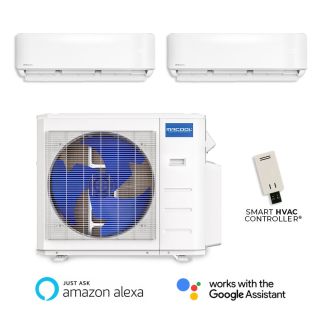
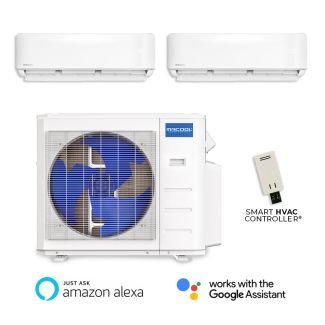
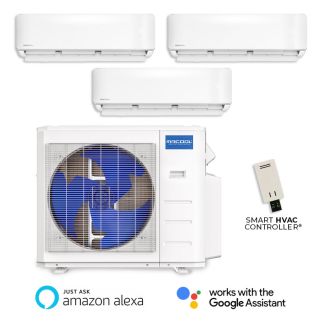
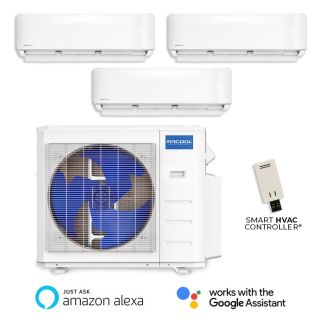
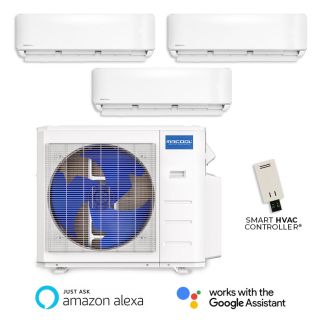
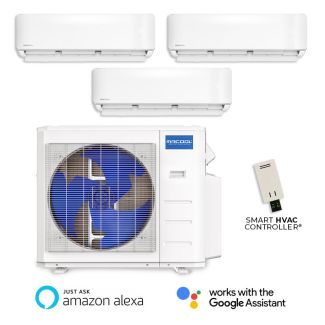
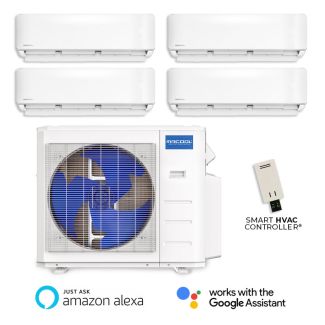
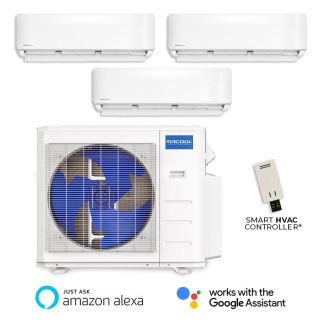


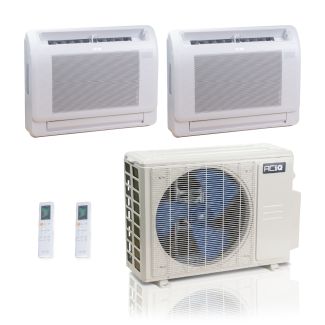
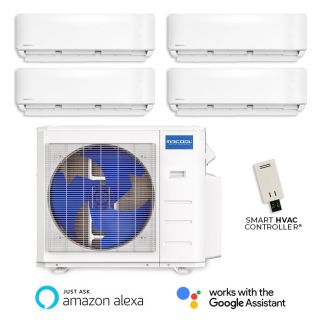
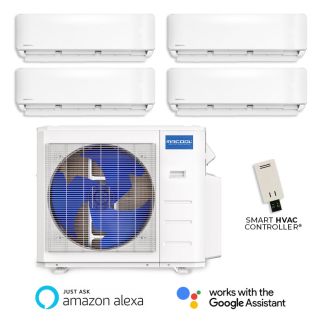


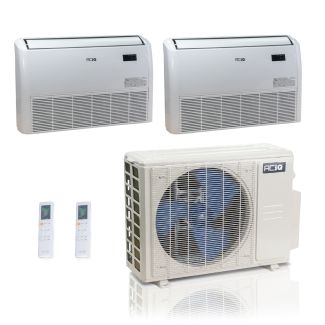
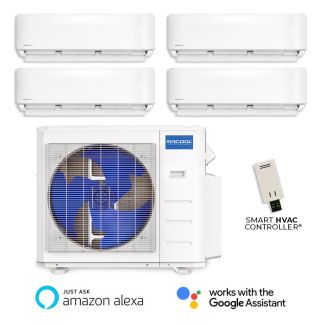
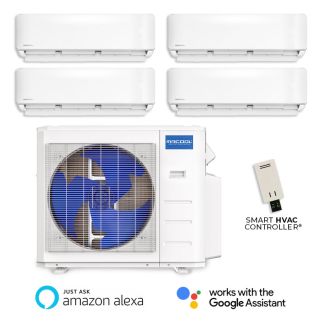
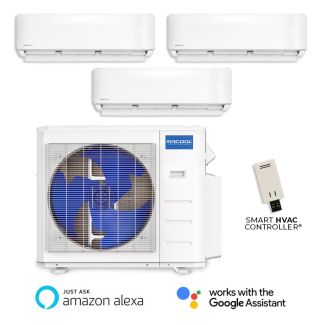
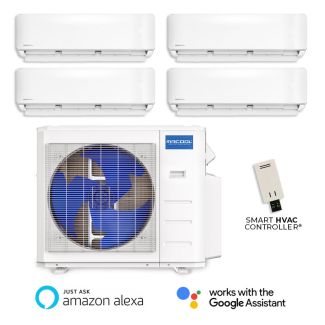
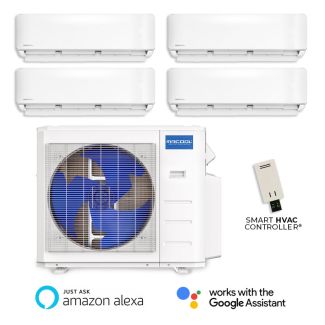
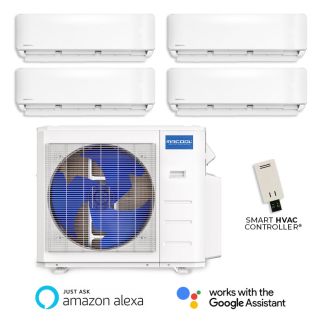
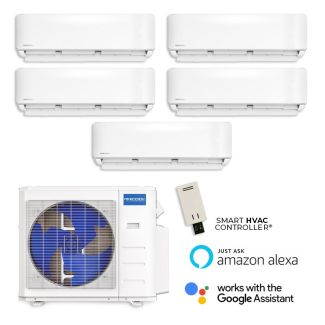
A 42,000 BTU mini split is a ductless air conditioning system that can deliver 3.5 tons of cooling capacity from a single outdoor condenser to one or more indoor air handlers, which are also called heads. With most 42K mini splits being heat pumps, they can heat and cool an assortment of spaces measuring 2,000 to 2,300 square feet at multiple temperatures. An indoor head actively draws ambient room air across an internal evaporator coil to either absorb or add heat energy, while the exterior compressor cycles the refrigerant to regulate the temperature of the indoor zone.
A 42,000 BTU mini split system is suited for total areas between 2,000 to 2,300 square feet with standard insulation and 8- to 10-foot ceilings. These systems are engineered to handle substantial thermal loads in singular zones, larger open-concept areas, and multi-room configurations with multiple temperature demands.
Extreme outdoor temperatures, high humidity levels, and excessive solar heat gain from large south-facing windows can significantly reduce the heating and cooling performance of these systems. Poor structural sealing or inadequate insulation can also force the unit to run longer cycles, potentially decreasing the overall lifespan of the outdoor unit’s inverter and compressor. In these cases, upsizing to a larger tonnage mini split should be seriously considered.
These systems are highly energy efficient, and they are rated accordingly to indicate just how efficiently they run. Mini splits are measured by three distinct energy efficiency heating and cooling ratings known as SEER2, EER2, and HSPF2. SEER2, which is short for Seasonal Energy Efficiency Ratio, is for ranking mini splits’ overall cooling ability, in a 14 to 28+ range. EER2, or Energy Efficiency Ratio 2, is about indicating mini splits’ abilities to cool during torrid outdoor temperatures on a 10 to 15 scale. HSPF2, or Heating Seasonal Performance Factor 2, ranks mini split systems’ seasonal heating efficiency in a 7.5 to 13.5 range. An easy way to understand the ratings is that the higher the number, the more money homeowners are likely to save on energy bills (on average). With a higher-efficiency mini split, homeowners can reduce monthly energy costs by up to 40% compared to standard central air units or electric baseboard heating.
A 42,000 BTU mini split typically consumes between 3,500 and 4,800 watts (W) during peak cooling or heating, although systems with inverter technology can reduce this running load to as little as 800W to 1,200W once the set temperature is reached. These systems generally operate with a running amperage of 15 to 22 amps (A) on a 230 volt (V) circuit, despite requiring a higher Minimum Circuit Ampacity, or MCA, of 25A to 35A for safe installation. Based on a national average electricity rate of $0.17 per kWh, homeowners can expect estimated monthly operating costs to range from $45 to $110 during peak seasonal use, depending on the system's SEER2 efficiency and total daily runtime.
This mini split ac system requires a dedicated 208/230V, 60Hz, single-phase power supply with an MCA typically ranging between 25A and 35A. These 3.5 ton systems must be installed with a specific overcurrent protection device and wire gauge to handle the high start-up and operational demands of a multi zone inverter compressor.
Voltage Requirement: The majority of 3.5 ton systems operate on a 208/230V single-phase AC circuit.
Breaker Size (MOP): The Maximum Overcurrent Protection, or MOP, required for these units is typically a 45A or 50A double-pole breaker to prevent nuisance tripping during high-load periods. Some 42K systems require 60A breakers.
Minimum Circuit Ampacity (MCA): Most 42,000 BTU condensers have an MCA of 25A to 33.5A, which dictates the minimum safe current-carrying capacity of the electrical circuit.
Wire Gauge Recommendation: To comply with the National Electrical Code, or NEC, for the required amperage, these systems generally require 8 AWG copper wiring for the main power feed from the panel to the outdoor disconnect.
Communication Wiring: These units generally require a 14/4 stranded AWG wire (four-conductor shielded or unshielded) to connect the outdoor condenser to each indoor air handler for power and data transmission. However, local regulations regarding wire hookup and the make and model of mini split can cause the wiring size to vary.
Failure to use the exact breaker size and wire gauge specified by the manufacturer can lead to voltage drops that damage the control board or void the product warranty. Always verify the specific ratings on the outdoor unit's nameplate, as MCA and MOP values can vary slightly between standard and high-heat models.
Yes, a layperson can install a 42,000 BTU DIY system. While many 3.5-ton systems use traditional connections, some DIY options are still available in this size range. Regarding DIY mini split installation, special tools such as refrigerant gauges, vacuum pumps, or even extra refrigerant are unnecessary. Everything is precharged and ready to go. Unlike traditional 42K mini splits and equipment that must be pressure tested and dehydrated by a professional to prevent system failure, all a DIY customer needs are basic hand tools and they can do the installation themselves.
DIY Installation: Homeowners may perform physical labor, such as mounting the indoor air handlers, securing the outdoor condenser pad, and routing line sets, but they must still hire an electrician for the 230V high-voltage connection.
Professional (Traditional) Installation: A certified heating and cooling technician should perform the final refrigerant line flares, nitrogen pressure testing, and system evacuation to ensure the inverter compressor operates within manufacturer specifications.
Proper traditional installation of a standard 3.5 ton system mandates obtaining local mechanical and electrical permits to verify the 35A to 50A circuit meets safety codes. Because these units are not pre-charged for all possible line set lengths, a certified technician is always required to manage refrigerant levels and ensure the system's long-term warranty remains valid.
A 42,000 BTU mini split system typically costs between $4,500 and $11,500 for a complete setup, which includes both the equipment and professional installation. These particular single zone and multi zone systems represent a significant investment due to the high-capacity builds of 3.5 ton units to distribute the 42,000 BTUs of heating and cooling.
Equipment Cost: A 3.5 ton multi zone condenser typically ranges from $4,000 to $10,000+, while a single zone 42K unit can range from ~$7,000 to $10,000+.
Installation and Labor Cost: Professional labor for a 42K multi zone installation generally ranges from $1,500 to $5,000, which covers refrigerant line flaring, system evacuation, and the dedicated electrical circuit. Installation and labor for some 42,000 BTU single-zone systems can cost as little as $500.
Operation and Maintenance Cost: Annual expenses usually fall between $450 and $950, including approximately $300 to $650 for seasonal electricity usage and $150 to $300 for a professional preventative maintenance tune-up.
Beyond the base installation, homeowners should budget $250 to $800 for additional critical costs such as local mechanical permits, specialized line set covers, and condenser pads or heavy-duty wall brackets.
Disclaimer: All costs are approximate ranges based on existing products that are subject to pricing variables, which include, but are not limited to: region of install, location of installation, company labor rates, additional material costs, permit fees, and electrical evaluation and/or hookup.
A 42,000 BTU mini split system supports up to four different indoor unit styles, allowing for customized air distribution across multiple rooms or large open spaces. These 3.5 ton condensers are compatible with a mix of high-wall and recessed air handlers to meet various aesthetic and structural requirements.
Wall Mount Units: The most common and cost-effective style, wall mount units are mounted high to provide ample, wide-angle air distribution.
Ceiling Cassette Units: This style is designed to blend seamlessly into the ceiling, showing only a grille, and deliver 360 degrees of consistent airflow into any room.
Slim Ceiling Cassette (or Slim Duct) Units: Functioning just like standard ceiling cassettes but with a slimmer chassis thickness, the slim ceiling cassette can also be recessed directly into a ceiling to provide discreet, low-profile air conditioning in a 42K setup. Also known as a slim duct, this kind of handler is favored to preserve overhead space for drop ceilings or when the depth of a ceiling is low. Both slim and standard-sized ceiling cassettes are often called 4-way air handlers.
Concealed Duct Units: Ideal for multi-room cooling from a single air handler, concealed duct units are hidden in an attic or closet and use short duct runs to deliver air through discreet ceiling or wall vents.
Depending on the make and brand of the units, various 42K multi zone heads mentioned above can be mixed and matched on a single condenser, though you must ensure the total combined BTU rating of the indoor units stays within 100% to 133% of the outdoor unit's capacity.
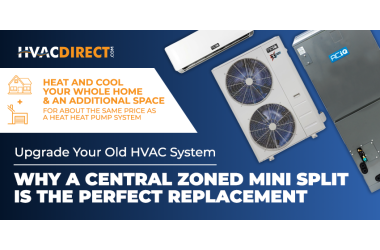

For a 42,000 BTU mini split, it is important to look for a SEER2 rating of at least 19 and an EER2 of 10 or higher to ensure optimal efficiency and eligibility for federal tax credits. Selecting a high-performance system in this 19 to 21 SEER2 range, like the ACiQ G9 Multi Zone series, provides a superior balance between upfront equipment cost and long-term energy savings.
Yes, 42,000 BTU mini split systems that are designed as heat pumps provide both high-capacity cooling and heating. For heating, these 42K units can extract heat from the outdoor air to warm the interior even when exterior temperatures drop significantly. Specialized hot-climate mini splits like ACiQ’s Extreme Heat series or LG’s Hyper Heat models can maintain 100% of their heating capacity at 5°F and continue to operate efficiently down to -22°F.
For a 42,000 BTU mini split system, look for an HSPF2 rating between 9 and 11 to ensure high-efficiency heating during the winter months. Selecting a system with an HSPF2 of at least 9.5 is critical for homeowners in cooler regions, as it ensures the inverter compressor remains efficient enough to qualify for federal energy tax credits and utility rebates. Stealth brand and ACiQ Extreme Heat mini splits can achieve ratings as high as 10.5 or 11, indicating that heat output is being maximized while electrical consumption is minimized in cold climates.
A standard 42,000 BTU mini split system is most often needed, because true DIY kits with pre-charged, quick-connect line sets are manufactured in smaller quantities at the 3.5 ton capacity level.
Choosing a standard system is helpful for homeowners who want the comfort of letting a professional handle all labor with the added benefit of a longer manufacturer’s warranty. Attempting a DIY install on a quick-connect home 3.5 ton system allows homeowners to save money by not having to pay a licensed contractor for standard system installation.
Yes, a 42,000 BTU mini split is exactly the same as a 3.5 ton system, because cooling capacity is measured at a standardized rate of 12,000 BTUs per ton of cooling. By dividing 42,000 by the industry-standard 12,000, the resulting 3.5 tons represents the total heat removal of the system during a 24-hour period.
While reputation is important, the best 42,000 BTU mini split systems are manufactured by brands that prioritize high-efficiency inverter technology and extreme-weather performance while delivering consistent SEER2 ratings between 16 and 23, such as ACiQ and Mitsubishi. ACiQ is recognized for its high-performance Extreme Series with SEER2 ratings up to 23 and the ability to heat in sub-zero climates down to -22°F. Mitsubishi Electric is known for quiet operation and extreme reliability in high-load commercial and residential settings. LG’s Multi F series provides diverse indoor air handler configurations. Gree offers robust 42,000 BTU multi zone systems under their Multi21+ line.
A 42,000 BTU mini split system typically has an operational lifespan of 15 to 20 years when properly installed and maintained. These 3.5 ton systems are built with durable inverter-driven compressors that experience less mechanical wear than traditional on/off systems, because they do not frequently cycle at maximum power. To reach this 20-year mark, homeowners must perform biannual maintenance, such as cleaning filters and clearing debris from the outdoor condenser.
Yes, virtually all 42,000 BTU mini split systems on the market today are technically heat pumps, meaning they move heat rather than generating it through combustion or resistance. These 42K units utilize a specialized reversing valve that allows the refrigeration cycle to run in both directions, providing high-capacity cooling and efficient electric heating. While cooling-only models do exist for niche commercial applications, the industry standard for this capacity is a heat pump.
Yes, a 42,000 BTU mini split is an effective dehumidifier, especially when used in models equipped with dedicated dry modes. A dry mode is a pre-programmed mini split setting that is designed to reduce humidity without significantly lowering the room temperature. A 3.5 ton system can remove approximately 3.5 to 5 liters of water per hour (roughly 80 to 120 pints per day), depending on indoor humidity levels and the specific air handler configuration.


