
Not necessarily. Many of the fans we offer are energy-efficient and can actually reduce load on your HVAC system by exhausting hot or humid air before your AC must work harder. This can improve system efficiency and long-term cost-effectiveness.
6 Zone Mini Split Systems
Due to ongoing changes in product availability and the industry-wide transition to new refrigerants, items in this category may not currently be listed online. For the most accurate pricing, availability, and recommendations based on your needs, please give us a call. Our team is happy to help you find the right equipment and ensure you're getting the most up-to-date options.
Call Us For a Quote
 (800) 397-1392
Operating Hours:
MON - FRI: 8AM - 11PM EST
SAT: 10AM - 6PM EST
-

 ACIQ Six Zone Mini Split System - Design Your Own R454BModel: ACIQ Six Zone R454BWas $4,769.22Special Price $3,099.99
 -
 Stealth DIYCOOL Design Your Own 6 Zone Heat Pump System R454BModel: Stealth DIYCOOL 6 Zone BYO R454BSpecial Price $3,171.99
 -
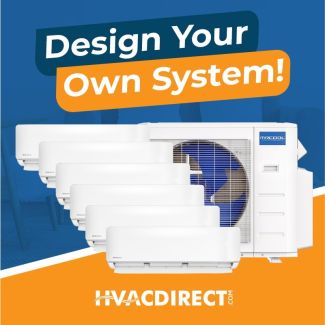 SAVE $322.80MRCOOL Design Your Own Six Zone Heat Pump System R454BModel: MRCOOL DIY Six Zone R454bWas $3,550.80Special Price $3,228.00
 -
 LG 6 Zone Mini Split System - Design Your Own R32Model: LG 6 Zone R32Was $5,184.23Special Price $3,405.35
 -
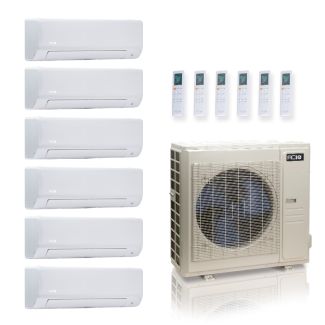
 SAVE $2,961.5148,000 BTU ACiQ Standard 24 SEER2 6 Zone Wall Mount Mini Split Heat Pump System - R454B | 230V - 6 + 6 + 6 + 6 + 6 + 6Model: ES-48Z-M6C / ACIQ-06W-HH-MD-6Was $8,461.50Special Price $5,499.99
 - SAVE $2,988.4448,000 BTU ACiQ Standard 24 SEER2 6 Zone Wall Mount Mini Split Heat Pump System - R454B | 230V - 6 + 6 + 6 + 6 + 6 + 9Model: ES-48Z-M6C / ACIQ-06W-HH-MD-5 / ACIQ-09W-HH-MDWas $8,538.43Special Price $5,549.99
- SAVE $3,015.3748,000 BTU ACiQ Standard 24 SEER2 6 Zone Wall Mount Mini Split Heat Pump System - R454B | 230V - 6 + 6 + 6 + 6 + 9 + 9Model: ES-48Z-M6C / ACIQ-06W-HH-MD-4 / ACIQ-09W-HH-MD-2Was $8,615.36Special Price $5,599.99
- SAVE $3,042.2848,000 BTU ACiQ Standard 24 SEER2 6 Zone Wall Mount Mini Split Heat Pump System - R454B | 230V - 6 + 6 + 6 + 6 + 6 + 12Model: ES-48Z-M6C / ACIQ-06W-HH-MD-5 / ACIQ-12W-HH-MDWas $8,692.27Special Price $5,649.99
- SAVE $3,042.3048,000 BTU ACiQ Standard 24 SEER2 6 Zone Wall Mount Mini Split Heat Pump System - R454B | 230V - 6 + 6 + 6 + 9 + 9 + 9Model: ES-48Z-M6C / ACIQ-06W-HH-MD-3 / ACIQ-09W-HH-MD-3Was $8,692.29Special Price $5,649.99
- SAVE $3,069.2148,000 BTU ACiQ Standard 24 SEER2 6 Zone Wall Mount Mini Split Heat Pump System - R454B | 230V - 6 + 6 + 6 + 6 + 9 + 12Model: ES-48Z-M6C / ACIQ-06W-HH-MD-4 / ACIQ-09W-HH-MD / ACIQ-12W-HH-MDWas $8,769.20Special Price $5,699.99
- SAVE $3,069.2348,000 BTU ACiQ Standard 24 SEER2 6 Zone Wall Mount Mini Split Heat Pump System - R454B | 230V - 6 + 6 + 9 + 9 + 9 + 9Model: ES-48Z-M6C / ACIQ-06W-HH-MD-2 / ACIQ-09W-HH-MD-4Was $8,769.22Special Price $5,699.99
- SAVE $3,096.1348,000 BTU ACiQ Standard 24 SEER2 6 Zone Wall Mount Mini Split Heat Pump System - R454B | 230V - 6 + 6 + 6 + 6 + 6 + 18Model: ES-48Z-M6C / ACIQ-06W-HH-MD-5 / ACIQ-18W-HH-MDWas $8,846.12Special Price $5,749.99
- SAVE $3,096.1448,000 BTU ACiQ Standard 24 SEER2 6 Zone Wall Mount Mini Split Heat Pump System - R454B | 230V - 6 + 6 + 6 + 9 + 9 + 12Model: ES-48Z-M6C / ACIQ-06W-3 / ACIQ-09W-2 / ACIQ-12WWas $8,846.13Special Price $5,749.99
- SAVE $3,096.1648,000 BTU ACiQ Standard 24 SEER2 6 Zone Wall Mount Mini Split Heat Pump System - R454B | 230V - 6 + 9 + 9 + 9 + 9 + 9Model: ES-48Z-M6C / ACIQ-06W-HH-MD / ACIQ-09W-HH-MD-5Was $8,846.15Special Price $5,749.99
- SAVE $3,123.0648,000 BTU ACiQ Standard 24 SEER2 6 Zone Wall Mount Mini Split Heat Pump System - R454B | 230V - 6 + 6 + 6 + 6 + 9 + 18Model: ES-48Z-M6C / ACIQ-06W-HH-MD-4 / ACIQ-09W-HH-MD / ACIQ-18W-HH-MDWas $8,923.05Special Price $5,799.99
- SAVE $3,123.0548,000 BTU ACiQ Standard 24 SEER2 6 Zone Wall Mount Mini Split Heat Pump System - R454B | 230V - 6 + 6 + 6 + 6 + 12 + 12Model: ES-48Z-M6C / ACIQ-06W-HH-MD-4 / ACIQ-12W-HH-MD-2Was $8,923.04Special Price $5,799.99
- SAVE $3,123.0748,000 BTU ACiQ Standard 24 SEER2 6 Zone Wall Mount Mini Split Heat Pump System - R454B | 230V - 6 + 6 + 9 + 9 + 9 + 12Model: ES-48Z-M6C / ACIQ-06W-2 / ACIQ-09W-3 / ACIQ-12WWas $8,923.06Special Price $5,799.99
- SAVE $3,123.0948,000 BTU ACiQ Standard 24 SEER2 6 Zone Wall Mount Mini Split Heat Pump System - R454B | 230V - 9 + 9 + 9 + 9 + 9 + 9Model: ES-48Z-M6C / ACIQ-09W-HH-MD-6Was $8,923.08Special Price $5,799.99
-
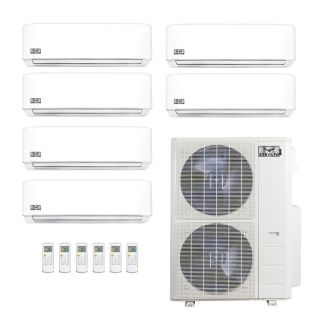 SAVE $4,475.4948,000 BTU Stealth DIYCOOL 21.8 SEER2 6 Zone Wall Mount Mini Split Heat Pump System R454B | 230V 6 + 6 + 6 + 6 + 6 + 6Model: EZ-48Z-M5B / EZ-06W-MB-6Was $10,317.48Special Price $5,841.99
 - SAVE $3,149.9948,000 BTU ACiQ Standard 24 SEER2 6 Zone Wall Mount Mini Split Heat Pump System - R454B | 230V - 6 + 6 + 6 + 9 + 9 + 18Model: ES-48Z-M6C / ACIQ-06W-3 / ACIQ-09W-2 / ACIQ-18WWas $8,999.98Special Price $5,849.99
- SAVE $3,149.9848,000 BTU ACiQ Standard 24 SEER2 6 Zone Wall Mount Mini Split Heat Pump System - R454B | 230V - 6 + 6 + 6 + 9 + 12 + 12Model: ES-48Z-M6C / ACIQ-06W-3 / ACIQ-09W / ACIQ-12W-2Was $8,999.97Special Price $5,849.99
- SAVE $3,150.0048,000 BTU ACiQ Standard 24 SEER2 6 Zone Wall Mount Mini Split Heat Pump System - R454B | 230V - 6 + 9 + 9 + 9 + 9 + 12Model: ES-48Z-M6C / ACIQ-06W-HH-MD / ACIQ-09W-HH-MD-4 / ACIQ-12W-HH-MDWas $8,999.99Special Price $5,849.99
- SAVE -$1,017.0148,000 BTU Stealth DIYCOOL 21.8 SEER2 6 Zone Wall Mount Mini Split Heat Pump System R454B | 230V 6 + 6 + 6 + 6 + 6 + 9Model: EZ-48Z-M5B / EZ-06W-MB-5 / EZ-09W-MBSpecial Price $5,896.99
- SAVE $3,176.9048,000 BTU ACiQ Standard 24 SEER2 6 Zone Wall Mount Mini Split Heat Pump System - R454B | 230V - 6 + 6 + 6 + 6 + 12 + 18Model: ES-48Z-M6C / ACIQ-06W-HH-MD-4 / ACIQ-12W-HH-MD / ACIQ-18W-HH-MDWas $9,076.89Special Price $5,899.99
6 Zone mini split air conditioner systems
A 6 zone mini split system is a great way to heat and cool up to six different rooms in your home from one outdoor unit.
The system delivers heating or cooling where you need it through small lines that connect each indoor unit to the outdoor condenser. Each room has its own indoor unit and thermostat, so you can set the temperature to the preferred level in each space.
Browse Products By Our Top Brands

What spaces are ideal for 6 zone mini split systems?
For 2,200 to 3,500 square foot, well-insulated homes with normal 8- to 10-foot ceilings, this system is great when 6 separate areas need separate climate control.
-
Whole-Home Ductless Replacements: One of the most common uses for a 6 zone mini split is replacing a whole-home heating and cooling system in houses with old or failing ductwork, or no ducts at all. It can heat and cool the entire home without the cost of major duct installation or repairs.
-
Large Homes with Many Daily-Use Rooms: If you have a larger home with lots of rooms you use every day, like bedrooms, living rooms, or a home office, a sextuple mini split lets you heat or cool just the rooms you need instead of running the system for the entire house.
-
Properties with Multiple Finished Bonus Spaces: These systems are great for homes with extra spaces like finished basements, garages, attics, workshops, or enclosed patios, which often only need heating or cooling when they are being used.
-
Rental Homes or Shared Living Arrangements: If you have roommates, kids, or a shared living situation, these systems let everyone control the temperature in their own room, so everyone stays comfortable.
-
Multi-Tenant or Commercial Spaces: Six zone mini split systems are also a common solution for duplexes, small apartment buildings, offices, salons, studios, and other multi-room commercial spaces where separate temperature control in each area improves comfort and energy efficiency.
Open floor plans, rooms with high ceilings, poor insulation, excessive sun exposure, leaky windows, and other layout or environmental factors can reduce efficiency and make a 6 zone mini split system work harder to maintain comfort.
Can I install a 6 zone mini split?
Some property owners choose to install these systems themselves, while others prefer to hire a professional. The best option often depends on your experience level, project timeline, budget, and the complexity of the building layout.
-
DIY Installation: Some systems include pre-charged or pre-sealed line sets that allow homeowners to handle much of the physical installation themselves, including mounting indoor units, running line sets, and managing drainage, though refrigerant work such as pressure testing and system startup still typically requires a licensed HVAC professional. Electrical work is separate from the HVAC installation and must meet local code requirements, often requiring a licensed electrician.
-
Professional Installation: Professional installation is the most common choice for larger multi-zone systems, with a licensed HVAC technician handling the full process including refrigerant connections, pressure testing, evacuation, and system startup. It may also provide access to lower contractor equipment pricing, with labor costs quoted separately.
Because many 6 head ductless systems require permits and a dedicated high-voltage circuit, local code compliance and electrical work should be handled according to applicable regulations, often by a licensed electrician.
How much do 6 zone mini split systems cost?
Factoring in equipment, installation, and labor, these systems cost between $6,000 and $15,000+, though pricing varies significantly based on brand, efficiency rating, installation complexity, and whether you choose DIY or professional installation.
-
Equipment Cost: $4,000 to $12,000+, with the final price driven by the brand, total BTU capacity, SEER2 efficiency rating, and the specific indoor air handler styles (like wall-mount or ceiling cassette) chosen for the six zones.
-
Installation and Labor Cost: $4,000 to $7,000+ for professional installation, though pricing varies based on region, accessibility, electrical requirements, and line set length. DIY installations have no labor and little to no installation costs.
-
Operation and Maintenance Cost: $60 to $150 per month for electricity, depending on efficiency level, frequency of use, local electricity rates, and climate. Maintenance costs are generally low; most filters are washable and many units include self-cleaning features, though budgeting for an annual professional cleaning, $100 to $300+, is recommended, with costs varying based on whether any repairs are needed.
Since this system is complex and requires inspections for electrical, building, and mechanical codes, permits are required and cost anywhere between $200 to $1,000.
What indoor unit styles are available for 6 zone mini splits?
You can choose from four types of indoor units for your sextuple room AC units: wall mount, ceiling cassette, slim ceiling cassette, and floor mount.
-
Wall Mounted Air Handlers: The most common and least expensive indoor unit option for 6 zone systems, wall mounted units mount high on the wall and work well in bedrooms, offices, and living spaces across all six zones.
-
Ceiling Cassette Air Handlers: Installed flush into the ceiling to distribute air in four directions, ceiling cassettes are a strong choice for any of the six zones that cover larger, open areas like living rooms or dining spaces, where a wall-mounted unit would be too visible or less effective.
-
Slim Ceiling Cassette: A lower-profile version of the standard cassette designed for any of the six zones where ceiling depth is too shallow for a full cassette to fit, offering the same clean, recessed look and multi-directional airflow in a more compact form.
-
Floor Mounted Air Handlers: Situated low on the wall rather than high, floor mounted units are well-suited for any of the six zones with large windows, sloped ceilings, or limited wall space, and deliver heat closer to the floor for faster warmth in cooler rooms. Some specific varieties of these indoor units, often called universal floor/ceiling units can be suspended from the ceiling as well.
You can mix and match different types of indoor units across zones to fit your home's layout, combining options like wall-mounted units in bedrooms, a ceiling cassette in the living room, and a floor-mounted unit in a sunroom. Many pre-configured systems include the same air handler style across all zones, but if you want a fully customized setup, the Build Your Own Mini Split System option lets you select a different indoor unit type for each room.
What BTU sizes are available for 6 zone mini splits?
You can choose any size ranging from 48,000 to 55,000+ BTU, which covers about 2,300 to 3,000+ square feet total and includes six indoor units sized between 6,000 and 24,000 BTU for rooms averaging 250 to 1,500 square feet.
-
48,000 BTU (2,300 to 2,600 sq. ft.): The most common size, covering a mid-size home where each of the six zones averages 300 to 400 sq ft, such as a home with four bedrooms, a living room, and a kitchen.
-
55,000 BTU (2,600 to 3,000+ sq. ft.): A larger six zone system is designed for bigger homes where several zones cover spaces that are open-concept or hard to heat and cool.
For example, you could pair a 48,000 BTU outdoor unit with four 9,000 BTU indoor units and two 6,000 BTU units, covering everything from small bedrooms to a mid-size living room. Indoor units are selected based on the size and load of each room, and their combined BTU capacity can equal or slightly exceed the outdoor unit’s rating because not all zones run at full output at the same time.
What power requirements do 6 zone mini splits need?
A six room AC system requires a dedicated electrical circuit and proper disconnect hardware, though exact requirements vary by model and local code.
-
Voltage & Amperage: Most systems operate on 208/230V to 240V single-phase power and typically draw 30 to 50+ amps, depending on system size.
-
Dedicated Circuit Breaker: A dedicated 30A to 60A double-pole breaker is commonly required, depending on the system.
-
Wire Gauge: Wire size and type vary by system and installation conditions, though most need 8-gauge or 10-gauge copper wire for the main outdoor unit. Always follow the manufacturer’s specifications and local electrical codes.
-
Disconnect Box: A weatherproof disconnect box rated for 60 amps should be installed next to the outdoor unit, so you can safely shut off power for maintenance.
-
Branch Box: Some 6 zone systems require a branch box depending on the manufacturer, design, and number of zones, while others, including certain ACiQ models, may not.
Each system can have different electrical requirements depending on the brand and model, so you should always follow the Minimum Circuit Ampacity (MCA) and Maximum Overcurrent Protection (MOP) values listed on the equipment nameplate and have a licensed installer confirm local code requirements.

Why You Need an ACiQ Smart Toilet
ACiQ smart toilets combine modern design with advanced hygiene and comfort features to transform everyday bathroom routines. In this guide, we explore how smart toilets work, what premium features to look for, and why ACiQ models stand out for homeowners seeking luxury performance at an accessible...
Read more February 4, 2026
2025 Wood Burning Fireplaces Buying Guide: Types, Installation, and Best Brands for Your Home
Considering a wood burning fireplace? This quick guide compares radiant front, circulating, and EPA-approved high-efficiency models—how they heat, what they cost, and when each is the best choice. Learn key installation basics (clearances, chimney/venting, permits), sizing tips, and smart...
Read more September 24, 2025
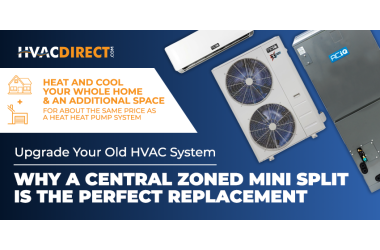
Upgrade Your Old Central AC: Why a Central Zoned Mini Split Is the Perfect Replacement
Upgrading from an old central AC system? A central zoned mini split is the smart replacement that combines the familiar comfort of ducted air with the flexibility of ductless zones. With one powerful outdoor unit, you can heat and cool your main living areas plus add independent comfort to garages,...
Read more September 23, 2025
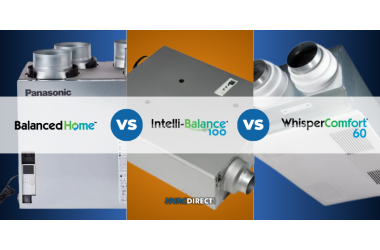
Top 3 Panasonic Energy Recovery Ventilator (ERV) Series of 2025
Looking for the best ERV for your home in 2025? Panasonic offers three top-rated series—BalancedHome™, Intelli-Balance®, and WhisperComfort®—each designed to improve indoor air quality while reducing energy costs. In this guide, we review features, applications, and real homeowner feedback so you...
Read more September 16, 2025

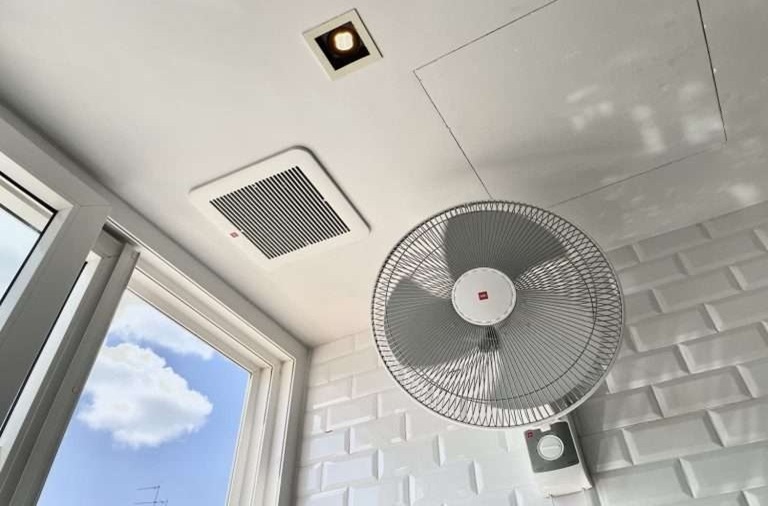
Frequently Asked Questions
For minimal noise, choose a larger-diameter fan so it can run at lower speed while still moving sufficient air. Also ensure proper installation (tight hardware, clean blades, minimal obstructions) for best results.
We offers a wide selection—from compact bathroom exhaust fans to ceiling models to whole-house systems. A good start is assessing the scope of the space (single room vs entire home), airflow requirements, ducting configuration, and whether you need inline or dedicated ventilation. Our experts can help you calculate the proper CFM (cubic feet per minute) and recommend the perfect unit for your specific application. Send us an email or Contact our customer service team and we'll be happy to help you out.
Not usually. Many fans are energy efficient and only run when needed. Some models even integrate with sensors (humidity, motion) so they turn on and off automatically.
You can use it all year. In summer it removes humid air; in winter it can help distribute warm air or manage air changes in sealed homes. Many homeowners install fans with sensors to activate only when needed.
For optimal performance, clean your fan blades and grille every 6–12 months. Dust and debris can restrict airflow and increase noise. Some models feature easy-access panels that make maintenance simple and quick.