Your cookie preferences
We use cookies to remember your preferences and understand how shoppers use our site, helping us improve your shopping experience.
Read our privacy policy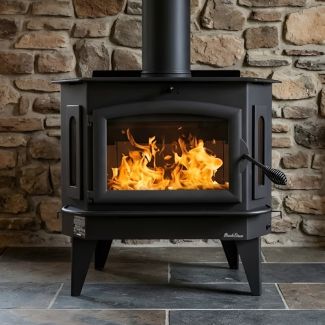
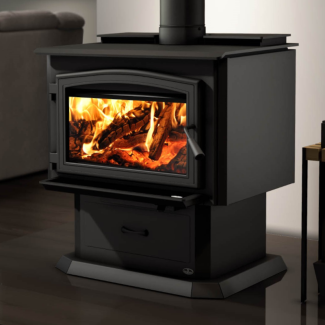
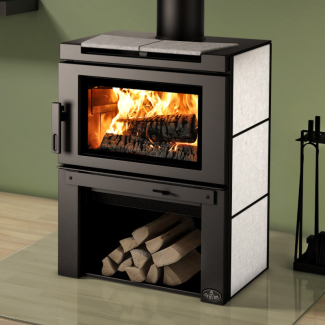
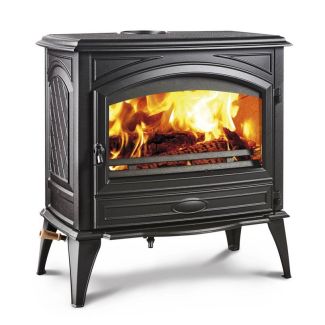
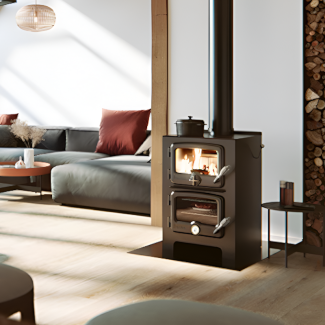
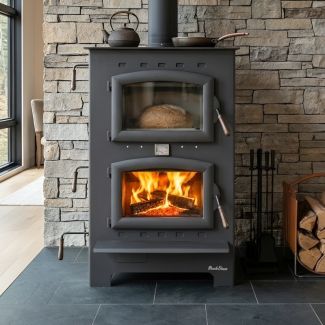
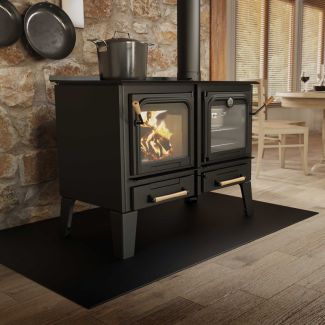
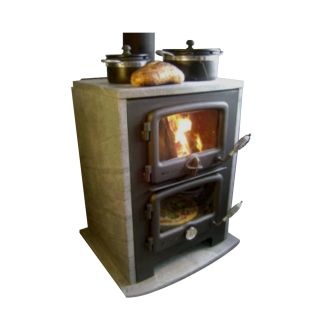
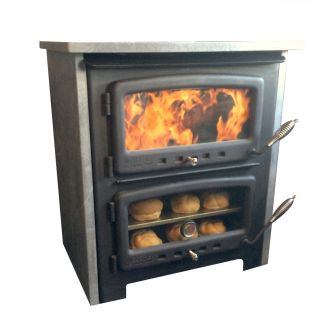
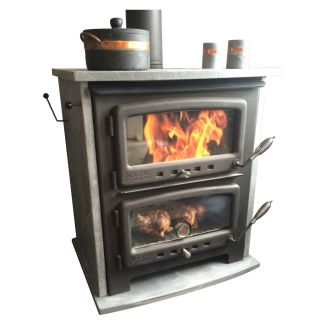
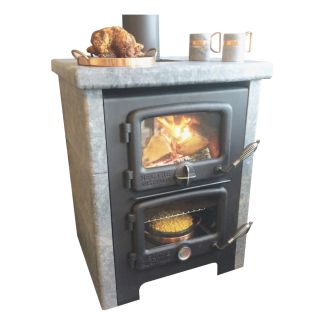
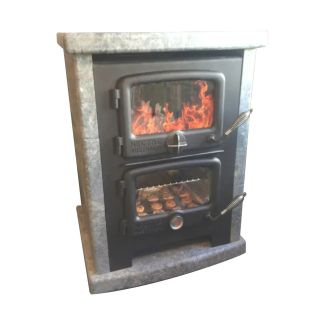
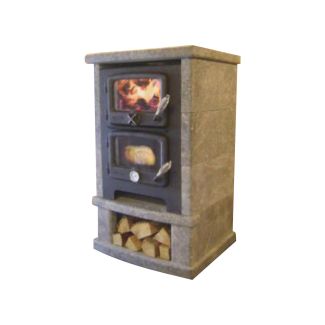
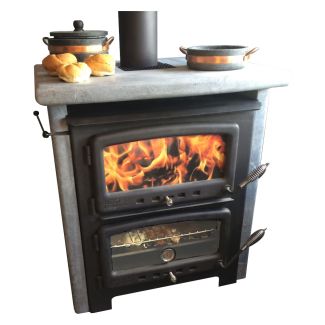
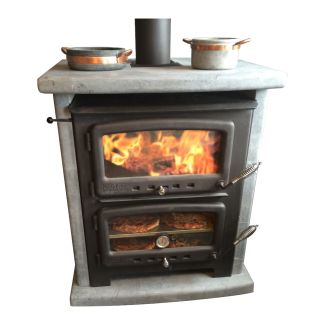
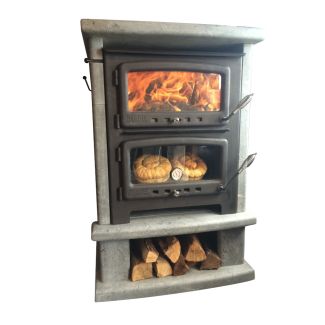
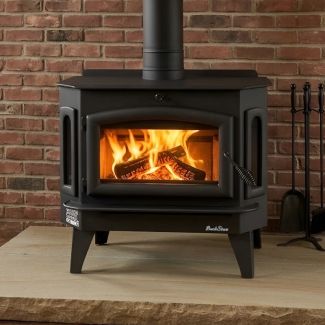
Choosing the right wood stove size is essential for efficient home heating and energy savings. Wood stoves are typically categorized as SMALL, MEDIUM, or LARGE based on their heating capacity. SMALL wood stoves are designed to heat rooms or smaller homes up to 1,500 square feet, while MEDIUM stoves can handle areas up to 2,500 square feet. LARGE wood stoves are best suited for homes with open floor plans or spaces exceeding 2,500 square feet. Keep in mind that a stove’s heating performance can vary depending on the type of firewood used, insulation quality, ceiling height, and the layout of your space. At HVACDirect.com, we offer a wide selection of EPA-certified wood stoves to match the size and heating needs of any home.
Yes, a hearth pad is required under all wood burning stoves to protect your flooring by insulating against heat and preventing sparks or embers from causing damage. Installing a proper hearth pad ensures safety and compliance with building codes when setting up your stove.
A blower is an excellent addition that helps increase the heat output and efficiency of your wood stove, fireplace, or insert by circulating warm air more effectively. While most appliances can operate without a blower, adding one is beneficial if you want to distribute heat faster and more evenly throughout your space. If additional heating isn’t necessary, you can run your stove without a blower just fine.
Wood stoves typically use black stove pipe that runs from the stove to the wall or ceiling. From there, the pipe must connect to a masonry chimney or transition to a Class A chimney pipe designed to safely handle high temperatures and exhaust gases. Choosing the right chimney components ensures safe and efficient venting of your wood stove.
Our dedicated staff works hard to ensure that all orders are handled quickly and efficiently to ensure that you get what you ordered as quickly as possible.
We provide a secure online shopping experience to protect your information. We also provide the option to checkout with PayPal to allow you to use a checkout service you are familiar with.
We provide you great prices so you can save your money for the more important things in your life.
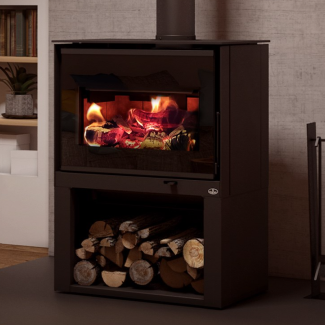
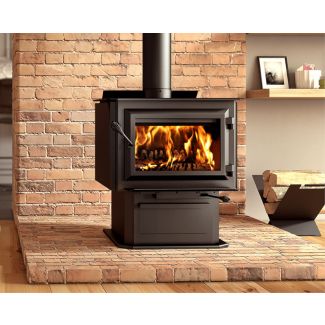
Selecting the right size freestanding wood burning fireplace is crucial for efficient heating and energy savings. These fireplaces are generally categorized as SMALL, MEDIUM, or LARGE based on their heating capacity. SMALL models are ideal for heating rooms or smaller homes up to 1,500 square feet, MEDIUM units cover spaces up to 2,500 square feet, and LARGE fireplaces work best in open floor plans or homes over 2,500 square feet. Heating performance can vary depending on factors like firewood type, insulation, ceiling height, and room layout. HVACDirect.com offers a wide range of EPA-certified freestanding wood fireplaces to fit any space and heating need.
Yes, select freestanding wood burning fireplaces that meet government efficiency standards and EPA certification qualify for a federal tax credit of up to 30% of purchase and installation costs under the Energy Efficient Home Improvement Credit, valid through December 31, 2025. To qualify, models must have at least 75% thermal efficiency. Qualifying fireplaces are clearly marked on HVACDirect.com product pages, and you can also view all eligible units at https://hvacdirect.com/stoves/tax-credit-stoves.html.
Yes, a hearth pad is essential under all freestanding wood burning fireplaces to protect your flooring from heat damage and prevent sparks or embers from causing fires. Installing the proper hearth pad helps maintain safety and ensures compliance with building codes during your fireplace setup.
A blower is a great accessory for a freestanding wood burning fireplace, helping to increase heat output and improve efficiency by circulating warm air more evenly throughout your room. While most fireplaces can operate without a blower, adding one can help distribute heat faster and more effectively. If you don’t need extra heat circulation, your fireplace will still work well without a blower.
Freestanding wood burning fireplaces typically connect to your chimney system using black stove pipe that runs from the unit to the wall or ceiling. From there, the pipe must connect to a masonry chimney or transition to a Class A chimney pipe designed to safely handle the high temperatures and exhaust gases produced. Choosing the right chimney components ensures safe, efficient venting and optimal fireplace performance.