Your cookie preferences
We use cookies to remember your preferences and understand how shoppers use our site, helping us improve your shopping experience.
Read our privacy policy


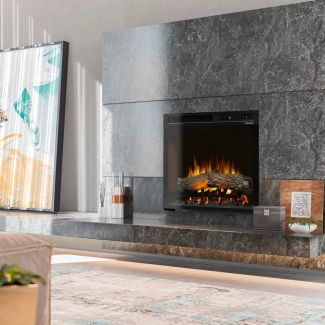


An electric fireplace is a heating appliance that uses electricity to create realistic flame effects and supplemental heat without burning wood, natural gas, or propane. Electric fireplaces are available in wall mounted, built-in, insert, and freestanding designs, making them suitable for a wide range of residential spaces. They are commonly chosen for their ease of installation, low maintenance requirements, and ability to provide year-round flame effects.
This kind of fireplace operates by using LED, high definition LCD, and holographic technology to simulate the appearance of a real fire. Most models include an integrated electric heater that warms the room by heating air and circulating it into the living space. Because no combustion occurs, electric fireplaces do not require chimneys, gas lines, or venting systems. Many units allow users to operate the flame effects with or without heat, providing ambiance throughout the year.
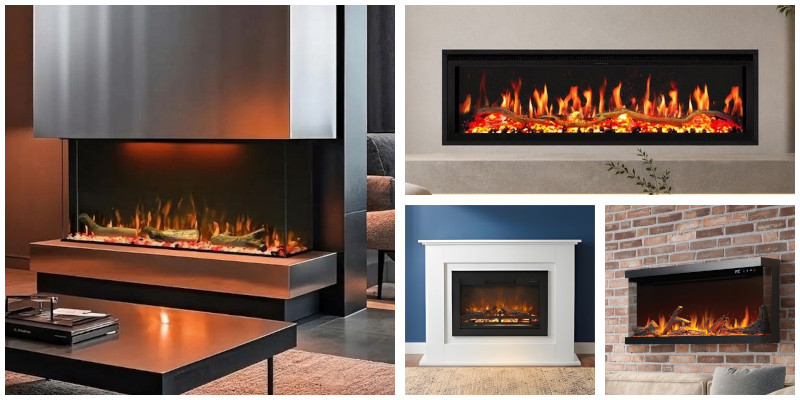



An electric fireplace is a heating appliance that uses electricity to create realistic flame effects and supplemental heat without burning wood, natural gas, or propane. Electric fireplaces are available in wall mounted, built-in, insert, and freestanding designs, making them suitable for a wide range of residential spaces. They are commonly chosen for their ease of installation, low maintenance requirements, and ability to provide year-round flame effects.
This kind of fireplace operates by using LED, high definition LCD, and holographic technology to simulate the appearance of a real fire. Most models include an integrated electric heater that warms the room by heating air and circulating it into the living space. Because no combustion occurs, electric fireplaces do not require chimneys, gas lines, or venting systems. Many units allow users to operate the flame effects with or without heat, providing ambiance throughout the year.
Among the main benefits that electric fireplaces provide are supplemental heat and realistic flame effects without the venting, fuel storage, or maintenance requirements associated with traditional fireplaces. They are a popular choice for homeowners who want convenient heating and year-round visual appeal.
Supplemental Heating: These units provide additional heat for individual rooms and living spaces. This targeted heating approach can improve comfort in frequently occupied areas.
Easy Installation: Most models require only a standard electrical connection to operate. Many models can be wall mounted, recessed, inserted into existing openings, or placed as freestanding units with minimal installation work.
Low Maintenance: These units do not produce ash, soot, or creosote. As a result, they require significantly less maintenance than wood-burning fireplaces and many other heating appliances.
No Venting Required: Because electric fireplaces do not burn fuel, they do not produce combustion gases. This eliminates the need for chimneys, vent pipes, or dedicated exhaust systems.
Energy-Efficient Heating: These appliances convert electricity directly into heat within the room at 99% efficiency. This makes them an effective option for supplemental heating in areas where additional warmth is needed.
Superior Safety: Electric fireplaces operate without open flames, combustible fuel storage, or combustion byproducts. Many models also include built-in safety features such as overheat protection and automatic shutoff functions.
Decorative Ambiance: Modern units create realistic flame effects that enhance the appearance of a room. Many units allow the flame display to operate independently of the heater, providing year-round ambiance.
Electric fireplaces are well suited for homeowners seeking convenient supplemental heat and attractive flame effects. Their simple installation, low maintenance requirements, and vent-free operation make them a versatile option for many residential spaces.
These fireplaces are highly versatile because they do not require venting, gas lines, or chimneys. This flexibility allows them to be installed in a wide variety of spaces where traditional fireplaces may not be practical.
Restaurants and Hospitality: These units are an excellent addition to restaurants, hotels, cafés, lounges, and guest reception areas. They help create a warm, inviting atmosphere while providing the visual appeal of a traditional fireplace without requiring venting or a chimney.
Bedrooms: Electric fireplaces are a popular addition to bedrooms because they provide supplemental heat and visual comfort without requiring fuel storage or venting. Many models offer adjustable heat settings for personalized comfort.
Living Rooms: Among the more common installation locations for electric fireplaces are living rooms. They serve as both a heating solution and a decorative focal point for gathering spaces.
Apartments: These multi-family dwellings are well suited because units typically require only an electrical outlet for operation. Their vent-free design makes installation easier in properties with limited modification options.
Basements: Electric fireplaces can help add warmth and ambiance to lower-level spaces like basements. Wall mounted, recessed, and built-in models provide flexible installation options for these spaces.
Bathrooms: Certain units are suitable for bathroom installation when installed according to manufacturer guidelines and local electrical codes. They can enhance comfort while creating a spa-like atmosphere.
Mobile Homes: Many electric fireplaces are a practical heating and decorative option for mobile homes. Their simple installation requirements make them easier to incorporate into a variety of floor plans.
Outdoor Spaces: Outdoor-rated fireplaces can be installed in covered patios, outdoor living areas, and entertainment spaces. These specialized units are designed to withstand environmental conditions that indoor-only models cannot.
These fireplaces can fit into almost any room where electrical service is available. The ideal location depends on the fireplace design, heating requirements, and whether the unit is rated for indoor or outdoor use.
Electric fireplaces are available in several configurations designed to fit different installation requirements and design preferences. Choosing the right type depends on the available space, desired appearance, and how the fireplace will be incorporated into the room.
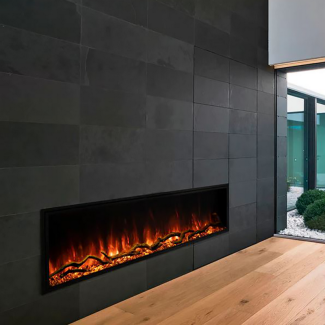
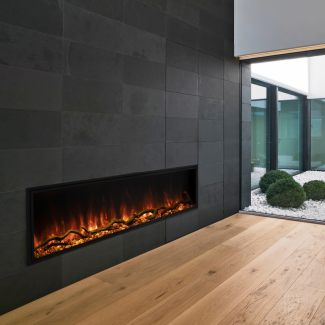
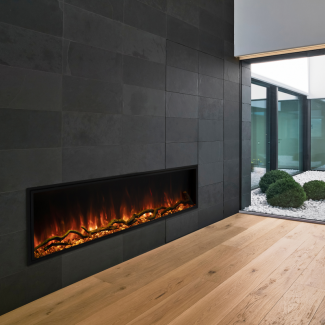
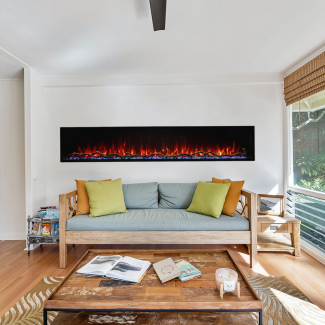
Linear Fireplaces: These electric fireplaces feature a wide, horizontal design that creates a modern appearance. Linear versions are commonly installed in contemporary living rooms, media walls, and open-concept spaces.
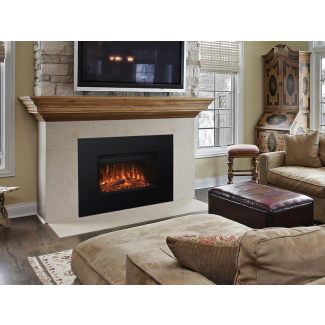
Electric Inserts: They provide updated heating and flame effects without the venting and maintenance requirements of traditional fireplaces. Electric fireplace inserts are designed to fit inside an existing fireplace opening.
Fireplace TV Stands: These combination furniture pieces offer supplemental heat while providing storage space and support for televisions and media equipment. Fireplace TV stands combine an electric fireplace with an entertainment center.
Wall Mounted Fireplaces: This style is popular in apartments, bedrooms, offices, and modern living areas. Wall mounted electric fireplaces attach directly to a wall surface and require minimal floor space.
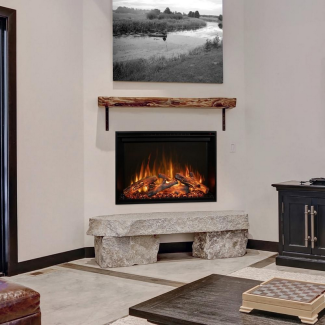
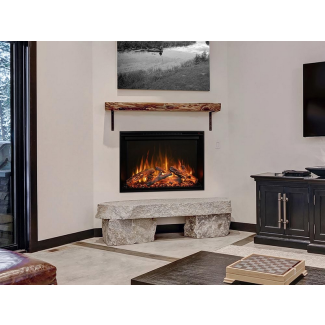
Corner Fireplaces: This angled configuration helps maximize floor space while creating an attractive focal point. Corner electric fireplaces are specifically designed to fit into room corners.
Electric Log Sets: These drop-in assemblies are an easy way to upgrade an unused fireplace without major remodeling. Electric log sets are placed inside existing fireplace openings to create realistic flame effects.
Built-In Fireplaces: This flush-fit style is often used in new construction projects, renovations, and custom media wall installations. Built-in electric fireplaces are recessed into a wall or custom enclosure for a seamless appearance.
Selecting the right electric fireplace configuration depends on your available space, installation goals, and preferred design style. Comparing installation requirements and visual appearance can help ensure the fireplace complements both the room and your heating needs.
The best electric fireplace features improve convenience, realism, heating performance, and safety. Prioritizing these features can help you choose a model that delivers both comfort and visual appeal.
Remote Control and Smart Controls: Some advanced fireplaces offer smart controls that enable operation through mobile apps or home automation systems. Remote controls allow users to adjust heat settings, flame effects, and timers from anywhere in the room.
Ember Bed Effects: Many configurations offer multiple ember bed colors and brightness settings for additional customization. Ember bed lighting enhances the appearance of the fireplace by creating the look of glowing embers beneath the flames.
Realistic Flame Effects (LED/LCD/Holographic): Higher-end models often provide adjustable flame colors, brightness levels, and flame patterns. Modern electric fireplaces use LED, LCD, or advanced holographic flame projection technologies to create highly realistic fire displays.
Heating Capability (5,000 BTU vs 10,000 BTU): Standard models often produce around 5,000 BTUs, while larger or higher-voltage units can deliver up to 10,000 BTUs for larger spaces. Heating capacity determines how much supplemental heat the fireplace can provide.
Safety Features: Common options include overheat protection, cool-touch glass, automatic shutoff functions, and timer controls. Safety features help protect both the appliance and occupants during operation.
The right combination of features depends on your heating requirements, installation plans, and desired fireplace appearance. Comparing flame realism, heating output, control options, and safety features can help you select the best electric fireplace for your space.
Beyond features and fireplace styles, several sizing and installation factors can influence which electric fireplace is the best fit for your home. Reviewing these requirements before purchase can help ensure proper performance, appearance, and installation compatibility.
Electric Fireplace Dimensions: Measuring the available installation space helps ensure the physical unit fits properly and complements the room layout. Electric fireplaces are available in a wide range of widths, heights, and depths.
Heating Capacity: Choosing a model with the appropriate output helps maintain comfort without underheating or overheating the space. Heating capacity determines how much supplemental heat the fireplace can provide.
Electrical Requirements: Most electric fireplaces operate on standard 120V household power, while some larger models require 240V electrical service. Confirming electrical requirements before purchase helps avoid installation issues.
Room Location: The installation location can affect both appearance and heating effectiveness. Living rooms, bedrooms, basements, and other frequently occupied areas are common locations for electric fireplaces.
Mounting Requirements: Installation requirements vary by fireplace type. Wall mounted, built-in, recessed, and freestanding models each require different mounting methods and clearances.
Room Size: Expansive environments often require fireplaces with greater heating capacity than smaller spaces. Room size plays an important role in selecting an electric fireplace with the proper heating output.
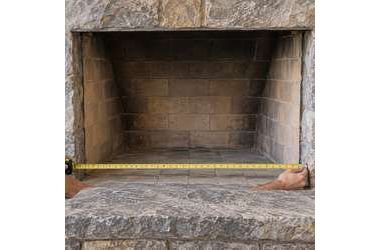
Existing Fireplace Dimensions: For electric inserts and electric log sets, the dimensions of the existing fireplace opening must be measured carefully. Proper sizing helps ensure a secure fit and a finished appearance.
Taking accurate measurements and verifying installation requirements before purchase can help prevent costly modifications later. Matching the fireplace to the room, electrical service, and available space will help maximize both performance and appearance.
Several leading manufacturers offer electric fireplaces with different design styles, flame technologies, and installation options. Comparing reputable brands can help you find the right balance of performance, appearance, and features for your space.
Buck Stove: This manufacturer is known for producing dependable hearth products with a focus on residential comfort and durability. Buck Stove offers electric fireplaces designed to provide supplemental heat and attractive flame presentations.
Modern Flames: Many of this supplier’s models feature customizable flame colors, ember bed lighting, and smart control capabilities. Modern Flames specializes in contemporary electric fireplaces with sleek linear designs and advanced flame technologies.
Dimplex: This company offers a broad selection of inserts, built-in fireplaces, and wall mounted units for a variety of applications. Dimplex is widely recognized for innovative electric fireplace technology and realistic flame effects.
Napoleon: A lineup including modern and traditional designs with multiple installation configurations is something for which this company is known. Napoleon manufactures premium electric fireplaces that combine strong visual appeal with reliable heating performance.
SimpliFire: This noted manufacturer offers linear, built-in, and insert models that emphasize convenience and realistic flame displays. SimpliFire focuses on user-friendly electric fireplaces that are designed for straightforward installation and operation.
Amantii: Many products from this supplier feature multicolor flame effects, decorative media choices, and flexible installation capabilities for modern living spaces. Amantii is known for contemporary electric fireplaces with extensive customization options.
The best electric fireplace brand depends on your preferred style, installation requirements, and desired features. Comparing flame realism, heating performance, control options, and available configurations can help identify the ideal model for your home.
The total upfront investment cost of an electric fireplace is variable and can range from $850 to $11,000+. This cost includes the unit itself, any installation work, and the long-term cost of operating and maintaining the appliance. Costs vary based on fireplace type, size, heating capacity, and installation requirements. Prices concerning electric fireplaces here and below are estimates that are subject to change and are not guaranteed costs. It is best to consult an HVAC professional or HVACDirect.com specialist for all other variable costs related to installation, labor, contractor and utility rates, and system accessories.
Fireplace Cost: Unit pricing varies by style, size, brand, and feature set, but HVACDirect.com listings range from $350 to $9,800. Basic electric fireplaces are generally more affordable than premium built-in, linear, and large-format models that include advanced flame effects, smart controls, and enhanced customization options.
Installation Cost: Plug-in models often require no install costs, so a DIY installation is typically free. Built-in and recessed fireplaces may require electrical work, framing, and finish carpentry that can range from $350 to $1,100+. Installation costs depend on whether the fireplace is freestanding, wall mounted, recessed, built-in, or installed as an insert.
Operation and Maintenance Cost: Ongoing expenses for operation are primarily related to electricity usage, with moderate use going from $15 to $35 in monthly costs. Maintenance costs are often $0. The only costs are for fireplace repair ($100 to $200 for labor), parts replacement ($0 to $30) or whole fireplace replacement (~$400 to $9,000+). Electric fireplaces typically have lower operating and maintenance costs than many fuel-burning fireplace options because they do not require vent cleaning, chimney maintenance, or fuel purchases.
Electric fireplaces are often among the most cost-effective fireplace options because of their straightforward installation and minimal maintenance requirements. Comparing equipment costs, installation needs, and expected electricity consumption can help determine the best value for your budget.
At HVACDirect.com, homeowners, contractors, and property managers have access to a convenient way to compare and purchase electric fireplaces from leading brands. In addition to competitive pricing, the company provides resources and support that can simplify the entire buying process.
Technical Support: The platform provides access to knowledgeable product specialists who can help answer questions about fireplace sizing, installation requirements, features, and product selection. This support can help buyers choose a model that fits their specific application.
Excellent Customer Service: Responsive support representatives can help address order questions, product inquiries, and purchasing concerns. HVACDirect.com is committed to assisting customers before, during, and after the purchase process.
Fast Lead Times: Many inventory items ship quickly with accelerated processing and freight options. Faster lead times can help homeowners and contractors keep projects on schedule.
Free Shipping: Many available models qualify for free shipping. This benefit can help reduce the overall cost of purchasing a new fireplace.
110% Price Guarantee: This policy is designed to provide additional confidence when making a purchase. HVACDirect.com's 110% Price Guarantee helps ensure customers receive a competitive price on eligible products.
Contractor Friendly: The online catalog serves both homeowners and HVAC professionals with a broad product selection and industry expertise. In addition to customers, professional contractors can benefit from access to product information, wholesale-oriented pricing, and streamlined ordering.
Buying from HVACDirect.com provides access to leading electric fireplace brands, competitive pricing, and dedicated customer support. These advantages can help simplify the purchasing process while delivering value for both residential and professional buyers.

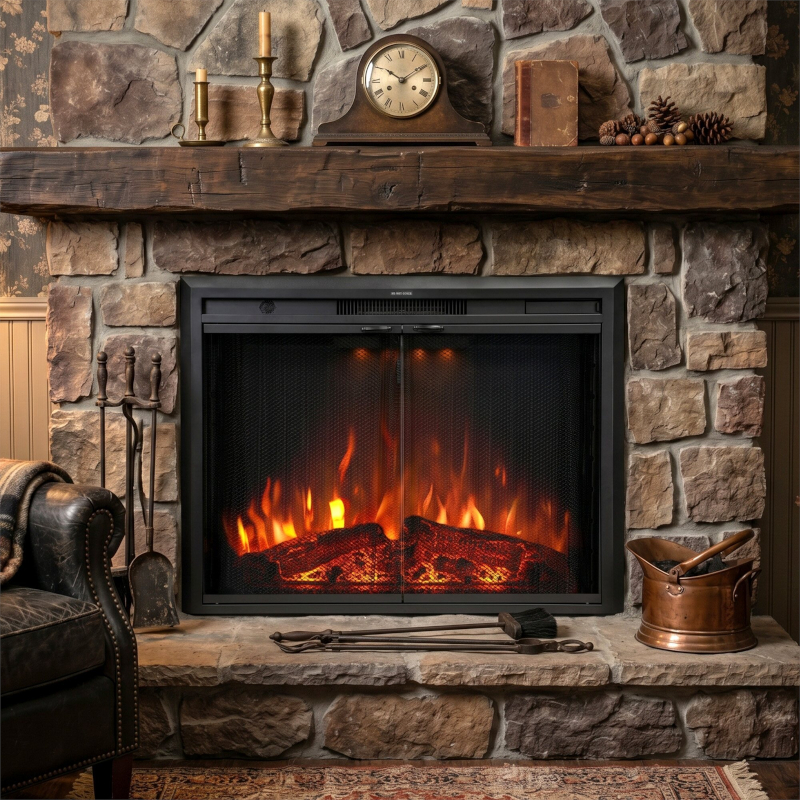
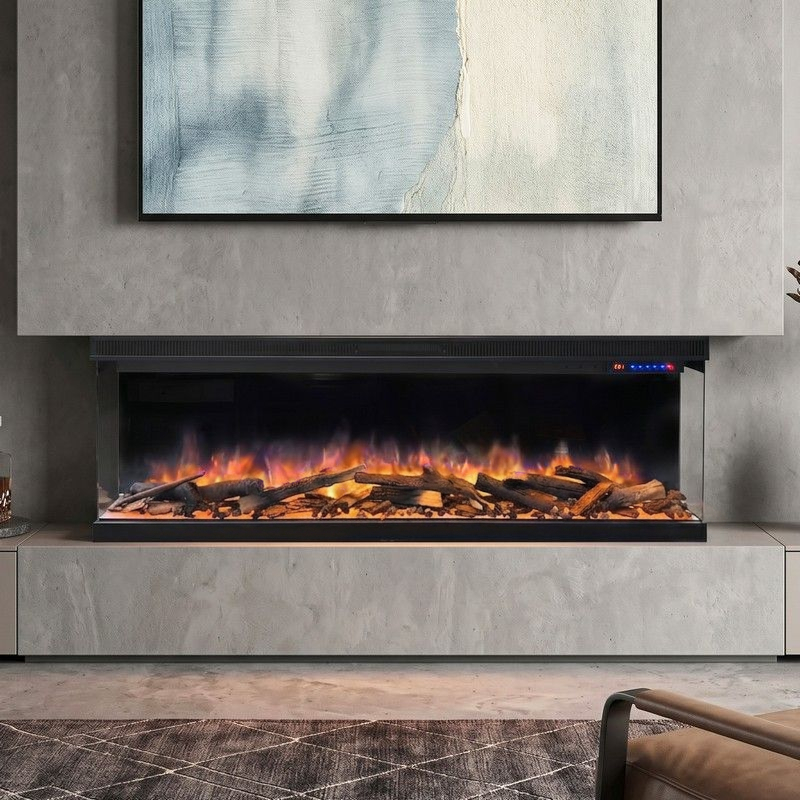
Most electric fireplaces include a built-in electric heater that provides supplemental heat for a room or living space. Common residential models produce about 5,000 BTUs of heat, while some higher-capacity units can deliver up to 10,000 BTUs when connected to the appropriate electrical service. Many electric fireplaces also allow the flame effects to operate without heat, providing year-round ambiance regardless of the season.
These fireplaces generally do not use a large amount of electricity compared to many major household appliances, especially when used as supplemental heat sources. Most models operate on standard 120-volt power and use electricity primarily for the heater and flame effects, with energy consumption increasing only when the heating function is active. Many units also allow the flame display to operate without heat, which uses significantly less electricity. Actual operating costs depend on heater settings, usage time, local utility rates, and the fireplace's heating capacity.
Electric fireplaces are considered one of the safest fireplace options because they operate without real flames, combustible fuel, or combustion gases. Most models include built-in safety features such as overheat protection, automatic shutoff functions, and cool-touch surfaces that help reduce the risk of accidental burns. Because they do not produce smoke, carbon monoxide, or creosote, electric fireplaces eliminate many of the safety concerns associated with wood-burning and gas fireplaces. Proper installation and following the manufacturer's operating instructions help ensure safe, reliable performance.
Turning on an electric fireplace is usually a simple process that requires pressing the power button on the unit, using the included remote control, or operating the fireplace through a compatible smart control system. Once powered on, you can typically adjust the flame effects, heat settings, brightness levels, and timer functions to your preference. Many models allow the flame display to operate independently from the heater, so you can enjoy the appearance of a fire without producing heat. The exact operating steps vary by model, so it is best to follow the manufacturer's instructions provided with the fireplace.
Electric fireplaces do not require venting because they do not burn fuel or produce combustion gases. Unlike wood-burning and gas fireplaces, electric models operate using electricity to create flame effects and supplemental heat, eliminating the need for a chimney, flue, gas line, or venting system. This vent-free design makes installation more flexible and allows electric fireplaces to be used in a wide variety of rooms and living spaces. Most models only require access to the appropriate electrical supply and sufficient airflow around the unit as specified by the manufacturer.
Installing an electric fireplace depends on the type of unit, but most models are designed for straightforward installation and require only an electrical connection to operate. Wall mounted units are attached to a wall using the manufacturer's mounting hardware, while built-in and recessed models require a framed opening that matches the fireplace dimensions. Electric inserts and log sets are typically placed inside an existing fireplace opening and connected to a nearby electrical outlet. Always follow the manufacturer's installation instructions and verify electrical requirements, mounting specifications, and clearances before operating the fireplace.
HVACDirect.com is a convenient place to buy electric fireplaces because it offers a wide selection of styles, brands, and installation configurations in one location. Shoppers can compare wall mounted, built-in, insert, linear, and freestanding electric fireplaces to find a model that matches their space and heating needs. HVACDirect.com also provides access to trusted brands, product specifications, and knowledgeable support to assist with product selection. Comparing features, dimensions, heating capacity, and installation requirements before purchase can help ensure the best fit for your home.
The most realistic electric fireplace is typically a high definition LCD or holographic model that uses advanced flame technology, customizable ember beds, and high-definition visual effects to closely replicate the appearance of a real fire. Features such as LED flame projections, multicolor flame settings, realistic logs, glowing embers, and adjustable brightness levels contribute to a more authentic fireplace experience. Brands such as Buck Stove, Dimplex, Modern Flames, SimpliFire, Napoleon, and Amantii offer models that emphasize flame realism through proprietary display technologies and extensive customization options. The most realistic option for your home depends on your preferred design, installation style, and visual features.
Electric fireplaces do not produce real flames because they do not burn wood, gas, or any other fuel. Instead, they use LED lighting, projection systems, LCD displays, or other visual technologies to create realistic flame effects that mimic the appearance of a traditional fire. Many modern models include adjustable flame colors, ember bed lighting, and brightness settings to enhance realism. Because the flames are simulated, electric fireplaces can provide visual ambiance with or without heat.
Cleaning an electric fireplace is a straightforward process that typically involves turning the unit off, unplugging it, and allowing it to cool before maintenance begins. The exterior surfaces, glass front, and air intake or outlet vents can usually be cleaned with a soft cloth to remove dust and debris. Because electric fireplaces do not produce ash, soot, or creosote, they require significantly less cleaning than wood-burning or gas fireplaces. Always follow the manufacturer's cleaning and maintenance instructions to help preserve performance and appearance.
Measure the height, front width, rear width, and depth of the existing fireplace opening before selecting an electric fireplace insert, as most fireplaces are narrower at the back. Record the dimensions at multiple points because some fireplace openings are not perfectly uniform from front to back or top to bottom. Compare those measurements to the manufacturer's minimum opening requirements to ensure the insert fits properly within the fireplace cavity. Also verify the location of a nearby electrical outlet and any clearance requirements specified by the insert manufacturer.