
Key Takeaways
- Efficient Heating and Cooling in One System: Heat pumps move heat instead of generating it, offering both heating and cooling for year-round comfort while lowering energy costs.
- Proper Use Prevents Common Problems: Avoid frequent thermostat changes, clear snow or ice buildup, and keep gutters from leaking onto outdoor units to prevent costly repairs.
- Routine Maintenance Extends Lifespan: Clean or replace filters monthly, clear debris around the condenser, and schedule annual professional service to keep your system efficient and reliable.
- Know When It’s Time to Upgrade: If your heat pump is over a decade old or frequently needs repairs, replacing it with a modern, energy-efficient model can save money and improve comfort.
Of all the sections of your HVAC system, the heat pump is often the most misunderstood and misused. This guide will run you through exactly what the heat pump is, what it does, and how you can use it to get the most out of your HVAC system.
What Is a Heat Pump
Understanding How Heat Pumps Work
First of all, you're going to need to know what your heat pump it is. It's essentially the outdoor portion of your HVAC system. Heat pump units are designed to draw in warm air from their surroundings, and transfer that air around your home or building. It draws the air in using electrical power and then uses that to push the air around your home. This is how you use your HVAC system to warm up a building during the colder months.
Heating and Cooling with a Single System
What's interesting about them, though, is that they can be used for cooling too. It does this by more or less working in reverse. Instead of drawing warm air in and sending it around the building, it draws warm air from the home and pushes it outside.
 How Heat Pumps Are Misused
Common Mistakes Homeowners Make
Heat Pump SystemHeat pumps are fine when they're properly used and maintained, but they often need repairing or replacing. This is because owners often don't know how to use them properly. Follow these tips to avoid causing unnecessary damage to your unit:
- In the colder months, ensure that you're going out and checking on the heat pump periodically. If there's excessive frost or ice on the machine, then it can stop it from working properly.
- Try not to use setbacks too often, if your heat pump condenser unit is a setback type. Try to have it setback twice a day, when you're at work and when you're asleep.
- Don't let the unit sit under a leaking gutter during the winter. The water leaking off the gutter can cause damage to the unit, in some cases making it freeze up entirely. Fix the gutter to ensure this doesn't happen.
- Try to keep the thermostat at one, steady temperature. Constant adjusting can increase the pressure on your heat pump, and increase utility bills.
- If your outdoor unit is covered in ice or snow, be careful when you remove it. Using sharp objects can damage the unit, as well as causing you personal injury.
How to Maintain Your Heat Pump
Regular Heat Pump Maintenance Tips
Now, you need to know how to maintain your condenser heat pump. If you maintain it properly, then you'll minimise the need for repairs or replacements, saving you time and money. Here's how you can maintain your heat pump and keep it running smoothly.
- Clean or replace filters once a month, or as needed. Dirty filters can minimise the pump's effectiveness, meaning you'll be paying more in utility bills, and possibly damaging the unit itself.
- Have a technician service your heat pump one a year. They can find any problems before they become big issues, and repair them there and then.
- Keep vegetation and clutter from around the heat pump. In the fall and winter, this may mean raking the ground around it as leaves start to fall.
- Clean the outdoor coils when they appear to be dirty. You'll need to turn the power off to the unit, in order to clean it safely.
Buying a New Heat Pump
When to Replace Your Heat Pump
Eventually, no matter how well you maintain your heat pump, you're going to need to replace it. The best thing to do in this instance is to hire a technician to help you do this. They'll be certified in HVAC maintenance and replacements, so they'll ensure its installed correctly, and it works properly with your system.
Shop for the Right Heat Pump Online
If you're looking for a new heat pump, here at HVACDirect.com we have a large array of pumps that you can choose from, suited to all different needs and budgets. If you want some advice on which one is right for you, get in touch and we can help you decide.
Final Thoughts on Heat Pump Use and Maintenance
Get the Most Out of Your HVAC System
This is everything you need to know about heat pumps. Now you know how they work, what you should avoid doing to them, and how to maintain them. With proper use, a good heat pump should last for years.
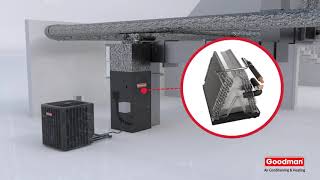
Of all the sections of your HVAC system, the heat pump is often the most misunderstood and misused. This guide will run you through exactly what the heat pump is, what it does, and how you can use it to get the most out of your HVAC system.
What Is A Heat Pump
First of all, you're going to need to know what your heat pump it is. It's essentially the outdoor portion of your HVAC system. Heat pump units are designed to draw in warm air from their surroundings, and transfer that air around your home or building. It draws the air in using electrical power and then uses that to push the air around your home. This is how you use your HVAC system to warm up a building during the colder months.
What's interesting about them, though, is that they can be used for cooling too. It does this by more or less working in reverse. Instead of drawing warm air in and sending it around the building, it draws warm air from the home and pushes it outside.
How Heat Pumps Are Misused
 Heat pumps are fine when they're properly used and maintained, but they often need repairing or replacing. This is because owners often don't know how to use them properly. Follow these tips to avoid causing unnecessary damage to your unit:
- In the colder months, ensure that you're going out and checking on the heat pump periodically. If there's excessive frost or ice on the machine, then it can stop it from working properly.
- Try not to use setbacks too often, if your heat pump condenser unit is a setback type. Try to have it setback twice a day, when you're at work and when you're asleep.
- Don't let the unit sit under a leaking gutter during the winter. The water leaking off the gutter can cause damage to the unit, in some cases making it freeze up entirely. Fix the gutter to ensure this doesn't happen.
- Try to keep the thermostat at one, steady temperature. Constant adjusting can increase the pressure on your heat pump, and increase utility bills.
- If your outdoor unit is covered in ice or snow, be careful when you remove it. Using sharp objects can damage the unit, as well as causing you personal injury.
How To Maintain Your Heat Pump
Now, you need to know how to maintain your condenser heat pump. If you maintain it properly, then you'll minimise the need for repairs or replacements, saving you time and money. Here's how you can maintain your heat pump and keep it running smoothly.
- Clean or replace filters once a month, or as needed. Dirty filters can minimise the pump's effectiveness, meaning you'll be paying more in utility bills, and possibly damaging the unit itself.
- Have a technician service your heat pump one a year. They can find any problems before they become big issues, and repair them there and then.
- Keep vegetation and clutter from around the heat pump. In the fall and winter, this may mean raking the ground around it as leaves start to fall.
- Clean the outdoor coils when they appear to be dirty. You'll need to turn the power off to the unit, in order to clean it safely.
Buying A New Heat Pump
Eventually, no matter how well you maintain your heat pump, you're going to need to replace it. The best thing to do in this instance is to hire a technician to help you do this. They'll be certified in HVAC maintenance and replacements, so they'll ensure its installed correctly, and it works properly with your system.
If you're looking for a new heat pump, here at HVACDirect.com we have a large array of pumps that you can choose from, suited to all different needs and budgets. If you want some advice on which one is right for you, get in touch and we can help you decide.
This is everything you need to know about heat pumps. Now you know how they work, what you should avoid doing to them, and how to maintain them. With proper use, a good heat pump should last for years.

