Key Takeaways
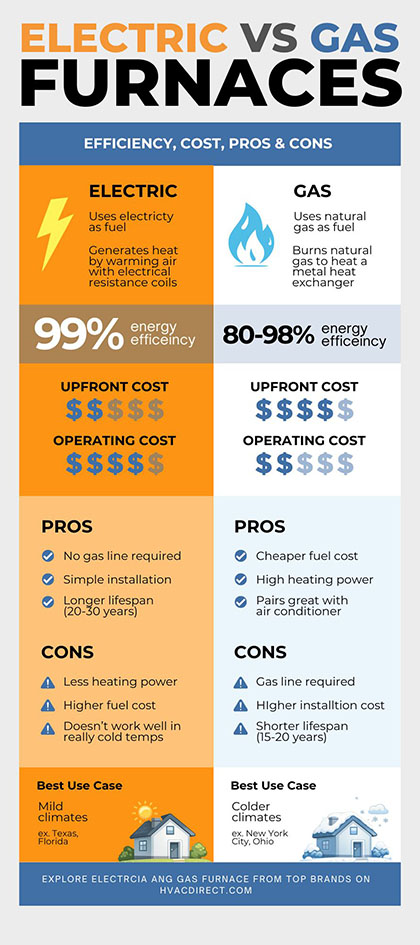
- Electric vs. Gas Furnace Efficiency: Electric furnaces are nearly 100% efficient at converting all of their electricity into heat, but gas furnaces typically cost less to run since natural gas is usually cheaper than electricity.
- Climate Determines the Better Furnace: Gas furnaces are better suited for colder climates where powerful, consistent heat is needed, while electric furnaces work best in milder regions or homes without access to a natural gas line.
- Installation and Lifespan Differ Significantly: Electric furnaces are simpler and cheaper to install and can last 5 to 10 years longer than gas furnaces, while gas furnaces require more components upfront but deliver stronger heating performance.
Article Contents
The pros and cons of electric and gas furnaces look very different depending on where you live, how your home is built, and what you're willing to spend, which is why it's worth knowing exactly how they compare before making a decision. Both electric and gas furnaces heat your home using ductwork and a blower system, but they differ in how they generate that heat, what they cost to run, and what climates they work best in.
What is the Difference Between Electric and Gas Furnaces?
Electric and gas furnaces both heat your home using ductwork and a blower system but differ in how they generate heat. Electric furnaces use resistance coils that heat up when electricity passes through them, while gas furnaces burn natural gas in a combustion chamber to produce heat.
These differences also impact installation and best use cases. Electric furnaces are hardwired into your electrical panel and work best in milder climates or homes without gas access, while gas furnaces require a gas line and venting but are better suited for colder regions that need strong, consistent heat.
What Are the Pros of Electric vs. Gas Furnaces?
Electric and gas furnaces each provide specific advantages depending on climate, fuel availability, and operating costs.
Electric Furnace Pros Compared to Gas Furnaces
Electric furnaces aren't the right fit for every home, especially if your home doesn't have a gas line or you live in a colder climate, but they have several advantages over gas furnaces and are better in certain situations.
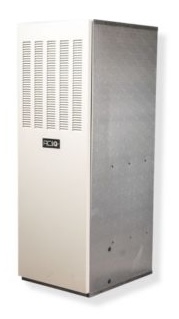
- No Natural Gas Required: Unlike gas furnaces, electric furnaces can run entirely on electricity, making them a great choice if your home does not have access to a natural gas service.
- Simpler Installation: Electric furnaces do not require combustion venting or gas piping, making installation much simpler and usually cheaper compared to a gas furnace.
- Longer Equipment Lifespan: An electric furnace can usually outlive a gas furnace by 5 to 10 years because they do not experience the wear that comes from combustion on internal components.
- Higher Heating Efficiency: Electric furnaces are considered nearly 100% efficient at the point-of-use because they convert almost all electricity directly into heat, while gas furnaces typically operate between about 80% and 98% AFUE efficiency
Electric furnaces are frequently paired with heat pumps to create an all-electric system for homes without gas lines that handles both heating and cooling year-round in milder climates.
Gas Furnace Pros Compared to Electric Furnaces
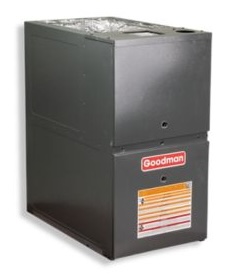
Gas furnaces have several advantages over electric furnaces, particularly for homeowners who have access to natural gas and want a heating system capable of delivering strong, consistent performance.
- Provides More Powerful Heat: Gas furnaces generally have a higher and faster heating output compared to electric furnaces because they produce heat through combustion rather than resistance heating coils.
- Lower Fuel Cost: Natural gas is usually less expensive than electricity in colder areas, making them more economical in terms of energy costs.
- Pairs Great with an Air Conditioner: Gas furnaces are commonly paired with an air conditioner, providing powerful heating in winter while the air conditioner handles cooling during warmer months.
- Better Performance in Cold Climates: Gas furnaces tend to perform and keep up with heating demands better in lower outdoor temperatures than electric furnaces.
Because of these advantages, gas furnaces remain a popular choice for homeowners looking for reliable whole-home heating.
What Are the Cons of Electric vs. Gas Furnaces?
Every furnace type comes with tradeoffs, and understanding the cons of each is just as important as knowing the benefits. Here's a breakdown of where each one falls short compared to the other.
Electric Furnace Cons Compared to Gas Furnaces
Electric furnaces do have some notable disadvantages, particularly in colder climates or larger homes with higher heating demands.
- Raises Electricity Bills: Electric furnaces have higher operating costs than gas furnaces since electricity is generally more expensive than gas (especially in colder areas). This is why they are most common in milder climates where you won’t need to run them all the time, and it requires less energy to meet a comfortable temperature because the difference between the outdoor and indoor temperature is smaller.
- Creates Heat Instead of Transferring It: Electric furnaces generate heat using resistance heating elements. Gas furnaces also generate heat, but they do so through fuel combustion inside a heat exchanger. Though it makes them nearly 100% efficient at converting electricity into heat, the process consumes a lot of energy and can sometimes cost 2.5 times more to do than transferring heat.
- May Struggle in Colder Climates: Electric furnaces have a harder time meeting heating demands in extremely cold temperatures than gas furnaces, often requiring supplemental heating equipment such as a heat pump to be able to keep up.
- Lower Supply Air Temperature: Gas furnaces typically deliver hotter air through vents than electric furnaces, allowing them to warm spaces faster during cold weather.
Electric furnaces can heat entire homes but are more common in regions with milder winters or where natural gas is not available.
Gas Furnace Cons Compared to Electric Furnaces
While gas furnaces are a powerful and efficient heating option, they do come with more installation requirements and safety considerations than electric furnaces.
- Requires a Carbon Monoxide Detector for Safety: Because gas furnaces burn fuel to produce heat, they create combustion gases that require carbon monoxide detectors for safety, while electric furnaces do not produce carbon monoxide.
- May Need More Equipment: Gas furnaces often require additional components such as venting systems and evaporator coils, whereas electric furnaces typically have simpler system requirements since they don’t use combustion.
- Requires a Gas Line: Gas furnaces must connect to a natural gas supply line, while electric furnaces only require electrical hardwiring to operate.
- Has a Higher Upfront Cost: Gas furnaces usually cost more to install than electric furnaces because they require gas piping, venting, and additional safety components.
When installing a gas furnace, be sure to work with a licensed HVAC professional since an improper setup can pose serious health and safety risks.
Which Is Better: Electric or Gas Furnaces?
Neither electric nor gas furnaces are universally better. If you live in a milder climate, don't have access to a natural gas line, or want a simpler and lower-maintenance setup, an electric furnace is likely the better fit. If you live in a colder region and need powerful, consistent heat that can keep up with extreme temperatures while keeping monthly energy costs manageable, a gas furnace is usually the stronger option. When in doubt, consulting with a licensed HVAC professional can help you determine which system makes the most sense for your home.
Why Buy Electric and Gas Furnaces at HVACDirect.com?
At HVACDirect.com, we carry a wide selection of electric and gas furnaces from trusted brands so you can find the right system for your home and budget. Our team is dedicated to making the process as smooth as possible with fast and reliable order fulfillment and a secure checkout experience. We also offer competitive pricing so you can get a quality heating system without overpaying, and our knowledgeable staff is here to help if you have questions along the way.
Electric furnaces are close to 99% efficient, meaning they convert almost all the electricity they use into heat. Gas furnaces typically land between 80% and 98% efficiency, but because natural gas is usually cheaper than electricity, gas furnaces often cost less to run despite being slightly less efficient.
Gas furnaces are generally the better choice in colder climates because they produce more heat at a faster rate and can keep up with the demand on the coldest days of the year, something electric furnaces can struggle with on their own.
Electric furnaces tend to last longer, usually around 20 to 30 years, while gas furnaces typically last 15 to 20 years. Gas furnaces deal with combustion every time they run, which puts more stress on internal components over time, shortening their lifespan.
No, gas furnaces produce heat through combustion, which generates a higher output much faster than the resistance coils in an electric furnace.
Gas furnaces typically require more maintenance since they have more components that need regular attention, including the burners, heat exchanger, and venting system. Electric furnaces are simpler by comparison and generally just need periodic filter changes and the occasional inspection to keep them running properly.