Key Takeaways
- Split vs. Packaged AC Systems: A split air conditioning system separates the condenser (outdoor) and evaporator (indoor) components, while a packaged unit combines them in one enclosure.
- Efficiency and Maintenance: Split systems are typically more energy efficient and easier to service than all-in-one packaged units since their components are larger, accessible, and designed for performance.
- Quiet and Flexible Operation: Because the noisiest parts are located outdoors, split systems run more quietly indoors and allow more flexibility in placement.
- Home Value and Comfort Benefits: Installing a split air conditioning system not only improves home comfort and air quality but also increases overall property value—especially in warmer climates.
- Smart Long-Term Investment: Adding a modern split AC ensures consistent cooling, reduces allergens, and prevents last-minute discomfort during heat waves.
Air conditioning is a comfort for some homes and a necessity for others. As the days grow hotter, it is definitely a better feeling to be in an air-conditioned home than to be scrambling for ways to keep yourself cool. Most people do not give a lot of thought to air conditioning systems until they are direly needed and then choose whatever they can find to cool their home.
An air conditioning system can be a major upgrade that adds to the value of your home, so it pays to educate yourself on the types of air conditioning systems available before the hottest days of the year arrive. Air conditioning systems come in two main types: a split air conditioning system, where the air conditioning condenser and evaporator coils are housed in two different areas, and a packaged unit where the entire air conditioner is contained in one enclosure.
What is a Split AC System
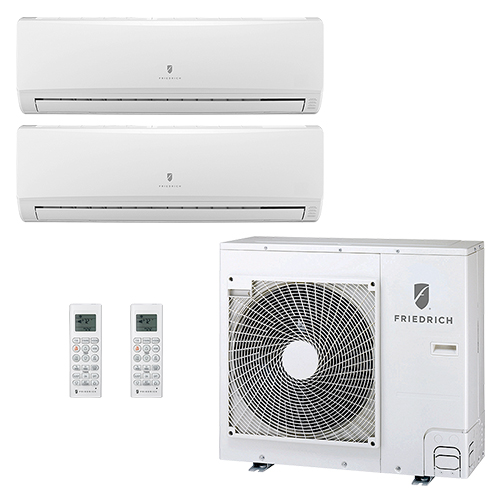
A split air conditioning system refers to the way the air conditioning setup is divided. It’s a form of central air conditioning that consists of two main components: an outdoor condenser unit and an indoor evaporator coil. The condenser unit uses electricity to extract heat from your home and transfer it outdoors, cooling your indoor air in the process. The evaporator coil, located inside the home, is filled with refrigerant that absorbs heat from the air. The system then uses your furnace fan and ductwork to distribute cool, conditioned air throughout your living space.
How Split Systems Differ from Packaged Units
The key distinction is that split systems have components both inside and outside the home, while packaged systems combine everything into a single cabinet, often installed outdoors or on the roof. Split systems are more efficient and flexible, allowing homeowners to place the outdoor unit in an out-of-the-way location for quieter and more effective operation.
What are the Pros and Cons of a Split Air Conditioning System
Advantages of Split Air Conditioning Systems
Split air conditioning systems offer many benefits when added to your home. One of the most noticeable advantages is size and efficiency. Because split systems are typically three times larger than packaged units, engineers have more room to design high-efficiency components, resulting in significantly better performance and energy savings.
The split design also allows for flexible installation — the outdoor condenser can be placed discreetly on the side or back of your home. Maintenance and repair are also easier since each component is more accessible compared to compact all-in-one systems.
Low Noise and Easy Maintenance
Another major benefit is that split systems are quieter. The noisy compressor and fan are located outside, keeping indoor operation nearly silent. Because the units are not crammed into one casing, parts can be serviced individually, simplifying upkeep and repair. Regular maintenance, such as cleaning coils and filters, can keep your system running efficiently for years.
Potential Drawbacks
The main disadvantage of a split air conditioning system is accessibility. Some homeowners install indoor components in hard-to-reach areas like attics or crawl spaces, which can complicate servicing or replacement. However, with proper planning and installation, this issue can be avoided.
Is It Worth Adding Air Conditioning to My Home?
Increased Comfort and Property Value
Adding air conditioning improves both comfort and home value. A split air conditioning system is a major upgrade that enhances your quality of life and makes your home more appealing to potential buyers—especially in warmer regions. A properly sized and installed system can also reduce humidity and maintain even temperatures throughout your home.
Health and Air Quality Benefits
In addition to comfort, air conditioning reduces allergens, dust, and pests that enter your home through open windows. Cleaner indoor air means fewer allergy symptoms and a healthier environment for your family.
Peace of Mind During Extreme Heat
Installing a reliable AC system ensures you’re prepared for heat waves. Instead of scrambling for portable units or fans, you’ll have dependable cooling on demand. With professional installation and proper maintenance, a split system is one of the most efficient and cost-effective ways to stay comfortable all summer long.

![The Top Furnace and AC Unit Brand Picks [In 2024]](https://hvacdirect.com/media/wysiwyg/blogimages/articleimages/Furnace-and-ac-aciq-goodman-runru_1.jpg)
What is a Split AC System
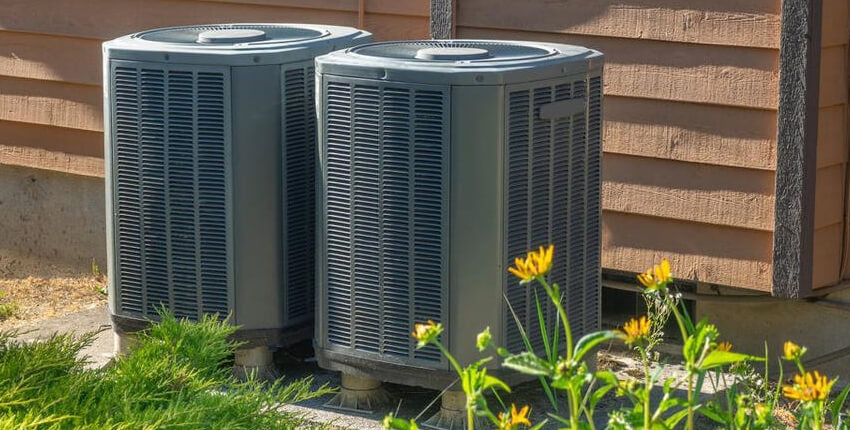
 Split AC System refers to the way the air conditioning system is set up. A split air conditioning system is a form of central air conditioning that consists of two parts, the outdoor unit, an air conditioner condenser, and an indoor unit, an evaporator coil. The condenser unit uses electricity to take heat from your home and transfer it outdoors, thus making your home cooler. The evaporative coil inside the house is filled with a refrigerant that pulls the heat from the air and cools the air. The unit uses your furnace fans and ductwork to blow air over the coils and then distribute cool air throughout your home. The alternative to a split air conditioner system is a packaged unit such as a window air conditioner or other all in one unit.