Key Takeaways
- Record the complete model number. Suffixes, punctuation, and revision characters can distinguish equipment that looks similar.
- Model and serial numbers serve different purposes. A model identifies an equipment configuration; a serial number identifies an individual unit.
- Do not assume every number is a BTU rating. Furnace naming conventions vary by manufacturer and product family.
- A replacement needs more than an old model number. Load, airflow, fuel, cabinet fit, venting, and compatible cooling equipment all matter.
Your furnace model number helps identify the equipment you have, but it does not by itself identify the best replacement. Start by recording the full number from the equipment label, then use the manufacturer's documentation to confirm specifications before comparing new systems.
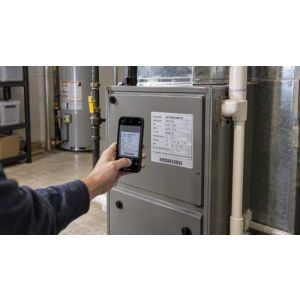
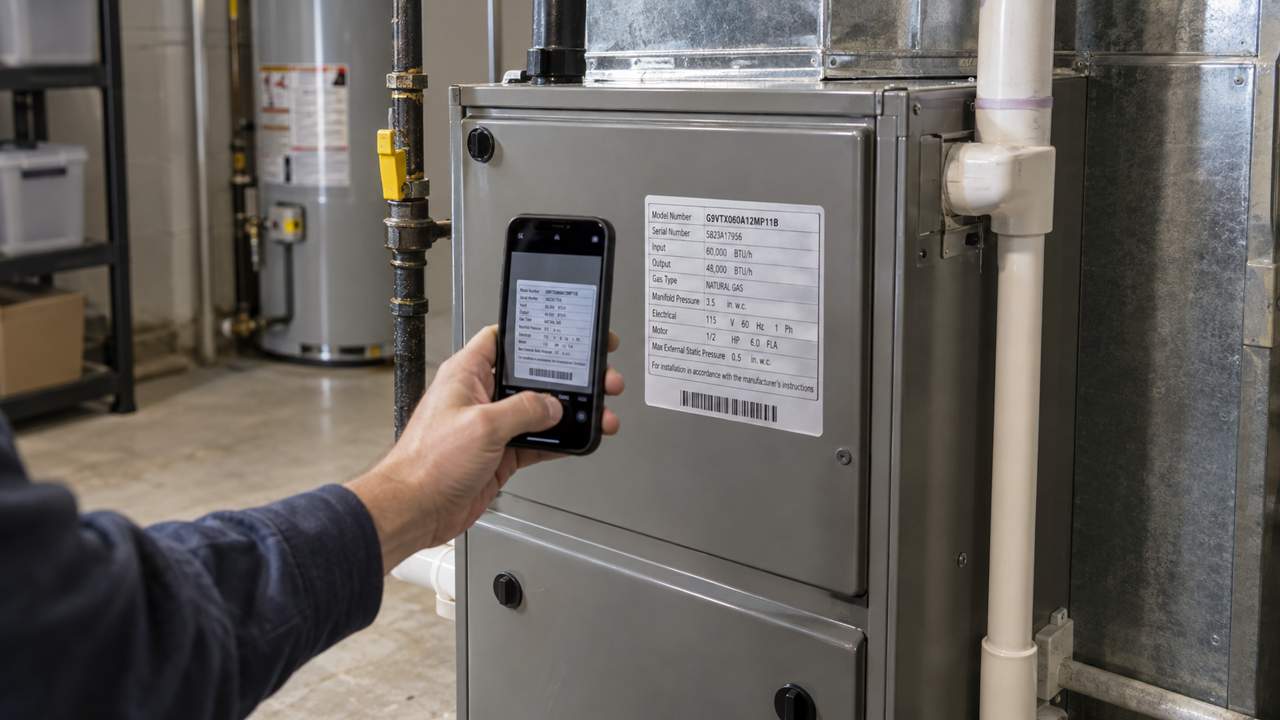
A clear label photo can save time when requesting a quote or looking for compatible parts. Keep the original image so a supplier can inspect characters that are easy to misread.
Where Is the Furnace Model Number?
Look for an equipment identification or rating label in the location described by the owner's manual. Depending on the furnace, it may be visible on the cabinet or behind an access panel. Installation paperwork, registration records, or a previous service invoice may also list the model.
Follow the manufacturer's safety instructions before accessing any label. If finding it requires opening the equipment and you are unsure how to do that safely, have a qualified technician record it. Do not reach into operating equipment or disturb wiring, gas connections, or safety switches.
Record the Model, Serial Number, and Ratings Separately
| Label information | Why it helps |
|---|---|
| Complete model number | Identifies the equipment family and configuration when checked against the correct manufacturer's documentation. |
| Serial number | Identifies the individual unit for service and warranty inquiries. Date-code conventions vary. |
| Fuel information | Helps identify the listed fuel; conversion labels and service records may be needed to confirm the current setup. |
| Input and output ratings | Describe different quantities and should not be substituted for one another. |
| Electrical and installation information | Helps the installer evaluate compatibility, access, and installation requirements. |
How to Read a Furnace Model Number Without Guessing
Copy every letter and digit, including suffixes. Common transcription problems include confusing a zero with the letter O or a one with the letter I. Do not trim the number to the first few characters when asking for a replacement recommendation.
Some manufacturers encode capacity, efficiency family, cabinet size, airflow configuration, or revision information in a model number. The positions and meanings are not universal. Use the nomenclature table or specification sheet for the exact product family rather than applying another brand's decoding pattern.
If a decoder cannot recognize the model, that is a reason to consult the documentation or manufacturer. It does not mean the furnace has no compatible replacement. Even when a decoder produces a result, confirm important specifications before ordering equipment.
Why Matching the Old BTU Rating Is Not Enough
The existing furnace may not have been sized for the home's present heating needs. Insulation upgrades, additions, air leakage, and changes to conditioned space can affect the load. Ask your installer for a current heating-load evaluation and a replacement recommendation based on the home.
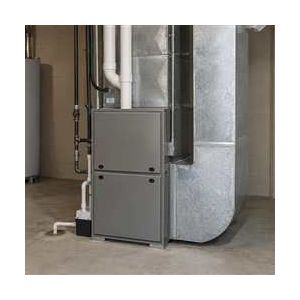
Also compare supply and return airflow, cabinet dimensions, installation orientation, service clearance, venting, condensate provisions where applicable, and the cooling coil or heat-pump pairing. A similar-looking cabinet does not establish compatibility.
Natural gas and propane require separate confirmation
Verify the fuel actually supplied to the home and the furnace's approved configuration. A model-family name alone may not reveal a later field conversion. Have a qualified installer check any conversion label and manufacturer requirements. Do not assume a natural-gas furnace can be connected to propane without an approved conversion.
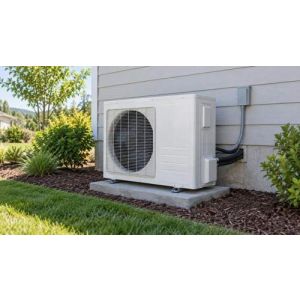
For a dual-fuel installation, confirm the furnace, coil, outdoor heat pump, and controls as a complete combination. Our heat-pump balance point guide explains another part of backup-heating planning.
What to Have Ready Before Requesting a Quote
- A sharp photo of the full equipment label and a typed copy of the model and serial numbers.
- The fuel currently used, along with any visible conversion information or service records.
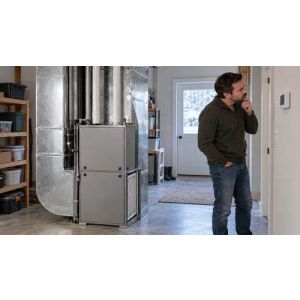
- Photos of the installation area, accessible duct connections, and existing vent route.
- The cooling or heat-pump model numbers if that equipment will be retained.
- Known comfort problems, recent renovations, and available load-calculation information.
Use this information to start the conversation; final equipment selection still needs an installation review. For more buying context, read our furnace replacement cost guide.
Frequently Asked Questions
Can the model number tell me the furnace's age?
The serial number and manufacturer records are generally more useful for identifying a particular unit's production information. Check the correct manufacturer's date-code guidance rather than assuming one pattern works for all brands.
Are input BTU and output BTU the same?
No. Fuel input and delivered heating output describe different ratings. Check the specification sheet and have the installer explain which rating is being compared.
Can I order a replacement using only the old model number?
It is a useful starting point, but the replacement also needs to fit the home's load and installation requirements. Confirm those details before ordering.
What if the label is unreadable?
Look for documentation and service records, then ask a qualified technician or the manufacturer for identification help. Do not invent missing characters.
Ready to compare furnaces? Bring the complete label information and installation details to a qualified installer so the replacement can be selected for your home.