Key Takeaways
- Heat Pump vs. Furnace Performance: Heat pumps transfer heat using electricity and are more efficient in moderate climates, while furnaces generate heat through combustion or electric resistance and provide stronger heating in colder regions.
- Heating Efficiency Ratings Explained: Furnaces use AFUE ratings to measure how efficiently fuel is converted into heat, while heat pumps use SEER2 and other ratings like HSPF or COP to measure how efficiently they move heat using electricity.
- Climate and Energy Costs Matter Most: Heat pumps often work best in milder climates or homes without natural gas, while furnaces are typically the better option in colder areas where powerful heating and lower natural gas costs provide more reliable winter performance.
Article Contents
If you’re in the market for a heating system, you’re likely trying to figure out which one is best for you, and you’ll probably run into the brand name Goodman. Goodman is a well-trusted brand among homeowners, known for its simple technology and affordable price.
What are Goodman Heat Pumps and Furnaces?
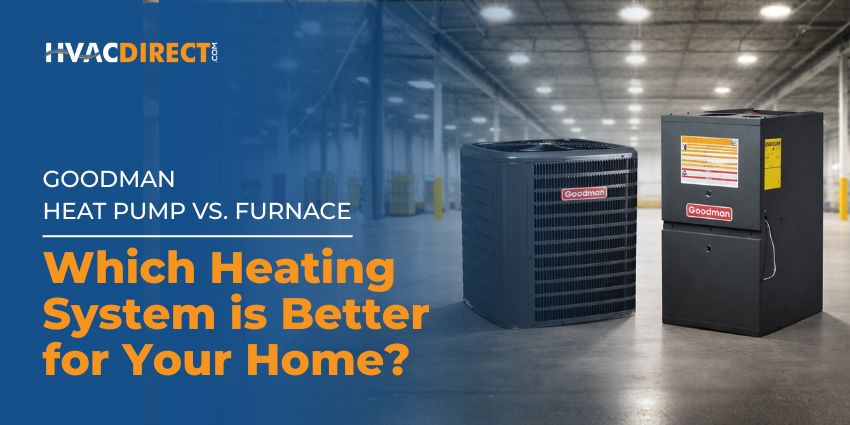
Goodman offers two main types of heating units, heat pumps and furnaces.
- A Goodman heat pump is an electric heating unit that transfers heat rather than generating it through combustion. In winter months and colder weather, it uses a reversing valve to move heat from outside into your home. It does the opposite in the summer, providing cooling like an air conditioner.
- A Goodman furnace is a heating unit that generates heat by burning natural gas, propane, or oil, then transferring that heat through a metal heat exchanger before distributing it through ductwork. There are also electric furnaces too.
Choosing between a Goodman heat pump and a furnace largely depends on your climate, efficiency needs, and installation requirements.
Goodman Heat Pump vs Furnace: Key Differences
Heat pumps and furnaces are designed for different heating demands, which is why manufacturers like Goodman produce both types of systems. While both can heat a home effectively, they rely on different energy sources, efficiency measurements, and installation setups.
- Heating Method: Heat pumps transfer heat using refrigerant, while furnaces generate heat by burning fuel. Furnaces tend to be less efficient than heat pumps, but more powerful, as they can produce hotter heat faster.
- Fuel Source: Heat pumps operate using electricity, while furnaces commonly run on natural gas, propane, or oil (or electricity if buying an electric furnace).
- Efficiency Measurement: Heat pumps are rated by SEER2, while furnaces are rated by AFUE.
- Best Climate: Heat pumps work best in moderate climates that may need on-and-off supplemental heating year-round, while furnaces provide heating in colder regions that need more powerful heating, either year-round in extremely cold climates or in those with a colder, longer winter season.
Because of these differences, the right system often depends on local fuel availability, installation requirements, and how much heating power your home needs during winter.
Here is a quick Goodman heat pump versus furnace reference chart you can use that summarizes some of the common differences:
| FEATURE | GOODMAN HEAT PUMP | GOODMAN FURNACE (EXCLUDING ELECTRIC) |
|---|---|---|
| Primary Energy Source | Electricity | Natural Gas, Propane, or Oil |
| Heating Method | Transfers heat using refrigerant | Generates heat through combustion in a heat exchanger |
| Cooling Capacity | Yes – can provide both heating and cooling | No – requires a separate air conditioner for cooling |
| Best Climate | Mild to moderate climates with shorter winters | Cold climates with longer or more severe winters |
| Typical Efficiency Range | SEER ratings range from 14 to 19+ SEER2 | 80% to 98% AFUE |
| Heating Power | Moderate heating power | Strong heating power |
| Average Equipment Cost | $$$ (include outdoor unit and indoor air handler) | $$ (usually cheaper than a heat pump) |
| Installation Cost | $$ (requires hardwiring) | $$$ (typically more expensive due to gas lines, venting, and safety components) |
| Operation Cost | Depends on electricity prices and climate | Often lower in colder climates where natural gas is cheaper than electricity. |
Is a Heat Pump or Furnace Better for Your Climate?
Heat pumps and furnaces perform better in different climates. Be sure to take this into consideration before choosing one or the other.
Why Heat Pumps Work Best in Mild Climates
Because heat pumps transfer heat rather than create it, they work best in moderate climates with lower temperature changes, where less energy is required to extract heat from the outside air.
Heat pumps operate most efficiently in moderate climates where winter temperatures stay above freezing for much of the season. There is also usually a smaller temperature difference between indoor and outdoor air, meaning the heat pump doesn’t have to work as hard or run as long to maintain comfortable indoor temperatures, which reduces energy consumption and lowers energy bills.
IMPORTANT: A heat pump can replace both an air conditioner and furnace in many homes, although extremely cold climates may require supplemental heating.
Why Furnaces Perform Better in Colder Climates
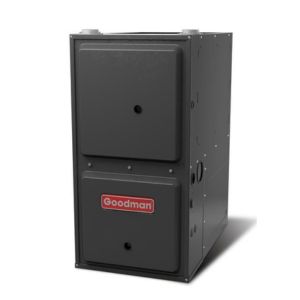
Furnaces perform better in colder climates because, unlike heat pumps, their heat output does not depend on outdoor temperature. By generating their own heat through combustion or electrical resistance, furnaces provide reliable, fast heat regardless of the temperature outside.
How Do You Compare Furnace and Heat Pump Efficiency?
Heating efficiency is measured differently depending on the type of system, so understanding the ratings used for furnaces and heat pumps helps homeowners compare how effectively each system converts energy into usable heat and how much they can save on energy bills.
What AFUE Ratings Tell You About Furnace Efficiency
The Annual Fuel Utilization Efficiency, or AFUE, tells homeowners how much of the fuel that is burned in a furnace will actually be converted into heat for your home. For example, an AFUE of 60% means that 60% of the fuel burned is used to produce heat, while the other 40% is lost, usually through the exhaust vent or chimney.
In terms of savings, think of it this way: for every $100 you spend on fuel, only $60 is used to heat your home, while the other 40% is wasted or lost. So, a higher AFUE rating means more of the money you’ve spent on fuel is being used for what it is supposed to be used for, and the more you are saving.
AFUE Efficiency by Furnace Type and Fuel
Certain fuels burn more efficiently than others, so here is a breakdown of typical AFUE ratings by fuel type for older and more modern furnaces:
-
Heating Oil:
- Cast iron furnaces have an AFUE of 60-70% for older units, though modern ones can be higher.
- Retention head burner furnaces have an AFUE that ranges between 70-78%, though modern ones can be higher.
- Mid-efficiency burners have an AFUE range of 83-89%.
-
Natural Gas:
- Older furnaces have an AFUE of 55-65%.
- Mid-efficiency furnaces have an AFUE of 80-84% (must be 80% to meet minimum requirement).
- High-efficiency gas furnaces have an AFUE of 90-97%.
-
Propane:
- Older conventional furnaces have an AFUE that ranges from 55-65%.
- Mid-efficiency furnaces have an AFUE that ranges from 79-85%.
- High-efficiency furnaces in this category have an AFUE of 88-95%.
-
Firewood:
- Conventional firewood furnaces have an AFUE of 45-55%.
- Advanced firewood furnaces have an AFUE of 55-65%.
- High-efficiency furnaces have an AFUE of between 75 and 90%.
Electric furnaces are considered nearly 100% efficient at the point of use because they convert electricity directly into heat. Be sure to check your state’s requirements for the minimum AFUE rating allowed, as different regions have different requirements.
How Heat Pump Efficiency Is Measured With SEER
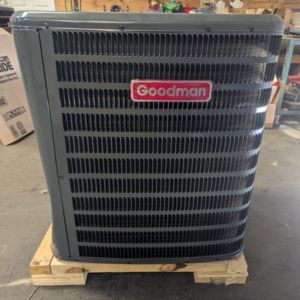
Heat pumps do not burn fuel, so they cannot be measured using AFUE; instead, they use SEER2 (Seasonal Energy Efficiency Rating), the same efficiency measurement used for air conditioners that was updated in 2023 due to evolving technology.
Typical SEER2 Ratings for Goodman Heat Pumps
Goodman heat pumps typically range from 14 to 24+. Here is a breakdown:
- Most Budget-Friendly: 14.3 to 14.5 SEER2, standard units designed to meet the minimum 2023 efficiency standards.
- Standard Efficiency: 15 to 16 SEER2, the most purchased because of their balance of upfront cost and long-term energy savings.
- High-Efficiency (Premium): 17 to 24+ SEER2, often inverter or variable-speed models built for the highest amount of energy savings and often qualify for Energy Star tax credits.
The higher the SEER2 rating, the less electricity the equipment uses to meet a comfortable temperature, resulting in lower long-term energy bills.
Other Heat Pump Efficiency Ratings
Heat pumps come in different types depending on where they pull heat from, with the two most common being geothermal and air-source systems.
- Geothermal heat pumps: These systems transfer heat between the home and the ground using buried piping loops, and their efficiency is measured using COP (Coefficient of Performance) and EER (Energy Efficiency Ratio).
- Air-source heat pumps: These systems transfer heat between the home and the outdoor air, and their heating performance is measured using HSPF (Heating Seasonal Performance Factor).
Geothermal systems typically provide the most stable efficiency because underground temperatures remain consistent year-round, while air-source heat pumps are more common due to their lower installation cost and simpler installation requirements.
Why Would You Choose a Goodman Heat Pump Instead of a Furnace?
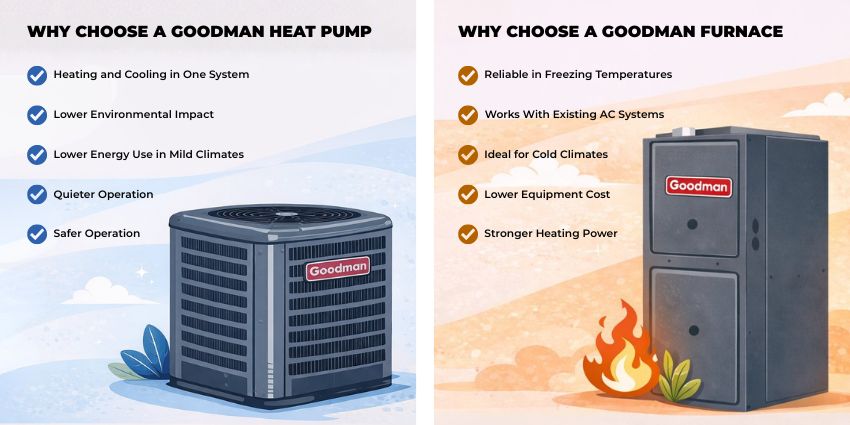
Heat pumps are often chosen when homeowners want a single system that provides both heating and cooling, using electricity as the only energy source.
- Efficiency: Electric heat pumps are often more energy efficient than fuel-burning furnaces (excluding electric furnaces) because they move heat instead of generating it.
- Installation Cost: Furnaces usually require a ventilation system and a gas line (if using gas as fuel) to be installed before they’re operational, which can be expensive if the home needs to be retrofitted. Heat pumps rely mainly on electrical connections and refrigerant lines rather than gas piping and combustion venting.
- Operating Cost: In regions where electricity costs less than natural gas, operating a heat pump can be more affordable.
- Noise Level: Heat pumps generally operate more quietly than furnaces because they do not rely on combustion.
- Safer to Use: Heat pumps do not burn fuel, eliminating the risk of carbon monoxide exposure.
Because of these advantages, heat pumps are commonly installed in homes in moderate climates or in homes without access to natural gas.
Why Would You Choose a Goodman Furnace Instead of a Heat Pump?
Furnaces can be a better heating option in homes that require stronger heating output or where fuel sources like natural gas are readily available.
- Electric Furnace Option: Goodman furnaces are available in electric models that can be installed in homes without natural gas service, eliminating concerns about gas leaks or combustion exhaust. Electric furnaces provide strong heating output similar to gas furnaces but do not offer cooling capability like heat pumps.
- High Heating Power: Furnaces generate hotter supply air than heat pumps, allowing them to heat homes faster and maintain comfortable temperatures during very cold weather.
- Generates Heat Instead of Transferring it: Unlike heat pumps that move heat from outside air, furnaces create heat directly through combustion or electric heating elements, which allows them to perform consistently even in freezing temperatures.
- Lower Upfront Cost: Furnace equipment is often cheaper than heat pump systems, making them a more affordable option for homeowners focused on lower upfront equipment costs.
If you choose to buy an electric furnace, you’ll also eliminate safety concerns, such as gas leaks, and the need for equipment parts to protect you from the risk of carbon monoxide poisoning.
Should You Buy a Goodman Heat Pump or a Furnace on HVACDirect.com?
Choosing between a Goodman heat pump and a furnace ultimately depends on your climate, heating needs, and the type of energy available for your home. HVACDirect.com carries a wide selection of Goodman heating systems in various sizes and efficiency levels to meet any space’s needs. Our expert techs have years of experience in heating and cooling equipment and can help you choose the best system for your home, as well as answer any product or installation questions you have. Browse the full selection of Goodman heat pumps and furnaces on HVACDirect.com to find a system that fits your home's heating needs and climate conditions.
![The Top Furnace and AC Unit Brand Picks [In 2024]](https://hvacdirect.com/media/wysiwyg/top-heating-and-coooling-brands-2024-article-image.jpg)